





Marble Sculpture on Pedestal
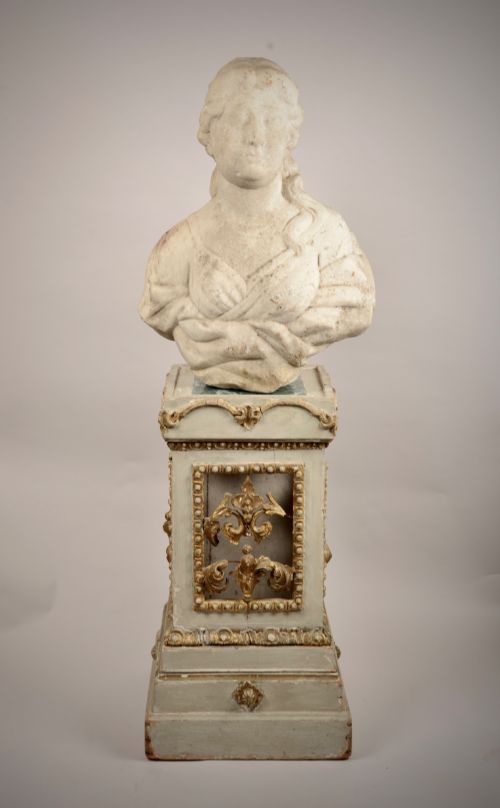
A marble sculpture on pedestal combines carved stone figures with supporting columns, creating a formal display for interiors.
Marble Sculpture on Pedestal
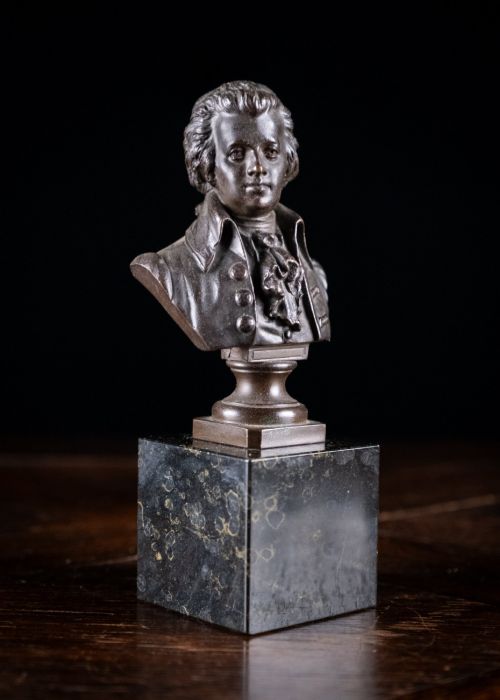
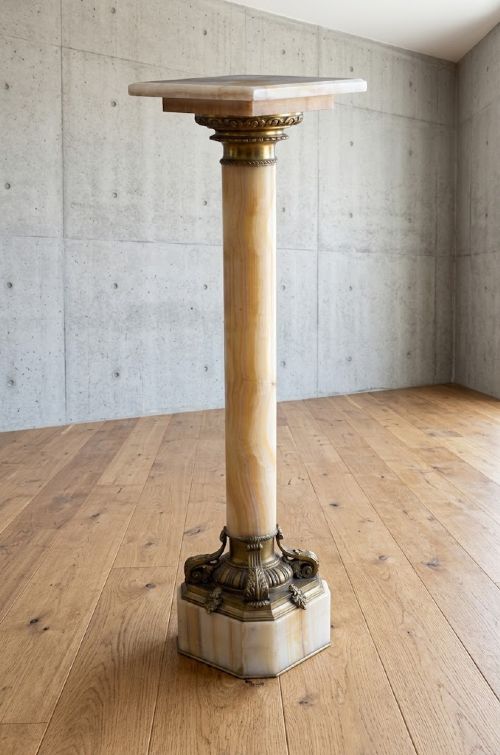
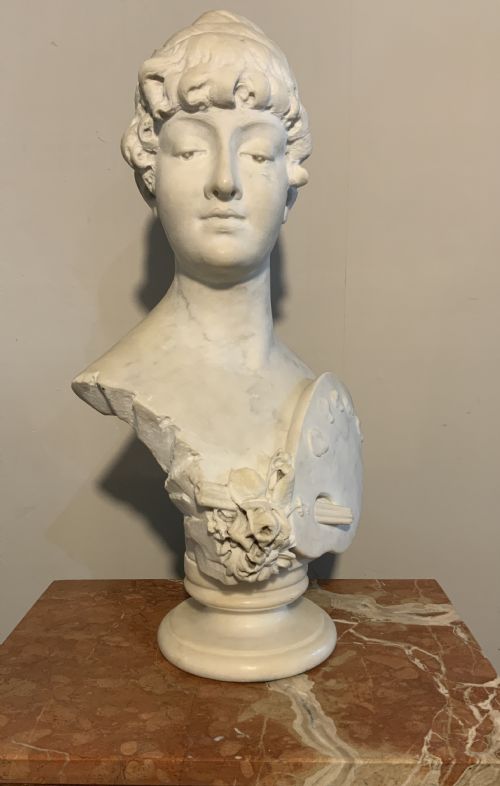
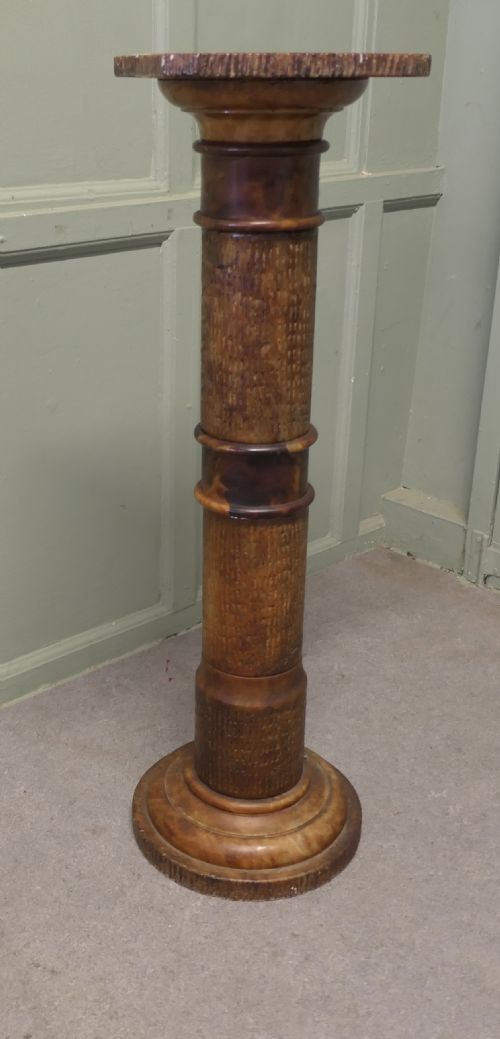
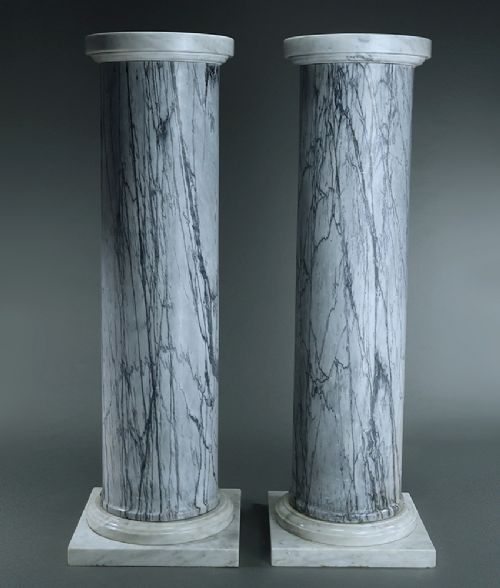
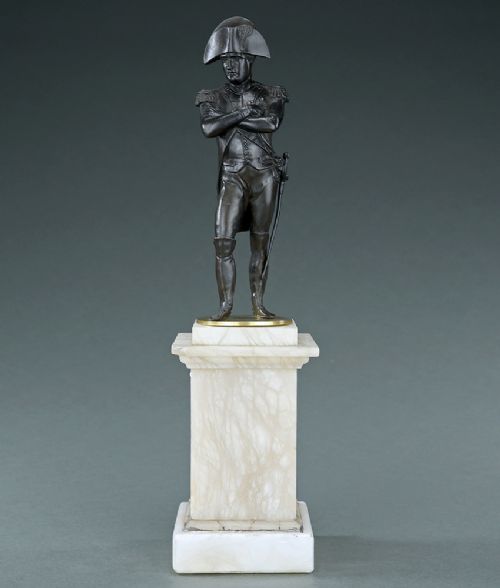
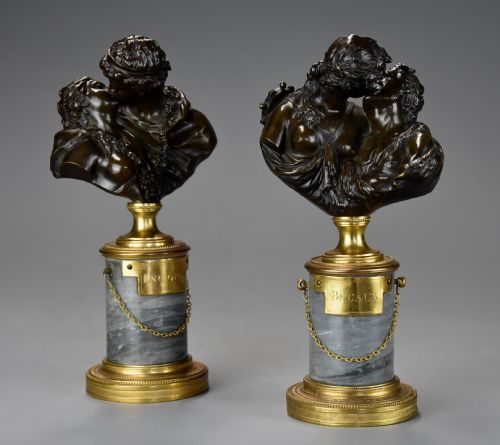
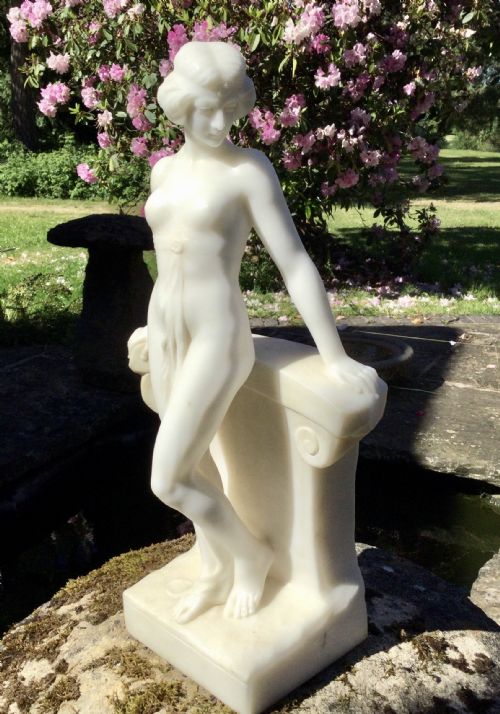
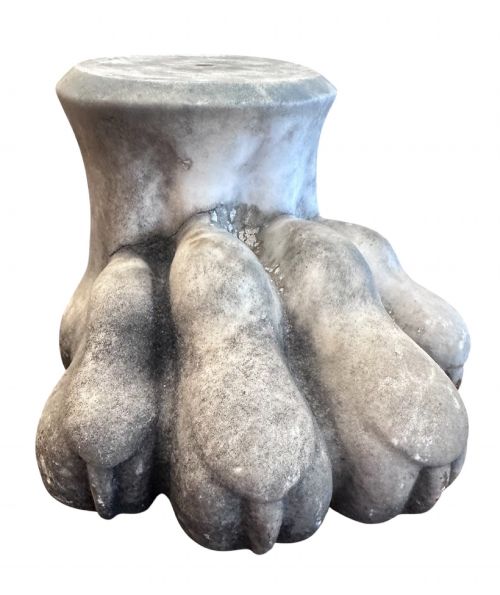
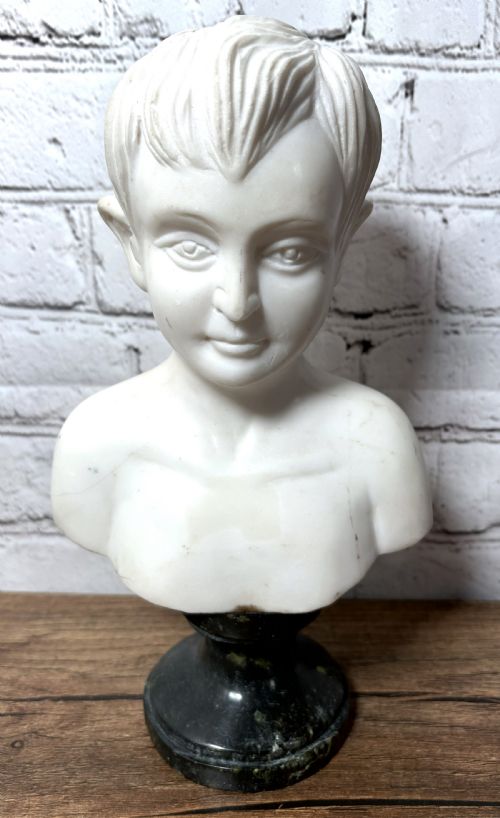
A marble sculpture on pedestal comprises figural carvings, portrait busts, or decorative vessels elevated upon stone columns, plinths, and architectural supports. These arrangements derive from classical traditions, bringing formal structure to interior spaces through stone and bronze composition.
The selections span seventeenth-century remnants to twentieth-century revivals, with nineteenth-century examples appearing most frequently. Pieces range from grand monumental columns paired with bronze figures to compact library busts resting upon marble bases.
Makers and workshops across Britain and continental Europe produced these works within Neoclassical, Baroque, French Empire, and Victorian design idioms. The grouping unites sculptural focal points with the structural stands designed to elevate them.
How they were made
Artisans carved figural works from Carrara, white, and coloured marbles, alabaster, or cast them in bronze, occasionally mounting them with ormolu collars and patinated bronze details. Pedestals utilise solid stones alongside scagliola, faux marble painted timber, and carved woods to simulate heavier architectural materials.
Foundry casting captured intricate details for bronze sculptures after named modellers, while stone columns relied on lathe-turning and hand-chiselling to achieve fluted shafts and stepped capitals.
Listings feature eighteenth and nineteenth-century works alongside twentieth-century revivals, utilising Carrara marble, bronze, alabaster, and scagliola.
What varies in quality
Proportion and structural integrity dictate the success of columns and pedestals, where balanced weight distribution and crisp ormolu mounts elevate the piece above utilitarian supports.
Emile Guillemin·Jean Antoine Houdon·Benedetto Boschetti·Antonio Merente·John Wenlock Rollins·Ferdinand Preiss
The Marble Sculpture on Pedestal Glossary
- Carrara marble
- A white or blue-grey stone quarried in Tuscany, widely utilised for classical sculpture and architectural columns.
- Ormolu
- Gilded bronze mounts applied to furniture, stands, and bases to provide decorative contrast against marble and wood.
- Scagliola
- A composite material made from selenite, glue, and pigments, manipulated to imitate costly marbles and stone columns.
- Tazza
- A shallow cup or bowl on a standard and foot, frequently carved from decorative stones during the Grand Tour period.
- Verde Antico
- A dark green serpentine breccia marble utilised in classical and neoclassical architectural columns.
Marble Sculpture on Pedestal: Frequently Asked Questions
How do I display a marble sculpture on pedestal safely?
Place heavy stone columns and sculptures on level flooring capable of supporting substantial weight without shifting. Ensure the sculpture sits securely on the pedestal top without relying on adhesive unless recommended by a conservator.
Keep pieces away from direct heat sources and sudden temperature fluctuations to prevent stress fractures in natural stone and alabaster components.
What periods do these sculptures and pedestals represent?
The selections span from the seventeenth century through the Victorian era and into early twentieth-century revivals. Neoclassical and French Empire styles dominate the design vocabulary across these periods.
Earlier works reflect baroque carving traditions, while later nineteenth-century pieces often emulate classical antiquity through Grand Tour souvenirs and academic bronze castings.
How do I clean marble and bronze?
Dust marble surfaces regularly with a soft, dry cloth to prevent particulate buildup in carved recesses. Avoid acidic cleaners, oils, and excess water, which penetrate porous stone and cause staining.
Bronze figures benefit from occasional light dusting and microcrystalline wax application to protect patinated surfaces from atmospheric moisture.
Are columns and pedestals always sold with sculptures?
Columns, plinths, and busts frequently appear as separate items designed to be paired according to height and stone compatibility. Matching pairs of columns often served to display lamps, urns, or plant stands rather than figural works.
Check individual listings to confirm whether a sculpture and its supporting pedestal comprise an original matched pairing or a later combination.