






Marble Boy Statue
These marble boy statue pieces capture youthful figures in carved stone and mixed metals, offering a classic decorative accent for any interior.
Marble Boy Statue
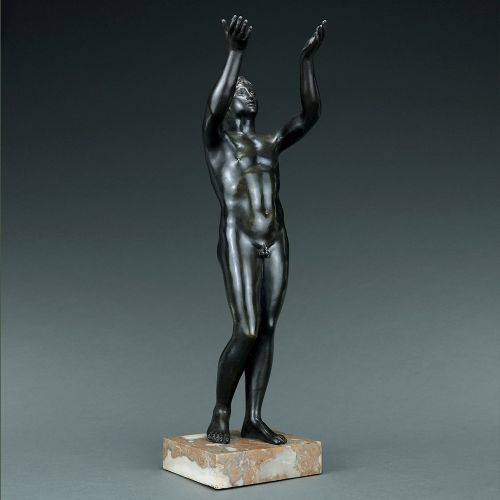
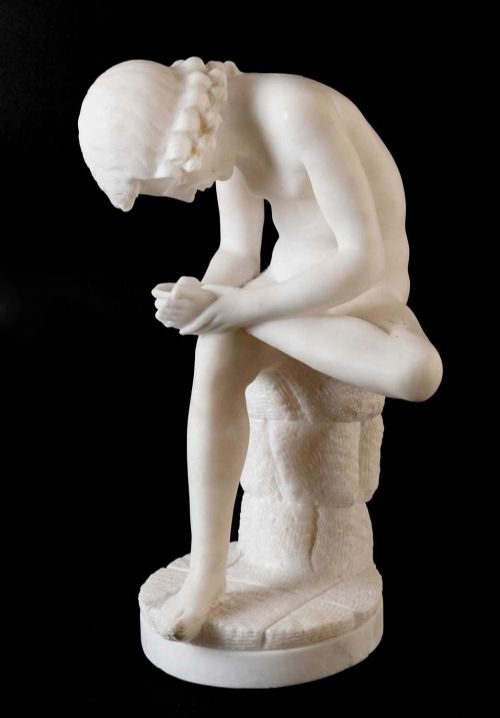
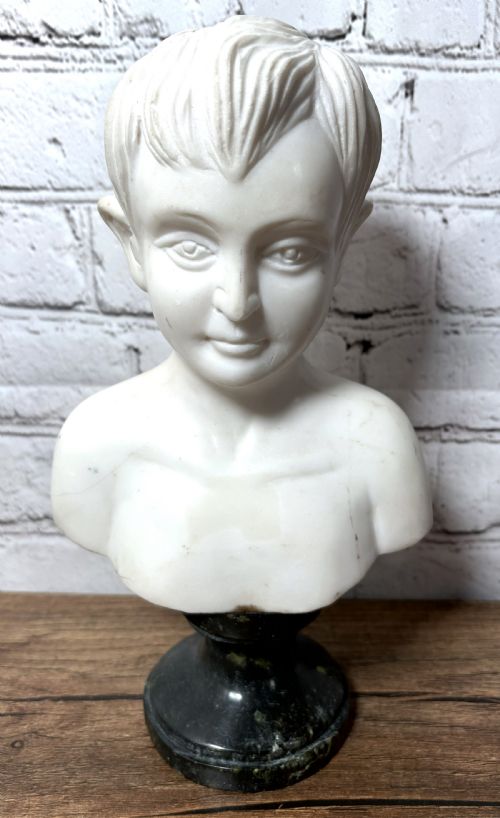
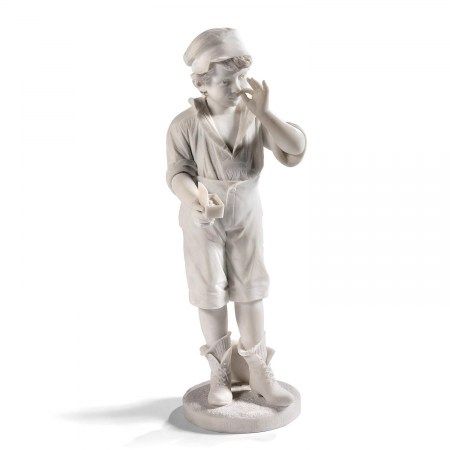
A marble boy statue represents young male figures carved from solid stone or cast in metal, ranging from library busts to full standing sculptures. When you search this phrase, you encounter depictions of figures such as the Spinario, fisher boys, and water carriers from the late nineteenth and early twentieth centuries.
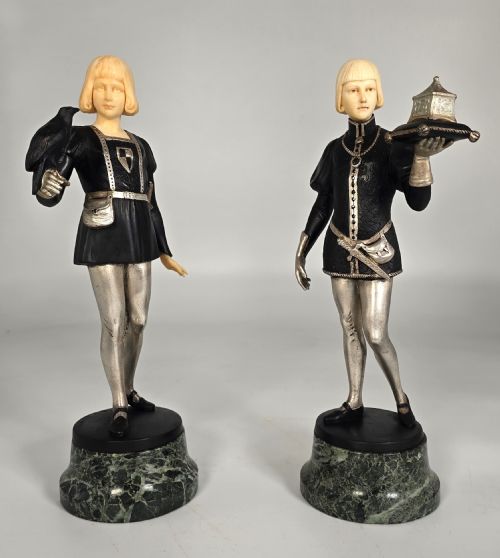
The versions most common on this page span the Neoclassical, Art Deco, and Grand Tour styles. Sculptors shaped these pieces in marble, alabaster, bronze, and ivory, frequently signing their works to denote distinct European studio origins.
How They Were Made
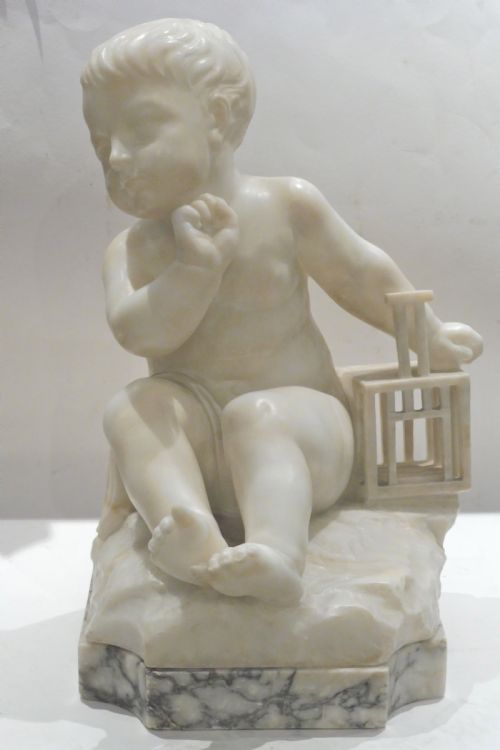
Makers utilised high-grade Carrara marble and softer alabaster, carving the stone by hand to achieve realistic folds in drapery and soft facial expressions. Bronze components were cast using traditional methods, occasionally combined with carved ivory or cold-painted finishes.
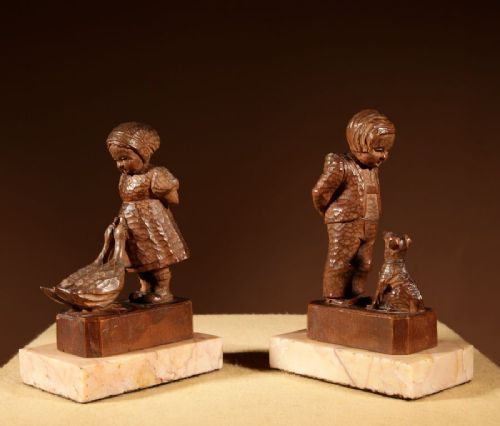
Base materials often included mixed media elements like wood supports and painted highlights. Artists polished the marble surfaces to a smooth finish or left stone textures rough where rock bases were depicted.
The documented periods for these sculptural figures range from the late nineteenth century through the 1920s.
What Varies in Quality
The distinction between standard works and exceptional pieces lies in the precision of the carving and the nuance of the expression. Master sculptors captured anatomical detail and lifelike posture with great subtlety, whereas lesser works remain stiff and generalized.
Signed examples by known founders or artists demonstrate superior execution in chasing and finishing. The choice of material also dictates quality, with flawless Carrara marble and intricate cold-painted patination commanding greater visual depth.
Franz Bergman·Gotthilf Jaeger·Mieczyslaw Leon Zawiejski·Carl Kauba·Ferdinand Preiss·Vincenzo Gemito·Ferdinando Vichi·Pugi·Enrico Astorri
The Marble Boy Statue Glossary
- Carrara marble
- A type of white or blue-grey marble quarried in the city of Carrara in Italy, widely favoured by classical and 19th-century sculptors for its fine grain.
- Spinario
- A Greco-Roman Hellenistic bronze sculpture depicting a boy extracting a thorn from his foot, a subject frequently replicated in alabaster during the 19th century.
- Cold-painted bronze
- A bronze sculpture decorated with oil-based paint that is applied without heat, a technique popular in Austrian workshops.
- Grand Tour
- A traditional trip of Europe undertaken by upper-class young European men of the 18th and 19th centuries, during which small bronzes and marble carvings were collected.
- Alabaster
- A fine-grained, translucent stone often used for 19th-century sculptural figures and decorative vases.
Marble Boy Statue: Frequently Asked Questions
How do I identify a marble boy statue from the nineteenth century?
Examine the material composition, looking for dense Carrara marble or traditional alabaster combined with period casting techniques. Signatures or foundry marks on the base often point to specific European workshops.
Check the style and clothing details against Neoclassical or Art Deco conventions. Historical subjects like the Spinario or water carriers also help anchor the piece to a specific decade.
Where should I display a marble or bronze boy sculpture?
Place these figures on sturdy mantelpieces, library desks, or dedicated pedestals where the three-dimensional form can be viewed from multiple angles. Ensure they sit away from direct heat sources to protect any painted or mixed-media elements.
Lighting plays a significant role in highlighting carved facial expressions and stone textures. Soft side lighting accentuates the natural translucency of marble and alabaster.
What is the difference between marble and alabaster sculptures?
Marble is a hard, metamorphic rock that resists scratching and holds sharp sculptural details over long periods. Alabaster is a softer, more translucent stone that allows light to penetrate slightly beneath the surface.
Alabaster figures generally exhibit a softer appearance with warmer tones than white Carrara marble. Both materials require careful handling to avoid chipping delicate extremities.
Are these sculptures usually signed by the artist?
Many sculptures from this period feature signatures, monograms, or foundry stamps carved directly into the stone base or cast into the bronze. Signatures help attribute the work to notable European artists and studios.
Unsigned pieces remain common, often produced by skilled anonymous artisans in Italian or Austrian workshops. The absence of a signature does not diminish the quality of the carving.