

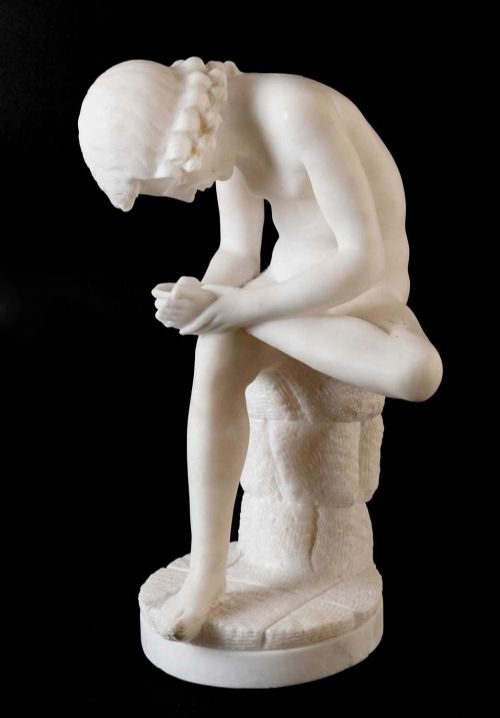

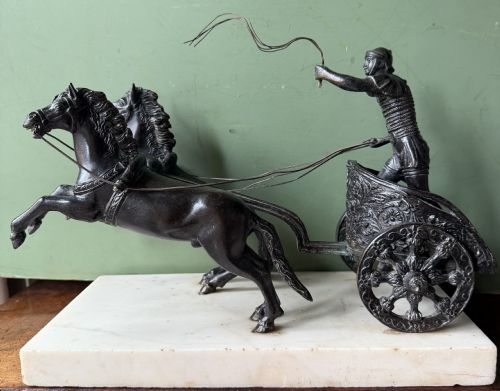
Italian Marble Figure
An italian marble figure brings classical antiquity into a room through carved stone and bronze, shaped by nineteenth-century Italian studios.
Italian Marble Figure
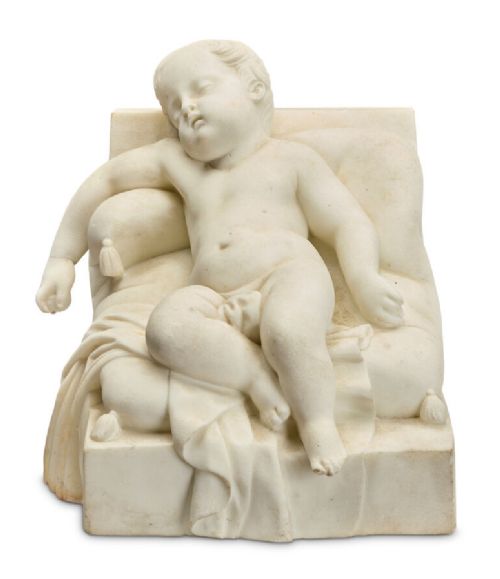
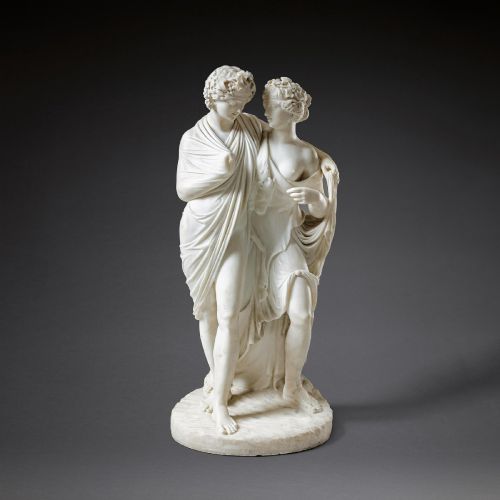
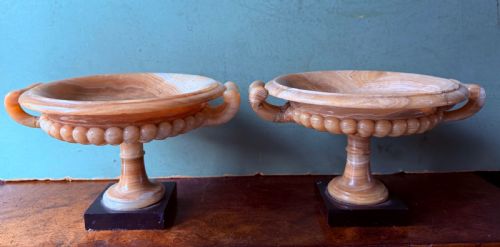
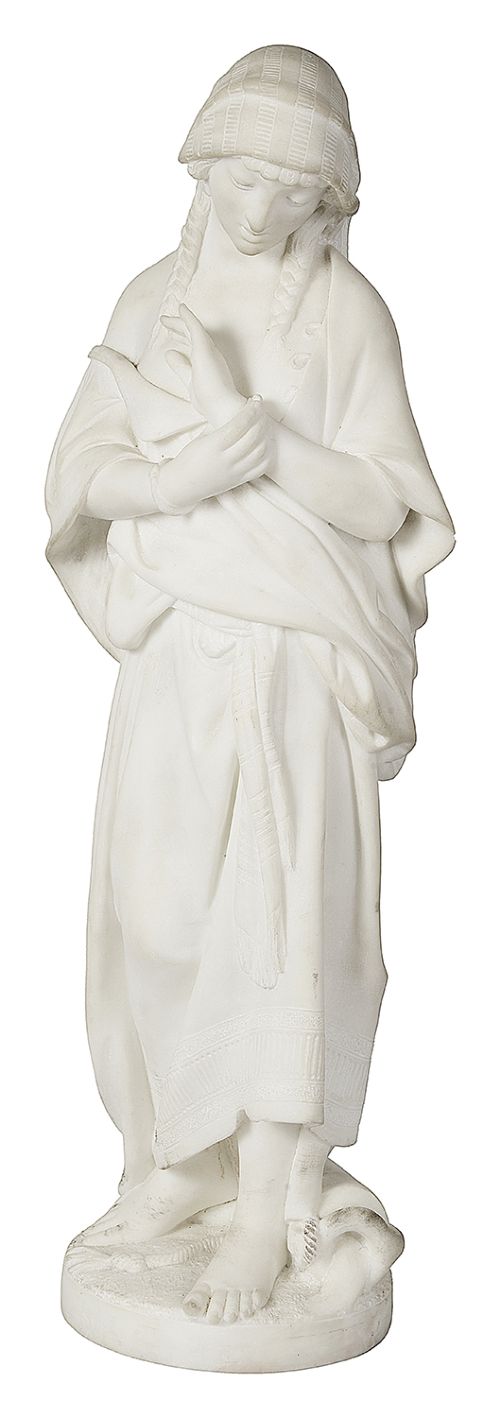
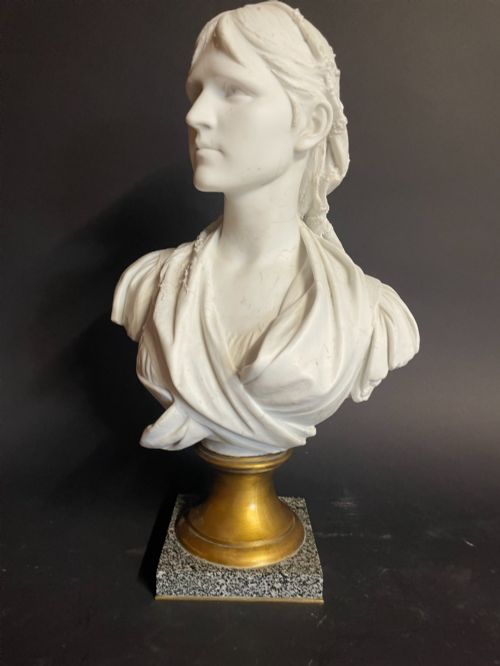
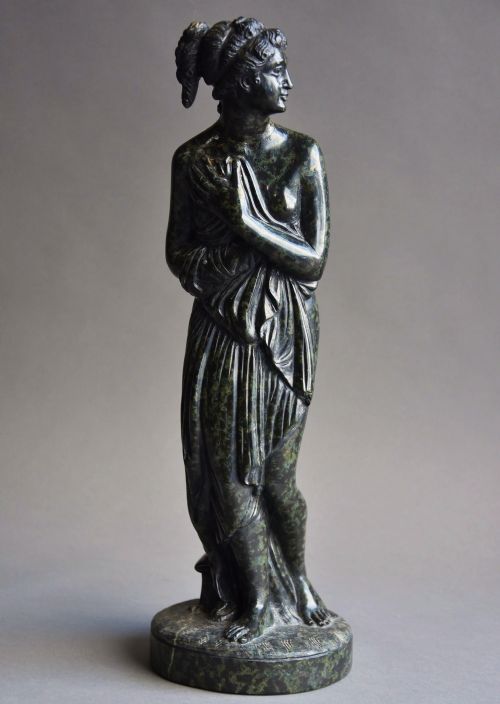
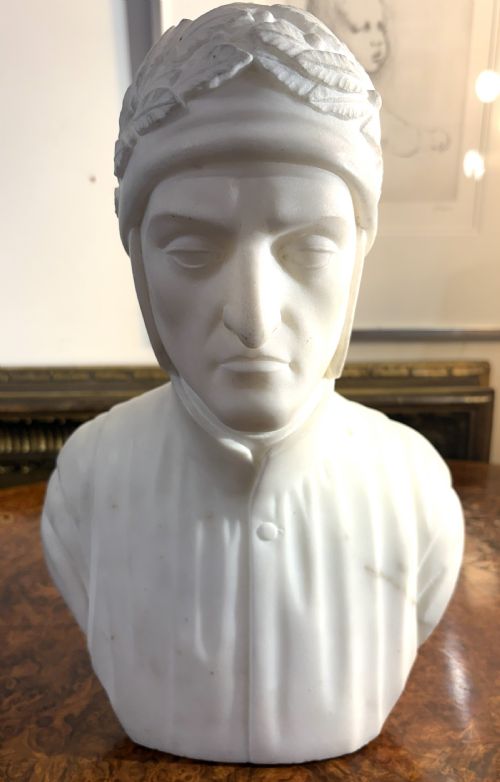
An italian marble figure encompasses carved sculptures, statuettes, busts, and tazze originating from nineteenth-century Italian workshops. Buyers seek these pieces to bring classical antiquity and Renaissance forms into domestic interiors.
The versions most commonly met on this page are Grand Tour souvenirs and classical revival studies after famous antiquities. They range from small-scale library busts to substantial decorative statues carved in Florence and Rome.
Subjects draw heavily on mythological deities, historical figures, and celebrated ancient sculpture. They reflect the taste of nineteenth-century collectors who travelled the continent and acquired works through Italian studios.
Materials and Carving Techniques
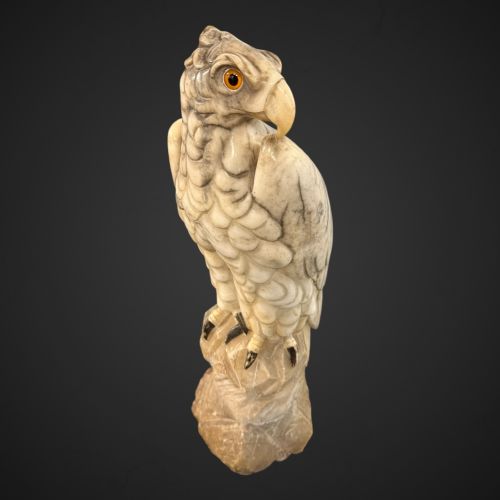
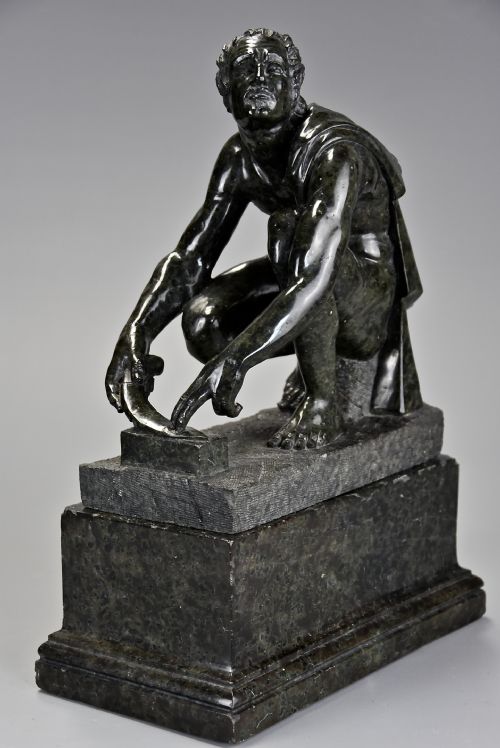
Carvers utilised white statuary marble, Carrara marble, and various coloured stones including serpentine and alabaster. Many works combine carved marble bodies with contrasting black or coloured marble bases.
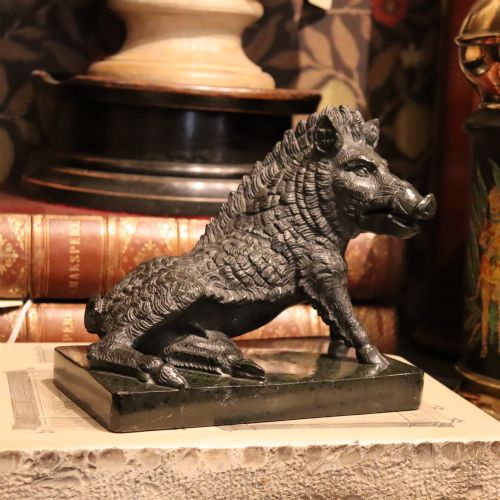
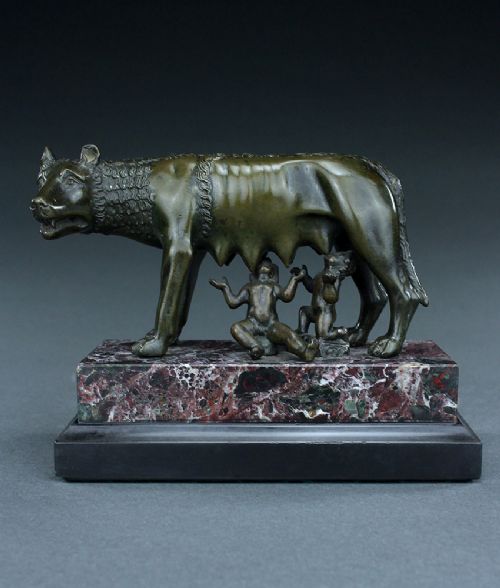
Some pieces incorporate cast bronze elements mounted upon stone plinths. Sculptors employed traditional chisel and drill techniques, often finishing surfaces to replicate the smooth patination of classical antiquities.
Carved stone hounds keep silent watch from nineteenth-century mantelpieces.
Sculptural Quality and Execution
The choice of material dictates distinction, with finely figured alabaster and unblemished Carrara marble commanding greater presence. Signature marks from documented Florentine or Roman studios further elevate the standing of a piece.
Carlo Albacini·Antonio Canova·Pietro Bazzanti·Antonio Frilli·Eduardo Giolli
The Italian Marble Figure Glossary
- Grand Tour
- A traditional travel itinerary undertaken by nineteenth-century Europeans to study classical art and architecture abroad. Souvenirs purchased along the way form the backbone of this sculptural category.
- Serpentine
- A dark green, mottled mineral stone often utilised for decorative bases and animal models. Its distinct veining mimics serpent skin.
- Alabaster
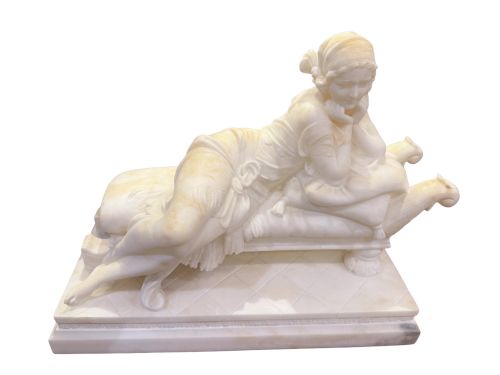
- A fine-grained, translucent stone favoured for soft carving and detailed statuettes. It permits light to penetrate slightly beneath the surface.
- Verdo Prato
- A rich green Italian marble variety frequently seen in nineteenth-century architectural models and pedestals. The name translates to green meadow.
- Tazza
- An ornamental shallow cup or bowl raised on a stem and foot. They appear carved from solid stone as classical table ornaments.
Italian Marble Figure: Frequently Asked Questions
What is a Grand Tour figure?
A Grand Tour figure is a souvenir sculpture purchased by travellers visiting cultural centres in Italy during the nineteenth century. These reductions of classical antiquities allowed collectors to bring museum masterpieces into private homes.
They capture the aesthetic tastes of the Victorian era and remain highly collectible for their fine craftsmanship and historical resonance.
How do I care for antique marble?
Dust marble and alabaster surfaces regularly with a soft, dry cloth. Avoid using water, soap, or chemical cleaners, which can penetrate porous stone and alter the finish.
Alabaster is particularly sensitive to moisture and dissolves when exposed to damp environments. Keep pieces away from direct heat sources and strong sunlight.
Are these pieces signed by artists?
Some sculptures feature signatures, studio incisions, or foundry marks carved into the base or rear of the stone. Signatures typically denote the Florentine or Roman workshop responsible for the reduction.
Unsigned pieces remain common, reflecting the large commercial production of souvenir art for foreign travellers.
What is the difference between marble and alabaster?
Marble is a metamorphic rock formed from recrystallised carbonate minerals, offering high durability and dense weight. Alabaster is a softer stone composed of gypsum, known for translucency.
Alabaster allows light to pass slightly beneath the surface, making it suitable for delicate drapery and portraits.