

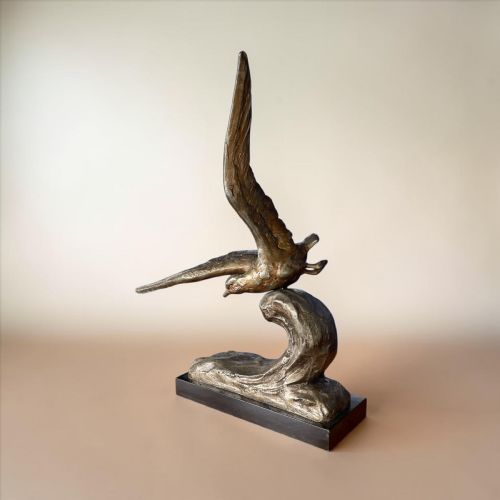
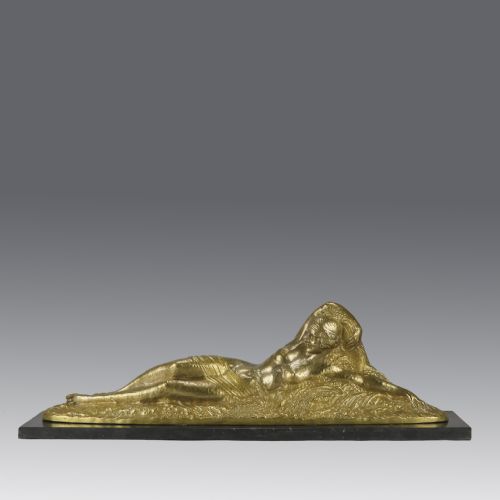

Marble Base Art Deco Statue
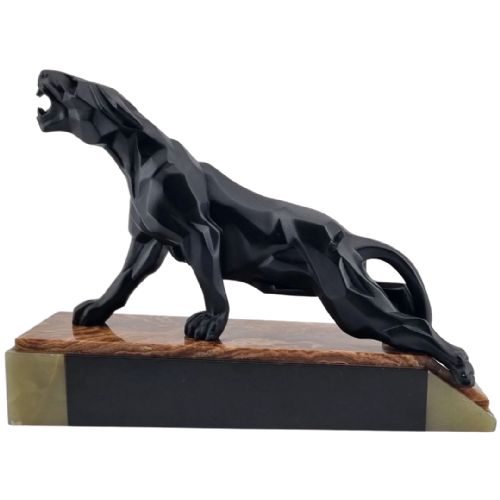
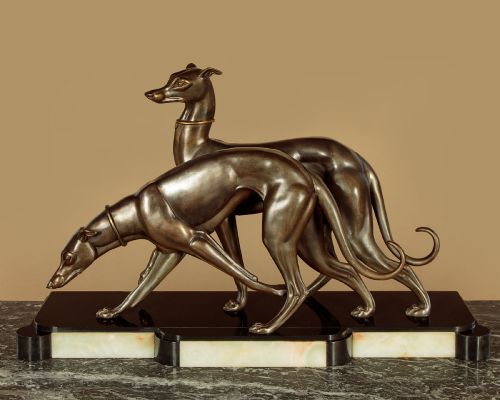
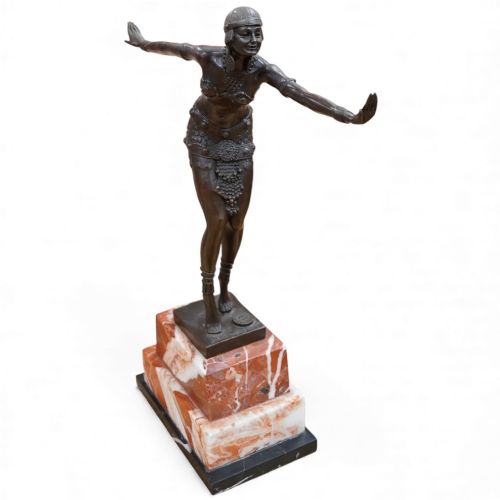
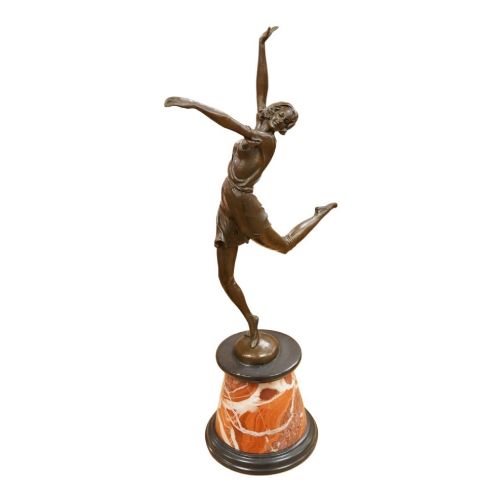
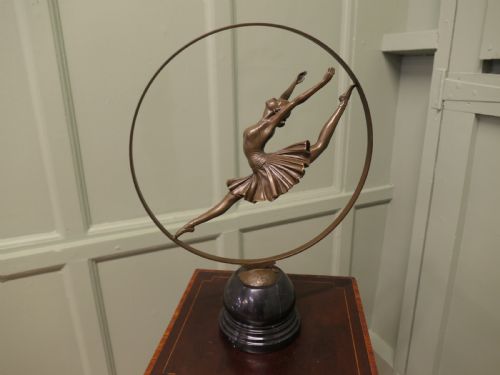
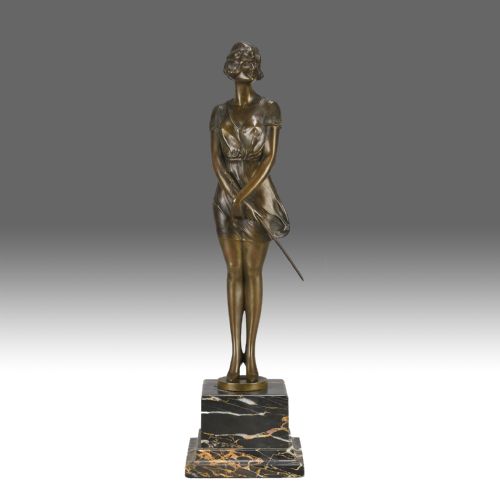
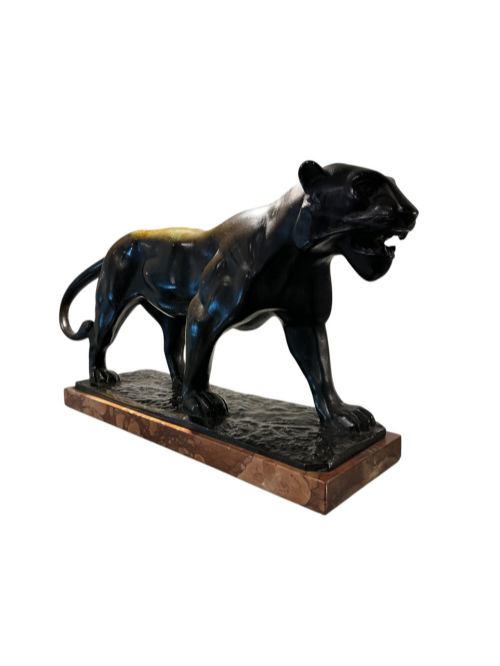
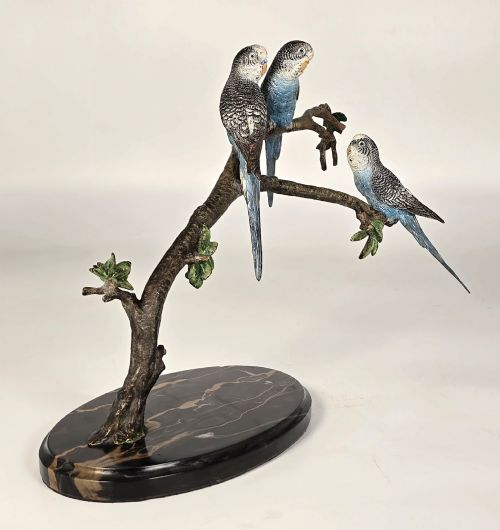
These marble base art deco statue examples bring undeniable movement and geometric elegance to a room.
Marble Base Art Deco Statue
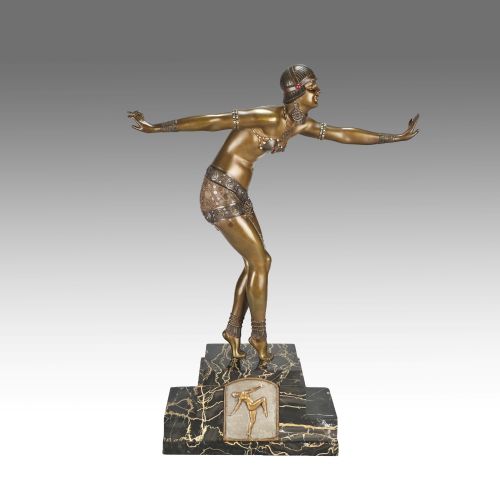
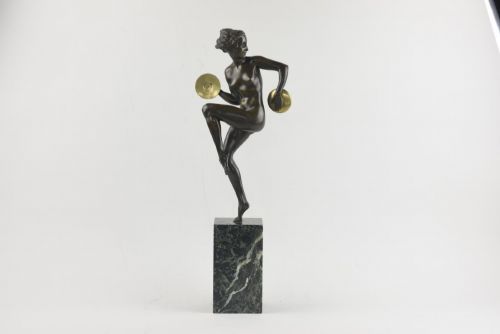
When you search for a marble base art deco statue, you find figures rooted in early twentieth century design, spanning the nineteen tens to the nineteen forties. These pieces capture dancers, animals, and athletes frozen in dynamic motion.
You meet various forms on this page, including solitary dancers, animal groups, and functional pieces like table lamps and bookends. The plinths anchor the figures securely, often contrasting veined stone with dark metal.
French studios dominate the selection, producing works that celebrate speed, grace, and modernism. The combination of heavy stone and detailed metalwork defines the visual weight of these items.
How they were made
Foundries utilised bronze, silvered bronze, gilt bronze, and spelter for the figures, casting them carefully before applying cold painted or patinated finishes. Artists combined these metals with carved marble or onyx to create substantial plinths.
Makers shaped the stone bases to complement the geometry of the sculptures, sometimes incorporating brass or ivory details. The casting methods ensured crisp lines on garments, feathers, and muscular forms.
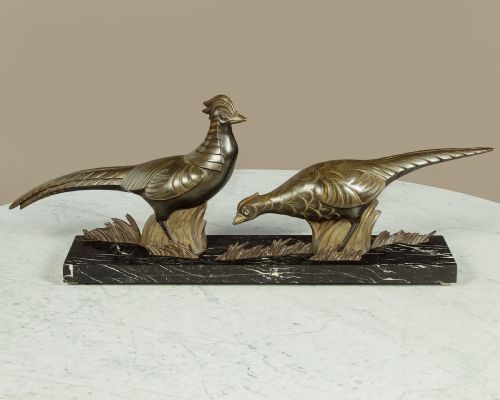
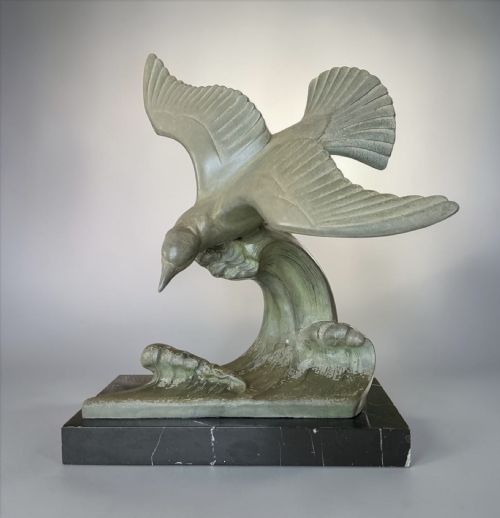
Watch out for bronze birds and hunting dogs capturing the era's obsession with swift movement and feathered companions.
What varies in quality
The precision of the casting distinguishes superior examples, showing sharp facial expressions, delicate fingers, and clean drapery without blurring. High grade pieces display careful chasing of the metal surface after it leaves the foundry.
The choice of stone also dictates worth, as richly veined marble or multi-coloured onyx plinths elevate the visual impact of the metal figure above standard black blocks.
Bruno Zach·Pierre le Faguays·Ferdinand Preiss·Demetre Chiparus·Claire Jeanne Roberte Colinet
The Marble Base Art Deco Statue Glossary
- Spelter
- A zinc alloy commonly utilised as a less expensive alternative to bronze during the period. It accepts patination well to imitate heavier metals.
- Cold painted
- A technique where paint is applied to a metal sculpture without firing. This finish requires gentle handling to preserve the original pigment.
- Patinated metal
- Metal treated with chemicals to produce a deliberate surface colour or aged finish. It protects the material while enhancing depth in sculptural details.
- Onyx
- A banded variety of chalcedony frequently used for statue bases. Its translucent quality sets it apart from opaque marbles.
Marble Base Art Deco Statue: Frequently Asked Questions
What materials make up these statues?
The sculptures combine metal figures with stone plinths.
Foundries used bronze, silvered bronze, gilt bronze, and spelter for the upper figures, while bases relied on marble and onyx.
How do I clean marble and bronze?
Dust the surfaces gently with a soft dry cloth.
Avoid chemical cleaners and water, as moisture strips cold painted finishes and damages porous stone.
Why are some figures made of spelter?
Spelter served as an affordable alternative to bronze.
Foundries utilised this zinc alloy to produce accessible decorative figures for households during the period.
How do I distinguish bronze from spelter?
Bronze feels heavier and shows a warmer tone beneath worn patina.
Spelter is lighter, softer, and often reveals a greyish metal underneath if the surface chips.