



Mappin Webb Clock
These mappin webb clock pieces combine precision horology with fine cabinetwork, offering the collector a tangible piece of historic craftsmanship.
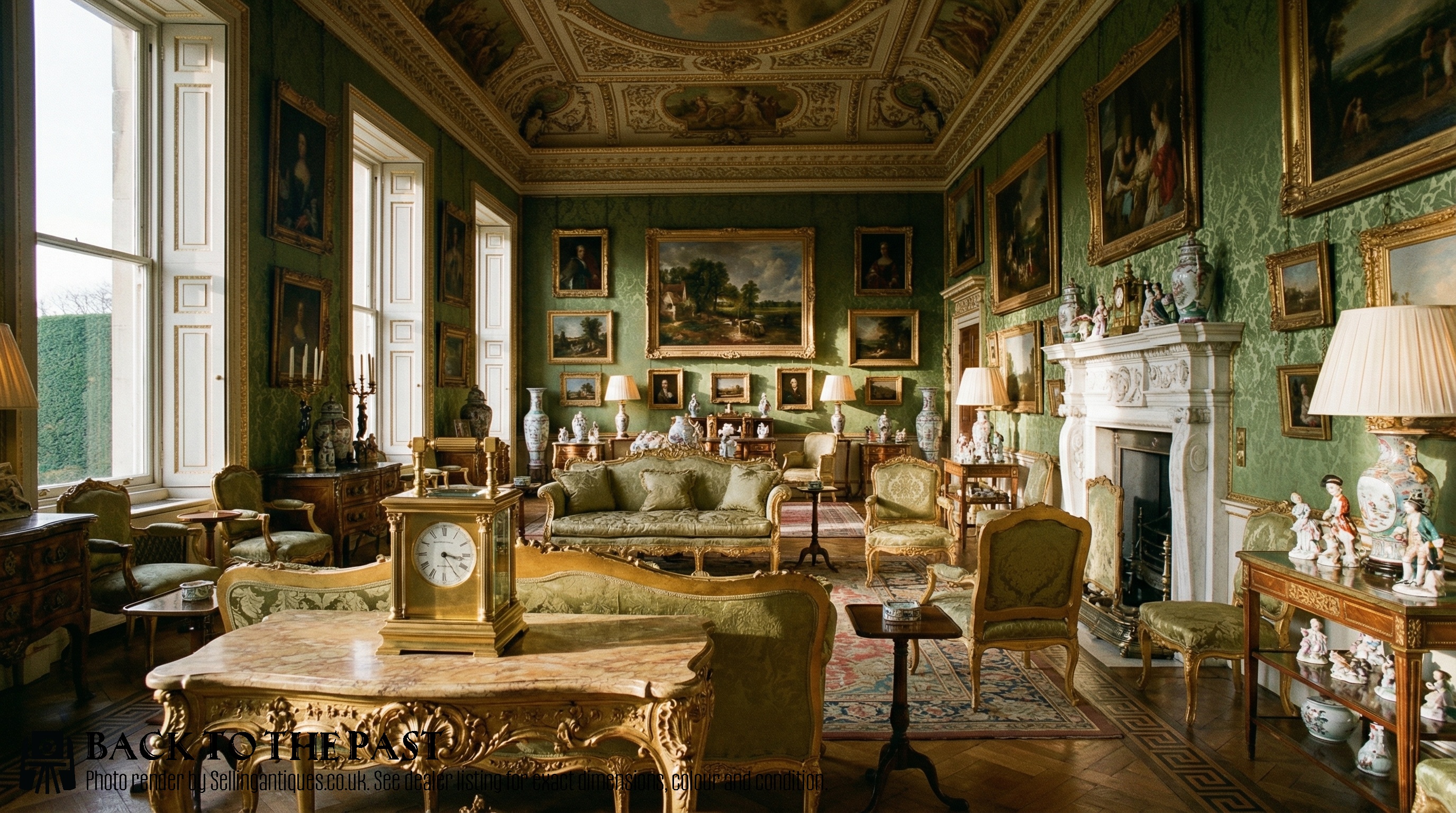
What They Are
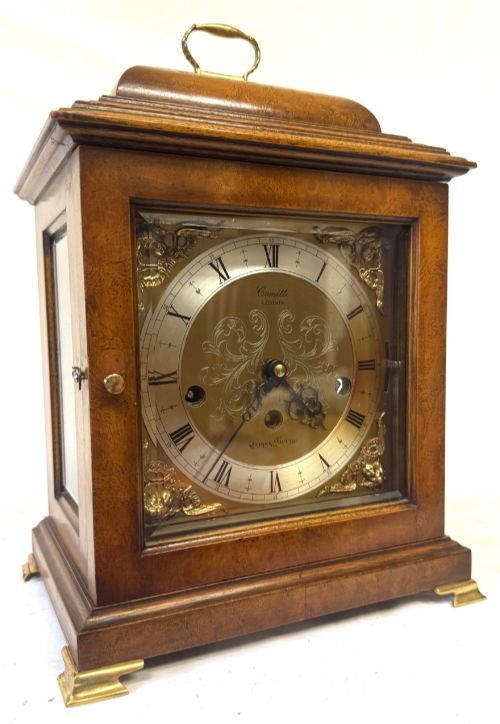
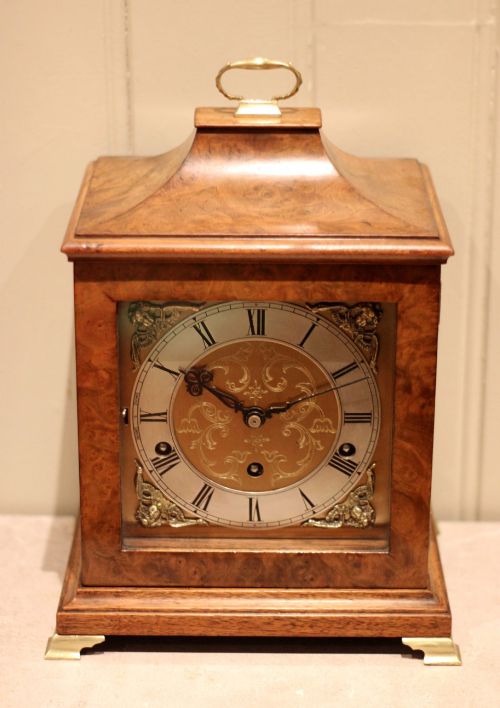
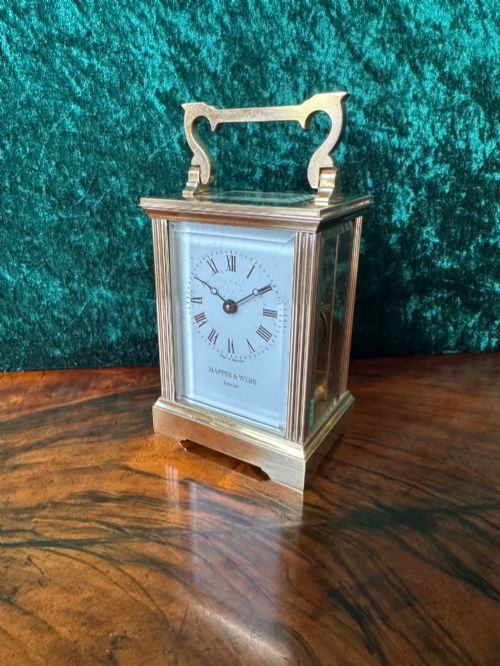
A mappin webb clock encompasses a varied selection of timepieces, from brass carriage clocks and oak longcase clocks to mahogany mantel pieces. Buyers frequently encounter Edwardian mantel clocks alongside late nineteenth century carriage clocks housed in glass and brass.
The assortment bridges traditional domestic horology and refined travel timepieces, reflecting styles that range from Victorian classical revival and Art Deco to French Belle Epoque. Longcase and bracket clocks sit alongside compact travel pieces, demonstrating the breadth of the firm's retail output across several decades.

How They Were Made
Cabinetmakers utilised woods such as oak, mahogany, walnut, fruitwood and satinwood, frequently adding intricate inlay work to mantel and bracket cases. Metalworkers formed cases from brass, chrome-plated metal and silver, often pairing them with bevelled glass panels to reveal the movement within.
Dials incorporated painted enamel numerals, while movements ranged from standard eight-day mechanisms to striking and repeating carriage clock calibres. Certain pieces combined traditional timber construction with specialised metal casting and glass bevelling techniques.
Retail Price Guide 2026
Typical UK retail prices for mappin webb clock, calculated from the Sellingantiques database of over a million retail prices indexed since 2003. This retail price guide relies exclusively on Sellingantiques data; no external sources or auction records are used, so the figures do not describe the wider market.
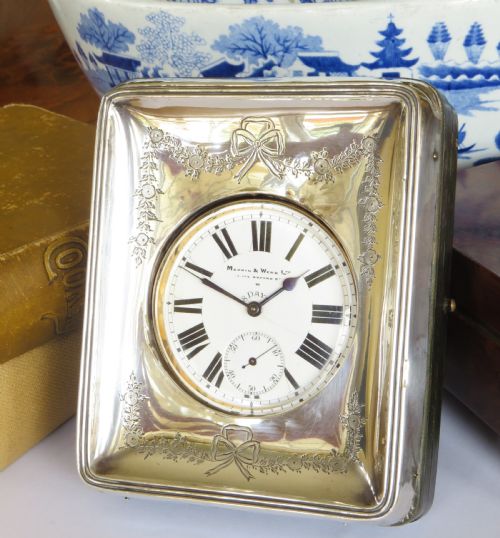
Some travel clocks crossed continents in fitted leather cases, accumulating silent stories inside their heavy brass frames.
What Varies in Quality
The refinement of the case timber and the crispness of brass or silver casting separate standard examples from finer works. Superior specimens display meticulous wood selection, such as burr walnut or figured mahogany, alongside fully engraved or repeater movements.
Mappin and Webb·L Epee
The Mappin Webb Clock Glossary
- Carriage clock
- A portable spring-driven timepiece designed for travel, typically featuring a brass frame inset with bevelled glass panels. These clocks often possess an integrated swing handle on top.
- Bracket clock
- A portable table clock historically placed on a wall bracket or shelf, usually housed in a wooden case with decorative architectural details. Examples frequently utilise mahogany or oak.
- Longcase clock
- A tall pendulum clock enclosed in a wooden case resting on the floor, commonly referred to as a grandfather or grandmother clock. These pieces often feature oak or mahogany construction.
- Repeater
- A mechanical complication in a clock that chimes the hours and quarters upon demand when a lever or button is pressed. This feature is frequently found in high-grade carriage clocks.
Frequently Asked Questions
How do I wind a carriage clock?
Most carriage clocks utilise a key inserted into winding squares on the underside or back plate. Turn the key gently until resistance is felt, taking care not to overwind the mainspring.
Ensure the clock is placed on a stable, level surface before setting the time via the hands. Moving the hands backwards should generally be avoided unless specified by the movement design.
What is an eight day clock?
An eight day clock requires winding approximately once a week, utilising a mainspring that stores sufficient power for this duration. This mechanism freed owners from daily winding routines.
Such movements appear frequently in both brass carriage clocks and wooden mantel timepieces from the Edwardian era onwards.
How do I date an Edwardian clock?
Edwardian timepieces date from the reign of King Edward VII, spanning the years from 1901 to 1910. Dating relies on stylistic cues, hallmarks on silver components, and maker signatures.
Mahogany inlaid cases and specific dial layouts typical of this period help differentiate these clocks from earlier Victorian or later Art Deco productions.
Where were these clocks placed?
Mantel and bracket clocks sat prominently on drawing room chimney pieces or library shelves as both decorative ornaments and practical instruments. Smaller carriage clocks served as portable timekeepers for travel or bedroom use.
Longcase clocks stood in hallways or principal rooms, providing an authoritative timekeeping presence for the household.