

Male Portrait Painting Canvas
When choosing a male portrait painting canvas, you secure a window into historical identity preserved through centuries of artistic tradition.
Male Portrait Painting Canvas
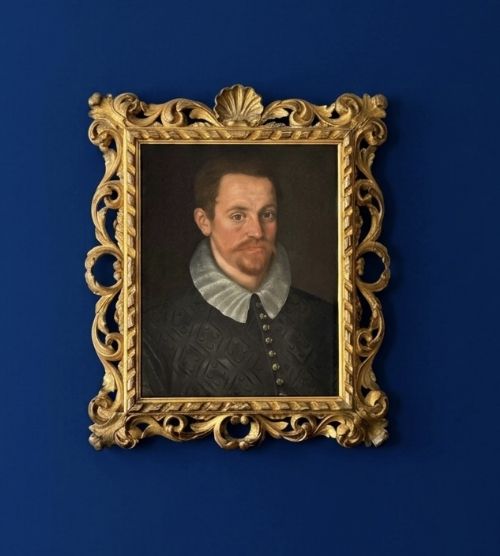
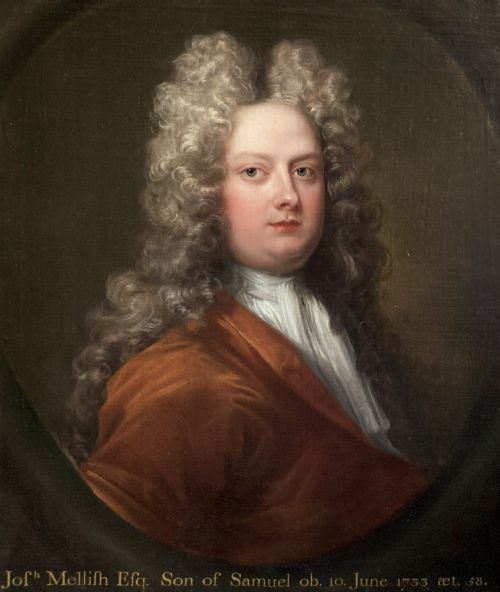
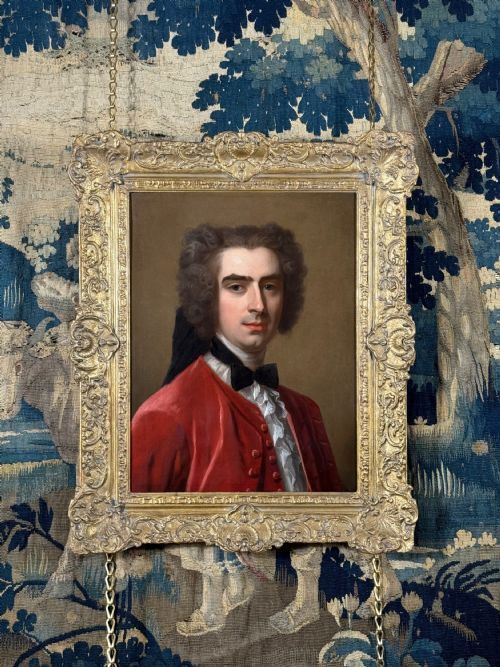
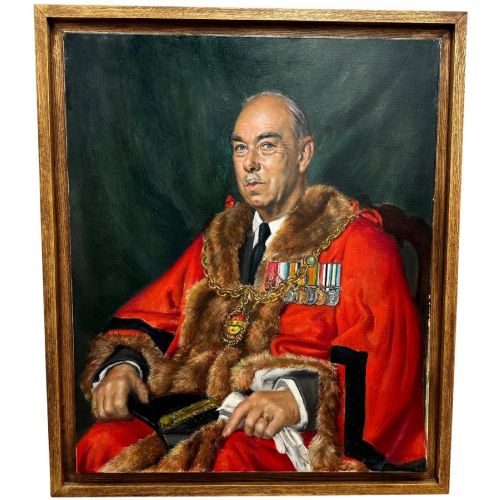
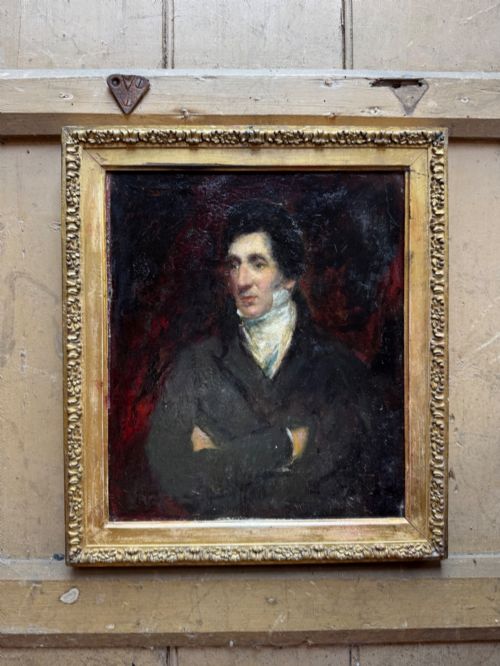
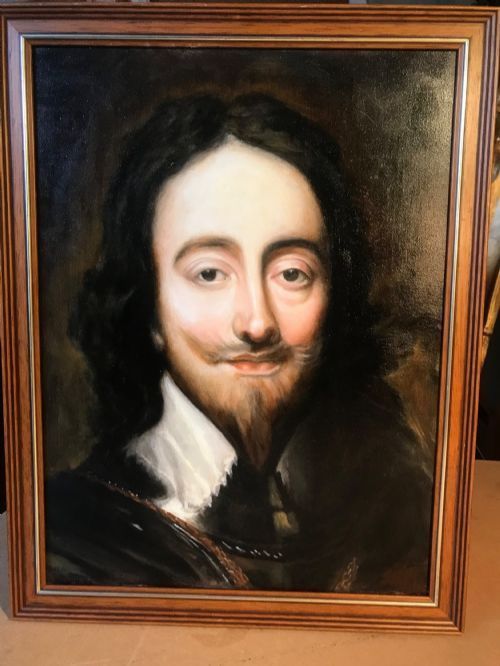
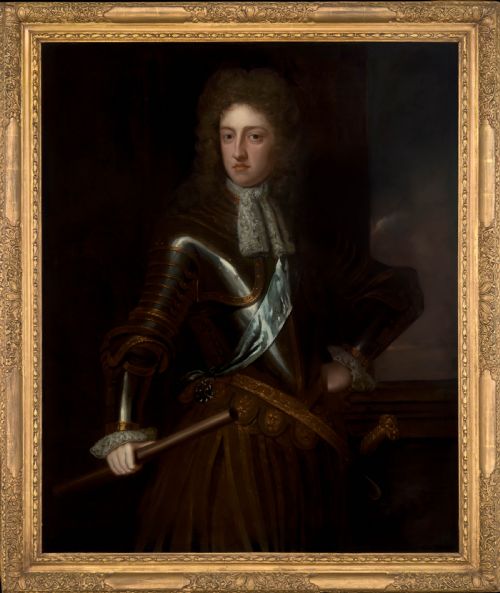
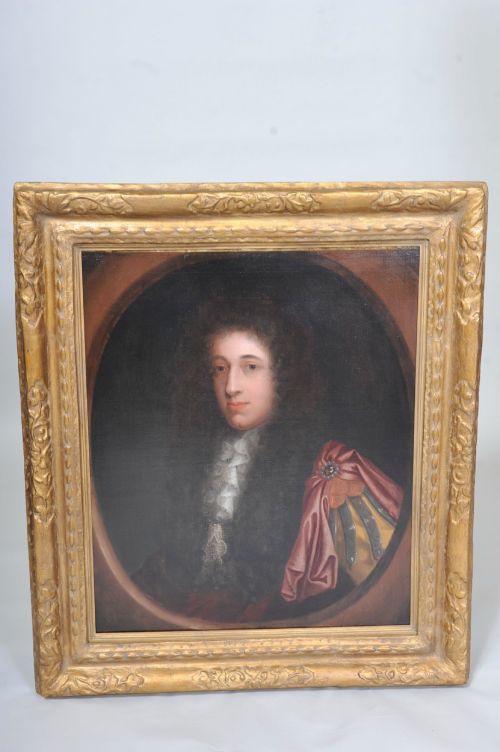
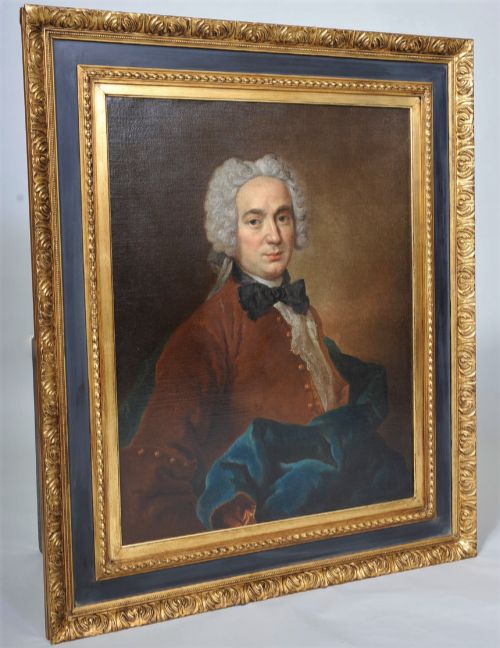
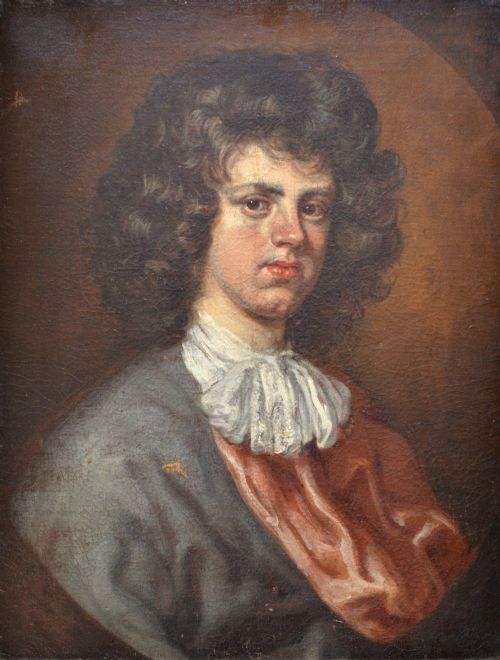
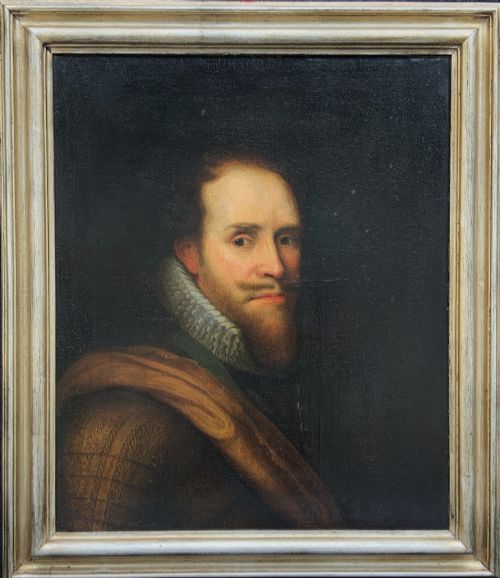
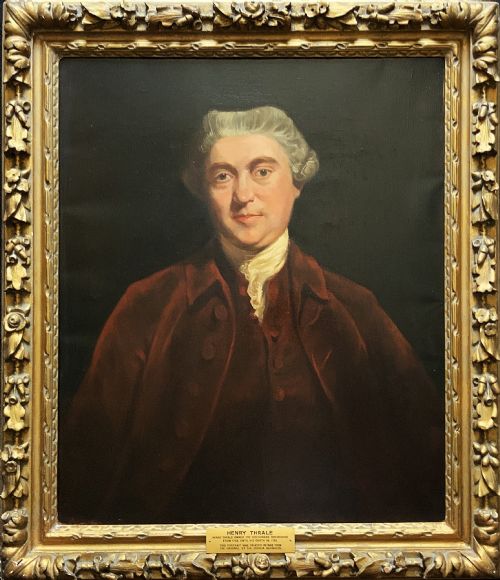
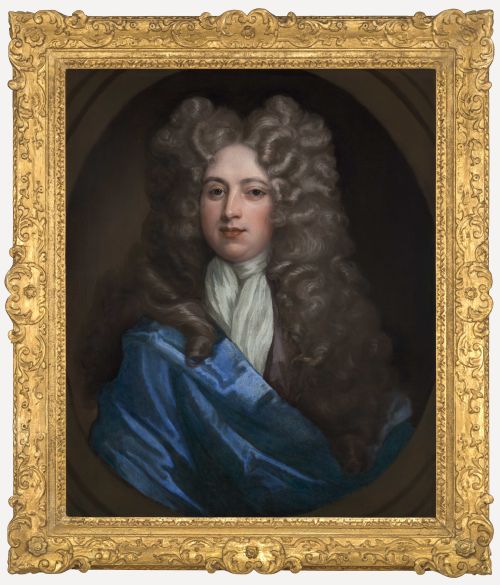
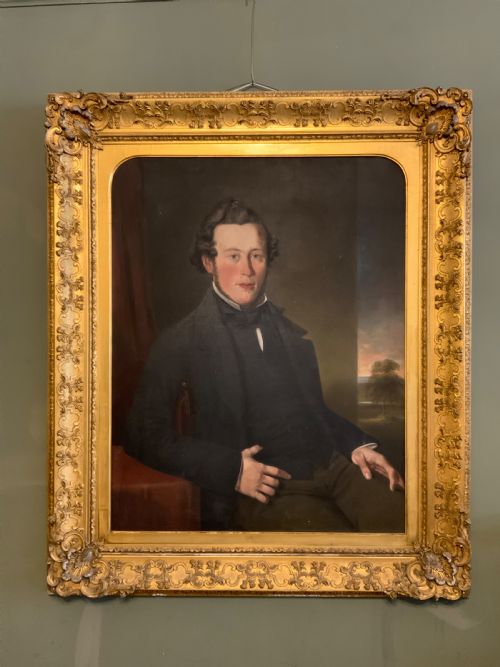
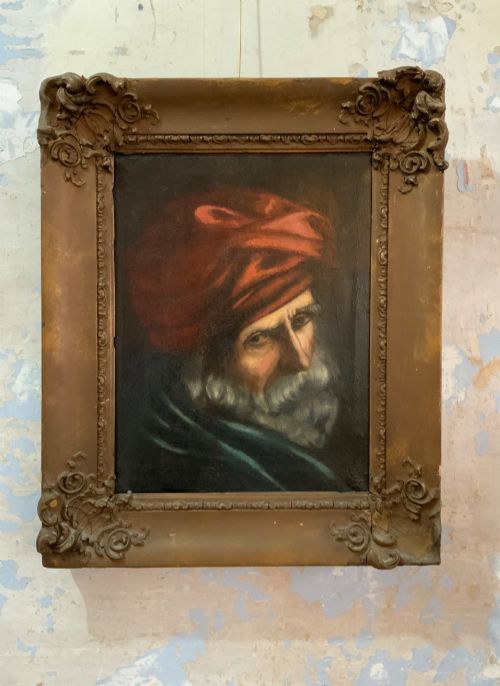
A male portrait painting canvas captures the likeness of gentlemen, officers, scholars and nobility across periods spanning the seventeenth century through to the mid-twentieth century.
The selections encountered here range from seventeenth-century Dutch and British works and eighteenth-century Georgian portrayals to nineteenth-century realist studies and twentieth-century interpretations.
These pieces function simultaneously as fine art wall decoration and historical records, documenting shifting fashions in periwigs, doublets, scarlet jackets and military uniforms.
Materials and Techniques
Artists painted primarily using oil paint applied to woven canvas supports, sometimes stretched over wooden frames or incorporating gold leaf detailing.
Many historical examples were subsequently housed within decorative giltwood frames that complement the depth and richness of the oil pigments.
Listings span multiple centuries from the seventeen hundreds through to nineteen sixty, utilising oil paint on canvas and wood supports.
Factors That Distinguish Quality
The distinction between standard works and masterworks lies in the precision of facial rendering, the psychological depth conveyed in the sitter's expression and the confident handling of fabric folds and light.
Works originating directly from the studio of an established master or produced within prominent contemporary schools demonstrate superior draughtsmanship compared to later derivations or routine regional copies.
Charles Jervas·Jean Baptiste Van Loo·Sir Godfrey Kneller·Thomas Murray·Sir Joshua Reynolds·John Closterman·Allan Ramsay·Sir Peter Lely·Bernard Hailstone
The Male Portrait Painting Canvas Glossary
- Oil on Canvas
- Pigments bound in a drying oil medium applied to a woven fabric support. This combination allowed artists to achieve subtle tonal gradations and rich textures.
- Giltwood
- Timber carved and surfaced with a thin layer of gold leaf. Frames executed in this material frequently accompany formal portraiture from the seventeenth and eighteenth centuries.
- Old Master
- A term denoting a European artist of high skill working before about eighteen hundred. These paintings often exhibit sophisticated handling of chiaroscuro and portrait anatomy.
- Periwig
- A voluminous artificial hairstyle popular among men during the late seventeenth and early eighteenth centuries. Its presence helps date portraiture within specific decades.
Male Portrait Painting Canvas: Frequently Asked Questions
How do I date a male portrait?
Dating relies heavily on the style of clothing, such as doublets, ruffs, periwigs or military uniforms, alongside the canvas preparation and stretcher construction. Pigment analysis and framing styles also provide corroborating evidence.
Comparing the technique to known works by specific schools or portrait studios narrows the period of creation further.
What is a studio piece?
A studio piece is a painting produced by assistants or pupils working under the direct supervision of a master artist. These works often replicated popular compositions or assisted with large portrait commissions.
Such paintings maintain high technical standards while reflecting the compositional formulas of the primary master.
How should I display oil portraits?
Oil portraits on canvas require stable environmental conditions away from direct sunlight and excessive humidity fluctuations. Proper wall mounting ensures the canvas remains correctly tensioned on its original or lined wooden stretcher.
Matching the painting with a period-appropriate giltwood frame enhances both the visual impact and the historical context of the artwork.
Are these paintings restored?
Many historical canvases undergo conservation treatments such as relining, surface cleaning or retouching of minor pigment loss over their long lifespans. Professional restoration stabilises the fabric and varnish layers to preserve the integrity of the original paint.
Documentation of past conservation helps maintain transparency regarding the physical condition of the artwork.