

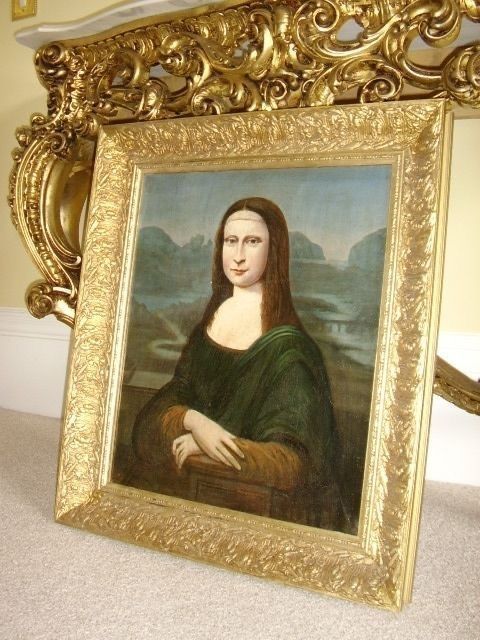
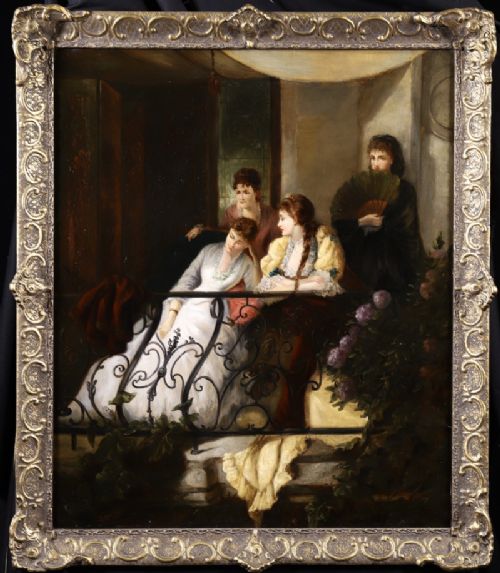
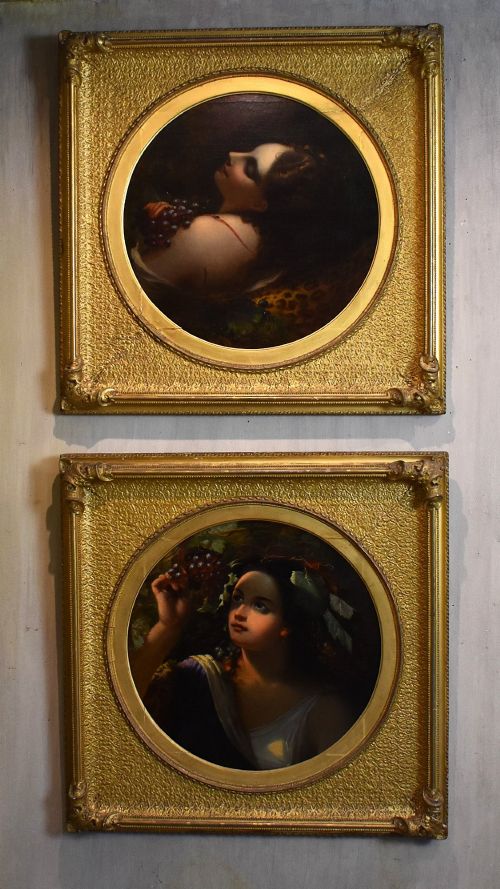




Decorative Framed Oil Portrait
These decorative framed oil portrait pieces offer character and presence, bringing centuries of painted subjects into your interior.
Decorative Framed Oil Portrait
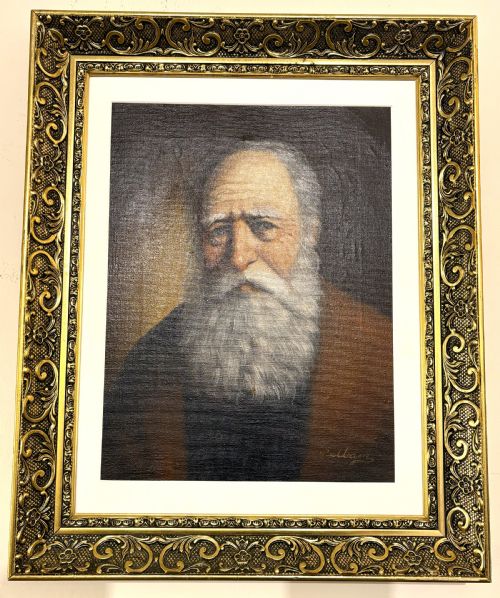
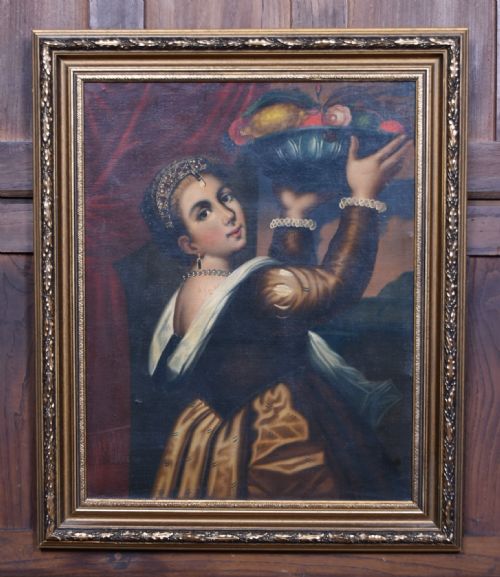
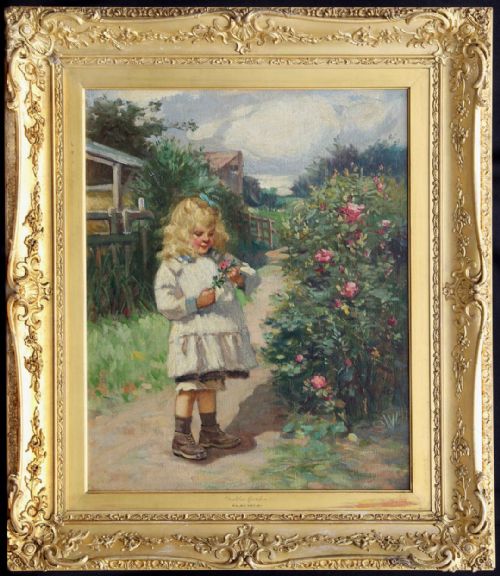
A decorative framed oil portrait represents a painted likeness executed in oil on canvas or board, housed within a period frame of wood, gesso, or gilded moulding. You will encounter works spanning from the seventeenth century through to the mid-twentieth century, encompassing both British and European schools.
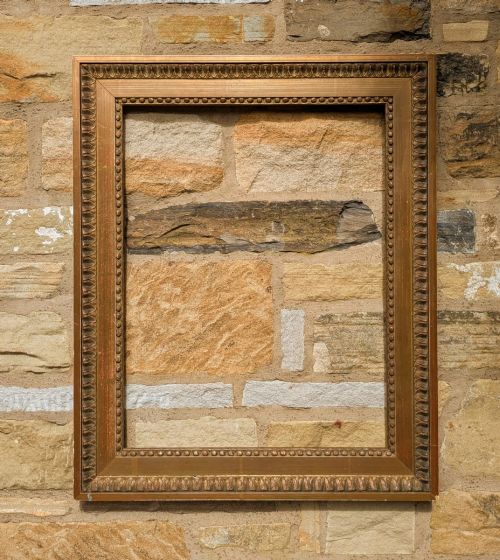
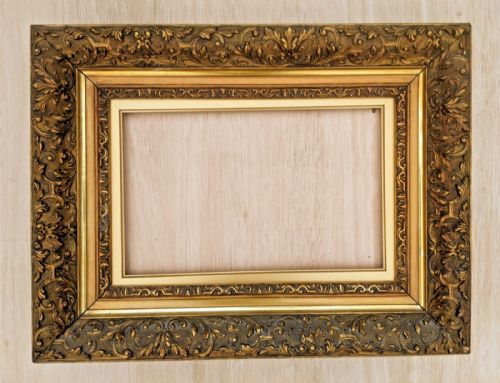
The selection ranges from anonymous regional studies and classical copies after earlier masters to signed works by named artists such as Theodore Jensen, John Gilroy, and Ralph Hedley. Frames vary considerably, featuring mouldings like egg and dart alongside heavy Victorian giltwood constructions.
How they were made
Makers applied oil paint to canvas supports, occasionally laid on to board, building up the composition through layered pigments to capture the sitter. Frames were constructed from wood and finished with carved gesso or applied gilding to create ornate gilded wood and giltwood surrounds.
Framing techniques incorporated decorative elements such as beaded moulding and egg and dart patterns, designed to complement the period aesthetic of the central canvas.
Decorative Framed Oil Portrait Retail Price Guide 2026
Typical asking prices for decorative framed oil portrait among the pieces listed under this phrase on Sellingantiques today, from the lower quarter to the upper quarter. They describe what is for sale here now, not the wider market.
The listings span multiple centuries, incorporating seventeenth-century Italian works alongside mid-twentieth-century British pieces.
What varies in quality
Quality rests upon the skill of the brushwork and the anatomical proportion of the painted subject, distinguishing accomplished portraiture from simpler provincial output. The integrity and preservation of the original gilt frame, including the crispness of the gesso moulding, also determine the standing of the piece.
Theodore Jensen·John Gilroy·Ralph Hedley·Raymond Arthur Roadnight·William Wissing
The Decorative Framed Oil Portrait Glossary
- Oil on Canvas
- Pigment mixed with drying oil applied to a woven fabric support stretched over a wooden frame. This medium allowed artists to achieve depth of colour and subtle tonal gradation.
- Giltwood
- Wood carved and covered with a thin layer of gold leaf or metal gilt. It provides a reflective, ornate border typical of finer antique frames.
- Gesso
- A plaster-like mixture applied to wood frames as a base for gilding or painting. It can be moulded into decorative relief patterns.
- European School
- A term used to categorise continental works where the specific nationality or individual hand of the artist remains unrecorded. These pieces reflect regional academic traditions.
Decorative Framed Oil Portrait: Frequently Asked Questions
How do I date a decorative framed oil portrait?
Dating relies upon stylistic clues within the sitter's costume, the construction methods of the canvas support, and the characteristics of the surrounding frame. Examining the stretcher bars and backing materials often reveals the age of the overall assembly.
Comparing the painting technique to established periods such as the Victorian era or the eighteenth century helps narrow down the timeframe.
Are these portraits always signed by the artist?
Many historical portraits remain unsigned, particularly those originating from regional European schools or anonymous studio practices. Signatures, when present, may appear in the corners of the canvas or on the reverse.
The absence of a signature does not diminish the age or decorative quality of the painting.
How should I care for a giltwood frame?
Giltwood frames require gentle dusting with a soft, dry brush to prevent the accumulation of dirt on the delicate gesso and leaf surface. Avoid using liquid cleaners or abrasive cloths, which can strip away the historical gilding.
Keep the frame away from direct sources of heat and moisture to prevent the wood from warping.
Can I hang an oil portrait in direct sunlight?
Direct sunlight causes oil pigments to fade and can accelerate the degradation of both the canvas and the wooden frame. Position your artwork on an interior wall away from harsh, sustained light sources.
Stable room temperatures help preserve the canvas tension and prevent cracking in the paint layer.