




Majolica Decorative Plate
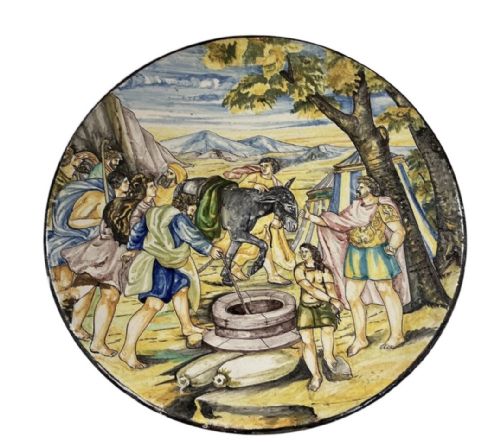
These majolica decorative plate pieces bring rich colours and historic scenes into a room, offering a tangible link to centuries of tin-glazed ceramic artistry.
Majolica Decorative Plate
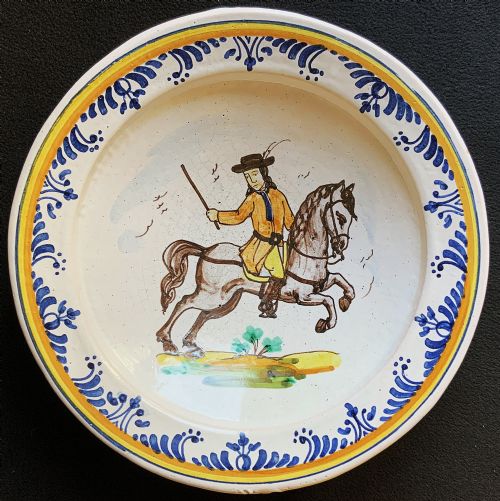
When searching for a majolica decorative plate, a buyer encounters a diverse group of tin-glazed earthenware and ceramic objects that span several centuries. The selection ranges from early Dutch Baroque and 17th-century pieces to 18th-century Spanish items and 19th-century revivals.
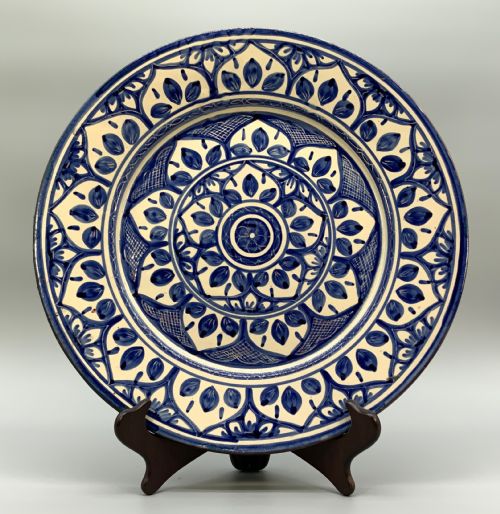
The most common forms on this page are large wall chargers, charger plates, and decorative platters. These pieces often feature historic scenes, classical motifs, birds, sunflowers, or orchard patterns.
Origins vary across continental Europe, with examples originating from Italy, Spain, Portugal, Austria, France, and England. Styles draw heavily upon Renaissance Revival, Moorish Revival, and Italian maiolica traditions.
How they were made
Makers shaped these items from earthenware and ceramic bodies, applying an opaque tin glaze that provided a smooth white surface for painting. Artisans then used coloured pigments to hand-paint intricate designs directly onto the unfired glaze.
Firing techniques fused the pigments into the opaque tin glaze, creating vibrant polychrome surfaces that retained their depth over centuries. Potters at specific centres, such as Bassano, utilised distinct regional methods to shape large chargers and plates.
Majolica Decorative Plate Retail Price Guide 2026
Typical asking prices for majolica decorative plate among the pieces listed under this phrase on Sellingantiques today, from the lower quarter to the upper quarter. They describe what is for sale here now, not the wider market.
Listings feature earthenware materials spanning the seventeenth through the twentieth centuries, alongside distinct regional styles from Italy, Spain, and Portugal.
What varies in quality
The refinement of the hand-painted brushwork distinguishes standard items from exceptional examples, particularly in complex historical scenes and figural istoriato compositions. Detail in the depiction of birds, flowers, and classical figures shows the skill level of the original workshop.
The depth and brilliance of the polychrome pigments, combined with the evenness of the tin glaze over the earthenware body, indicate the technical mastery behind the piece. The scale and weight of large chargers also affect the presence of the object.
Bassano pottery works·Jose Alvez Cunah
The Majolica Decorative Plate Glossary
- Tin-Glazed Earthenware
- Pottery covered with a lead glaze made opaque by the addition of tin oxide. This white surface served as the canvas for painted decoration.
- Charger
- A large decorative plate or platter. These substantial vessels were often hung on walls or displayed on buffets rather than used for dining.
- Istoriato
- A style of majolica decoration featuring narrative scenes from classical mythology, history, or the Bible. The imagery covers the entire surface of the plate.
- Polychrome
- Decorated in multiple colours. Artisans applied various mineral pigments to create rich, multi-coloured pictorial surfaces.
- Maiolica
- The Italian variant of tin-glazed earthenware. The term encompasses both traditional Italian wares and later revival styles inspired by them.
Majolica Decorative Plate: Frequently Asked Questions
How were majolica plates used?
Large chargers and decorative plates served primarily as display items on walls, sideboards, and formal tables. Their vibrant pictorial surfaces were designed to showcase wealth and artistic taste.
Some smaller dishes fulfilled specific functions, such as serving cheese, while larger chargers remained ornamental centrepieces in grand interiors.
How do I hang a wall charger safely?
Displaying a heavy earthenware charger requires a specialised wall mounting bracket designed to distribute the weight evenly across the rim and base. Professional framing or dedicated spring-loaded plate hangers offer secure support.
Avoid relying on simple wire adhesive discs attached to the back of historic ceramics, as the glaze and earthenware body can bear stress unevenly.
How do I tell an 19th-century revival piece from an earlier one?
Nineteenth-century revival pieces often exhibit brighter, more uniform pigment application and heavier earthenware bodies than their 17th-century or 18th-century counterparts. Examining the characteristics of the tin glaze and the style of the painted motifs helps reveal the period.
Pottery marks, where present, alongside stylistic cues from Renaissance Revival or Moorish Revival movements, provide further context for dating.
Can I use these plates for food?
Historic tin-glazed earthenware pieces are generally unsuited for daily dining due to the delicate nature of the glaze and potential composition of early pigments. Displaying them as decorative objects preserves the painted surface from wear.
Enjoying these items as wall art or table chargers keeps the ceramic glaze intact and protects the historic material.