


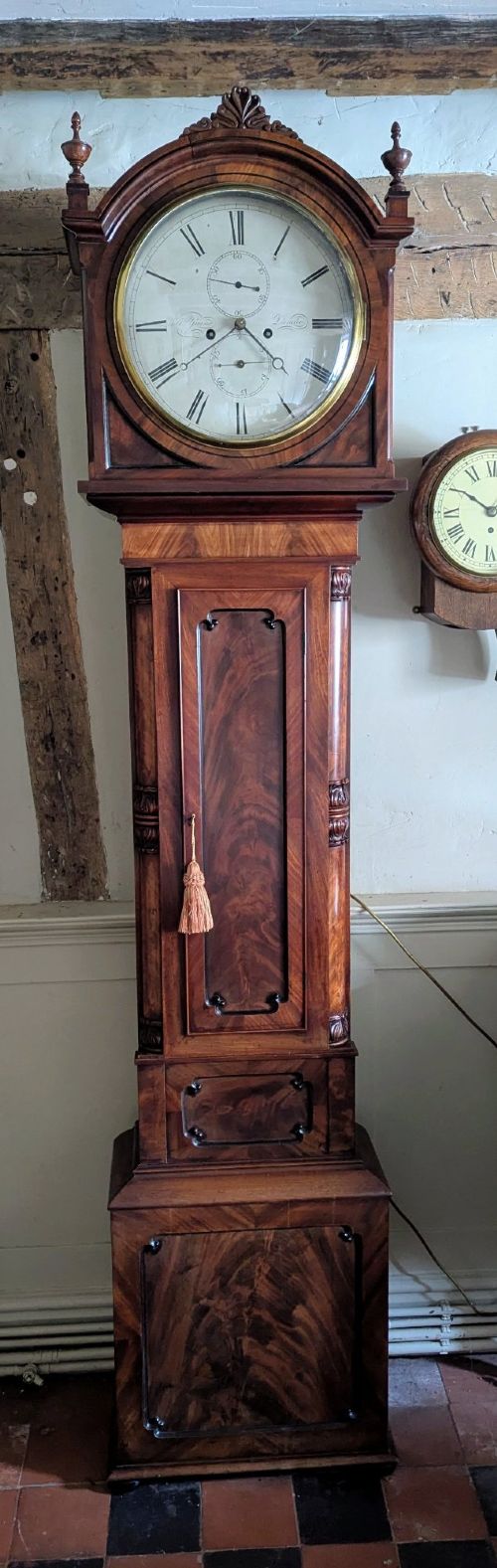
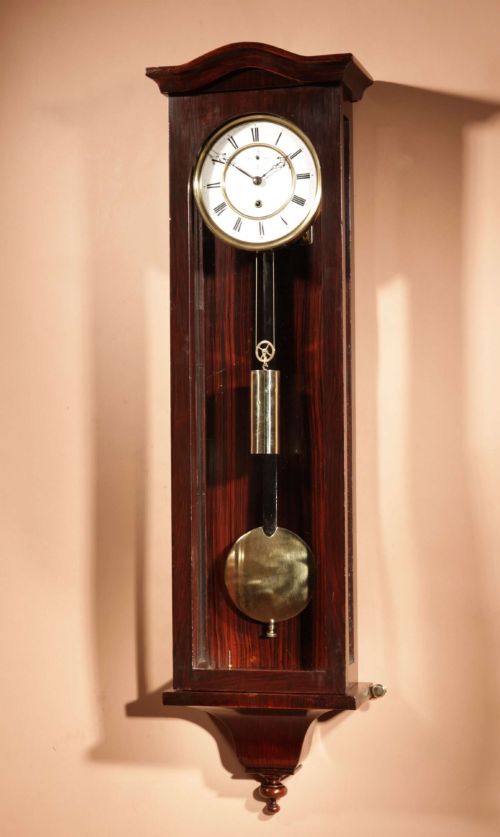
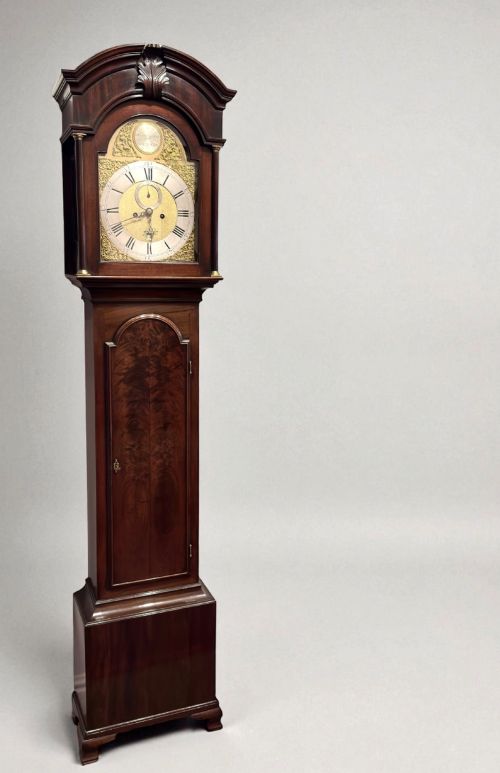
Mahogany Wood Clock
A mahogany wood clock brings warmth and precise mechanics into a room, spanning tall grandfather clocks to compact wall dials.
Mahogany Wood Clock
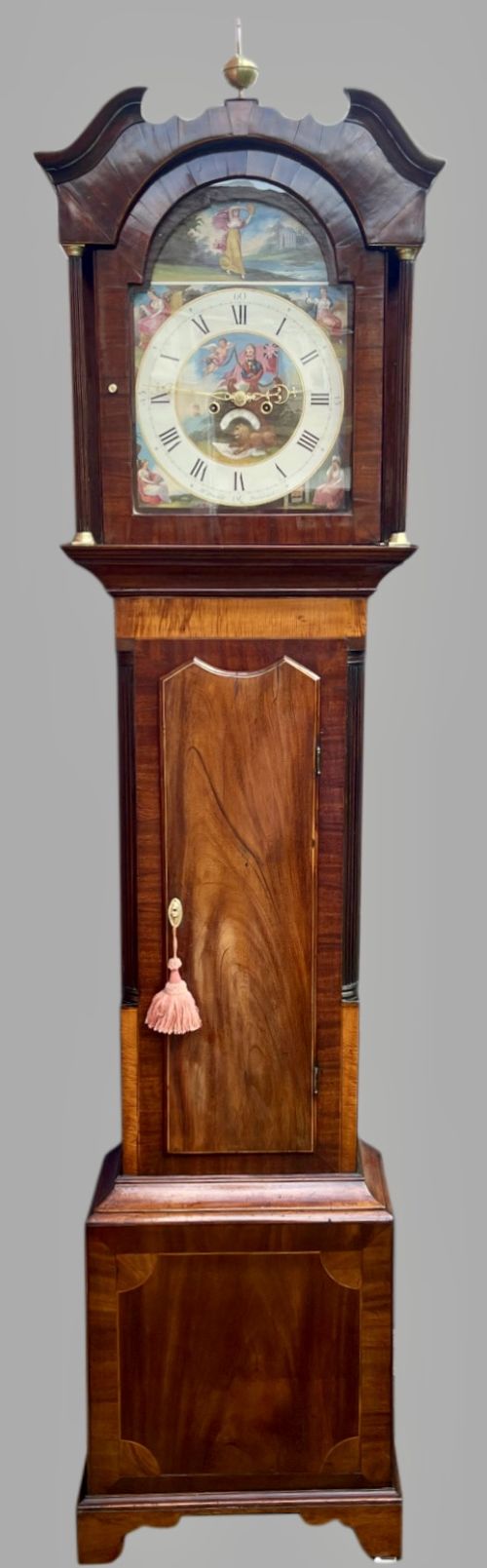
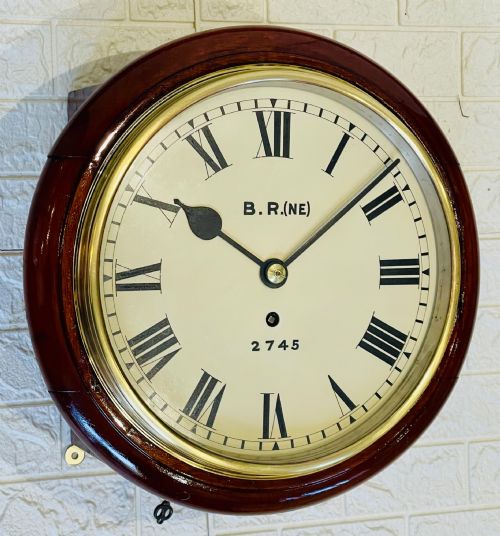
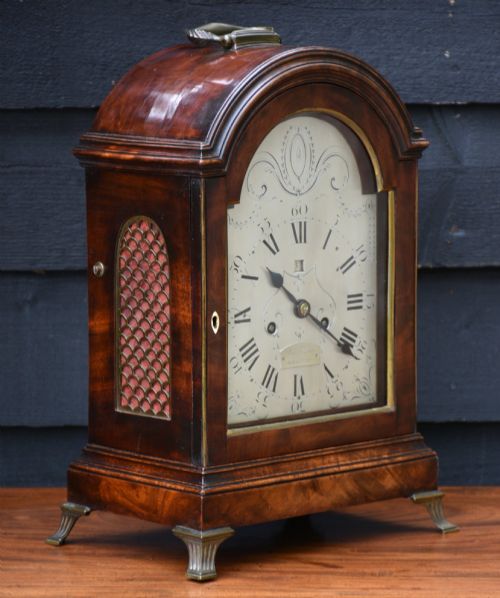
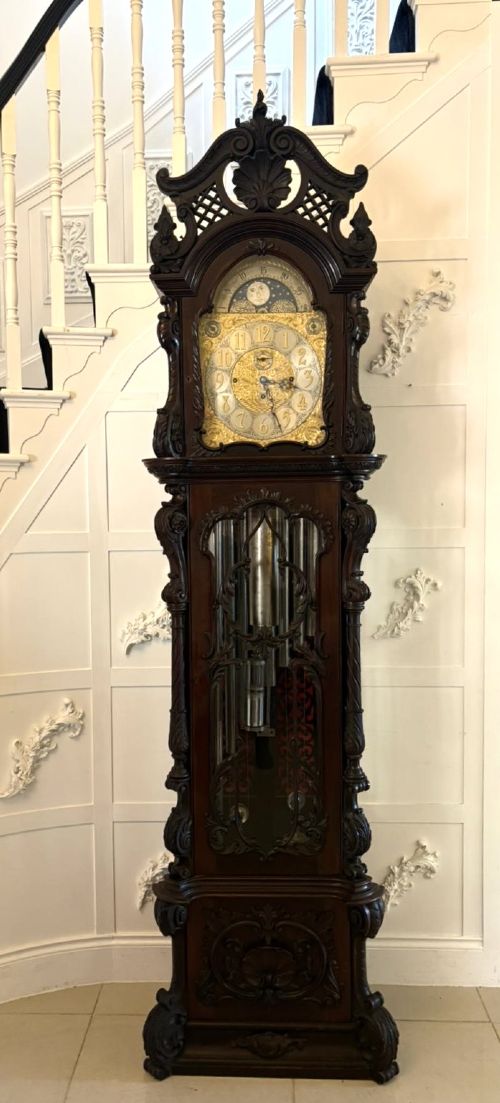
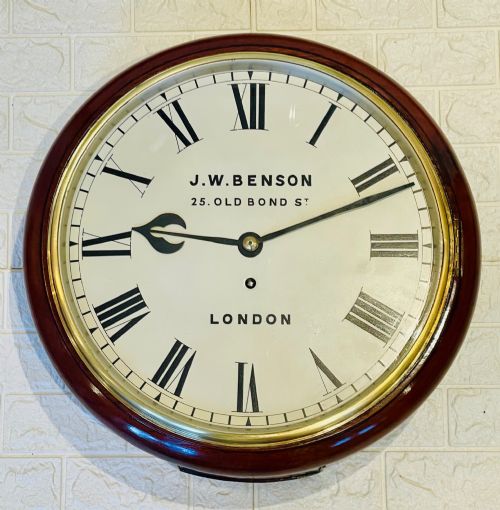
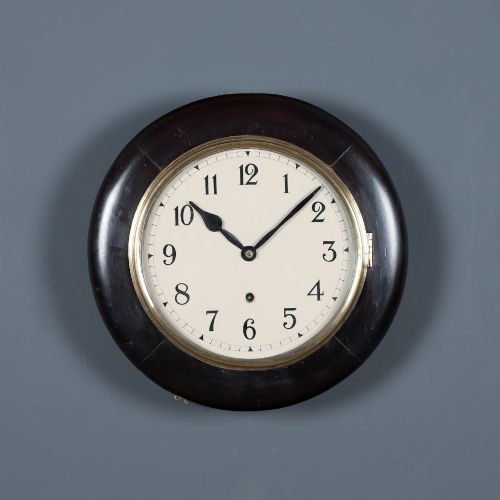
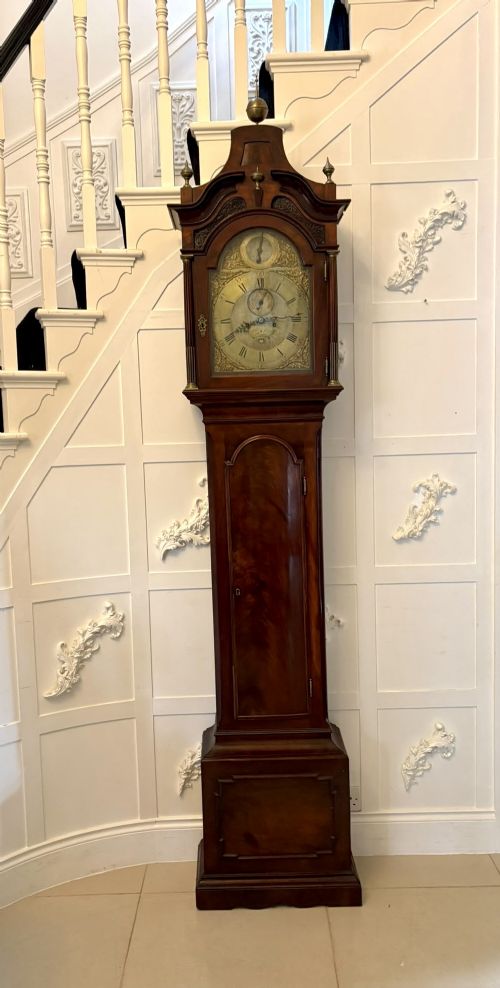
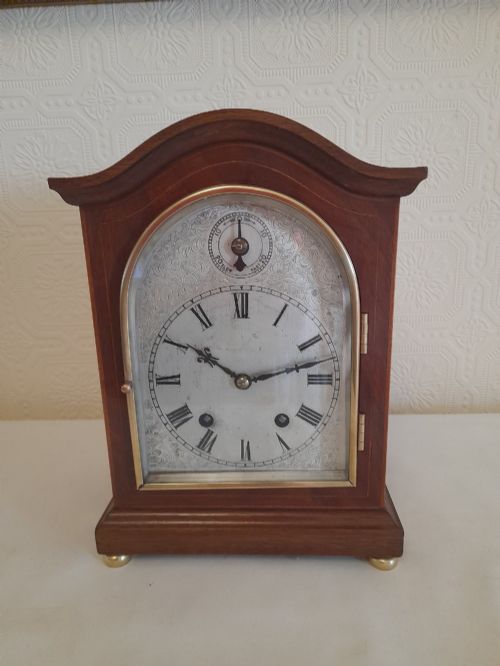
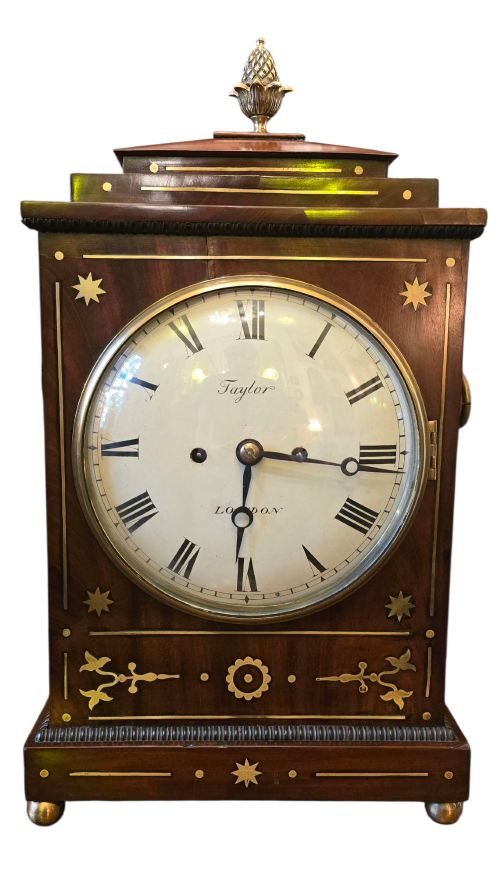
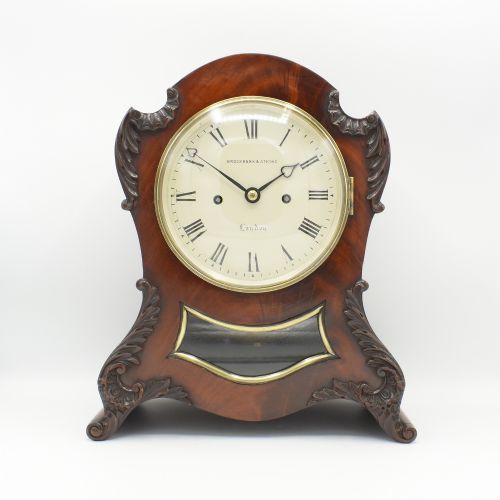
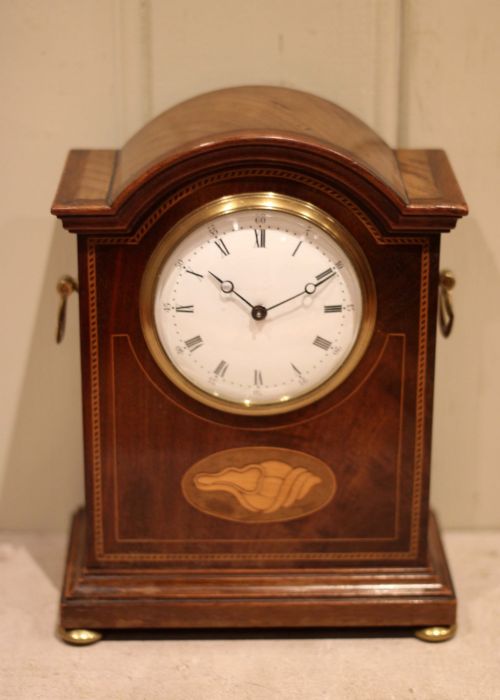
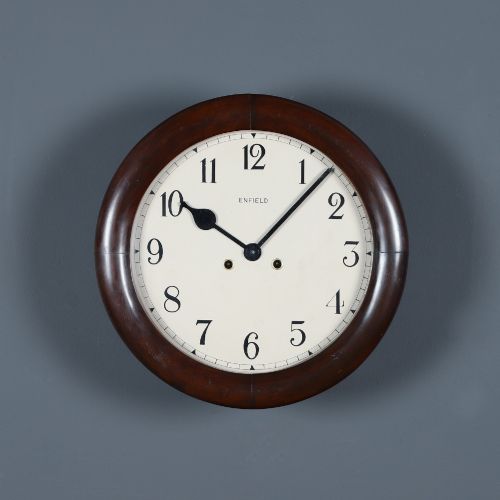
When you search for a mahogany wood clock, you encounter a diverse array of timepieces ranging from tall longcase clocks to wall dials and table brackets. These objects date across the Georgian, Regency, and Victorian periods, showcasing rich timber grain and traditional dial faces.
The pieces listed here most frequently take the form of longcase clocks and wall-mounted dial clocks. You also meet bracket clocks and smaller mantel pieces spanning the eighteenth to the early twentieth centuries.
How they were made
Maker workshops utilised solid mahogany and mahogany veneers over secondary timbers, housing brass clock movements driven by weights, springs, or fusee mechanisms. Dials incorporate painted metal, enamel, and brass bezels protected by curved glass.
Craftsmen shaped cases with architectural cornices, brass inlay, paterae details, and glazed viewing doors. Movements were built with iron, steel, and brass components designed to keep time over eight-day or thirty-hour durations.
Mahogany Wood Clock Retail Price Guide 2026
Typical asking prices for mahogany wood clock among the pieces listed under this phrase on Sellingantiques today, from the lower quarter to the upper quarter. They describe what is for sale here now, not the wider market.
Listings feature mahogany wood clock forms spanning the Georgian, Regency, Victorian, and Edwardian eras.
What varies in quality
Quality rests upon the crispness of the mahogany case carving, the complexity of the movement such as quarter striking or chiming mechanisms, and the integrity of the dial. Master clockmakers signed their brass dials and backplates, elevating the standing of the work.
The refinement of the timber selection and the sophistication of complications like moon phases or multiple trains distinguish standard domestic timepieces from exhibition quality productions.
Taylor of London·John Taylor London·James Field of Hempstead·Samuel Kellett of Bredbury·Henry Harris of Monythusloyn·Gillett and Johnston of Croydon·Brockbanks and Atkins
The Mahogany Wood Clock Glossary
- Fusee
- A conical pulley used in spring-driven clocks to maintain equal power as the mainspring unwinds.
- Longcase clock
- A tall pendulum clock housed in a wooden case standing directly on the floor, frequently termed a grandfather clock.
- Bracket clock
- A portable table or shelf clock originally designed to sit on a wall bracket.
- Dial clock
- A wall-mounted clock featuring a prominent circular face behind glass, often utilised in railway stations and schools.
- Quarter striking
- A movement mechanism that chimes the quarters of the hour on bells or gongs.
Mahogany Wood Clock: Frequently Asked Questions
What is a fusee movement?
A fusee movement uses a conical pulley connected to the mainspring by a cord or chain. This clever device ensures the driving force remains even as the spring loses tension.
Clocks with fusee movements generally deliver more reliable timekeeping across their running period.
How do I wind a longcase clock?
Longcase clocks are typically wound using a specialised winding key inserted into holes on the painted or brass dial face. Winding lifts the internal heavy weights back to the top of the case.
Careful handling ensures the gut lines or chains remain correctly seated on their pulleys during the process.
Where should I place a wall dial clock?
Wall dial clocks require a sturdy vertical surface capable of supporting their weight securely via the fixing bracket or case back. Rooms with stable temperatures help protect the mahogany timber and internal steel components.
Ensure the location allows easy access for routine winding and pendulum adjustment.
How do I tell a Georgian clock from a Victorian one?
Georgian clocks tend to exhibit restrained classical proportions, fine cabinetwork, and brass arched dials characteristic of the eighteenth century. Victorian examples often display heavier architectural styling, bolder mahogany grain, and industrial railway dial designs.
Examining the movement construction and case hardware helps confirm the period of manufacture.