





Mahogany Wine Sarcophagus
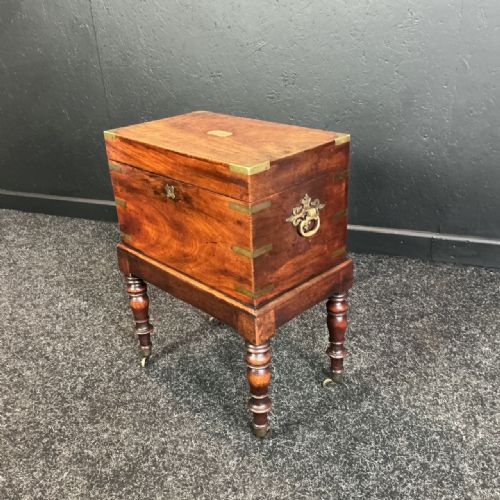
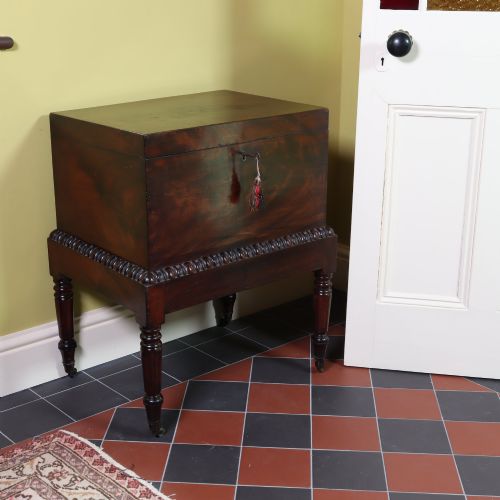
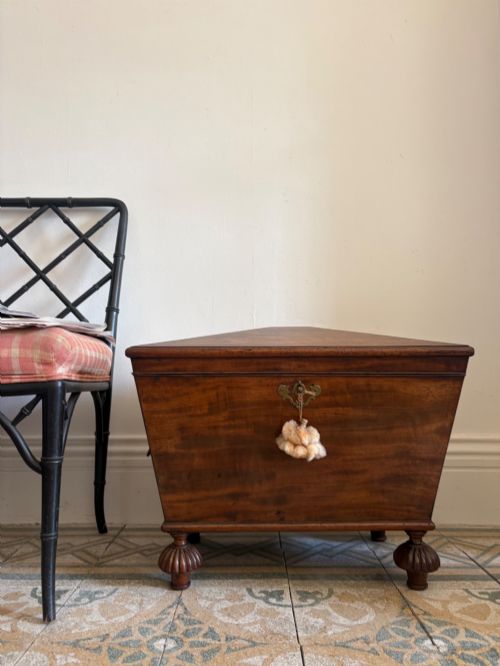
These mahogany wine sarcophagus pieces are classical storage forms designed to keep bottles cool, bringing architectural weight and rich timber tones to a room.

Mahogany Wine Sarcophagus
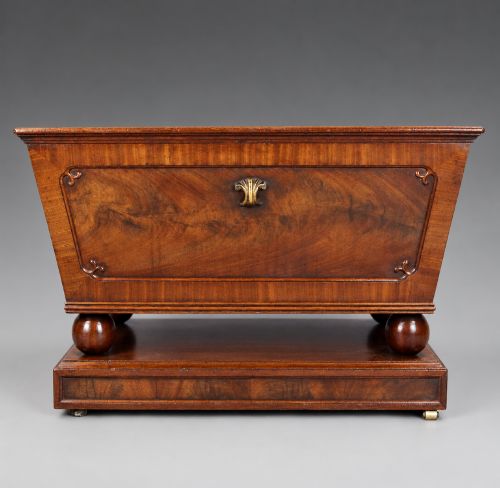
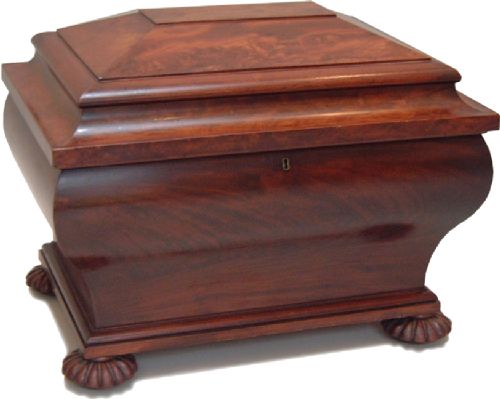
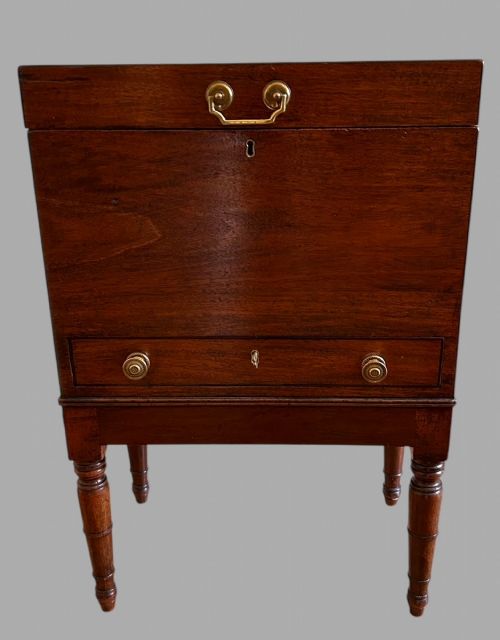
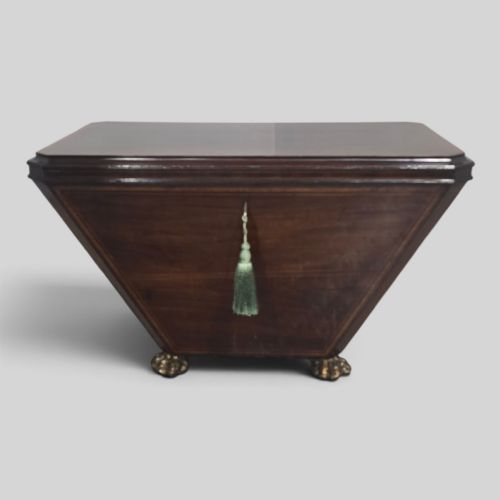
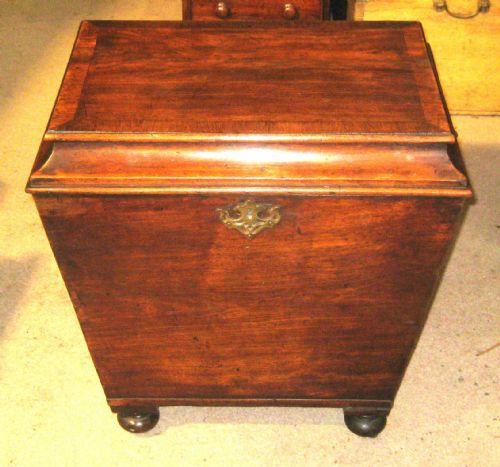
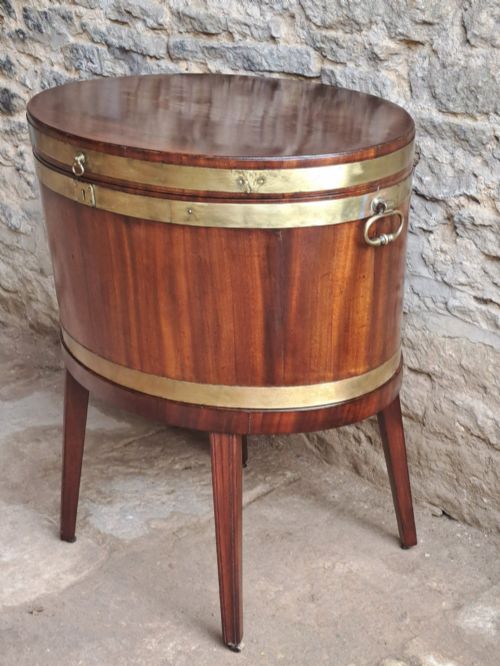
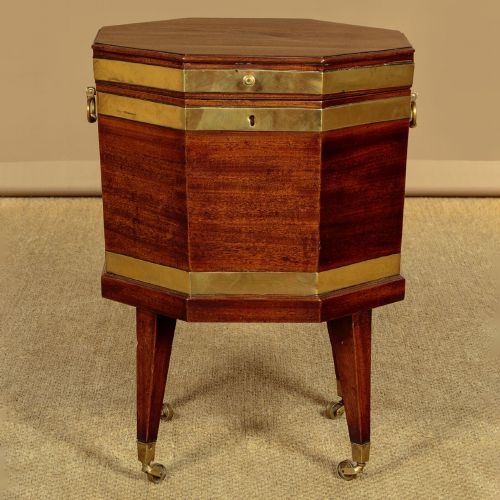
A mahogany wine sarcophagus takes the form of a classical chest, often called a cellarette or wine cooler in period records. These substantial vessels were built to hold wine bottles securely in the dining room during the eighteenth and nineteenth centuries.
The pieces seen here span periods from the mid-eighteenth century through the Georgian, Regency, William IV, and Edwardian eras. You are most likely to encounter Regency examples featuring classical proportions and deep timber figure.
Materials and construction
Cabinet makers utilised dense solid mahogany and figured veneers, frequently mounting the carcase on robust plinths or carved feet. Interior compartments were often lined to manage ice and bottles.
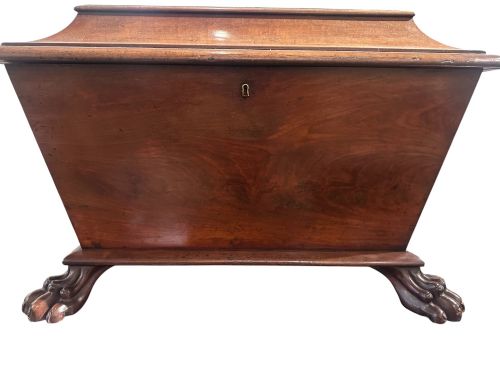
Detailing relied on contrasting timbers such as satinwood and boxwood inlay, alongside cast brass handles, paw feet, and applied carved decoration.
Mahogany Wine Sarcophagus Retail Price Guide 2026
Typical asking prices for mahogany wine sarcophagus among the pieces listed under this phrase on Sellingantiques today, from the lower quarter to the upper quarter. They describe what is for sale here now, not the wider market.
Listings feature mahogany as the primary timber, complemented by brass mounts and boxwood or satinwood inlay across Georgian and Regency periods.
Judging quality and proportion
Quality rests in the selection of the mahogany veneer and the crispness of any carved or inlaid detail. Superior examples display balanced classical proportions that command a room without heavy handling of the timber.
The interior fit-out and the quality of the original brass hardware further separate standard production from pieces attributed to notable cabinet makers.
Edwards and Roberts·Wilkinson
The Mahogany Wine Sarcophagus Glossary
- Cellarette
- A lockable container used for storing wine bottles near the dining table. They evolved from simple wooden boxes into architectural furniture forms.
- Satinwood inlay
- Contrasting pale yellow wood inserted into the mahogany surface to create geometric borders or decorative motifs.
- Brass mount
- Cast or stamped metal hardware used for handles, feet, or decorative banding on the exterior of the cooler.
Mahogany Wine Sarcophagus: Frequently Asked Questions
How were these wine coolers used?
Servants placed ice and bottles inside the lined interior compartments to keep wine chilled before it was served to guests at the table.
After meals, the lockable lid kept valuable vintages secure from household staff.
Where should I place one at home?
These substantial pieces work well as standalone focal points in a dining room, hallway, or living space, often topped with plants or books.
Their architectural lines pair effectively with both traditional and contemporary interiors.
How do I distinguish a Regency period piece?
Regency pieces often display classical sarcophagus shapes with bold brass mounts, lion paw feet, and rich Cuban mahogany veneers.
They reflect the early nineteenth-century fascination with ancient Roman and Greek design motifs.