


Mahogany Vanity Desk Mirror
A mahogany vanity desk mirror brings refined warmth and practical grace to a dressing room, offering adjustable glass framed in rich timber.
Mahogany Vanity Desk Mirror
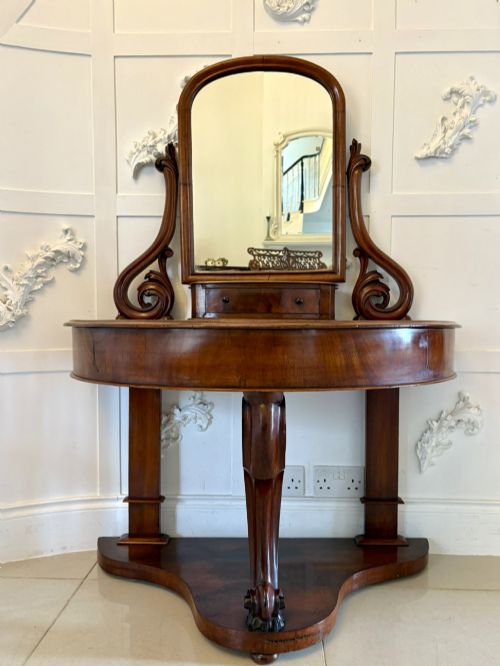
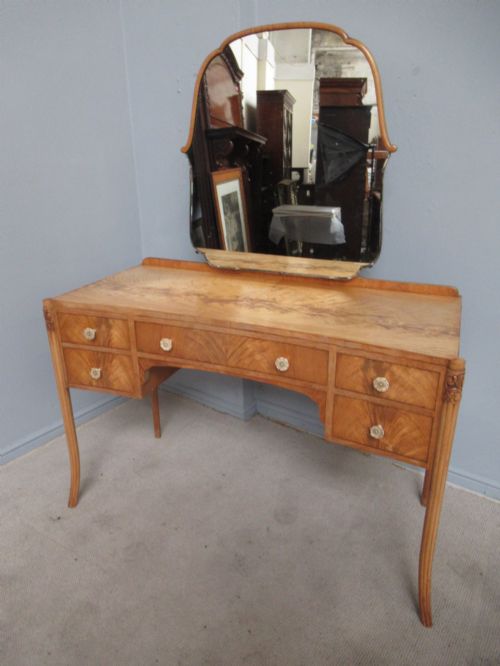
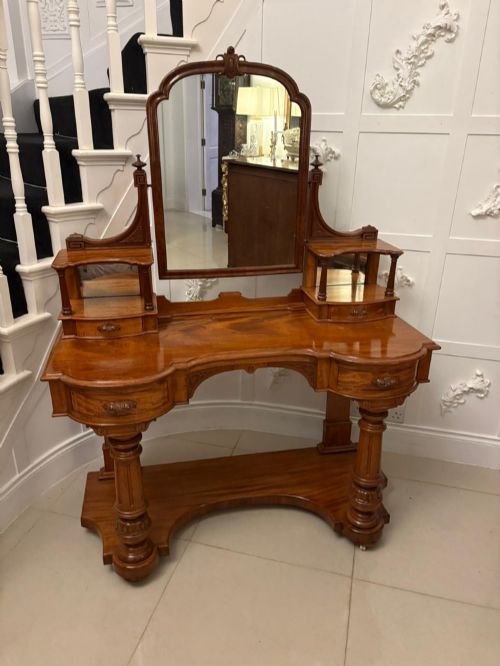
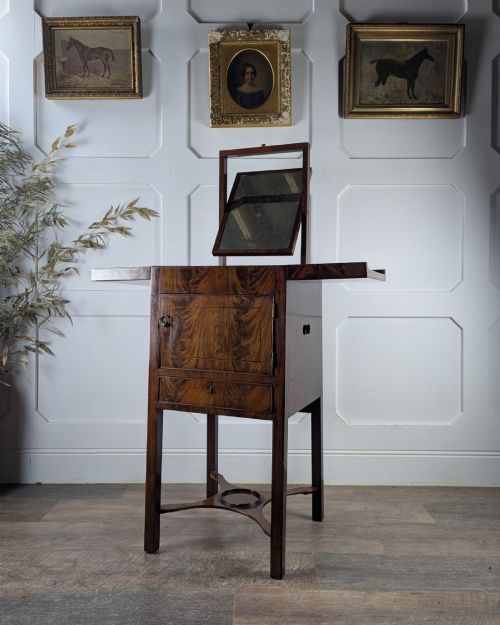
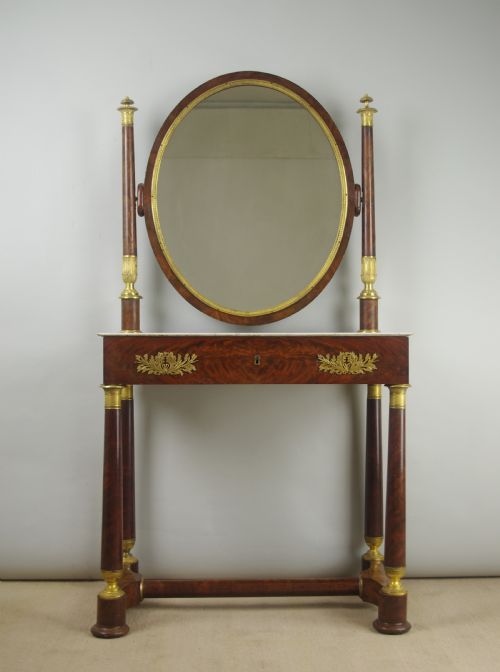
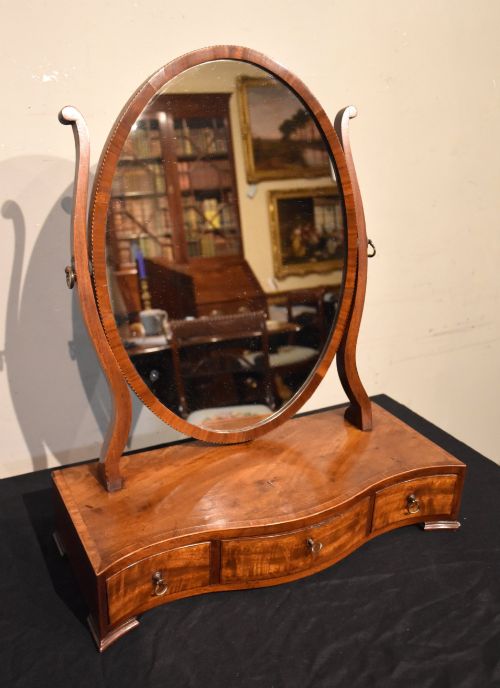
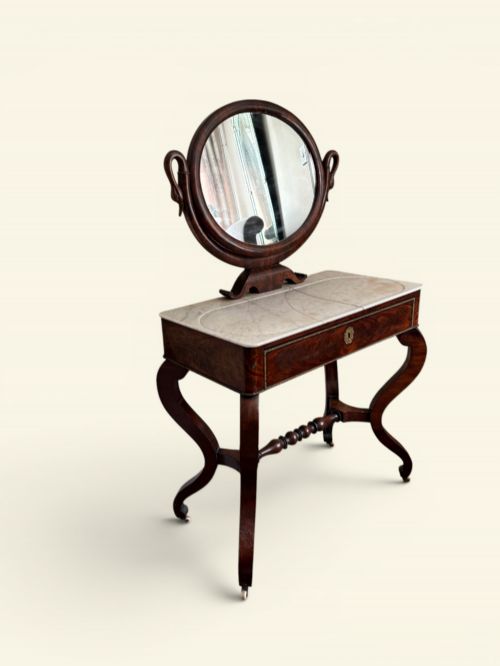
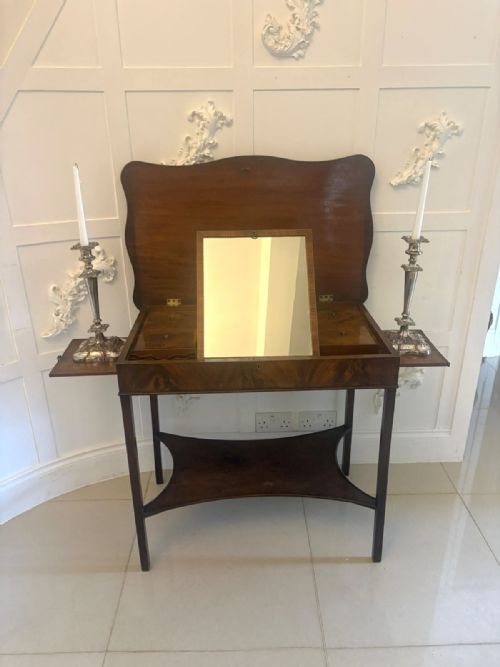
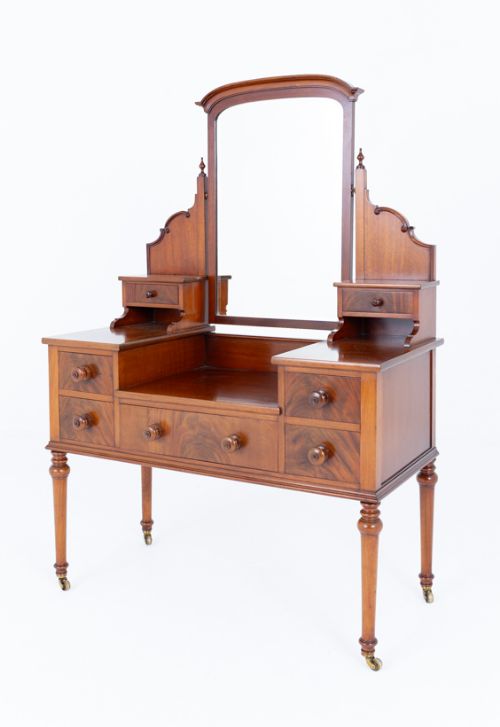
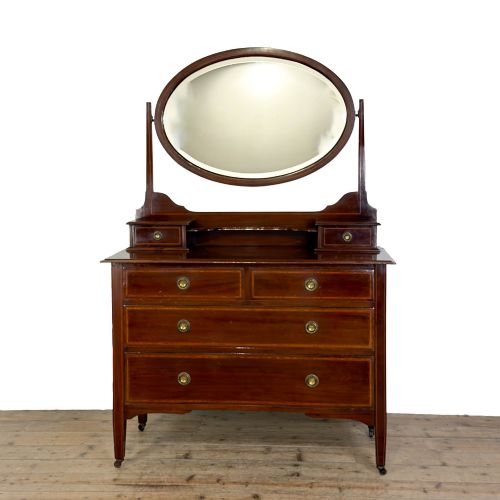
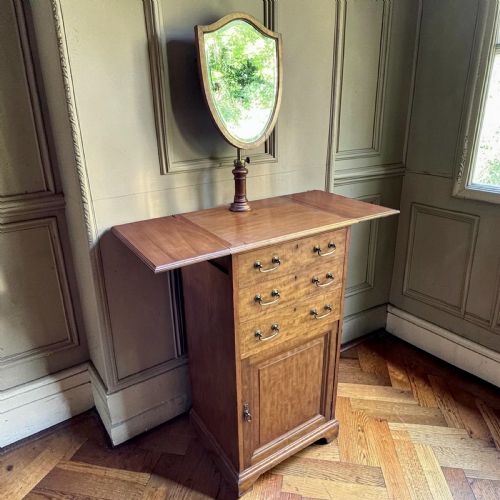
A mahogany vanity desk mirror bridges the gap between functional grooming equipment and elegant domestic furniture, spanning periods from the Georgian era through to the Edwardian epoch and the early twentieth century. When buyers search for this phrase, they encounter a range of forms, from compact table-top toilet mirrors with fitted drawers to substantial pedestal dressing tables and bureau mirrors designed for intimate personal use.
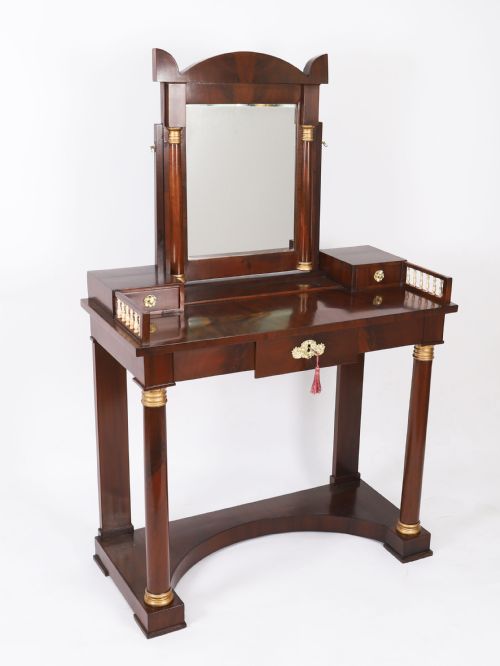
The pieces listed here showcase distinct regional tastes, incorporating English cabinet-making traditions alongside French Empire and continental styles. Surviving examples demonstrate how these items adapted to changing domestic habits, moving from simple table mirrors to elaborate writing and dressing combinations with multiple compartments.
Materials and construction
Cabinet-makers relied heavily on mahogany, often selecting dense Cuban or pale varieties, sometimes complemented by satinwood inlay, maple, or intricate marquetry. These timbers were worked alongside brass fittings, leather writing surfaces, and marble tops to create durable yet visually striking surfaces.
Mirrors were set within pivoting frames supported by upright arms, while larger dressing tables utilised structural framing to house drawers and secret compartments. Ormolu mounts and fine brass hardware frequently accented French Empire and Victorian iterations, adding metallic contrast to the dark grain of the wood.
The listings span multiple eras, encompassing Georgian table mirrors, Victorian pedestal dressing tables, and Edwardian inlaid chests.
Assessing craftsmanship and condition
Superior examples display crisp carving, precise dovetailing in the drawer construction, and tightly fitted joints that withstand centuries of adjustment. The choice of timber grain, the symmetry of any inlay work, and the original quality of the cast brass or ormolu mounts separate standard utility pieces from high-status commissions.
The clarity and integrity of the glass plate, alongside the smooth mechanical action of pivoting mirror frames and rising desk compartments, indicate the original standard of manufacture. Pieces retaining their fitted interior compartments and original brass turn-screws hold greater historical completeness.
Thomas Rubergall·Edwards & Roberts
The Mahogany Vanity Desk Mirror Glossary
- Mahogany
- A durable tropical hardwood prized for its deep reddish-brown colour and stability in cabinet-making. It forms the primary structural and visual material for the majority of these pieces.
- Ormolu
- Gilded bronze applied as decorative mounts on furniture, particularly prominent in French Empire pieces. This technique provides metallic embellishment that contrasts with dark wood.
- Bonheur du jour
- A light lady's writing desk featuring a small cabinet or set of drawers on top, often incorporating a mirror or writing flap. These items combine cosmetic storage with correspondence facilities.
- Dovetail
- A traditional wood joint formed by interlocking wedge-shaped fingers, ensuring strong tensile connection in drawer corners. Its fineness often indicates the maker's skill level.
- Toilet mirror
- A smaller mirror designed to sit atop a dressing chest or table, frequently equipped with small storage drawers at the base.
Mahogany Vanity Desk Mirror: Frequently Asked Questions
How do I date a mahogany mirror?
Dating relies on examining construction techniques such as hand-cut dovetails, secondary timbers used in drawer linings, and the style of the mirror frame supports. Georgian examples tend to feature simpler, rectilinear proportions, whereas Victorian and Edwardian iterations often incorporate heavier carving or inlaid marquetry.
Hardware also offers vital clues; original brass screws, hinges, and pivoting nuts correspond to specific manufacturing periods. Comparing the patination of the wood around handles and touch points helps confirm the piece's age.
Were these mirrors portable?
Table-top versions were designed to be moved between rooms or placed upon various chests and dressing tables as required. Their lightweight construction allowed servants to reposition them easily within a grand residence.
Larger pedestal dressing tables and bureau mirrors were permanent fixtures within a bedroom or boudoir. Even these, however, often separated into upper mirror frames and lower table bases to facilitate transport.
How should I clean the mahogany?
Maintenance requires dusting with a soft, dry cloth to prevent particulate accumulation on the polished timber surface. Avoid modern silicone-based sprays, which can build up and soften the historic polish over time.
Periodic application of a quality beeswax helps nourish the wood and maintain its deep lustre. Care must be taken around glass edges and brass mounts to prevent moisture ingress.
Can the mirror glass be replaced?
While original glass with period imperfections is preferred by collectors, cracked or heavily degraded plates can be reglazed by a specialist restorer. Modern silvered glass is often cut to match the exact thickness and bevel of the original housing.
When replacing glass, traditional glaziers' points or glazing putty should be used to secure the plate without putting undue stress on the antique wooden frame.