


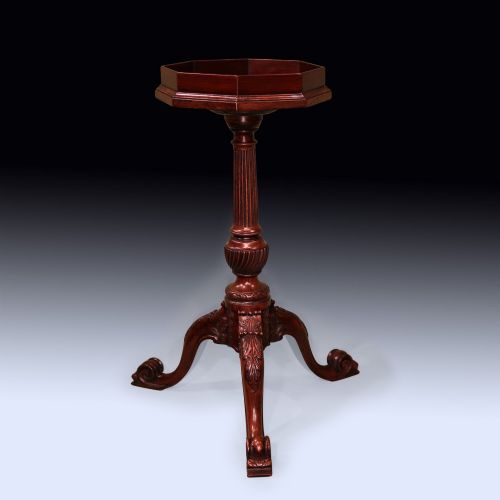
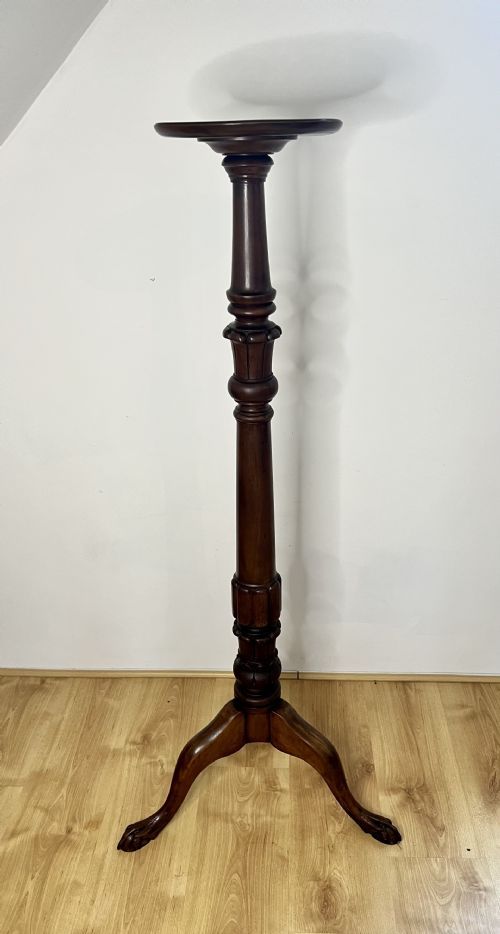
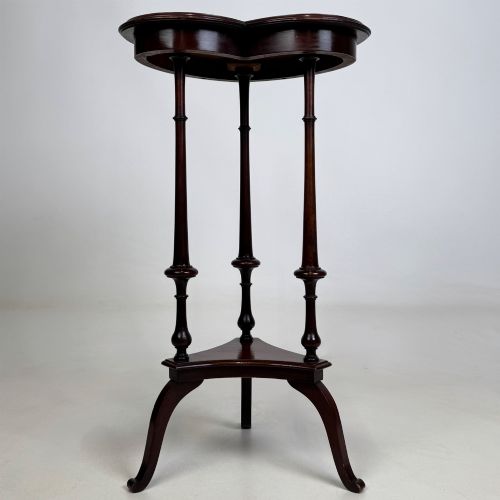
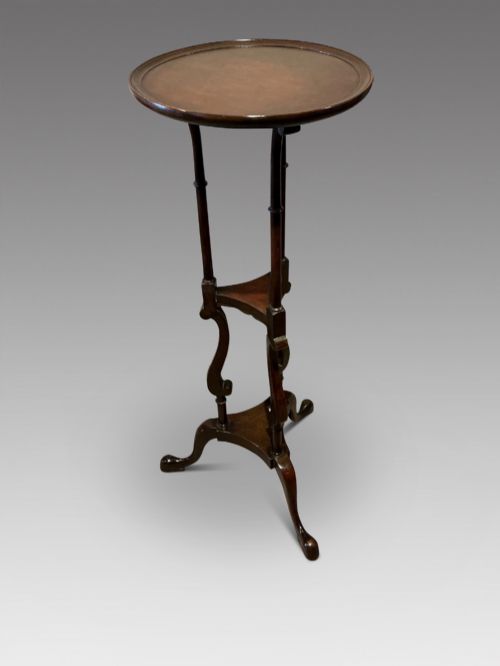
Mahogany Tripod Plant Stand
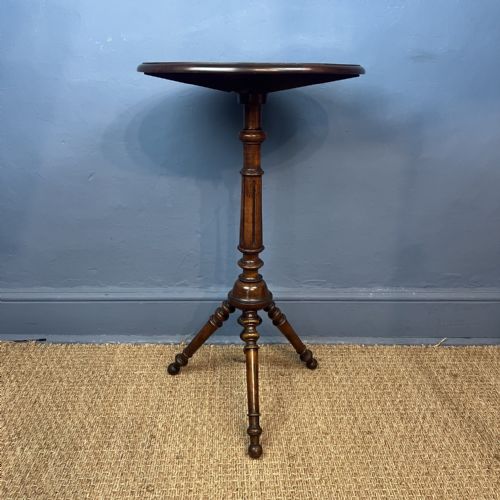
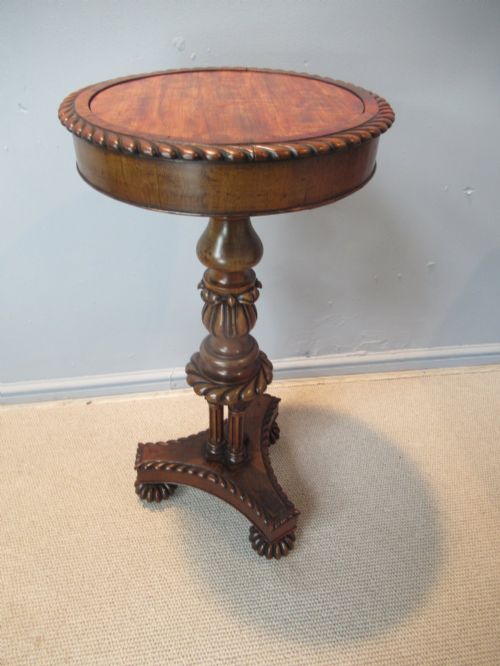
A mahogany tripod plant stand elevates foliage or lighting on three slender legs, offering a practical display surface rooted in centuries of cabinetmaking.
Mahogany Tripod Plant Stand
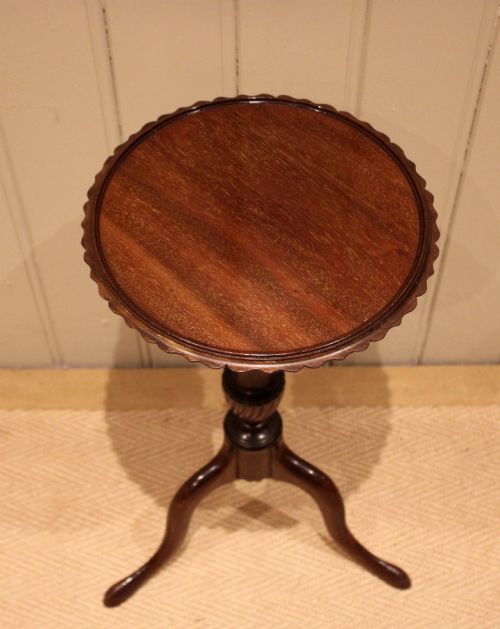
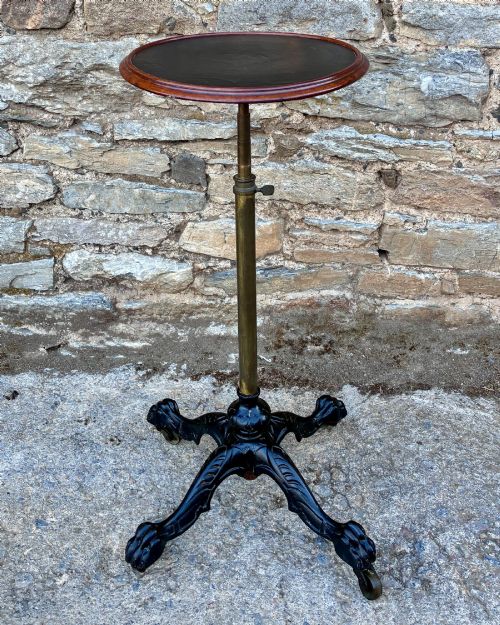
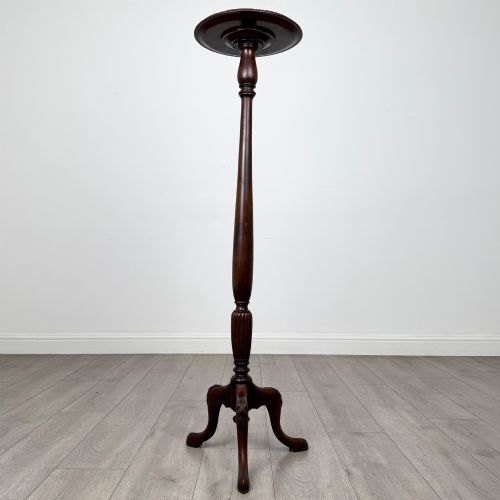
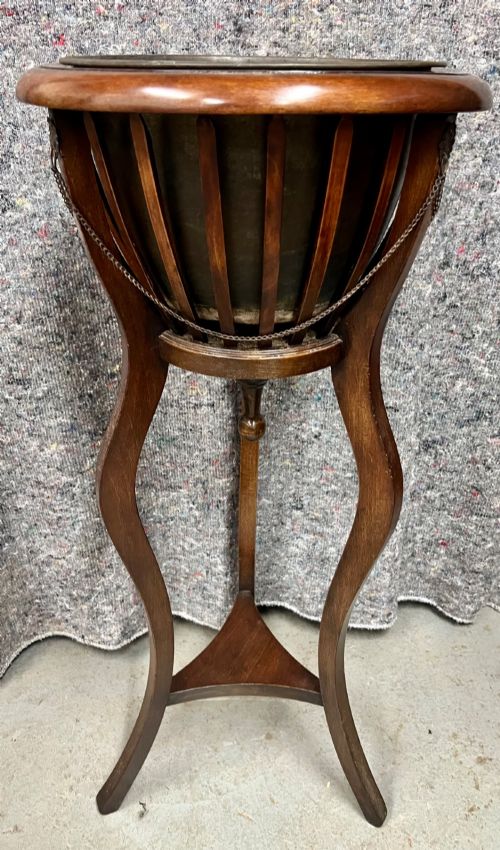
A mahogany tripod plant stand bridges several historic categories, appearing under names such as torcheres, kettlestands, wine tables, and jardiniere stands. These pieces span the eighteenth, nineteenth, and early twentieth centuries, encompassing Georgian, Victorian, Edwardian, and Aesthetic Movement designs.
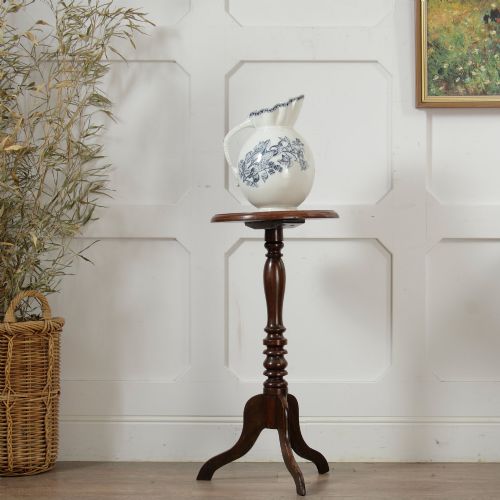
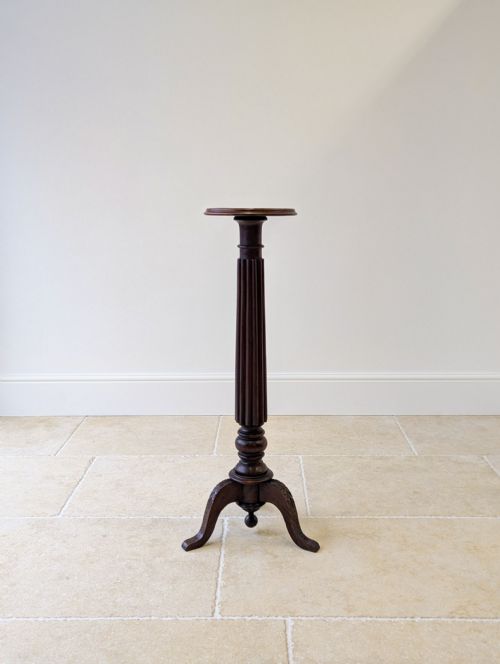
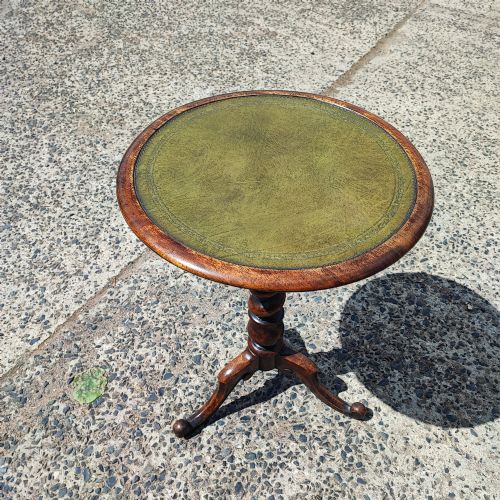
The versions most commonly met on this page range from tall, slender torcheres designed for single pots or candle display to smaller wine tables and occasional stands with circular tops. Their core configuration relies on a central pillar supported by three splayed legs, providing stability for plants, lamps, or ornamental items.
Makers produced these stands in various heights, from low tea and lamp tables to tall pedestals meant to draw the eye upward in a room. The structural format remains consistent across periods, though decorative carving, turning, and inlay shift according to the prevailing style of the decade.
How They Were Made
Cabinetmakers utilised solid mahogany and hardwoods for the primary structure, turning central pillars on lathes and shaping three individual legs to fit into a central boss or dovetail joint. These components often incorporated brass fittings, leather accents, or delicate wood inlay to add surface detail without compromising the balance of the tripod base.
Surfaces were shaped into circular, dish-topped, or heart-shaped configurations, sometimes featuring multi-tiered designs or barley twist turnings. Joinery relied on traditional methods such as tenons and pegging to ensure the slender frame could support the weight of a jardiniere or lamp.
Several stands feature heart-shaped tops, proving that even nineteenth-century turners occasionally gave in to romance.
What Varies in Quality
The distinction between ordinary and superior examples lies in the crispness of the timber selection and the harmony of the proportions. Dense, well-figured mahogany with a deep grain brings a visual weight that elevates simple forms, whereas plainer secondary hardwoods lack the same warmth and depth.
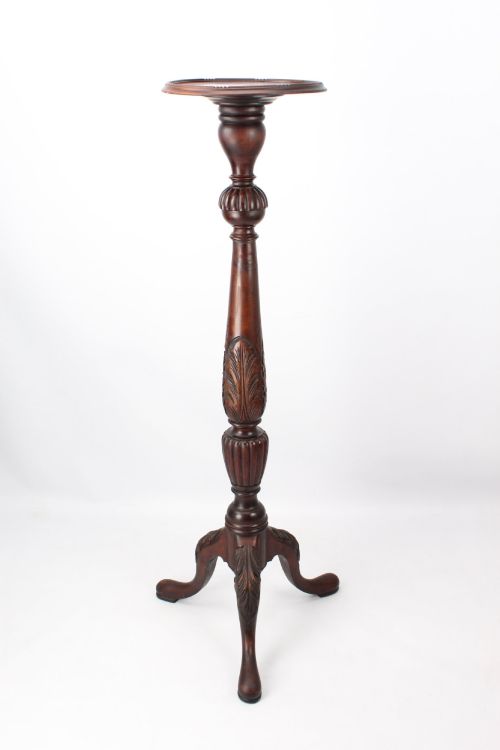
Construction fidelity dictates longevity, particularly in how securely the three legs join the central shaft. Refined specimens exhibit hand-carved details, such as fluting or barley twist profiles, executed with precision rather than heavy-handed smoothing.
The Mahogany Tripod Plant Stand Glossary
- Tripod base
- A three-legged support structure designed to distribute weight evenly and maintain stability on uneven floors. This configuration forms the foundation of wine tables and plant stands.
- Jardiniere
- An ornamental pot or container for plants, which sits atop stands built specifically to display greenery at height. These stands often include deep rims or raised galleries.
- Barley twist
- A spiral turning technique applied to wooden columns and table legs, creating a twisted rope effect popular in Victorian furniture. It adds texture and movement to vertical supports.
- Dish-topped
- A circular tabletop with a concave centre or a raised rim carved directly from the solid wood. This edge prevents items from sliding off the surface.
Mahogany Tripod Plant Stand: Frequently Asked Questions
What is the difference between a torchere and a plant stand?
Torcheres were originally tall stands built for lighting or display, while plant stands and jardiniere tables often featured slightly wider tops or galleries to hold heavy pots.
Over time, the terms overlapped as households repurposed tall nineteenth-century pedestals to hold ferns and indoor foliage.
How do I place a tripod stand safely on carpet?
Three-legged stands balance naturally on hard flooring because all three feet make firm contact without rocking. Placing them on thick carpet can introduce instability due to uneven pile compression.
Using small caster cups or positioning the stand near firm room perimeters helps secure the slender frame.
Can these stands support heavy ceramic pots?
Most solid mahogany stands were built to carry substantial weight, including heavy metal urns, wine decanters, or large earthenware plant pots. The primary limitation is the footprint width rather than the strength of the central column.
Checking the width of the tripod base ensures the stand will not tip if a heavy pot sits off-centre.
How do I distinguish Georgian from Victorian stands?
Georgian stands generally exhibit restrained, classical proportions with clean lines, smooth mahogany columns, and subtle pad or spade feet. Victorian examples frequently introduce heavier ornamentation, such as barley twist turnings, carved acanthus leaves, or bold circular dished tops.
Edwardian pieces often return to lighter forms, occasionally incorporating delicate wood inlay or heart-shaped tops.