
Edwardian Carved Pedestal Table
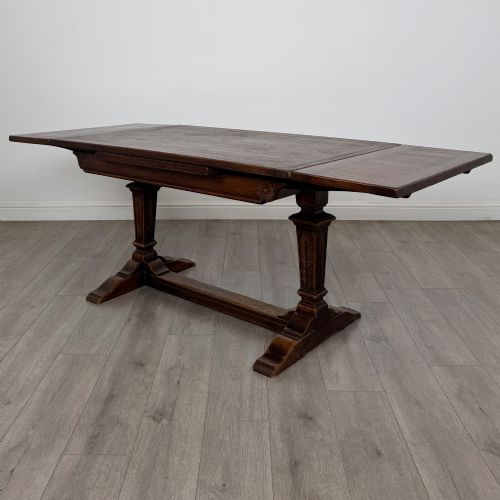
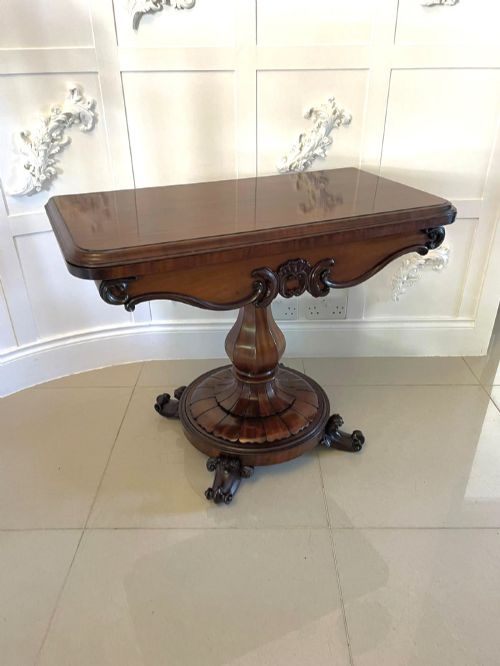
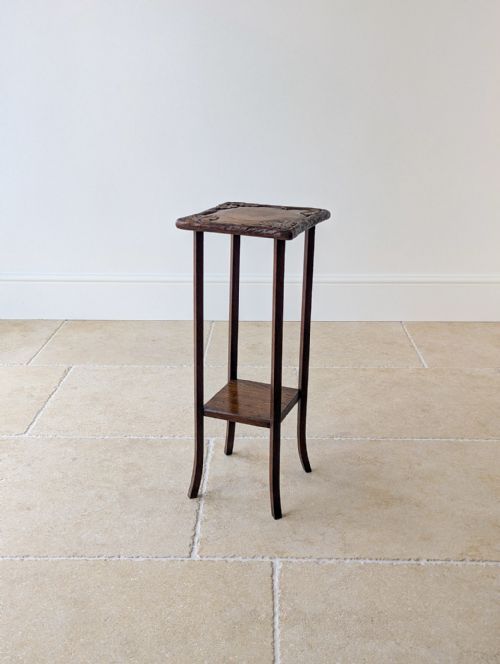
An Edwardian carved pedestal table brings proportion and timber warmth to a room, standing on a single pillar base with detailed woodwork.
Edwardian Carved Pedestal Table
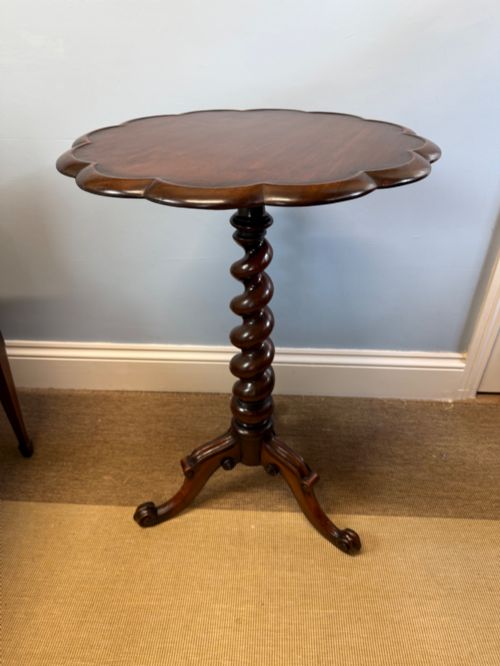
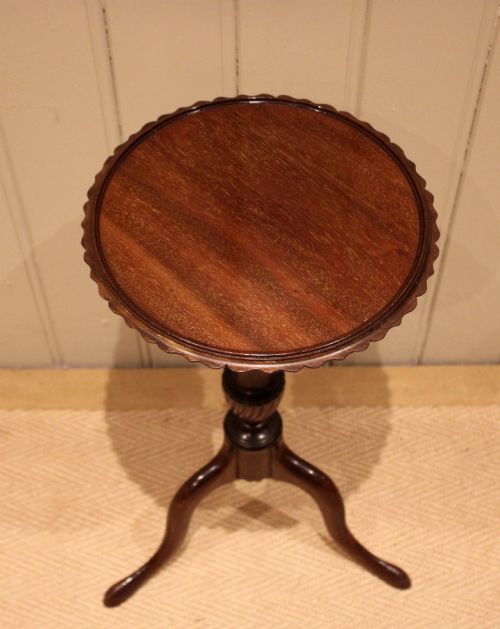
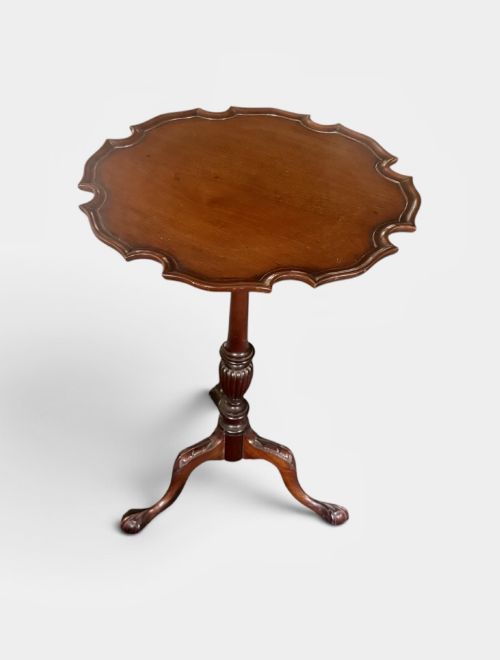
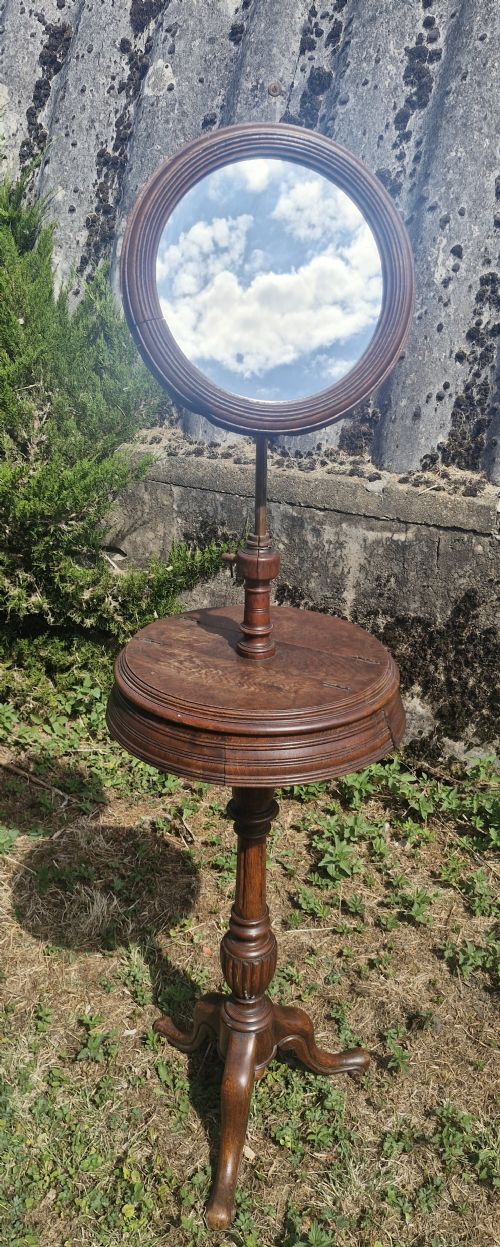
An Edwardian carved pedestal table combines the lighter proportions typical of the early twentieth century with traditional timber construction, often appearing as small wine tables, tripod tables, or occasional tables. These pieces sit on central pillars rather than four corner legs, making them practical for smaller spaces where legroom matters.
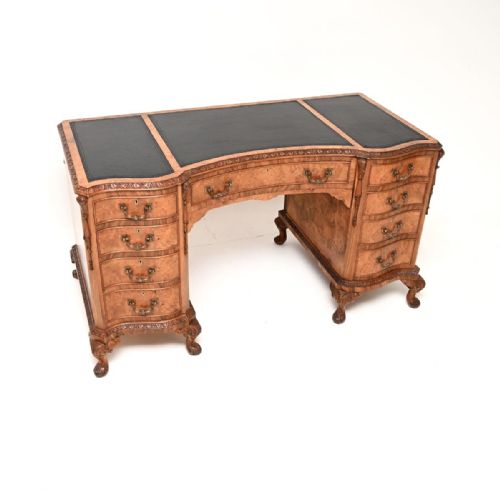
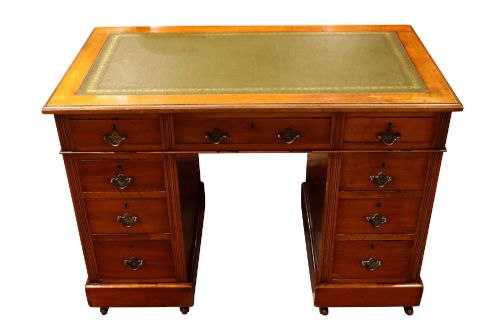
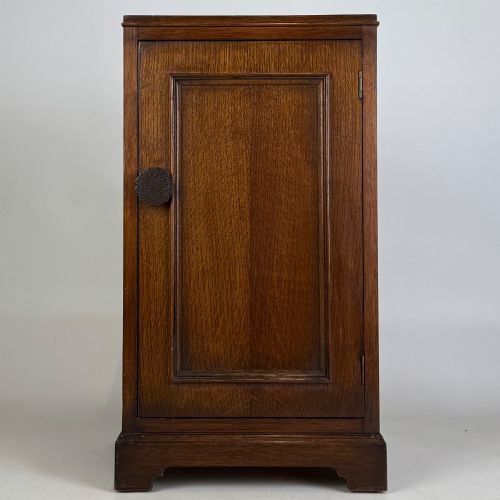
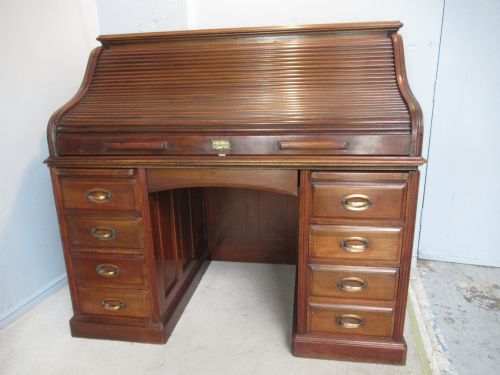
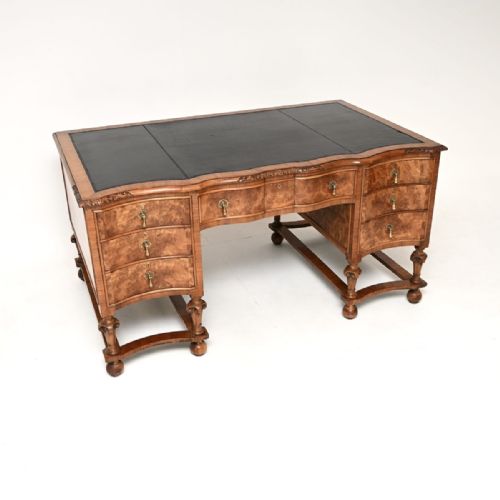
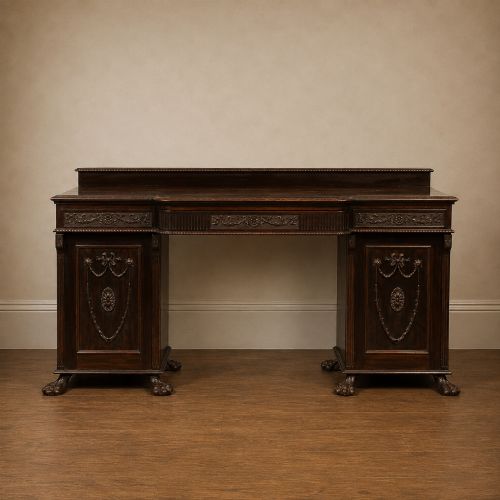
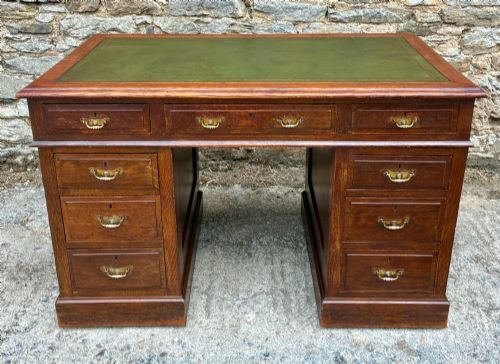
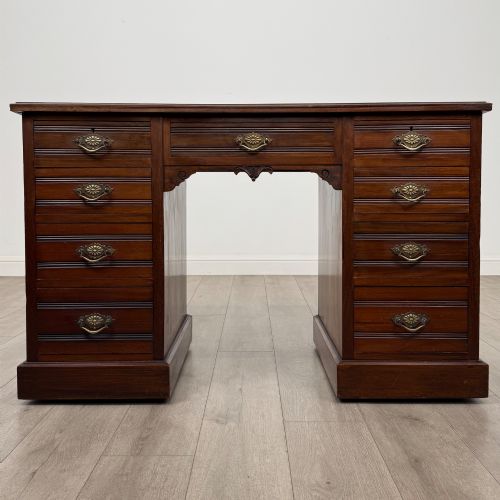
The evidence shows these tables emerging alongside related forms like desks, plant stands, and occasional tables in mahogany, walnut, and oak. While the search points specifically to carved pedestal examples, the broader inventory captures the prevailing taste for revival styles and figured timbers during the Edwardian period and adjacent decades.
Materials and Construction
Cabinet makers relied predominantly on mahogany, walnut, burr walnut, and oak for these tables, selecting hardwoods that accepted fine carving on pillar shafts and rim edges. Tops often featured figured timber veneers or shaped pie crust borders, requiring steady handwork with saws and chisels.
The central pillar construction required secure joinery where the shaft met the tripod feet or heavy base, ensuring stability despite the slender profile. Turning lathes shaped the central columns, while secondary timbers added internal strength to the tabletop supports.
A Scottish country house dinner gong waits quietly among the tables, ready to summon residents through the heavy timber halls.
Judging Quality
Quality rests in the crispness of the carving on the pillar and edges, the choice of figured timber for the top, and the overall balance of the proportions. A superior piece shows deliberate chisel work rather than soft, mechanical moulding, and uses dense, well-figured mahogany or walnut.
Construction integrity defines the upper tier of these tables, visible in the tightness of the joints between the central column and the base feet. Lesser examples suffer from looseness in the pillar attachment or plain, unfigured secondary woods lacking depth.
Maple and Co·Liberty of London
The Edwardian Carved Pedestal Table Glossary
- Pedestal table
- A table supported by a single central pillar and base rather than four corner legs. This form saves floor space and allows for decorative turning.
- Tripod table
- A small occasional table whose central pillar stands on three spreading legs. They appear frequently in mahogany and walnut.
- Pie crust rim
- A raised, decoratively scalloped edge carved along the perimeter of a tabletop. It requires skilled hand-carving.
- Occasional table
- A small, movable table intended for flexible use around a room. They take various top shapes including circular and oval.
Edwardian Carved Pedestal Table: Frequently Asked Questions
What is an Edwardian pedestal table used for?
These small tables serve as convenient surfaces for lamps, books, or drinks beside seating furniture. Their compact footprint suits them to corners and tight spaces.
Historically, wine tables and tripod tables held refreshments or small decorative objects in entertaining rooms. Their movable nature allowed servants or residents to reposition them easily.
How do I identify an Edwardian table?
Edwardian furniture generally exhibits lighter proportions and borrows stylistic cues from earlier Georgian and Sheraton designs. The era spans roughly from nineteen hundred to nineteen ten.
Timber choice and construction methods help confirm the period, alongside characteristic turning on the central pillars and restrained carving.
Are these tables sturdy?
The stability depends heavily on the tripod base or heavy central foot supporting the column. Well-balanced examples stand firmly despite their slender profiles.
Check the joints where the pillar meets the feet to ensure there is no wobble. Solid hardwood construction maintains this rigidity over time.
What timbers were used?
Makers utilised mahogany, walnut, burr walnut, and oak for these tables. These hardwoods provided the necessary strength and decorative grain patterns.
Figured veneers frequently appeared on tabletop surfaces to create rich visual textures while the structural supports remained solid timber.