

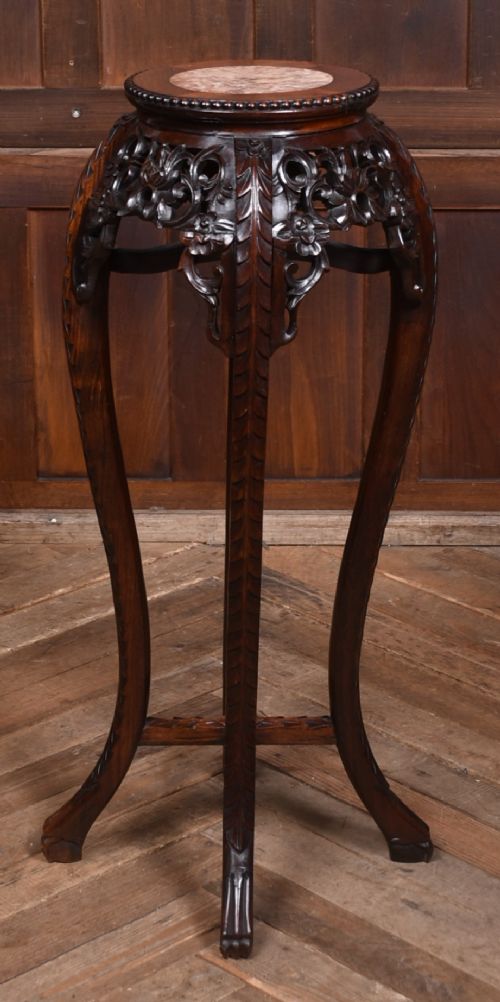


Carved Timber Accent Table
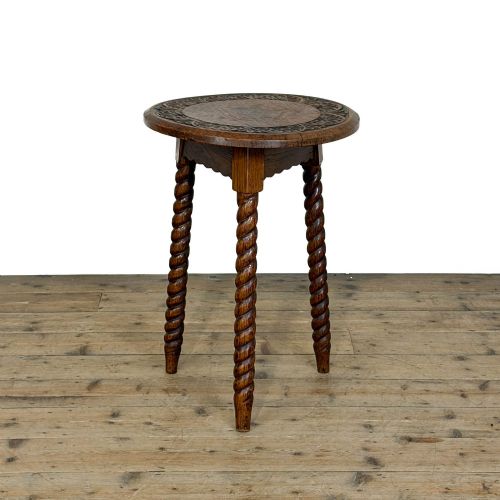
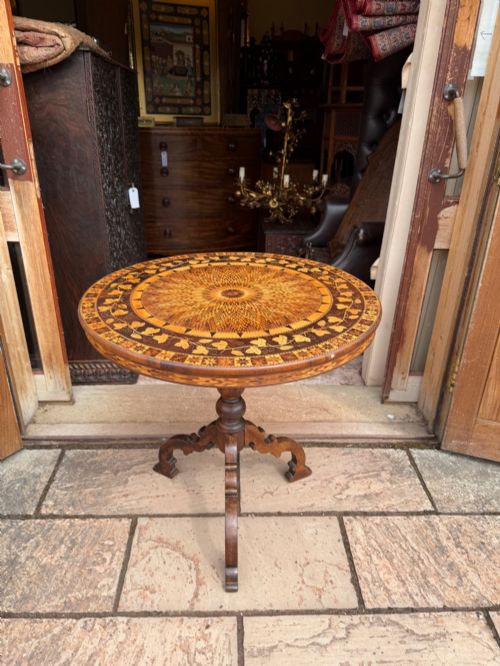
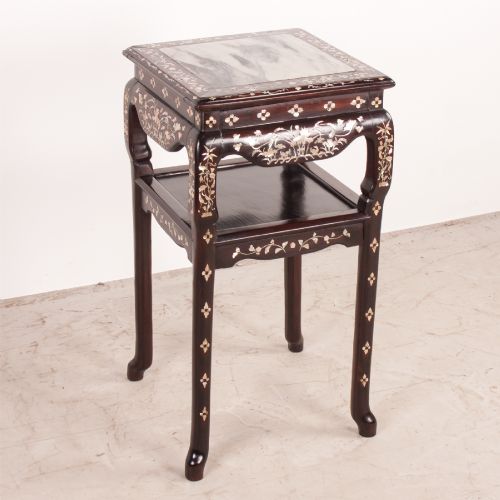
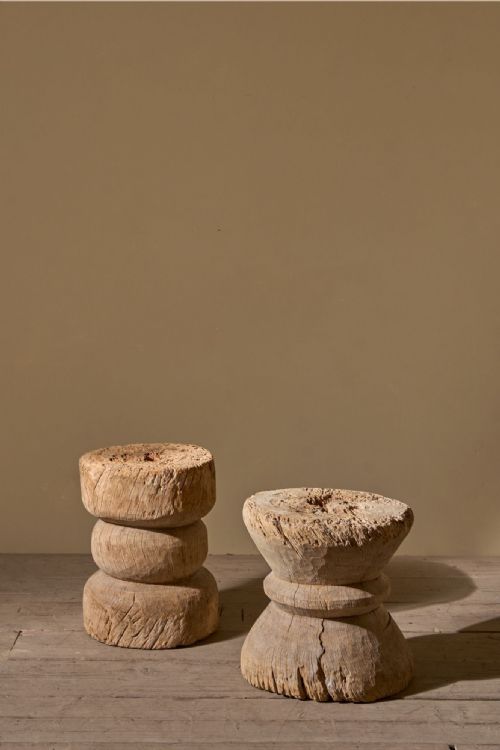
A carved timber accent table brings substantial hand-carved detail and varied wood grains into a room, serving as a functional surface with distinct character.
Carved Timber Accent Table
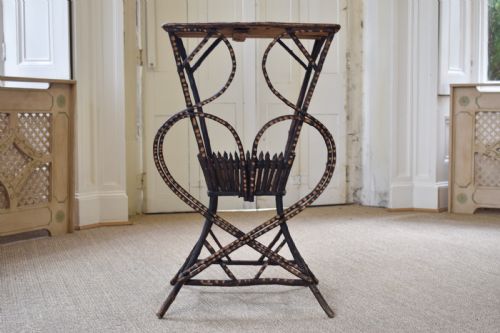
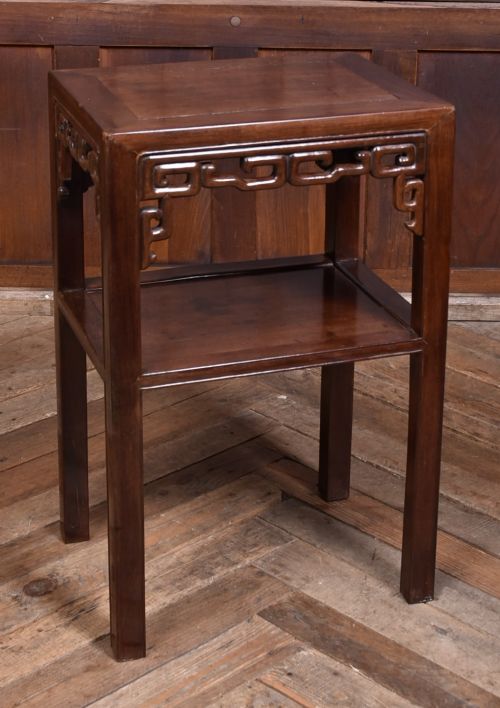
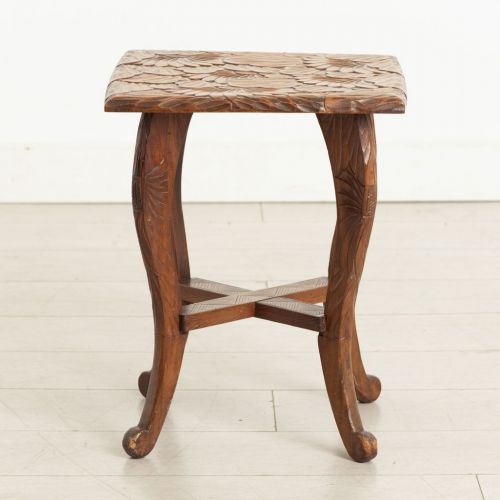
When you search for a carved timber accent table, you find a diverse group of smaller tables designed for occasional use, displaying craftsmanship from multiple periods and regions. These pieces range from side tables and plant stands to low tables and occasional tables produced across the nineteenth and early twentieth centuries.
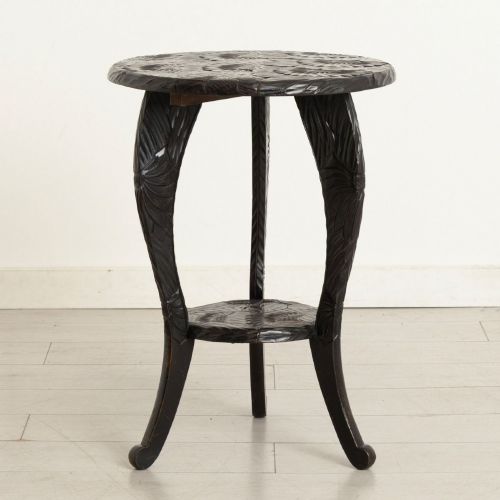
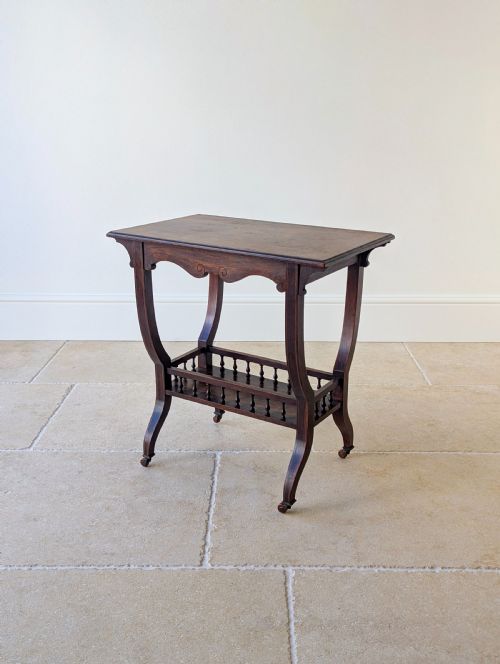
The version you are most likely to meet on this page is a nineteenth-century or early twentieth-century occasional piece, often originating from Chinese export workshops, Indian regional makers, or British domestic cabinet makers. Styles span from Victorian and Edwardian iterations to Anglo-Indian colonial designs and Arts and Crafts oak creations.
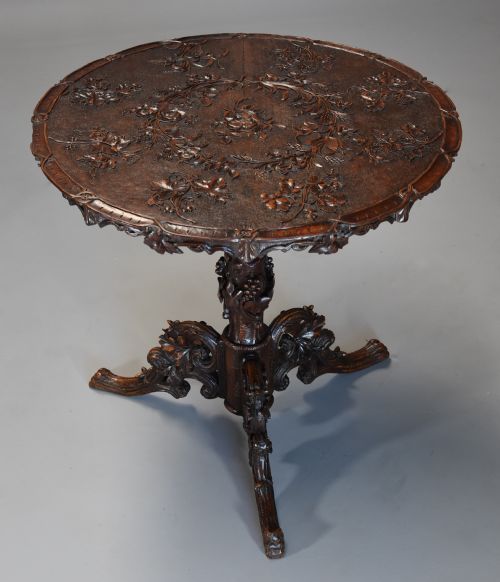
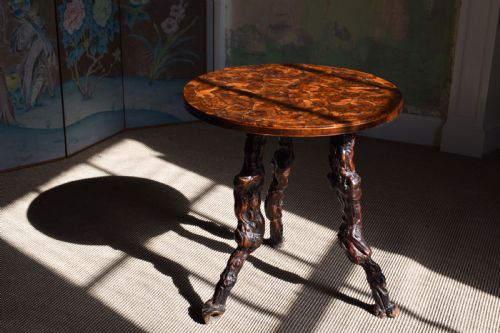
These items function primarily as display surfaces or bedside companions, utilising compact footprints to introduce carved ornamentation into domestic spaces. The forms include tripod bases, octagonal tops, pedestal supports, and nested sets.
How they were made
Makers utilised a wide selection of timbers including rosewood, teak, oak, walnut, mahogany, and linden wood, often chosen for their grain patterns or suitability for intricate carving. Hardwoods provided the structural stability required for heavily ornamented surfaces and slender legs.
Techniques combined traditional joinery with deep relief carving, piercing, and inlay work such as mother-of-pearl or marble inserts. Regional workshops employed specialised hand tools to execute figural motifs, botanical patterns, and geometric borders directly into the solid timber.
Periods represented span from the 18th century through the Edwardian era and into the early 20th century.
What varies in quality
The depth and precision of the hand carving separate standard production pieces from exceptional examples, with superior items displaying crisp undercut details and well-balanced proportions. The integration of secondary materials, such as fitted marble tops or inlaid mother-of-pearl, also indicates higher execution standards.
Structural integrity and timber selection dictate the longevity of each table, where dense hardwoods and stable joints prevent warping over time. Original surface patination and the retention of delicate figural elements further distinguish finer historical examples from later utility items.
Liberty of London
The Carved Timber Accent Table Glossary
- Occasional table
- A small, movable table intended for specific, intermittent use rather than central daily placement. These pieces include plant stands, wine tables, and side tables.
- Pedestal table
- A table supported by a single central pillar or column rising from a stable base. This form frequently appears in nineteenth-century dining and parlor settings.
- Tripod table
- A small table standing on three legs, often incorporating a tilt-top mechanism or fixed circular surface. They gained popularity during the eighteenth and nineteenth centuries for flexibility.
- Root wood
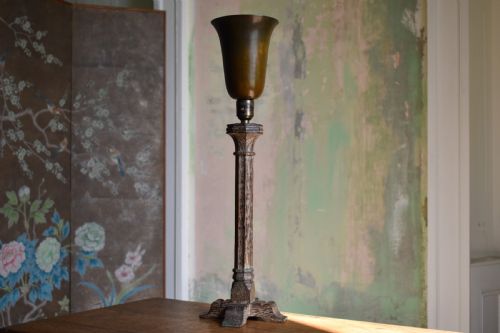
- Timber sourced from the root system of a tree, prized for its dense, gnarled grain patterns and organic contours. It appears in specific decorative Asian stands and lamp bases.
- Pie crust table
- A small round table featuring a raised, carved edge shaped in undulating curves resembling pastry work. This detail is commonly found on Georgian and revival wine tables.
Carved Timber Accent Table: Frequently Asked Questions
Where should I place a carved timber accent table?
These tables fit well beside seating areas, in hallways, or as plant stands in lit corners where their carved details are visible.
Because they offer smaller surfaces, they function effectively as lamp tables or display pedestals rather than heavy-duty storage surfaces.
How do I identify an Anglo-Indian table?
Anglo-Indian tables typically feature dense hardwood construction, such as rosewood or teak, combined with deep relief carvings of foliage or animal figures like elephants.
They reflect nineteenth-century colonial craftsmanship that merged British furniture forms with traditional Indian carving techniques.
What is the difference between an occasional table and a plant stand?
An occasional table provides a general surface for books, cups, or lamps during daily use.
A plant stand is usually taller and narrower, designed specifically to elevate botanical specimens or decorative vases.
How should I care for a marble-topped wood table?
Clean the marble insert gently with a damp cloth and mild soap, avoiding acidic cleaners that can etch the polished stone surface.
Treat the surrounding wood frame with appropriate wax or polish, keeping the piece away from direct heat sources to prevent timber splitting.