


Mahogany Tripod Lamp
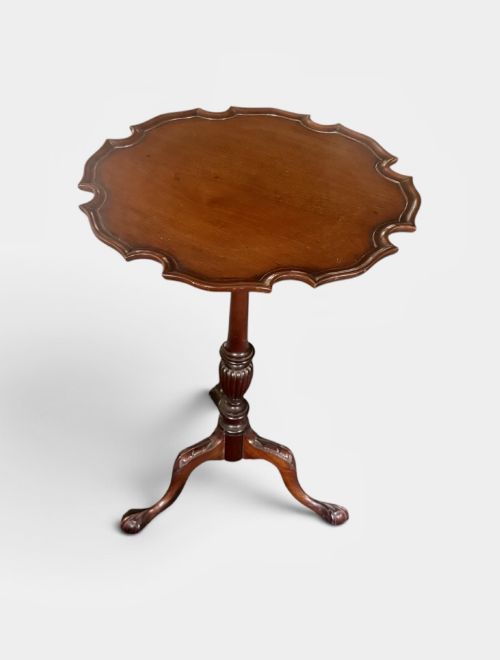
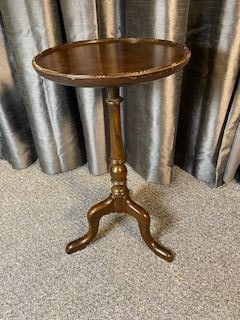
When you search for a mahogany tripod lamp, you are looking at versatile occasional pieces that combine stable three-legged bases with compact timber tops designed to hold lighting or serve rooms efficiently.
Mahogany Tripod Lamp
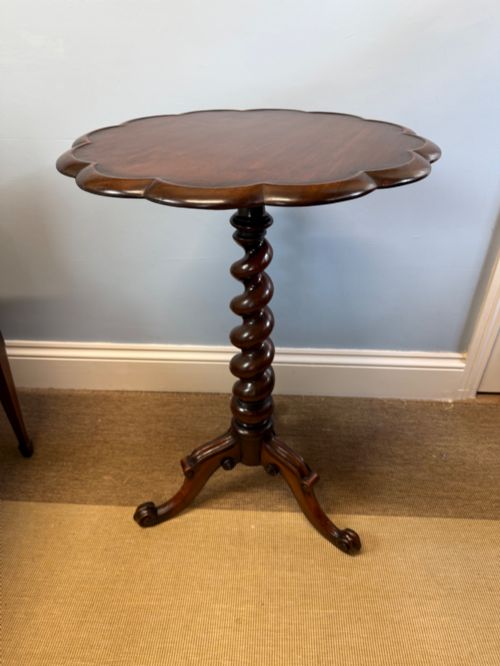
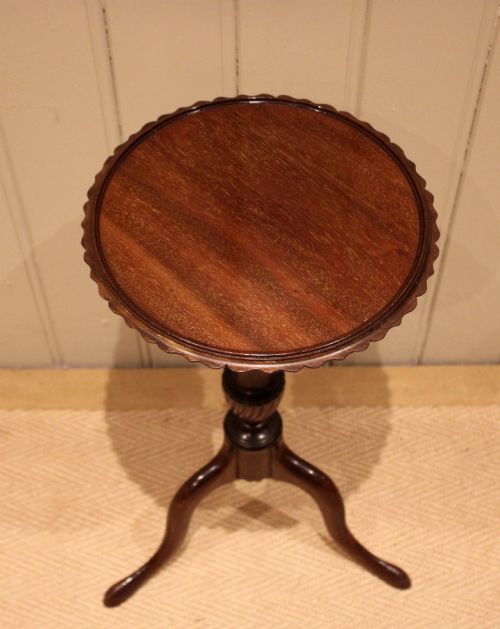
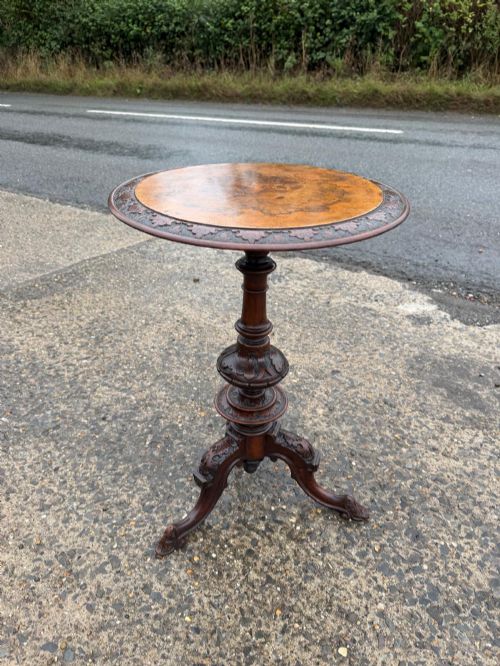
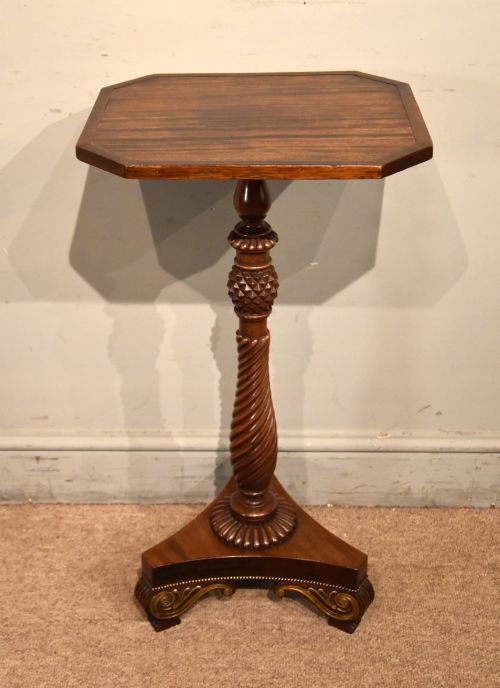
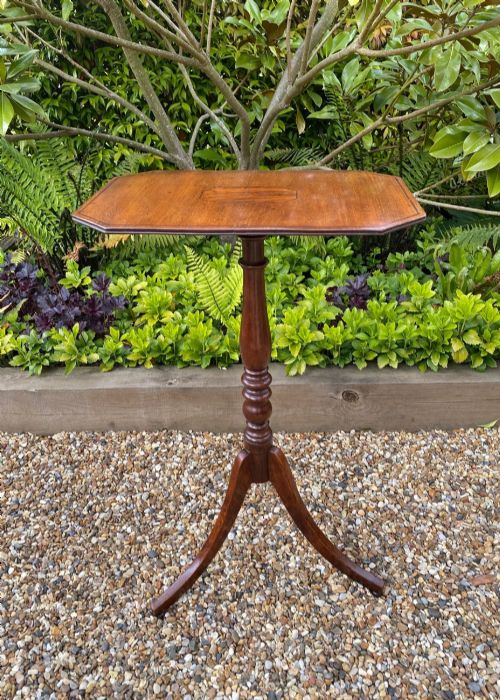
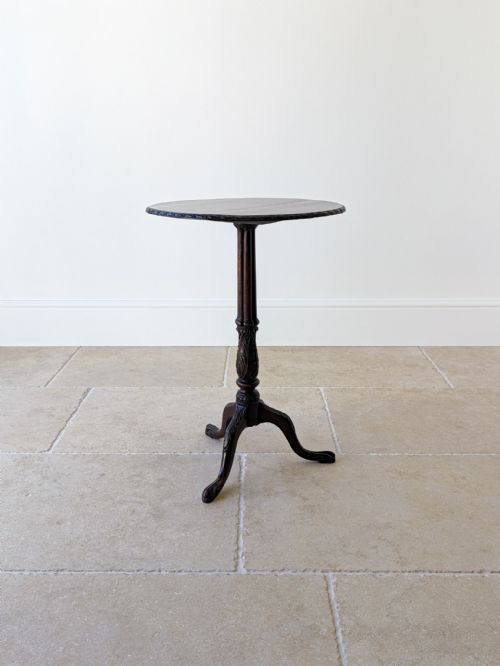
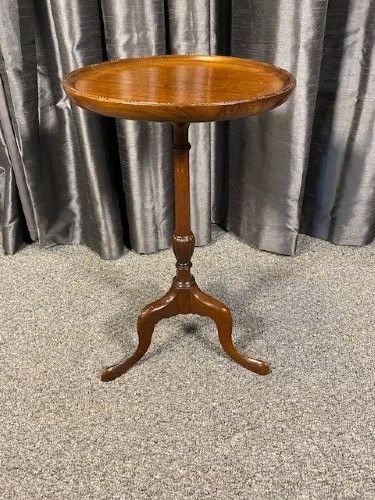
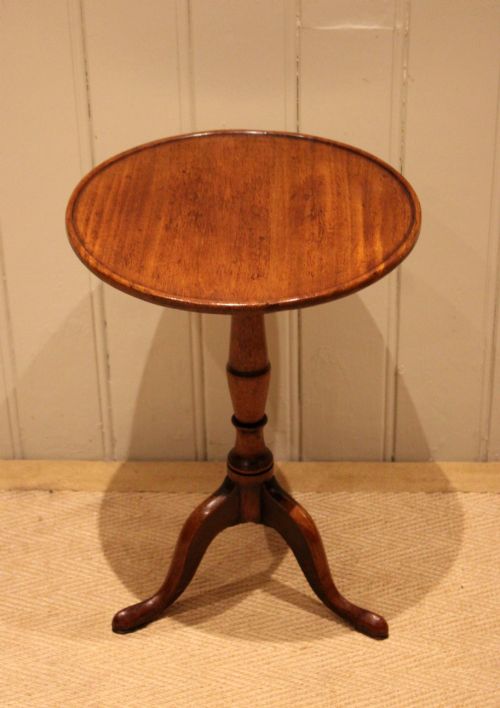
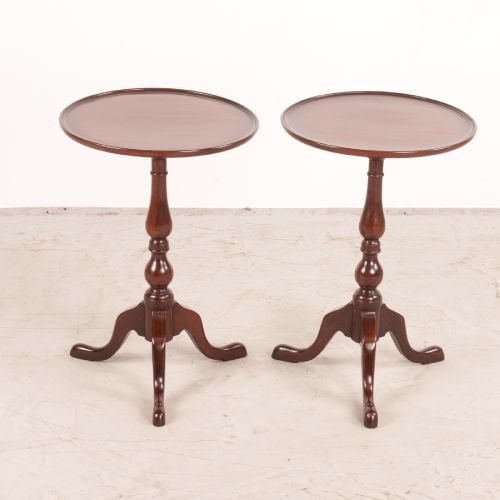
A mahogany tripod lamp usually takes the form of a small occasional table, wine table, or candle stand adapted to support lighting in period interiors. The search phrase covers both traditional timber-topped tables utilised for lamps and vertical floor-standing standard lamps mounted on tripod pedestals.
Originating largely from English workshops, these items served practical domestic functions beside seating areas, functioning flexibly as lamp stands, wine tables, or small side furniture.
How They Were Made
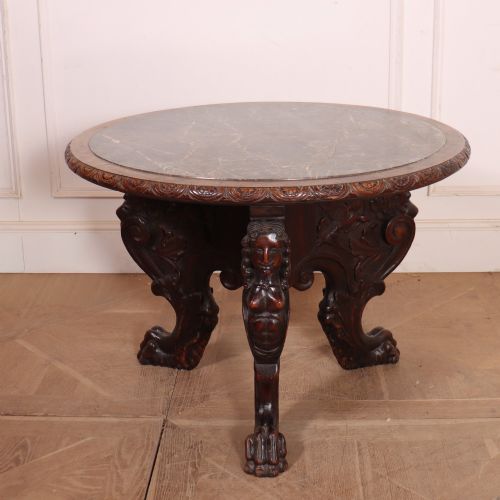
Cabinet makers utilised solid and figured mahogany, frequently incorporating flame, burr, or Cuban varieties to accentuate the timber grain on circular and shaped tops. Turning and carving defined the central pillars and three-legged pedestal bases, sometimes enhanced with brass fittings, leather tops, or gold leaf detailing.
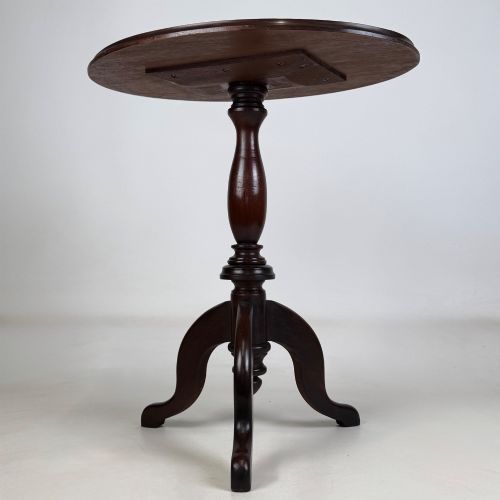
Tilt-top mechanisms relied on clever pivoting blocks and brass catches that allowed tops to fold flat against the pedestal when not in use. Joinery techniques combined central tenon joints, shaped pillar blocks, and sturdy splayed legs to ensure stability on uneven floors.
Some nineteenth-century pedestals secretly moonlighted as sewing stations, hiding small drawers beneath tabletops for stray thimbles.
What Varies in Quality
Quality rests upon the selection of timber, where rich figured mahogany, burr accents, or dense Cuban timber distinguish superior examples from plain stock. The crispness of hand-carving on the knees and feet of the tripod base further separates standard workshop output from finer craftsmanship.
Structural integrity depends on the precision of the central pivot mechanism, the snugness of the leg joints, and whether the top remains entirely flat without warping over centuries of changing atmospheric conditions.
The Mahogany Tripod Lamp Glossary
- Tilt-top
- A hinged tabletop mechanism that allows the surface to pivot vertically for storage against the pedestal base. This clever design saved valuable floor space in period drawing rooms.
- Tripod base
- A pedestal support featuring three splayed legs branching from a central turned column. It provides exceptional stability on uneven floorboards.
- Flame mahogany
- A veneer cut from the fork of the mahogany tree to create a distinctive flame-like pattern. Cabinet makers reserved this striking timber for prominent tabletops.
- Pie crust rim
- A raised, shaped tabletop edge carved with decorative curves resembling pastry work. This detail appears frequently on finer eighteenth and nineteenth-century examples.
- Snap top
- An alternative term for a tilt-top table utilising a spring catch or wooden latch to lock the surface horizontally. It prevents the table from tipping unexpectedly during use.
Mahogany Tripod Lamp: Frequently Asked Questions
What is a tripod lamp table used for?
These pieces function as sturdy, compact stands designed to hold table lamps, candles, or drinks beside seating. Their small footprints make them exceptionally adaptable for filling awkward corners or narrow spaces.
Historically, they doubled as supper tables or moveable candle stands that could be repositioned around a room as daylight faded.
How do I date a mahogany tripod table?
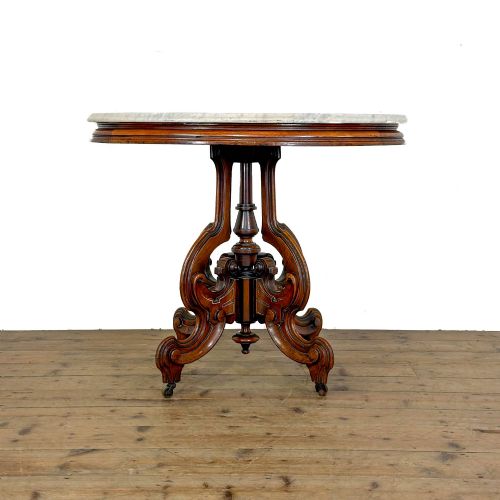
Dating relies on observing leg profiles, column turnings, and construction methods. Georgian examples often feature slender carved cabriole legs, while Regency and Victorian pieces lean towards reeded pillars and heavier platform bases.
Secondary woods, fastening screws, and the presence of tilt-top catches provide further clues regarding the decade of manufacture.
What does tilt-top mean on these tables?
A tilt-top mechanism allows the wooden surface to pivot from horizontal to vertical using a clever hinge block beneath. This enabled historic households to store the furniture flat against walls when rooms required open floor space.
Many surviving pieces retain their original brass or wooden catch mechanisms in working order.
Are these tables sturdy enough for daily use?
The three-legged tripod design distributes weight effectively, making these tables remarkably stable on solid floors. The wide splay of the feet prevents tipping even when supporting heavy lamps.
Careful placement away from heavy foot traffic ensures the central pivot and leg joints remain secure over time.