


Mahogany Table with Leaf
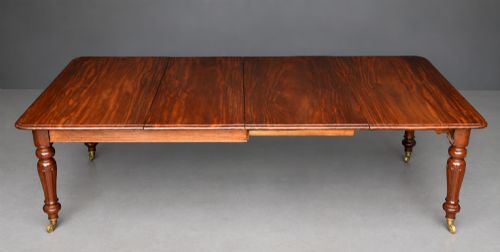
A mahogany table with leaf offers practical adaptability, moving effortlessly from intimate daily use to accommodating larger gatherings with removable or wind-out sections.
Mahogany Table with Leaf
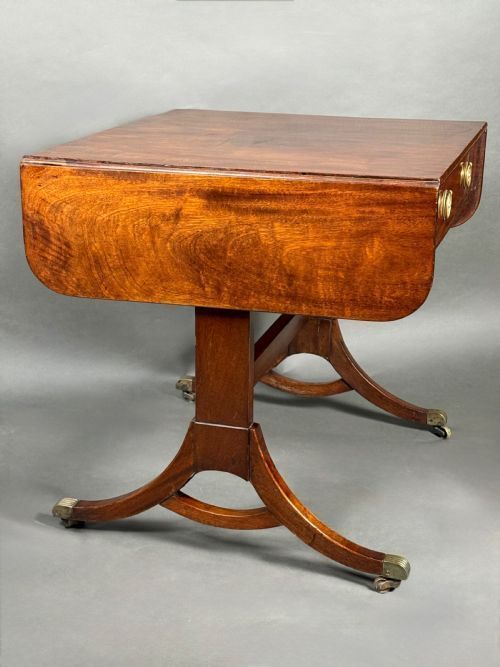
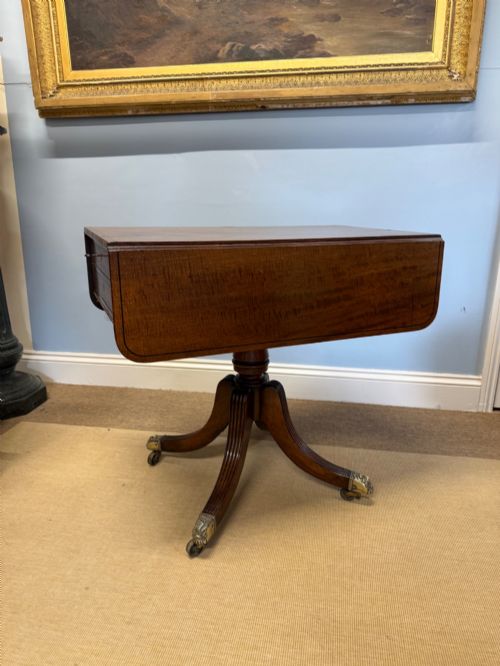
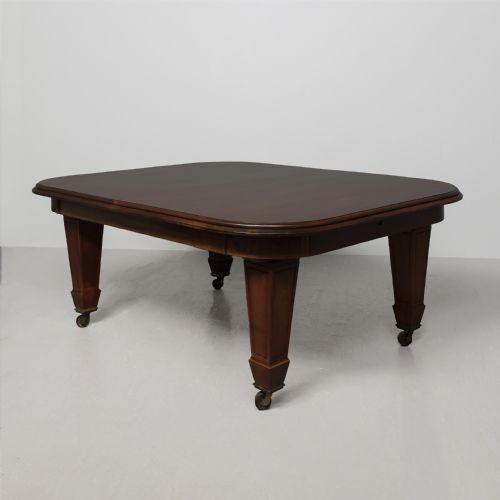
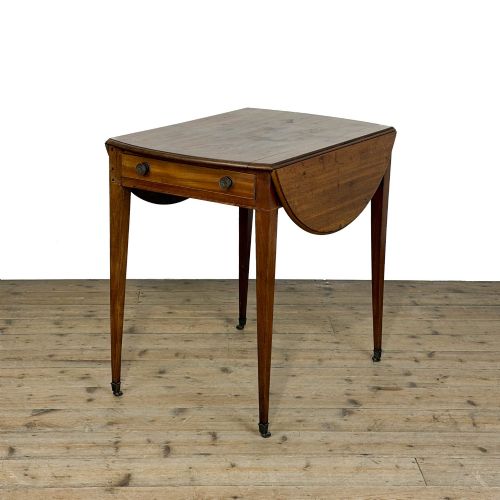
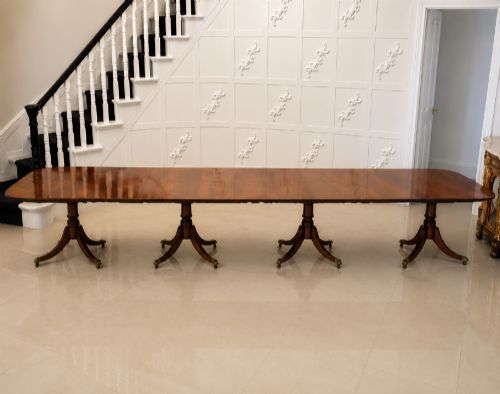
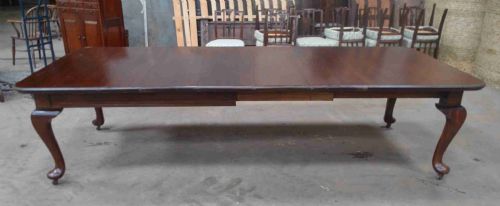
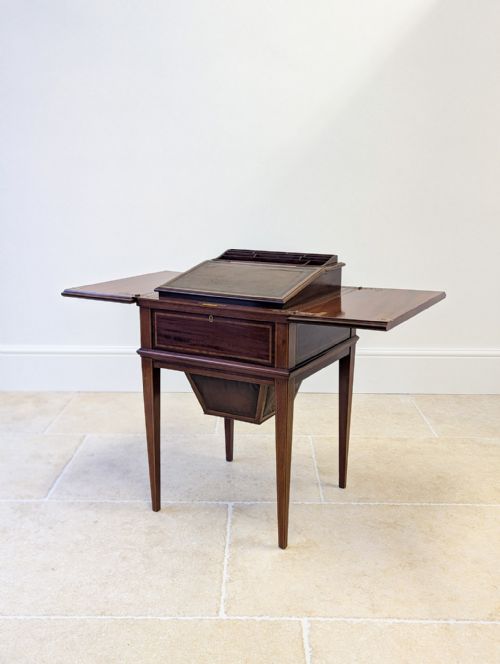
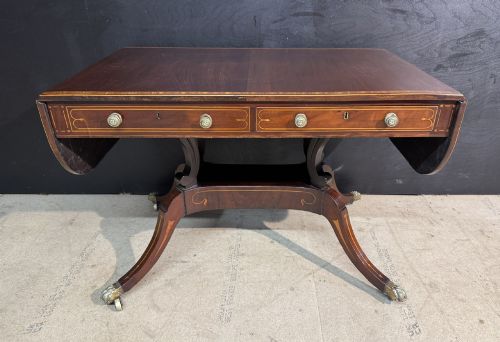
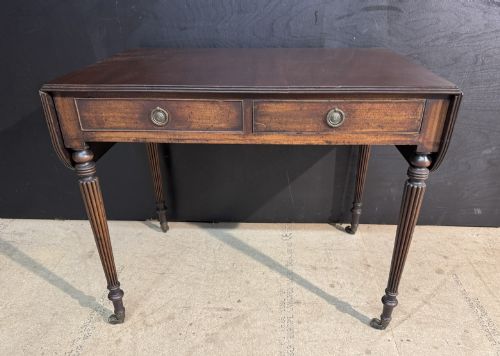
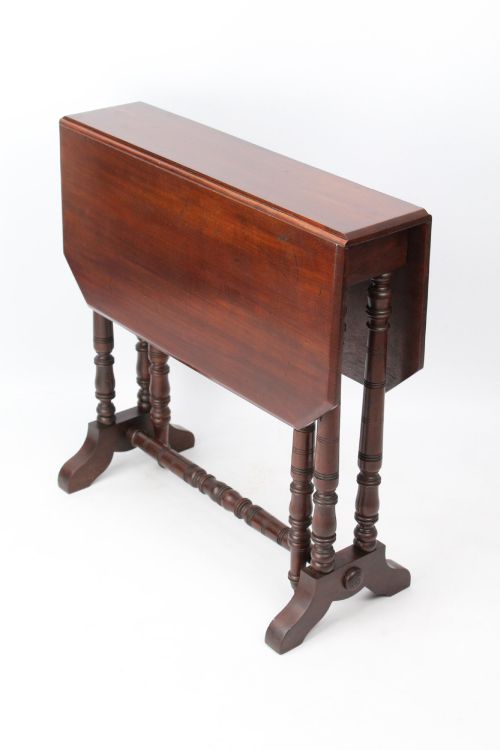
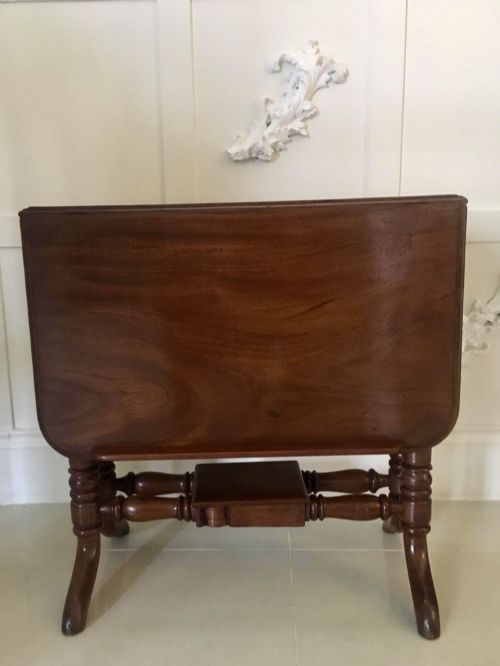
A mahogany table with leaf spans substantial dining tables designed for large gatherings and smaller functional pieces such as Pembroke, sofa, and occasional tables.
The pieces on this page originate across the eighteenth, nineteenth, and early twentieth centuries, encompassing Georgian, Regency, William IV, Victorian, and Edwardian periods.
Extending dining formats frequently appear alongside drop-leaf and pedestal constructions, reflecting diverse domestic requirements from townhouses to country residences.
Materials and Construction
Makers utilised solid timbers alongside figured mahogany veneers, occasionally incorporating Cuban mahogany for dense, rich grain patterns.
Secondary woods and decorative accents such as satinwood, rosewood, brass hardware, and leather inserts complement the primary timber frames.
Support systems range from twin and multiple pedestals to reeded legs, bamboo-turned supports, and cabriole legs with pad or claw and ball feet.
Listings feature mahogany, satinwood, rosewood, and brass across Georgian, Regency, Victorian, and Edwardian dining, Pembroke, and sofa tables.
Evaluating Craftsmanship
The distinction between ordinary and exceptional pieces rests in the selection of figured timber, the precision of cabinetwork, and the integration of extending mechanisms.
Finer examples display careful grain matching across added leaves and tabletops, alongside robust internal framing that ensures stability when fully extended.
Carved details, inlay work, and original hardware components further differentiate workshop output across the distinct stylistic periods.
William and Gibton·James Garvie and Sons·Gillows of Lancaster
The Mahogany Table with Leaf Glossary
- Leaf
- A removable section of a table top used to lengthen the surface for dining. These boards are stored separately when not in use.
- Pembroke table
- A small table with hinged drop flaps on either side and usually a single drawer. It originated in the eighteenth century as a versatile piece for breakfast or writing.
- Wind-out mechanism
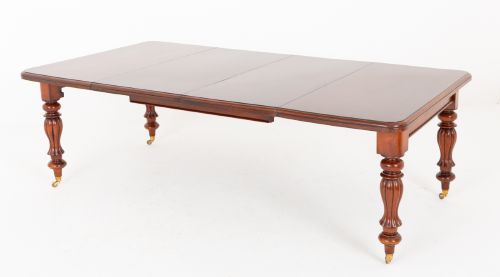
- An internal screw action operated by a handle that parts the table top to accept extra leaves. This system became common during the Victorian period.
- Crossbanding
- A decorative border of veneer laid around the edge of a table top with the grain running perpendicular to the centre panel. It creates a neat visual frame.
- Sofa table
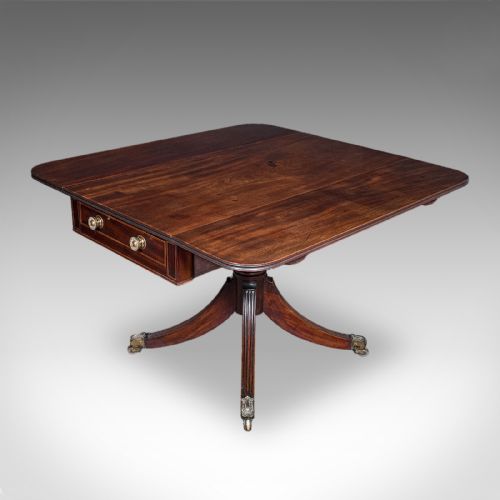
- A rectangular occasional table designed to stand in front of a sofa, featuring drop leaves at the ends and drawers in the frieze.
Mahogany Table with Leaf: Frequently Asked Questions
How do extending leaves work?
Many tables utilise a winding mechanism with a handle that parts the halves to insert matching boards. Others rely on simple pull-out rails where loose leaves drop securely into place.
Original leaves often retain numerical markings or maker stamps underneath to ensure they return to their correct positions within the table top.
How are different periods identified?
Georgian pieces generally show clean classical lines with solid mahogany construction and subtle carving. Regency and William IV examples introduce heavier pedestals, brass details, and rosewood crossbanding.
Victorian tables often feature wind-out mechanisms and robust carved legs, while Edwardian pieces lean towards lighter proportions with delicate satinwood inlay.
What is Cuban mahogany?
Cuban mahogany is a dense timber harvested from the Caribbean that became popular during the eighteenth century. It is prized for its deep colour and intricate, heavy grain patterns.
Because supplies dwindled, its presence often indicates an earlier piece of significant quality and weight.
Where were leaf carriers used?
Leaf carriers were separate storage stands or cabinets designed to hold extra leaves safely when the table was closed. They protected the polished surfaces from warping and accidental damage.
These accessories are particularly associated with larger nineteenth-century dining tables that required multiple boards.