
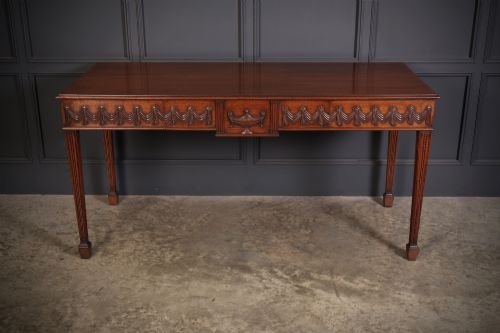
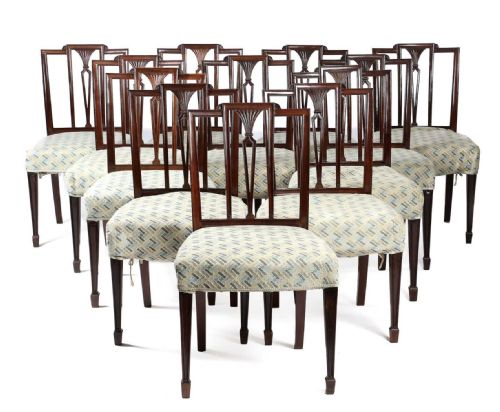
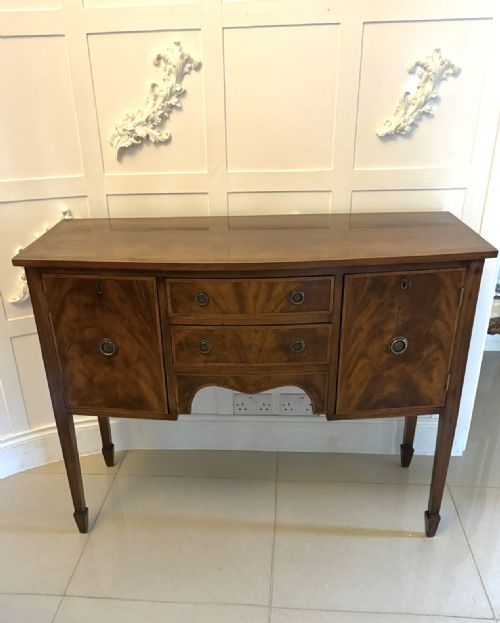

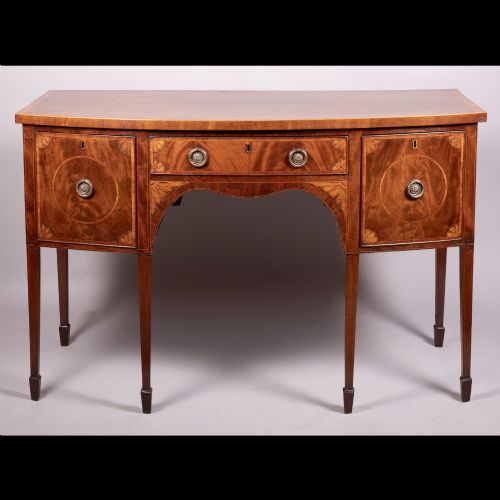



Sheraton Dining Table
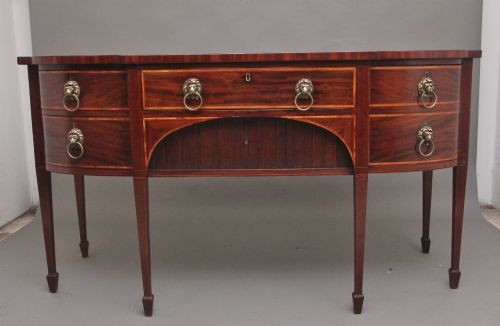
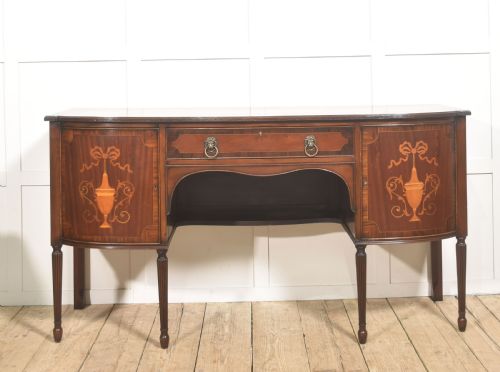
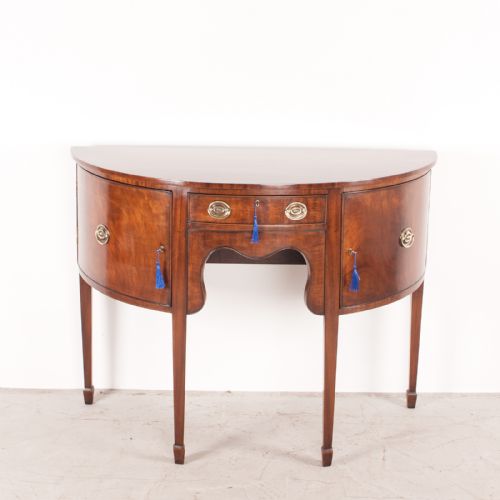
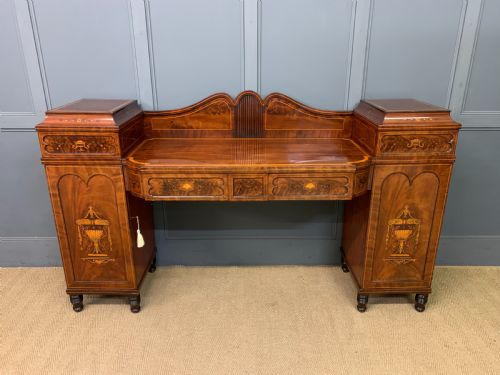
These sheraton dining table pieces combine refined mahogany timber with delicate stringing, offering practical elegance for period dining rooms.
Sheraton Dining Table
A sheraton dining table search yields examples spanning the eighteenth century through the Edwardian and Victorian eras, alongside related sideboard and serving pieces. Buyers frequently encounter twin pillar dining tables, drop leaf formats, and breakfast tables originating from Georgian and Sheraton Revival periods. These forms reflect the lighter proportions and geometric lines characteristic of late eighteenth and nineteenth-century cabinet work.
The selection includes dining tables accompanied by sets of chairs, pedestal formats, and tilt top designs suitable for versatile room layouts. Pieces from the Edwardian era often draw directly on earlier Sheraton design motifs, reproducing classical proportions with contemporary cabinet making standards. Alongside tables, related sideboards and serving pieces appear frequently, sharing the same vocabulary of straight tapered legs and inlaid details.
Materials and Technique
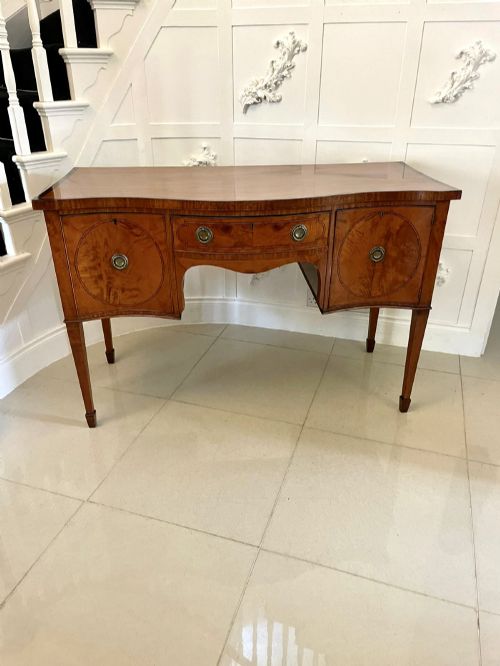
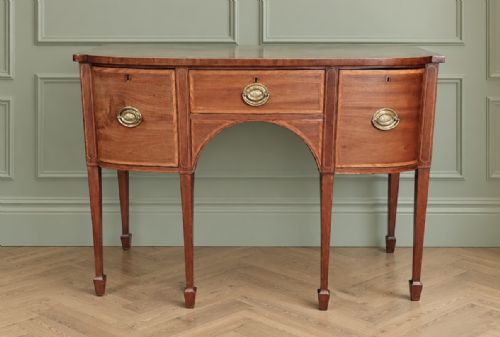
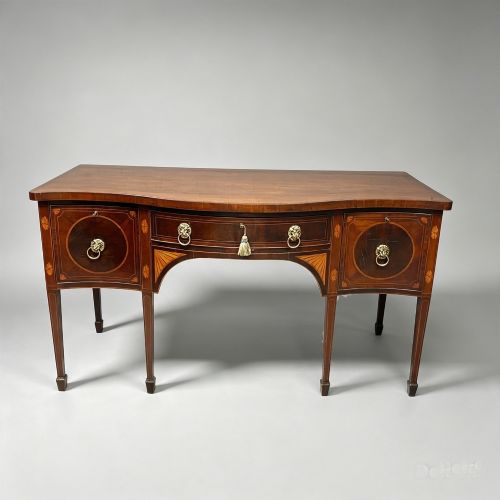
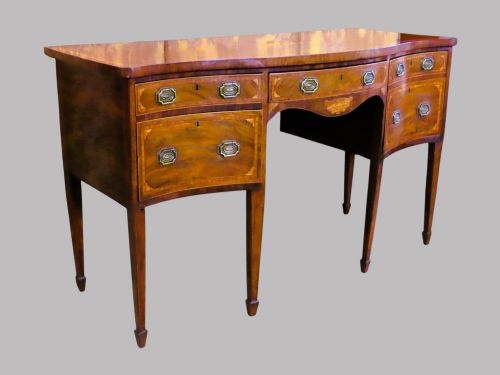
Cabinet makers built these tables primarily from solid mahogany and flame mahogany veneers, applying contrasting boxwood and satinwood inlay to define borders and panels. Timber selection prioritised rich grain figures, often enhanced by crossbanding along the table edges and sideboard borders.
Joinery techniques relied on sturdy frame construction and pedestal supports, integrating brass castors and fittings on larger tables and sideboards. Inlaid stringing and marquetry details required precise hand cutting, embedding lighter woods into dark mahogany surfaces to create linear geometric patterns.
Available forms include dining tables, Pembroke tables, serving tables, and serpentine sideboards.
Judging Quality
Quality rests on the crispness of the inlay work, the depth of the mahogany grain, and the harmony of the overall proportions. Tables and sideboards featuring finely figured flame mahogany veneers and intricate boxwood stringing stand apart from plainer utilitarian examples.
Structural integrity and original surface patination dictate the standing of a piece, distinguishing untouched period examples from later revivals. The precision of the joinery on tapered legs and the retention of original brass hardware further separate standard production items from superior workshop output.
The Woodworkers Ltd Kilkenny
The Sheraton Dining Table Glossary
- Crossbanding
- A strip of veneer applied to the edge of a table top or drawer front so the grain runs perpendicular to the main surface. This technique frames the primary timber and provides a neat border.
- Satinwood
- A light yellowish timber used extensively for contrasting inlay, banding, and stringing on mahogany furniture. Its bright tone highlights geometric panels and edge details.
- Serpentine
- A curved furniture front characterised by a convex centre flanked by concave ends. This undulating shape requires skilled woodworking to follow the sweeping contour.
- Pedestal
- A central column support resting on splayed legs, commonly found on dining tables and serving pieces. It allows greater legroom around the table perimeter.
- Stringing
- Thin inlaid lines of contrasting light wood set flush into the mahogany surface. It forms delicate borders around table tops, drawer fronts, and sideboard panels.
Sheraton Dining Table: Frequently Asked Questions
What defines a sheraton dining table?
These tables are defined by light graceful proportions, straight tapered legs, and refined mahogany surfaces often decorated with satinwood inlay. The style emerged in the late eighteenth century and influenced subsequent revival pieces.
They offer a formal yet functional dining surface that complements traditional and period interiors without dominating the room.
How do I care for mahogany tables?
Maintain mahogany timber by keeping it away from direct heat sources and sudden humidity changes that cause wood to split. Regular dusting with a soft dry cloth preserves the polished surface.
Apply beeswax periodically to nourish the grain and protect the antique finish from everyday wear.
Are these tables suitable for daily use?
Period dining tables provide sturdy construction capable of handling regular family meals and gatherings. Using protective mats helps prevent heat and moisture marks on the polished wood surface.
Their robust timber frames ensure they remain functional pieces of furniture in a modern household.
How do I distinguish Georgian from revival pieces?
Georgian tables show period construction methods, distinct timber ageing, and hand tool marks on concealed secondary woods. Revival pieces from the Victorian and Edwardian eras utilise nineteenth or twentieth-century machinery and standardised fixings.
Comparing secondary timbers, hinge types, and overall wear patterns helps clarify the exact manufacturing era.