




Mahogany Striking Clock
A mahogany striking clock brings mechanical timekeeping into a room with the deep tone of a bell and the warm grain of period timber.
Mahogany Striking Clock
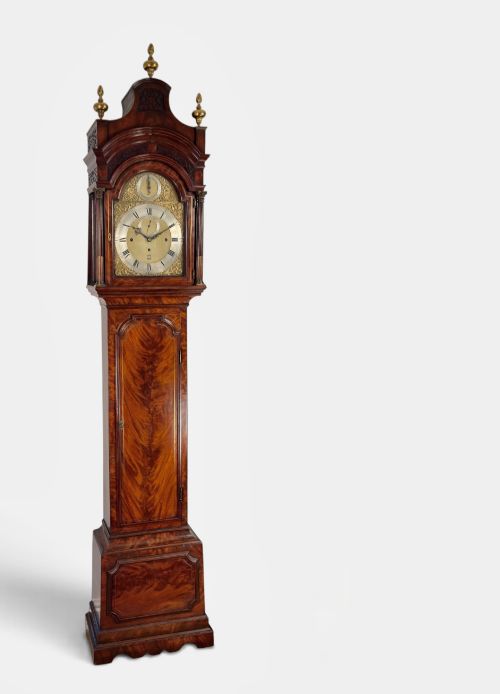
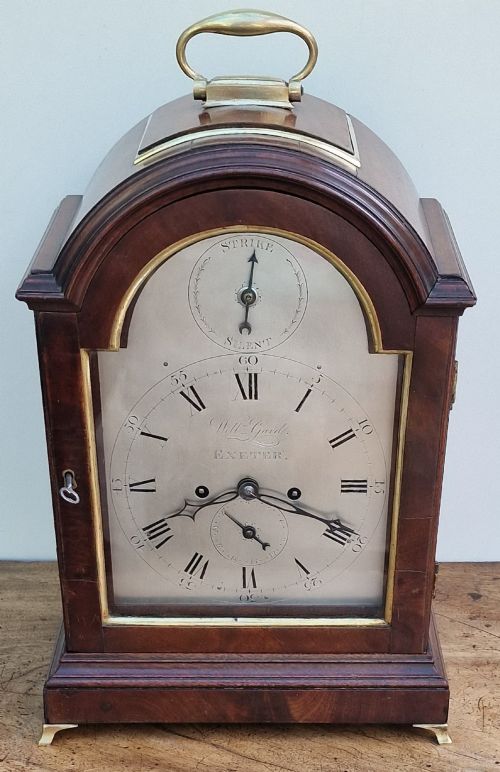
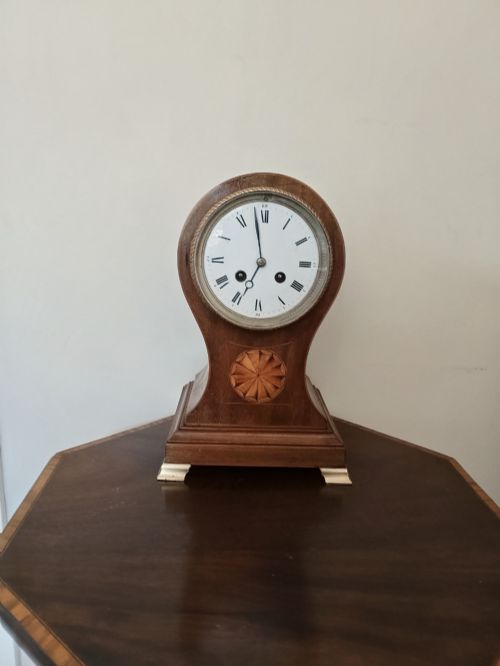
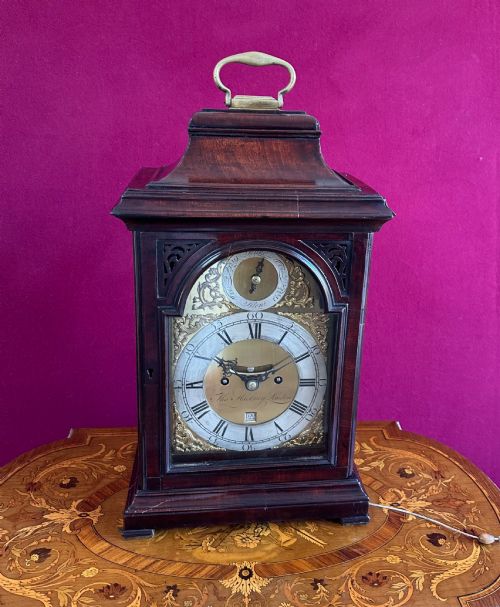
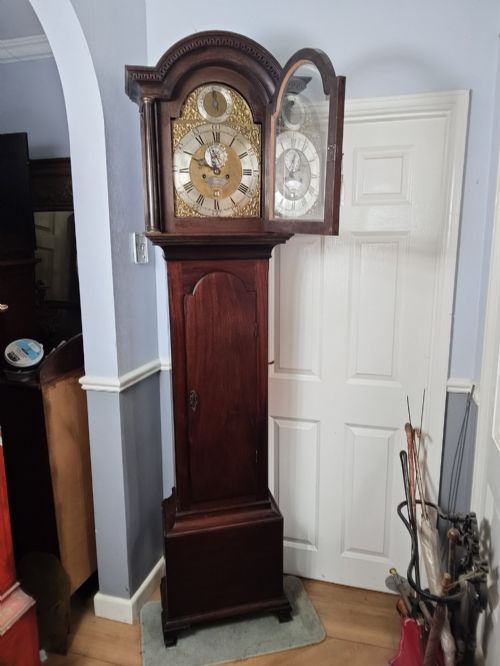
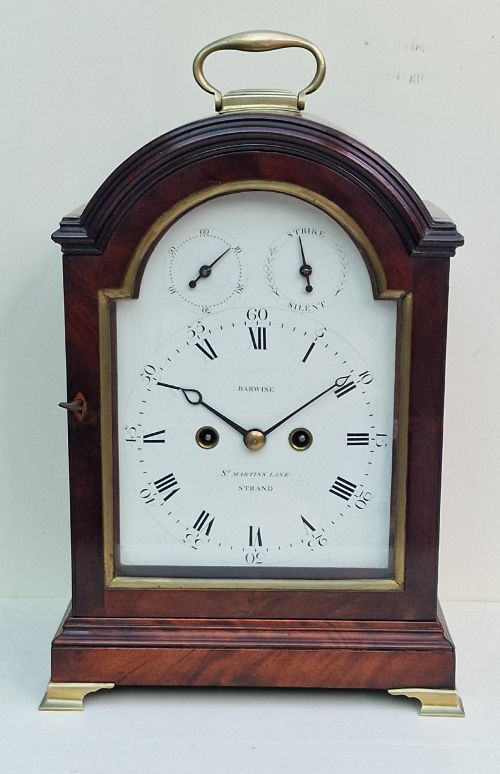
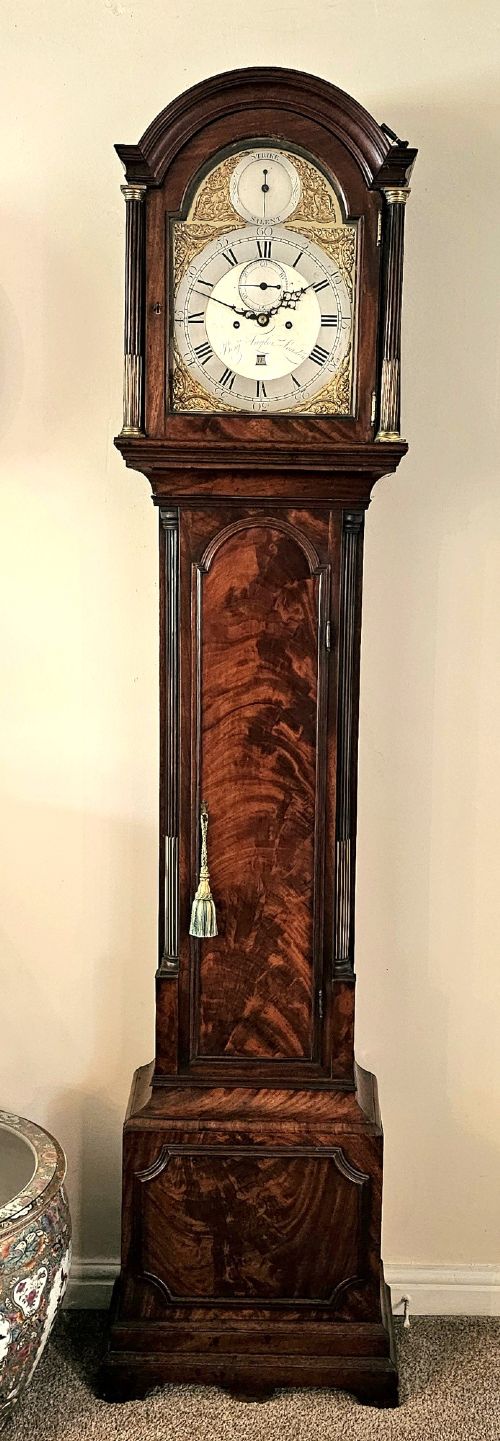
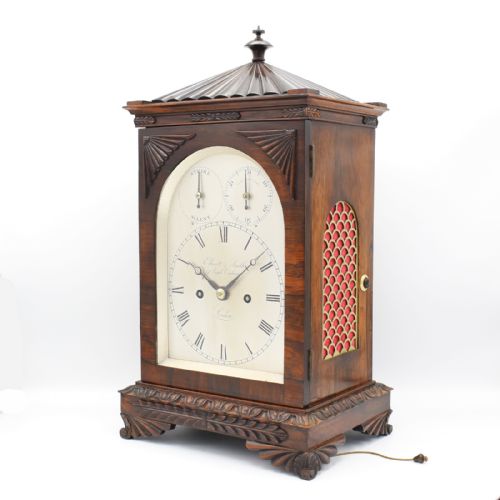
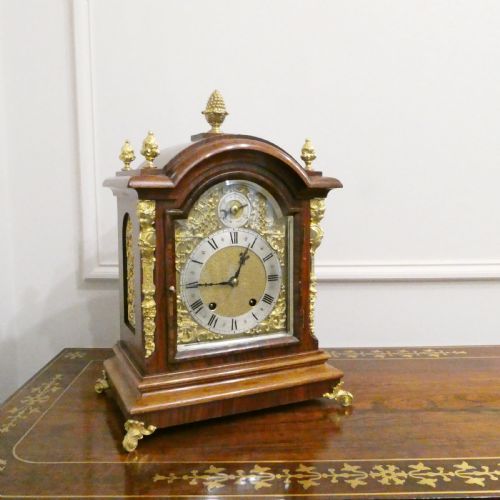
A mahogany striking clock encompasses longcase grandfather clocks, bracket table clocks, and wall-mounted drop-dial variants originating from the Georgian, Regency, and Victorian eras. These timepieces served domestic and public spaces alike, relying on weight-driven or spring-driven movements to register hours and quarters.
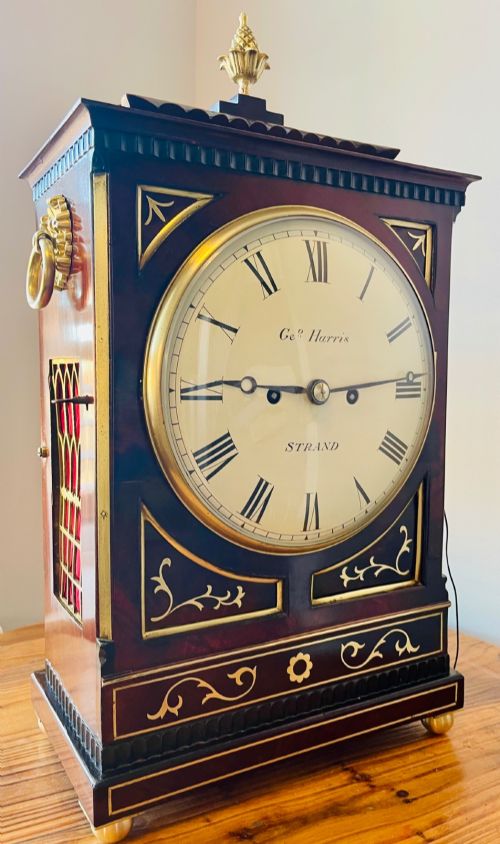
Longcase clocks dominate the taller end of the spectrum, housing substantial movements and pendulums within polished timber trunks. Bracket and mantel clocks offer a more compact profile designed for shelves or tables, frequently incorporating brass carrying handles and decorative fretwork.
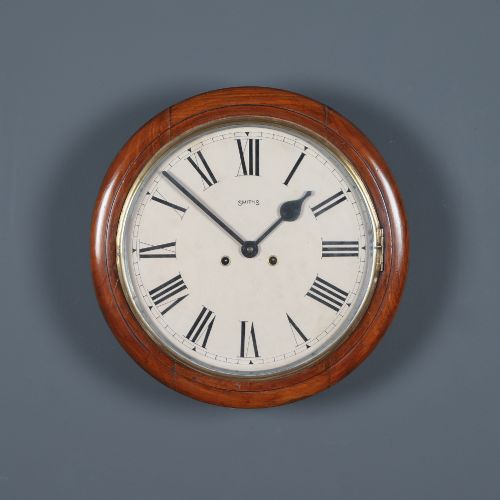
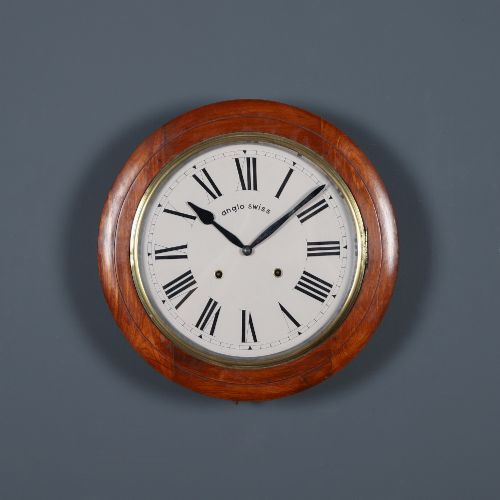
Wall clocks, particularly drop-dial examples found in railway stations and schools, present circular faces above hanging cases intended for clear visibility in busy environments. The mahogany housings range from plain architectural boxes to richly inlaid surfaces featuring satinwood or brass stringing.
How They Were Made
Cabinetmakers constructed the enclosures using solid mahogany and flame mahogany veneers, frequently accented with brass inlay, gilt mounts, and glass panels. Dials were formed from silvered brass, painted metal, or white enamel, carrying Roman or Arabic numerals.
Inside, brass gear trains operated via fusee or verge mechanisms, utilising weights or coiled springs to power the striking train. Bells or gongs produced the audible chime, sometimes supported by twin fusee setups that maintained even tension across an eight-day run.
Several examples include strike-silent levers, allowing owners to abruptly quiet an otherwise chatty household.
What Varies in Quality
The sophistication of the internal movement dictates much of the standing, with twin-fusee and quarter-striking configurations demonstrating greater mechanical complexity than simple time-and-strike designs. Signed dials by notable makers command higher regard than anonymous workshop productions.
Cabinet construction shows distinct tiers of execution, moving from utilitarian school wall boxes to finely proportioned bracket clocks with delicate wood selection and crisp brass mounts. The preservation of original movement parts and dial lettering heavily influences the integrity of the piece.
John Ellicott·James McCabe·Winterhalder & Hofmeier·Japy Freres·John Shelton
The Mahogany Striking Clock Glossary
- Fusee
- A conical pulley used in spring-driven clocks to equalize the diminishing power of the mainspring as it unwinds. This mechanism ensures consistent force is delivered to the gear train throughout the eight-day cycle.
- Drop-dial
- A wall clock design featuring a circular dial attached to an extended lower wooden case that houses the pendulum. This form became common in offices, stations, and large domestic rooms during the nineteenth century.
- Bracket clock
- A portable table clock designed originally to sit on a wall bracket or desk. Many examples feature arched tops and protective glass side panels to view the escapement.
- Strike silent
- A mechanical lever that allows the owner to silence the clock's chime while keeping the timekeeping train running. This function was particularly useful in bedrooms during the night.
- Verge movement
- An early type of escapement utilising a crown wheel and pallets to control the release of power. It represents older Georgian engineering standards before anchor escapements became dominant.
Mahogany Striking Clock: Frequently Asked Questions
How do I wind an eight day clock?
Use the designated winding key to turn the arbors located on the dial face until resistance is felt. Care should be taken not to overwind the springs or weights.
Ensure the key matches the square of the winding arbor precisely to avoid damaging the delicate brass components inside the movement.
Why does my clock strike the wrong hour?
The striking train can fall out of synchronization with the hands if the minute hand is moved counterclockwise or if the clock was forced during transit. Advancing the minute hand slowly past each hour allows the rack and snail mechanism to realign.
If the problem persists, a professional horologist may need to check the internal count wheel or rack assembly for wear.
Where should I place a mahogany striking clock?
Position the clock away from direct sunlight, central heating vents, and damp exterior walls to protect the mahogany veneer and internal wood seasoning. Stability is paramount, particularly for longcase clocks which require a level floor to beat evenly.
Interior walls or sturdy mantelpieces provide the necessary support to keep the pendulum swinging truly without outside interference.
How do I tell an antique from a later reproduction?
Examine the timber construction, movement plates, and fixing screws for signs of age-appropriate wear and hand-finishing techniques. Older movements often display hand-cut teeth and maker signatures engraved directly onto the brass backplate.
Machine-made screws, modern adhesives, and uniform factory finishes usually indicate a twentieth-century reproduction rather than a period Georgian or Victorian piece.