
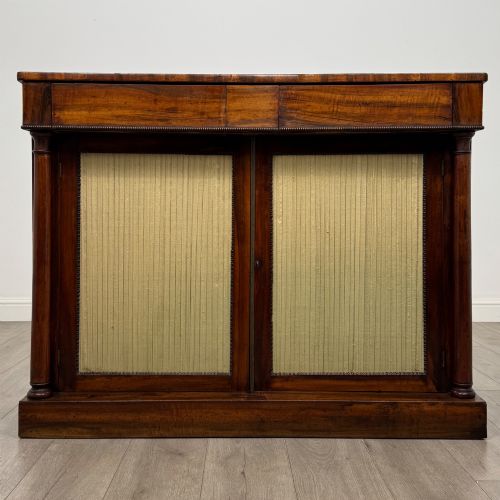
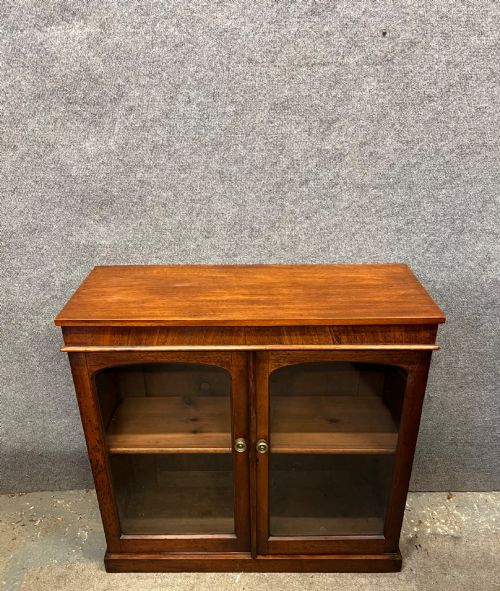
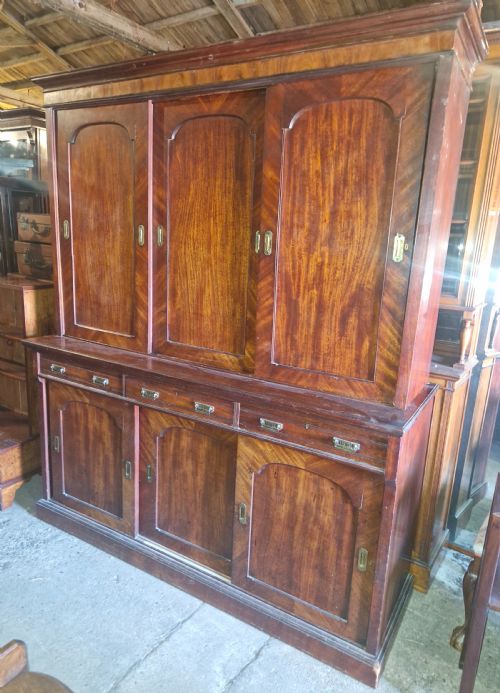
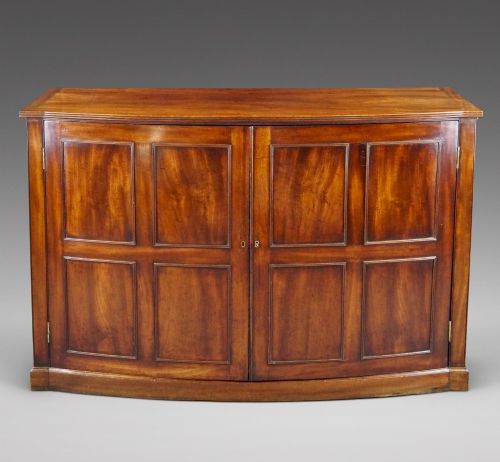

Mahogany Storage Cupboard Bookcase
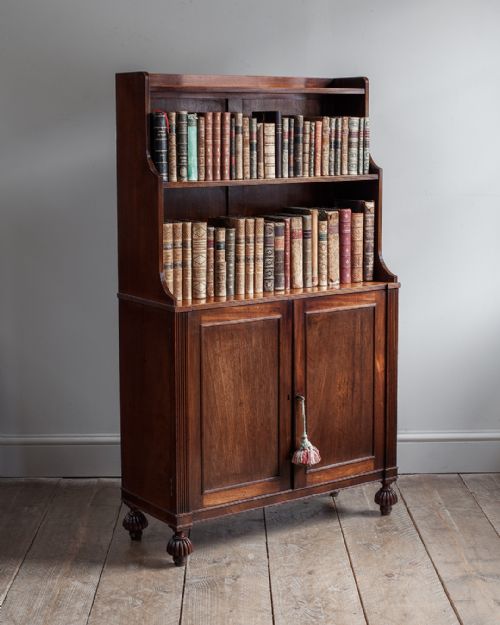
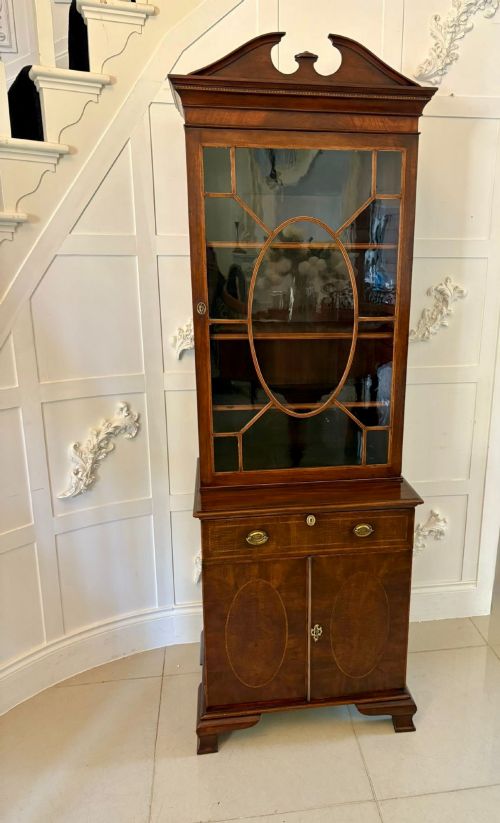
These mahogany storage cupboard bookcases combine practical shelving with enclosed storage, offering a classic solution for organising books and household items.
Mahogany Storage Cupboard Bookcase
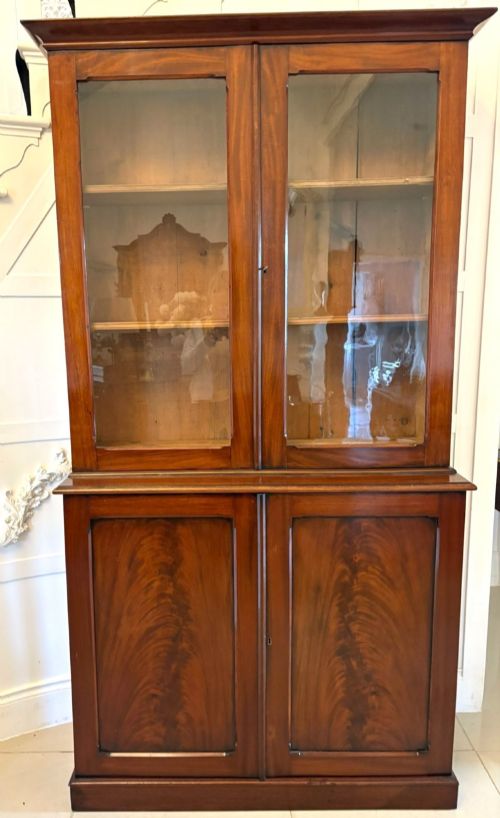
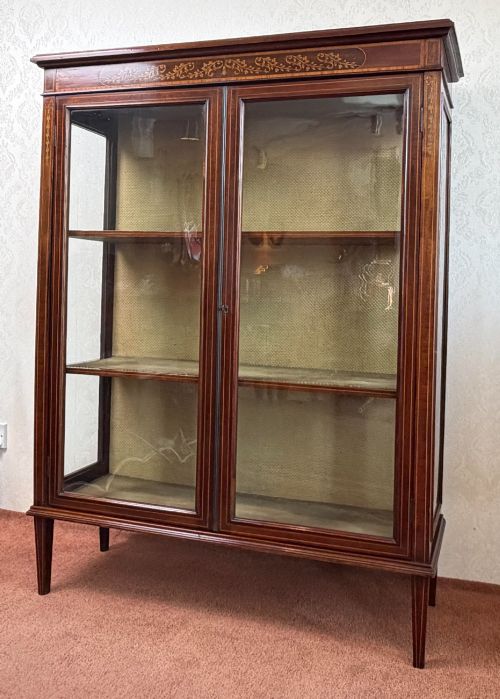
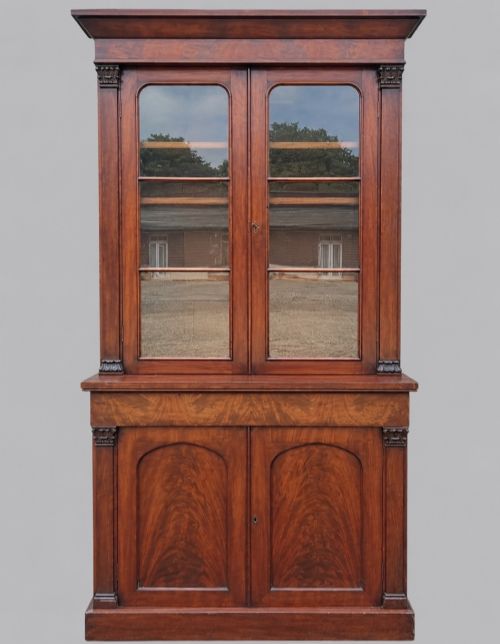
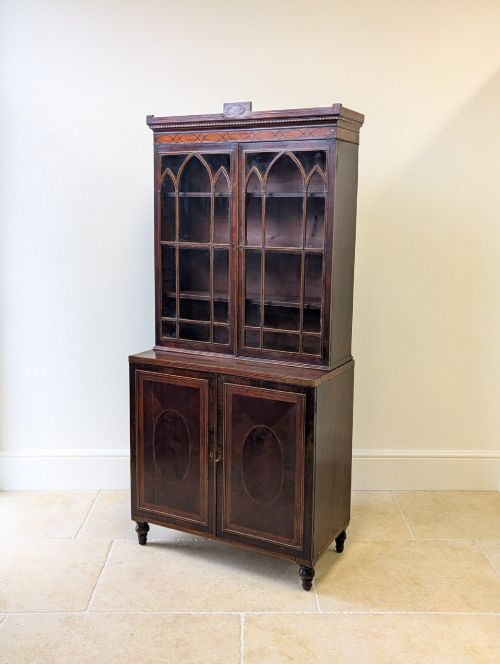
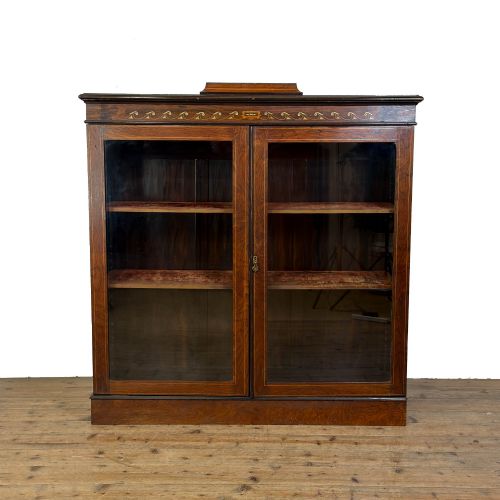
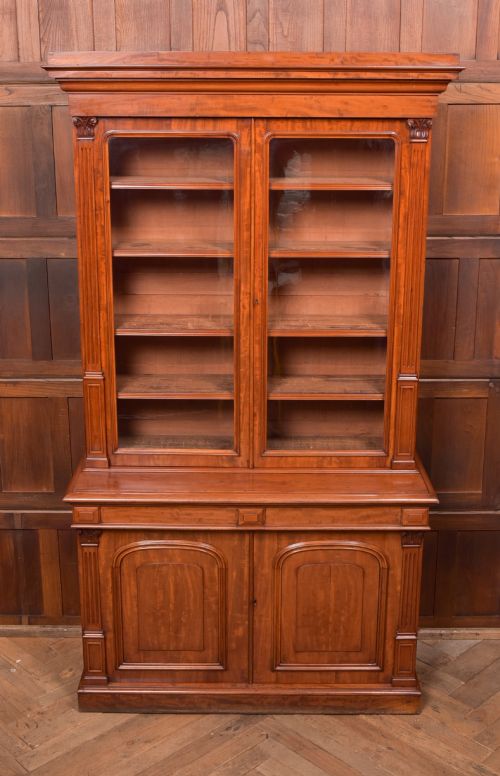
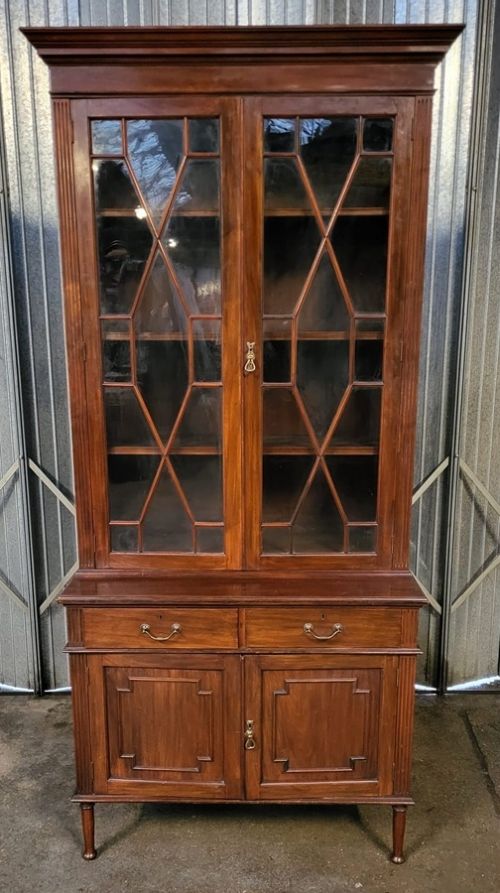
A mahogany storage cupboard bookcase provides a dual function, featuring upper display shelving or glazed doors paired with lower solid cupboards. Buyers searching for a mahogany storage cupboard bookcase will find examples spanning from the Georgian and Regency eras through the Victorian and Edwardian periods.
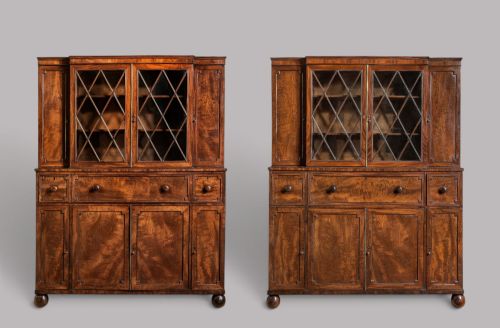
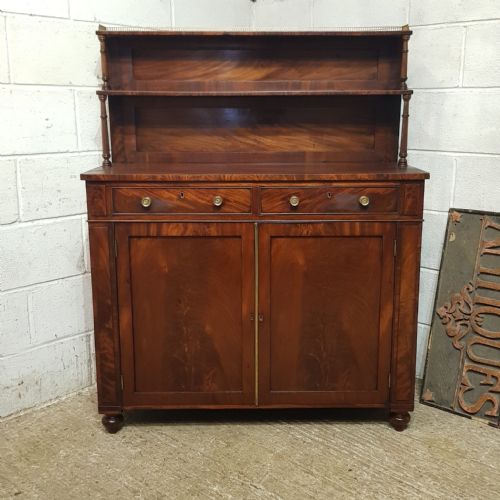
The selection ranges from large country house library pieces and breakfront bookcases to smaller chiffoniers, corner cupboards, and tabletop repositories. Pieces appear in various stylistic interpretations, including George III, William IV, Sheraton Revival, and Victorian Gothic designs.
Origins heavily reflect British cabinetmaking traditions across the eighteenth and nineteenth centuries, incorporating functional forms like campaign cabinets, bookcase chests, and two-door side cabinets.
Determinants of quality
The standard of timber selection and figure sets superior examples apart, with highly figured mahogany veneers commanding greater appreciation. Finer execution shows in the precision of satinwood inlay, brass detailing, and the crispness of carved mouldings.
Structural integrity and the retention of original glazing, backboards, and interior shelving govern the overall standing of each cabinet. Pieces bearing attribution to established workshops display a higher level of refined joinery and interior fitting.
Some Victorian captain's bookcases feature hidden compartments originally designed for securing private logs and navigating spirits.
Gillows·Maple & Co.·Thomas Bradshaw
The Mahogany Storage Cupboard Bookcase Glossary
- Mahogany
- A durable tropical hardwood valued for its rich reddish-brown colour and stability in furniture construction. It accepts polish exceptionally well and was the predominant timber for quality case pieces through the Georgian and Victorian periods.
- Breakfront
- A cabinet design where the central section projects forward from the flanking wings. This architectural arrangement creates depth and visual rhythm on large library bookcases and sideboards.
- Chiffonier
- A compact sideboard or cabinet featuring a lower cupboard enclosed by doors, often surmounted by a shelf or small superstructure. They became popular in Regency and Victorian interiors for storing tableware or books.
- Satinwood Inlay
- A decorative technique using contrasting light-coloured satinwood veneers inserted into recesses within the primary mahogany surface. This method created delicate geometric borders, fans, and floral motifs, particularly during the Sheraton Revival.
- Glazed Top
- The upper section of a bookcase fitted with glass panels held within wooden framing bars. It allowed books to be displayed and protected from dust simultaneously.
Mahogany Storage Cupboard Bookcase: Frequently Asked Questions
What is a mahogany storage cupboard bookcase?
A mahogany storage cupboard bookcase is a combined furniture form featuring open or glazed shelving above enclosed lower cupboards. These pieces were designed to store books in the upper section while concealing household items or papers below.
They appear in various formats, ranging from tall library bookcases to compact chiffoniers and corner cabinets produced across the eighteenth and nineteenth centuries.
How do I date a mahogany bookcase?
Dating relies on observing structural characteristics, hardware, timber types, and stylistic details associated with periods like Georgian, Regency, or Victorian. Earlier pieces often display solid timber construction and simpler joinery, while later Victorian and Edwardian examples may incorporate elaborate figured veneers and machine-made elements.
Secondary woods, such as pine found inside drawers, and the style of inlay or brass handles also provide reliable chronological indicators.
Where were these bookcases used?
These pieces served primarily in libraries, studies, and drawing rooms of large townhouses and country estates. Larger cabinets accommodated extensive private book collections and estate paperwork.
Smaller side cabinets and corner cupboards suited more intimate domestic spaces, providing surface display areas alongside concealed storage for everyday items.
How should I care for mahogany furniture?
Maintain mahogany furniture by keeping it away from direct sunlight and strong heat sources, which can dry out the timber and cause veneers to lift. Dust regularly with a soft, dry cloth and apply a quality beeswax periodically to nourish the polished surface.
Avoid using silicone-based sprays, as they can build up and soften traditional polish over time.