

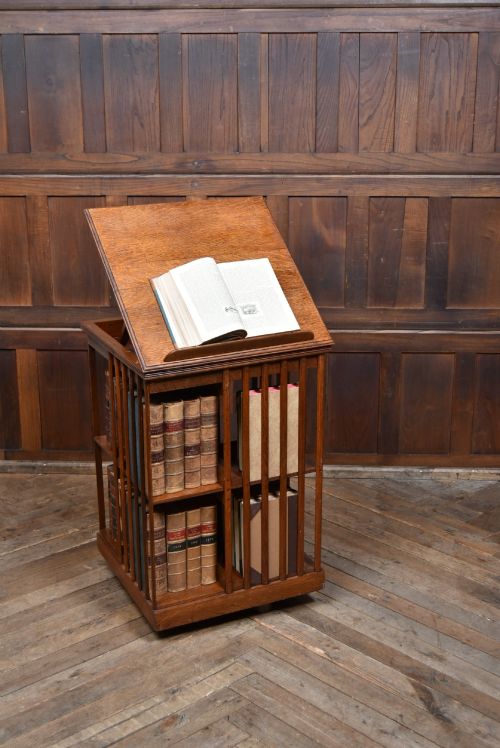
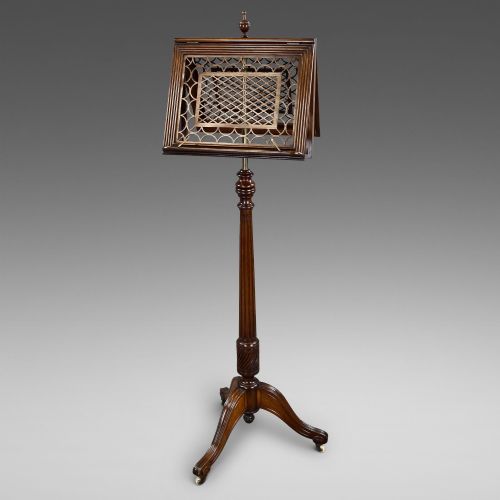
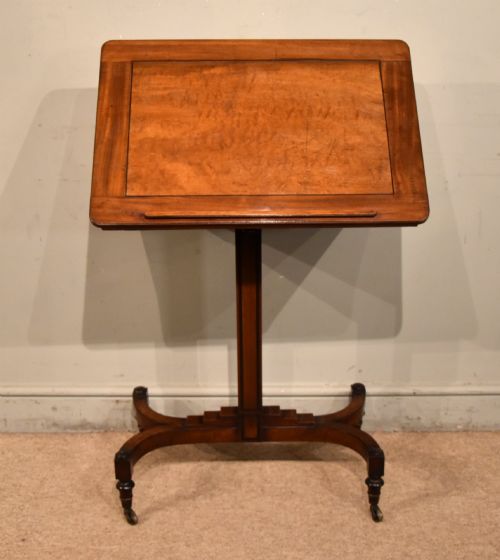
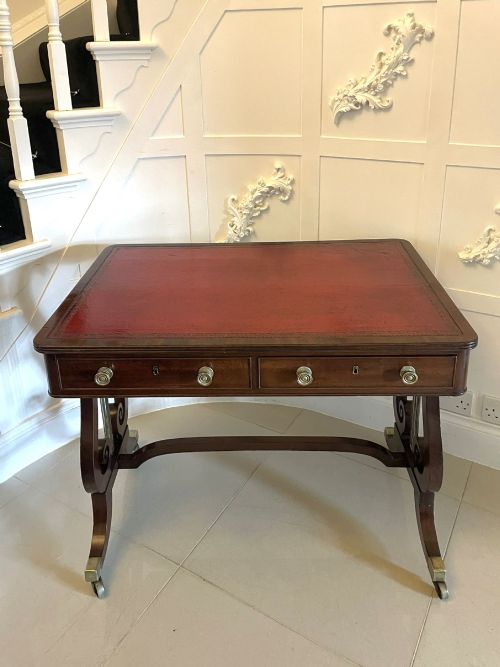
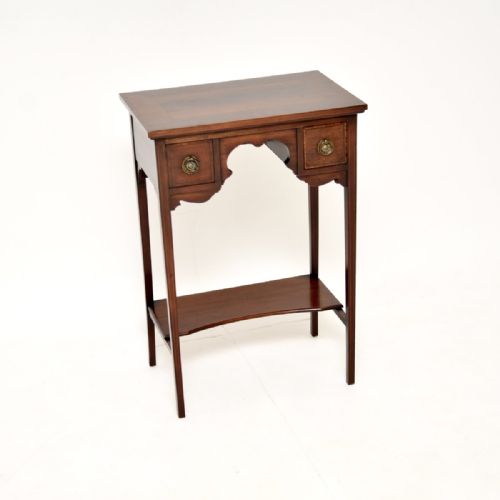
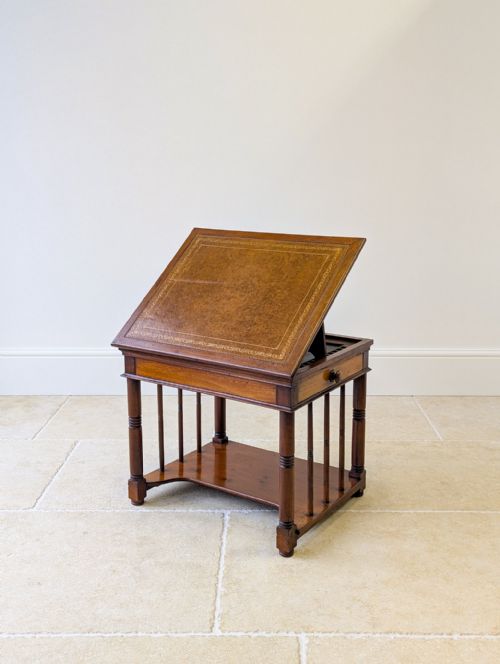
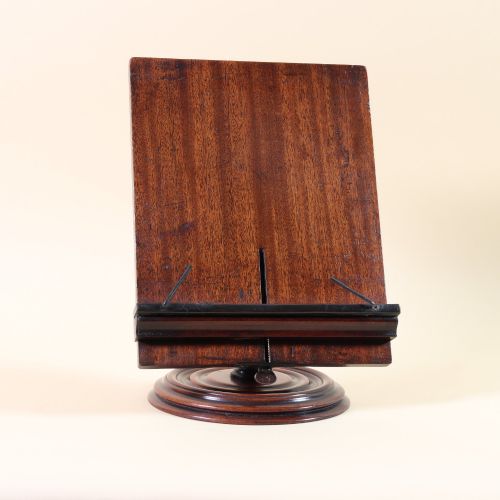
Mahogany Standing Desk
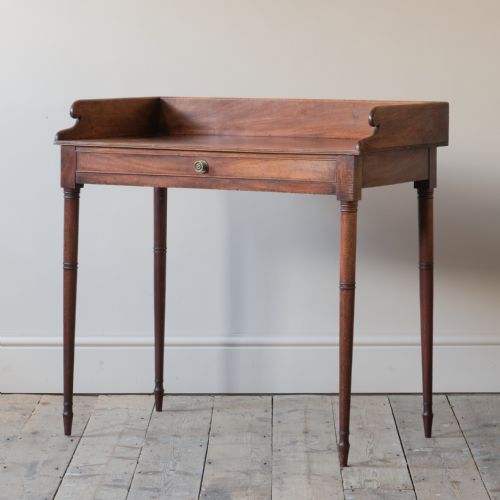
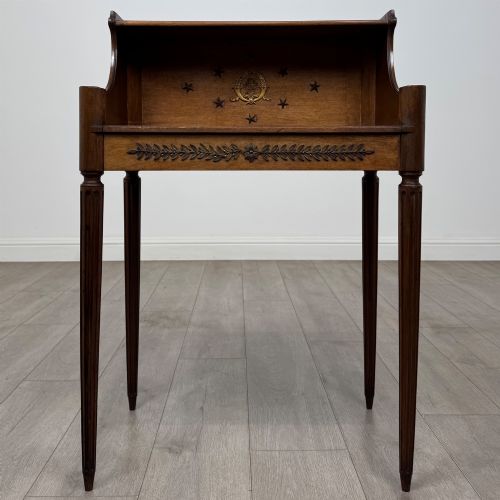
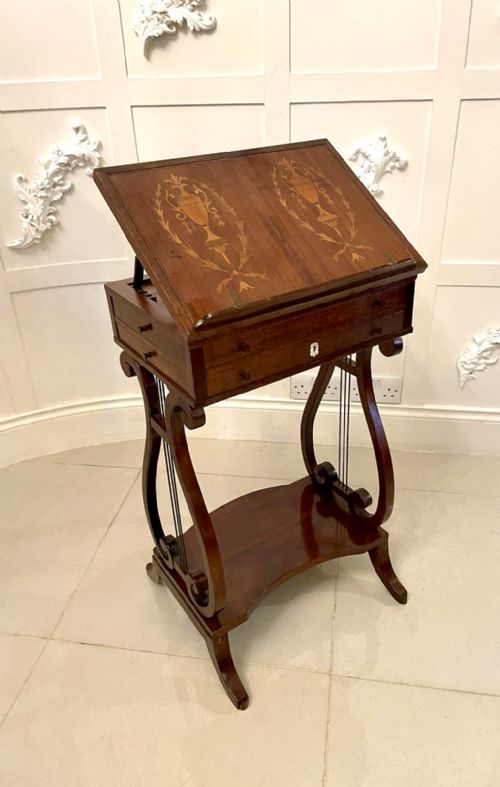
A mahogany standing desk provides an elevated surface for writing or drafting, combining sturdy timbers with practical height for daily work.
Mahogany Standing Desk
When you search for a mahogany standing desk, you encounter pieces designed for upright work, study, or drafting across various historical periods.
The selections span Georgian, Regency, Victorian, and Edwardian eras, incorporating related forms such as writing desks, reading tables, and pedestal desks.
Many examples demonstrate free-standing capabilities, allowing placement away from walls within a study or library.
How They Were Made
Cabinet makers utilised solid mahogany and figured veneers, often supported by secondary timbers like oak.
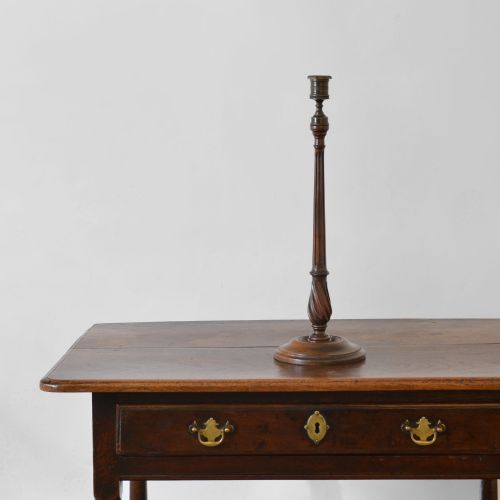
Decorative elements frequently include satinwood inlay, boxwood stringing, and applied brass details such as paw feet or handles.
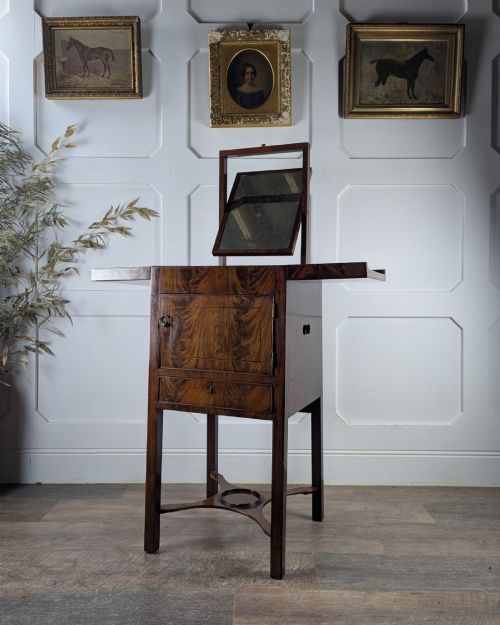
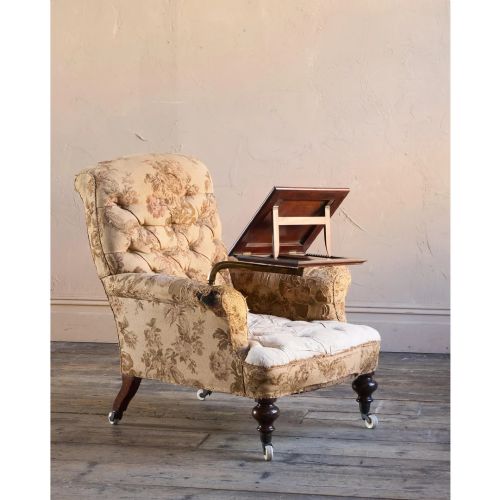
Surfaces occasionally integrate leather inserts for writing, alongside adjustable mechanisms for reading stands and slope angles.
Listings feature periods from Georgian to Edwardian alongside materials such as mahogany, satinwood, brass, and leather.
What Varies In Quality
The standard of timber selection distinguishes simpler utility pieces from grander examples, with highly figured mahogany and precise grain matching marking out finer workshops.
Complexity in construction, such as integrated cylinder tops, metamorphic actions, and inlaid stringing, separates standard production from superior craftsmanship.
Maple & Co London·Edwards and Roberts·Thomas Rubergall of London
The Mahogany Standing Desk Glossary
- Mahogany
- A durable tropical hardwood known for its reddish-brown colour and stability in furniture construction. It takes a fine polish and was heavily utilised throughout the Georgian and Victorian eras.
- Inlay
- A technique where contrasting materials like satinwood or boxwood are inserted into recesses within the primary wood surface to create decorative patterns.
- Kneehole desk
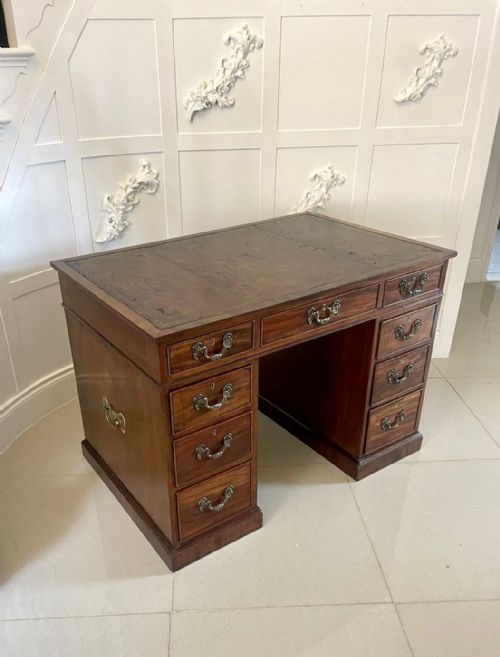
- A pedestal desk featuring a central recess for the user's legs, flanked by banks of drawers.
- Cylinder top
- A desk featuring a rolling curved wooden shutter that conceals the writing surface and pigeonholes when closed.
- Metamorphic
- Furniture designed to transform into different forms or heights, such as an adjustable reading table or standing desk.
Mahogany Standing Desk: Frequently Asked Questions
What periods do these desks come from?
The available pieces predominantly date from the Georgian, Regency, Victorian, and Edwardian eras.
Craftsmanship and stylistic details typically reflect the design sensibilities of these specific historical periods.
Were these desks meant for standing work?
Many historical examples functioned as tall writing desks, architect's riser desks, or reading tables designed for upright use.
Adjustable mechanisms frequently allowed users to alter the height or angle of the working surface.
What materials accompany the mahogany?
Cabinet makers frequently incorporated brass fittings, leather writing surfaces, and glass elements alongside decorative satinwood and boxwood inlay.
Secondary timbers such as oak also appear in the internal construction of drawers and carcases.
How do I identify a free-standing desk?
Free-standing pedestal and cylinder desks feature finished timber panels on all four sides rather than a plain back.
This construction allowed placement in the centre of a room rather than strictly against a wall.