


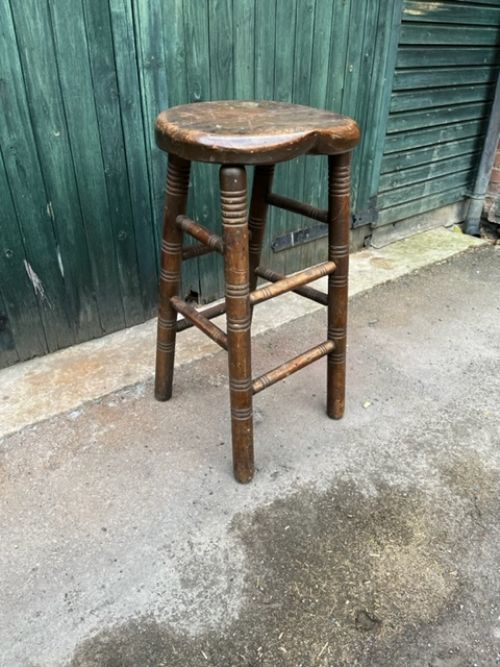

Tall Wooden Desk
A tall wooden desk brings practical workspace and period character into a room, offering practical storage through drawers and writing surfaces.
Tall Wooden Desk
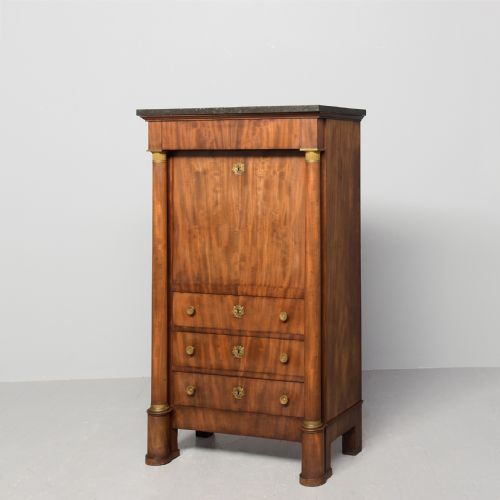
A tall wooden desk serves as a dedicated writing surface, often incorporating upright compartments or a sloping front for daily correspondence. When someone searches for a tall wooden desk, they encounter various forms including clerk's desks and secretaire abattants.
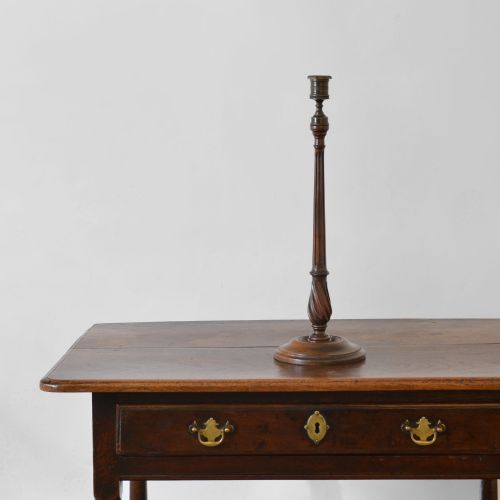
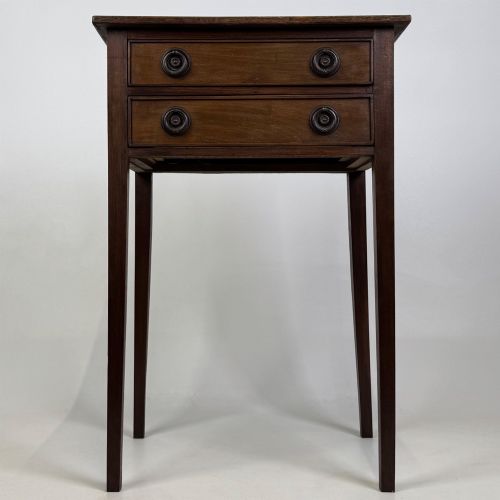
The pieces appearing on this page span several eras from the Georgian period through the Victorian age into the early twentieth century. Oak and mahogany form the primary timbers utilised across these writing surfaces and associated furniture.
Desks of this height frequently incorporate specialised storage such as secret drawers, tambour fronts, or accompanying stools. Buyers find both compact pine versions and grander golden mahogany examples among the selection.
Materials and construction
Makers constructed these desks predominantly using solid hardwoods like oak and mahogany, alongside softer pine for secondary framing. Timber selection dictated both the visual weight and the structural longevity of each piece.
Joinery methods involved traditional techniques to handle the vertical proportions and heavy usage expected of office and domestic furniture. Secondary materials such as brass fittings appeared on handles, hinges, and secret compartments.
Several desks conceal secret drawers, reminding us that past owners preferred to keep their chocolate stubs entirely confidential.
Assessing quality and character
Quality in a tall wooden desk lies in the selection of the timber grain and the precision of the joinery in drawers and internal compartments. Finer examples display carefully matched veneers or select solid hardwoods with well-executed turned details.
The integrity of the internal mechanisms, such as tambour shutters or dropping writing flaps, separates standard utility items from more accomplished pieces. Original hardware and intact secondary components contribute significantly to the standing of an individual desk.
Sier Kunst
The Tall Wooden Desk Glossary
- Secretaire abattant
- A tall fall-front desk that conceals an arrangement of pigeonholes and small drawers behind a vertical writing flap. This form originates from French cabinet making traditions.
- Tambour
- A sliding door or shutter constructed from narrow strips of wood glued to a canvas backing. This mechanism allows a flexible closure across the front of office cabinets.
- Clerk's desk
- A high writing surface designed for a person to work while standing or seated on a tall stool. These practical pieces often feature a sloping top.
- Mahogany
- A durable tropical hardwood valued for its rich reddish-brown colour and stable grain. Cabinet makers utilised this timber extensively during the Georgian and Victorian periods.
- Golden mahogany
- A specific lighter tone or finish applied to mahogany furniture, particularly favoured in nineteenth century pieces. It highlights the natural figuring of the wood.
Tall Wooden Desk: Frequently Asked Questions
What is a tall wooden desk used for?
These desks provide a raised writing surface and specialised storage compartments for correspondence and paperwork. Historically, they served merchants, clerks, and writers who required an organised workspace.
Today, buyers utilise them as functional writing stations or as architectural statement pieces within studies and living spaces. Their vertical proportions allow them to fit into compact rooms while offering substantial storage.
Are these desks suitable for daily use?
Most of these pieces were built for functional working environments and remain structurally robust for daily writing tasks. Solid timber construction ensures they withstand regular operation of drawers and writing flaps.
Owners should consider the ergonomic height of historical desks and pair them with appropriate seating. Routine maintenance involves treating the wood surfaces with appropriate waxes to protect the finish.
How do I care for antique mahogany?
Mahogany furniture benefits from regular dusting with a soft cloth and occasional treatment with quality beeswax to nourish the timber. Avoid placing these pieces in direct sunlight or near heat sources to prevent the wood from drying out.
Keeping humidity levels stable prevents the timber and glue joints from shifting over time. Gentle cleaning preserves the natural patina developed over the centuries.