

Mahogany Stand with Drawer
A mahogany stand with drawer brings versatile storage and rich timber warmth to any corner, uniting practical utility with period elegance.
Mahogany Stand with Drawer
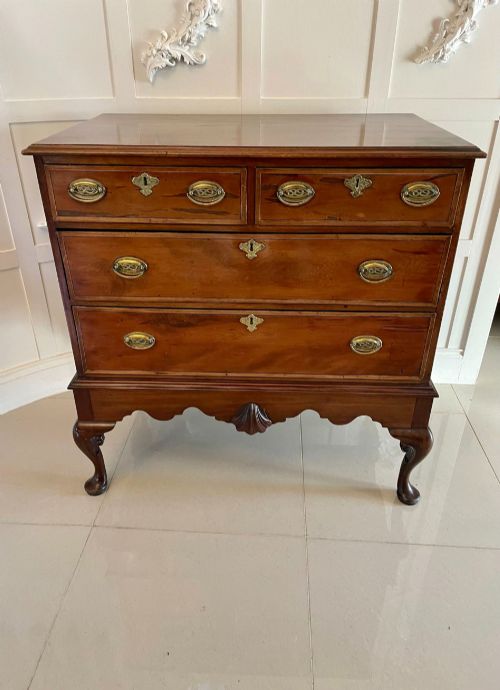
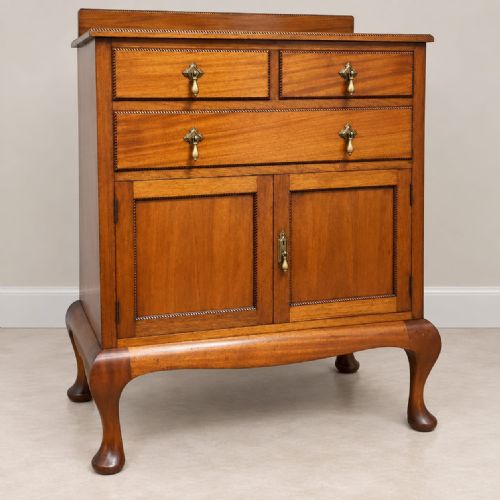
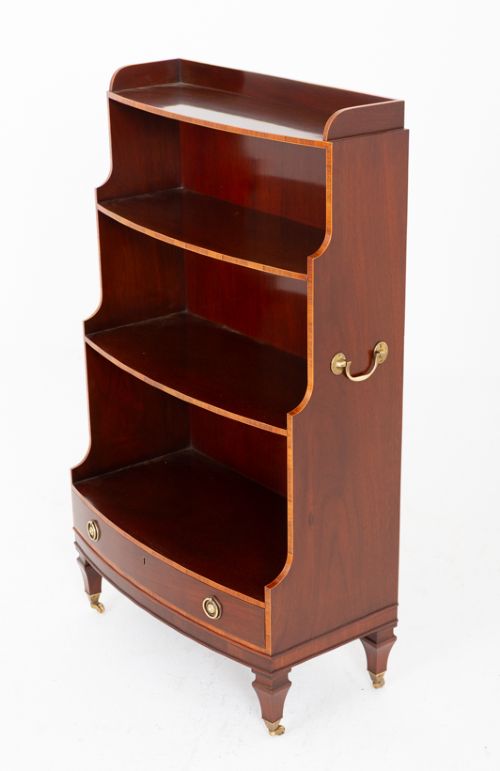
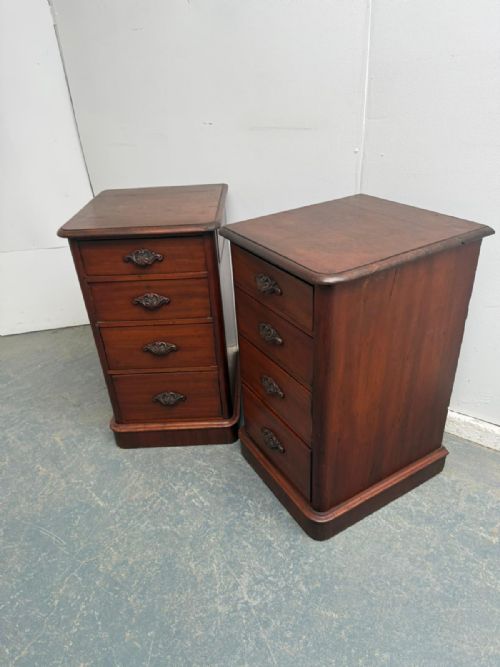
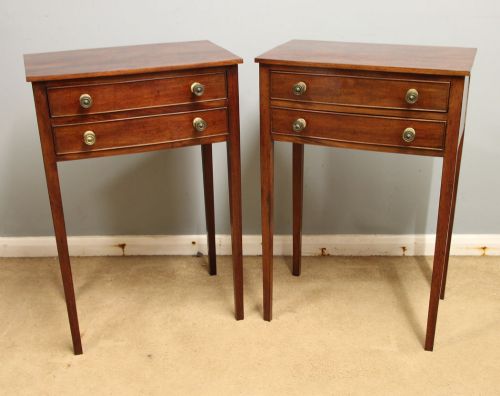
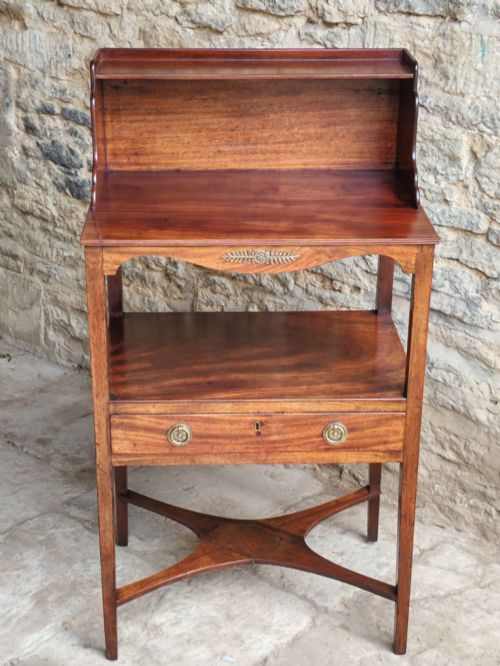
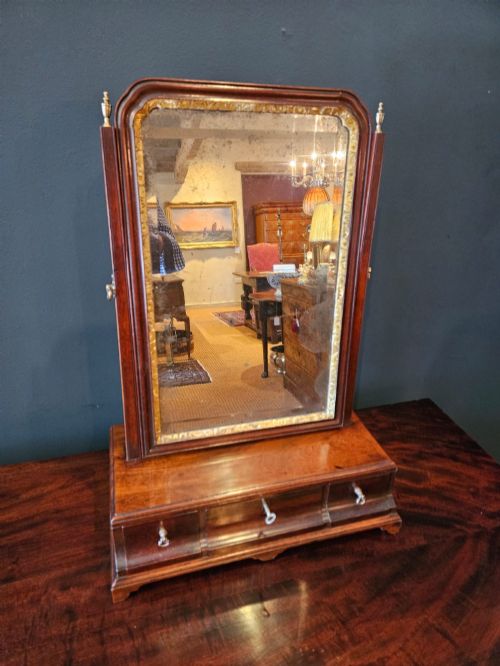
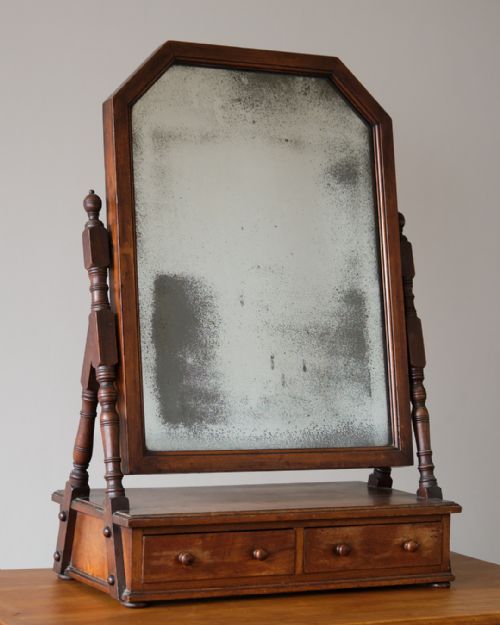
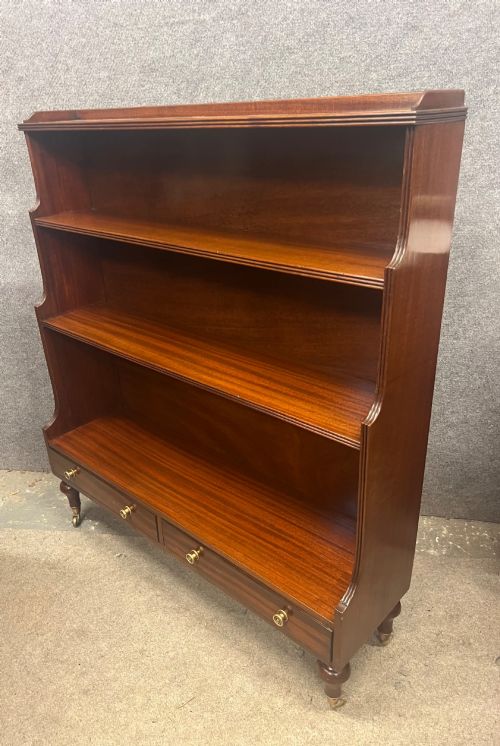
A mahogany stand with drawer spans diverse forms across the evidence, appearing as side tables, bedside tables, canterburys, lamp tables, and small display pieces. These items serve specific domestic functions, from holding writing materials and books to supporting washbasins or display items.
The pieces on this page lean heavily towards Georgian, Victorian, and Edwardian periods, reflecting craftsmanship from the eighteenth through the early twentieth centuries. Side tables and canterburys with integrated drawers dominate the selections, offering compact footprints suited to modern and traditional rooms alike.
How they were made
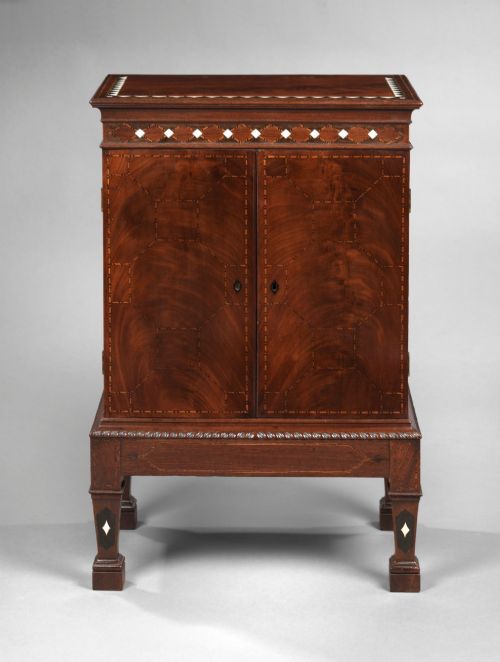
Makers utilised solid mahogany and rich veneers, often pairing the primary dark timber with secondary woods like oak and boxwood. Brass hardware, bone details, and occasional glass elements appear as functional and decorative accents.
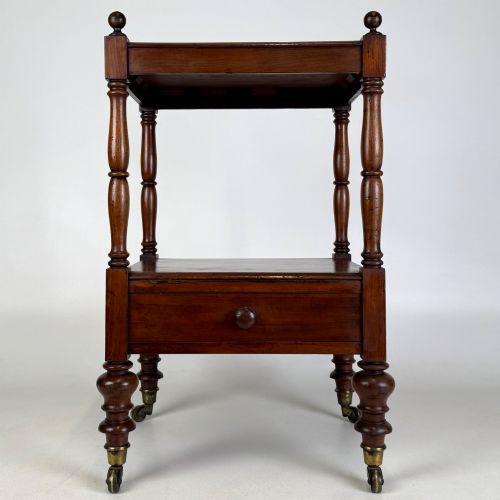
Construction methods rely on traditional joinery suited to freestanding furniture, incorporating turned columns, tiered shelves, and fitted drawers built to withstand daily use.
Some tables double as wig stands, ready to hold powdered hairpieces for an eighteenth-century evening out.
What varies in quality
Quality rests upon the crispness of carved details, the choice of timber figure, and the architectural harmony of proportions. Pieces displaying refined turning, delicate inlay, and balanced structural form stand apart from simpler provincial items.
The integrity of the drawer construction, the selection of matching grain patterns, and the retention of original brass fittings dictate the standing of an individual piece within its period.
James Winter and Sons·Gillows
The Mahogany Stand with Drawer Glossary
- Canterbury
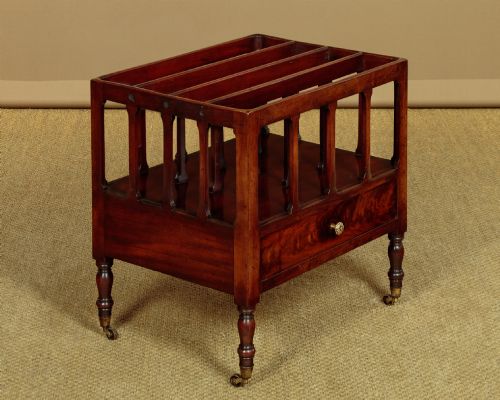
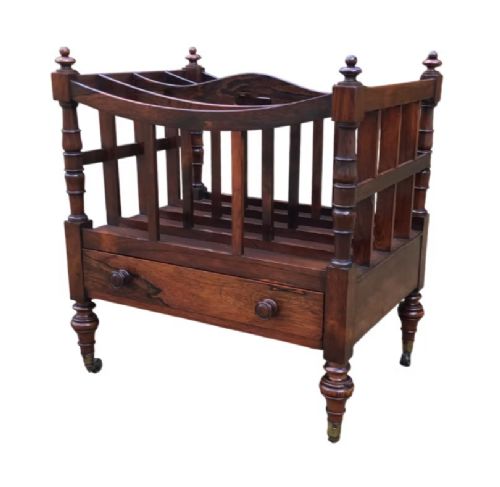
- A low, freestanding rack designed to hold sheet music, magazines, or books, frequently fitted with one or more lower drawers. These items often feature slatted partitions.
- Whatnot
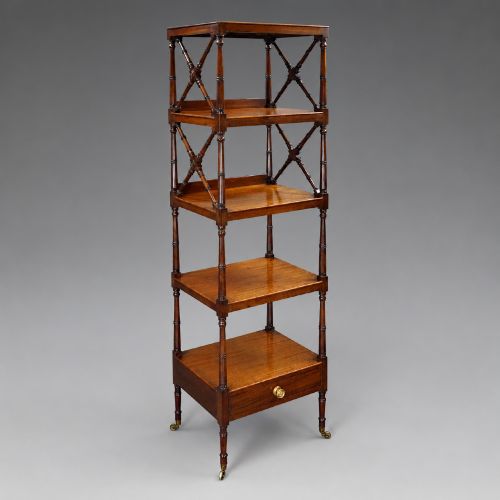
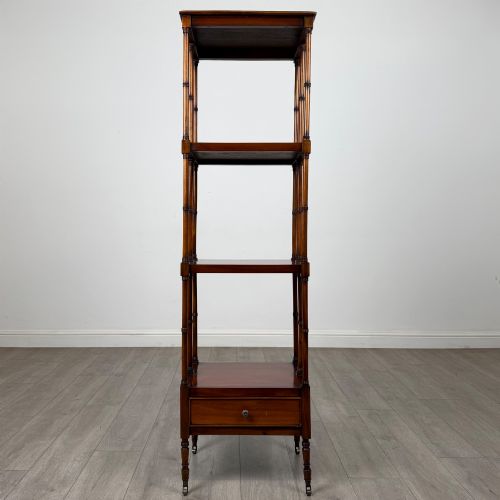
- A set of open shelves supported by pillars, used for displaying ornaments or books, sometimes incorporating a drawer at the base. Tiers multiply upwards.
- Satinwood
- A luminous, fine-grained timber with a yellowish colour, often utilised for contrasting stringing and inlay work on mahogany furniture. It highlights decorative borders.
- Cellarette
- A fitted container or cabinet designed to hold bottles, occasionally integrated into lower stands or side furniture. They provide secure cellar storage.
- Linen press
- A tall storage piece with sliding trays enclosed by doors, sometimes mounted on a base with drawers. These items are built for heavy textiles.
Mahogany Stand with Drawer: Frequently Asked Questions
What is a canterbury stand?
A canterbury is a low compartmentalised rack built for holding sheet music and periodicals. Most examples incorporate a useful drawer beneath the partitions.
Originally designed for the drawing room, these pieces offer compact vertical storage while keeping reading material close at hand.
Where should I place a bedside table?
A mahogany bedside table fits naturally beside a low bed frame or within a guest bedroom. The integrated drawer keeps small personal items hidden away.
These compact tables provide a stable surface for a lamp while introducing warm timber tones to the bedroom scheme.
How do I date a mahogany stand?
Dating relies on observing structural proportions, timber choice, and decorative motifs like reeding or inlay work. Georgian pieces tend to show restrained classical lines, whereas Victorian items often feature heavier carvings.
Matching the construction details against documented period styles helps narrow the manufacturing decade.
Are these stands suitable for modern homes?
These compact stands adapt easily to contemporary interiors as lamp tables, side tables, or display surfaces. Their small footprints make them ideal for narrow hallways or tight corners.
The durable mahogany construction ensures they handle daily use while adding historical character to modern spaces.