


Mahogany Spoon Back Chair
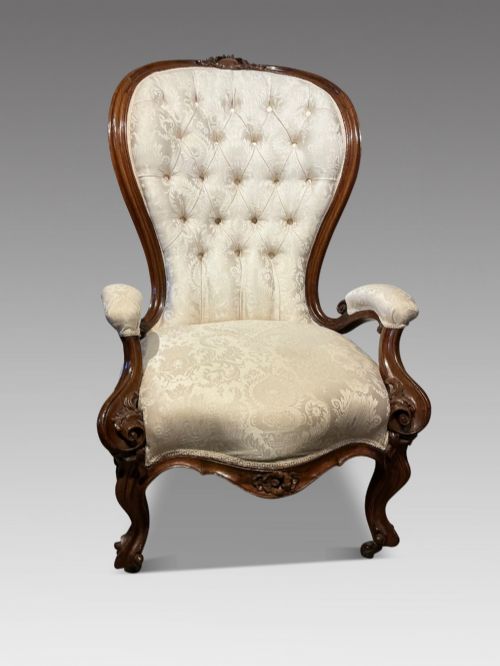
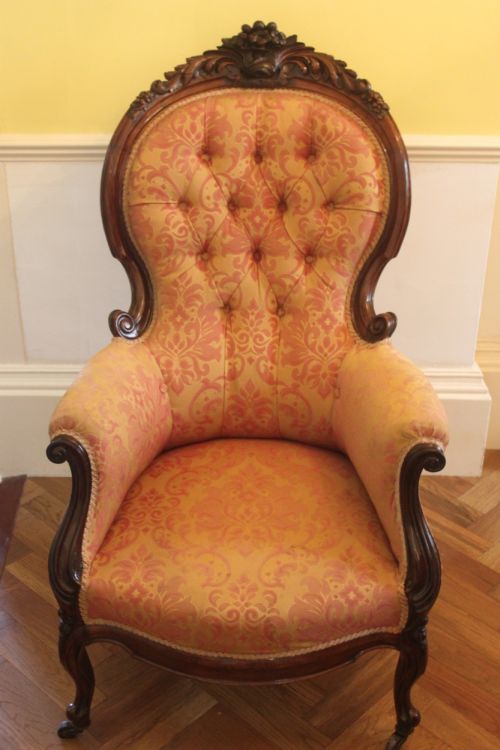
A mahogany spoon back chair offers the curved, supportive embrace of the nineteenth century, pairing rich timber frames with traditional upholstery.
Mahogany Spoon Back Chair
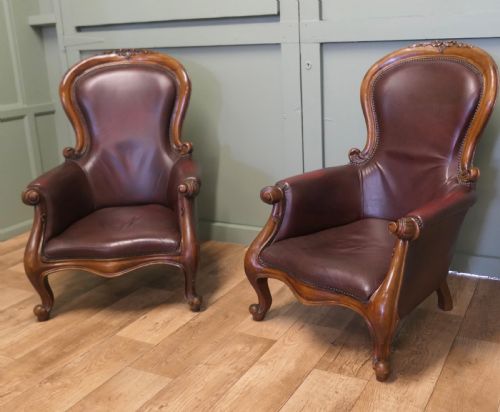
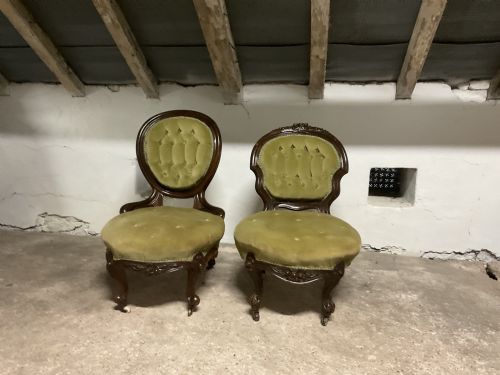
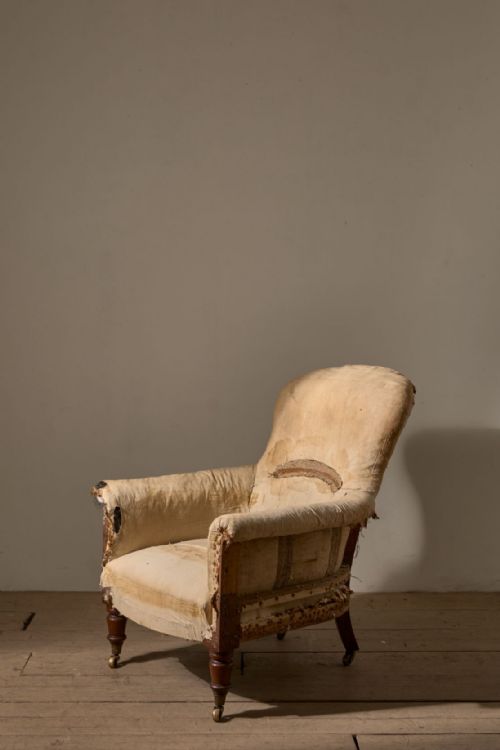
When searching for a mahogany spoon back chair, a buyer is looking at seating defined by its concave, oval backrest that echoes the silhouette of a spoon. Most pieces encountered on this page originate from the Victorian era, alongside examples from the Regency and William IV periods.
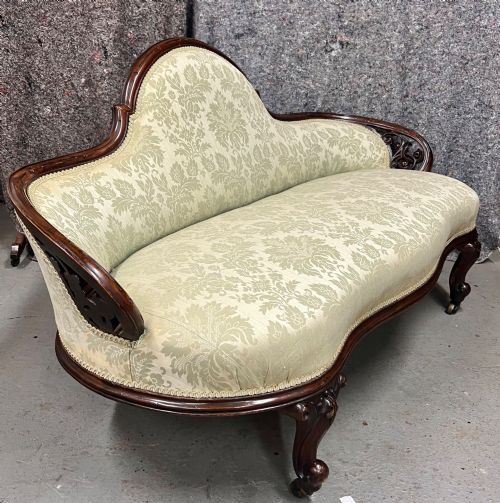
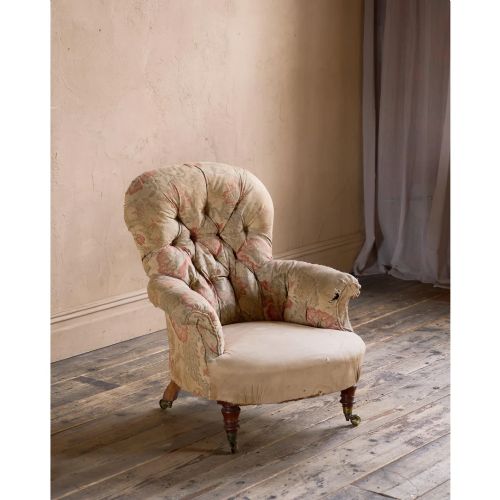
The form appears across various domestic seating styles, including low nursing chairs, compact slipper chairs, open gentleman's armchairs, and sets of dining chairs. Frames are constructed from solid mahogany, often featuring show wood surrounds that frame padded centres.
The selection ranges from single library armchairs and fireside seats to pairs and larger dining sets. Alongside individual salon and occasional chairs, larger groups sometimes form part of matching salon suites.
How They Were Made
Cabinet makers constructed the distinctive curved backrests by steaming or carving solid mahogany timber to create the characteristic recessed oval form. This show wood frame was then combined with structural supports such as cabriole legs, barley twist turnings, or tulip legs depending on the prevailing style.
Upholstery involved webbing, stuffing, and springs secured within the frame before the final textile layer was applied. Workshops utilised leather, velvet, damask, and standard upholstery fabric, frequently finished with deep buttoning or brass tacks.
Mahogany Spoon Back Chair Retail Price Guide 2026
Typical asking prices for mahogany spoon back chair among the pieces listed under this phrase on Sellingantiques today, from the lower quarter to the upper quarter. They describe what is for sale here now, not the wider market.
Some nineteenth-century sitters enjoyed their reading so deeply they required iron reinforcements inside the wooden frame.
What Varies in Quality
The distinction between standard seating and finer examples lies in the depth of carving and the fluidity of the show wood frame. Master workshops applied elaborate floral or scroll carvings directly into the mahogany, whereas simpler iterations relied on plain polished timber.
Proportion and scale also separate the ordinary from the exceptional, particularly in larger library armchairs and gentleman's seats where generous dimensions and substantial timber scantlings alter the presence of the piece.
Holland & Sons·C. Hindley & Sons
The Mahogany Spoon Back Chair Glossary
- Spoon back
- A chair back shaped with a concave oval recess intended to cradle the human spine. This ergonomic contour became a defining hallmark of mid-nineteenth-century seating design.
- Show wood
- Exposed polished timber framing that remains visible around the upholstered portions of a chair. This technique highlights the quality of the mahogany grain and the precision of the cabinet work.
- Button back
- An upholstery method where depressions are pulled into the padding using twine tied down to the frame in a geometric pattern. It provides structural tension while creating a tufted surface.
- Bergere
- An enclosed armchair featuring upholstered sides and back panels set within a wooden frame. These pieces often incorporate cane work or fully padded coverings.
- Nursing chair
- A low-seated chair designed originally for infant care, featuring a compact frame and short legs. They frequently adopt the curved spoon back profile for comfort.
Mahogany Spoon Back Chair: Frequently Asked Questions
How do I spot a Victorian mahogany spoon back chair?
Look for the characteristic concave oval backrest carved from solid mahogany timber, combined with period design elements such as cabriole legs or scroll arms. These pieces typically date from the mid-nineteenth century and display distinct show wood framing around the upholstered areas.
Examine the construction of the frame underneath and check for traditional joinery methods. The presence of buttoned upholstery or original leather further indicates the common manufacturing techniques of the era.
Where should I place a spoon back armchair?
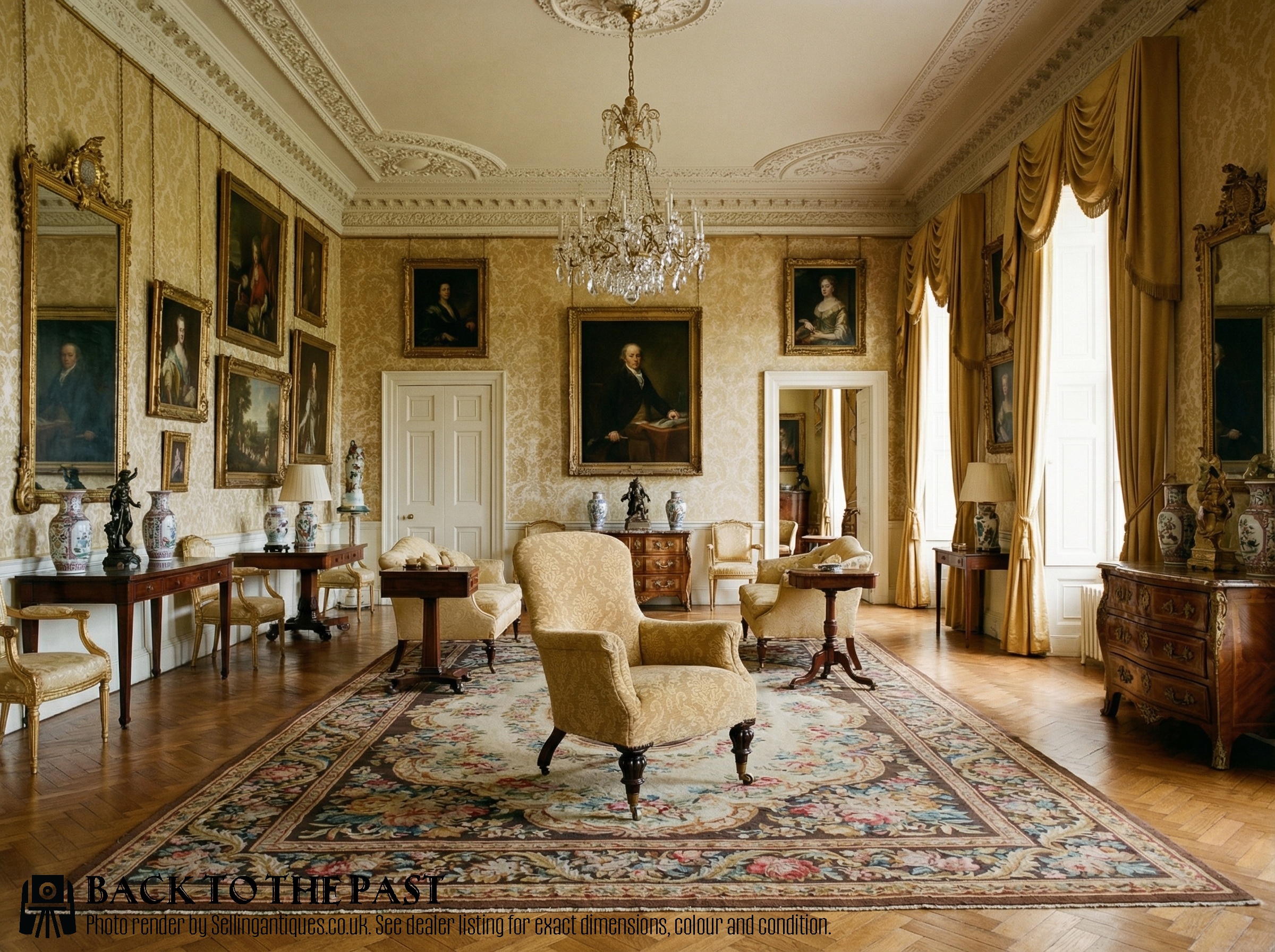
These armchairs suit living rooms, studies, or bedrooms as reading and fireside seats due to their supportive, curved backrests. Their compact footprint makes them versatile additions to corners or beside side tables.
Larger library armchairs work well as standalone statement pieces in a study, while smaller nursing or slipper chairs fit comfortably in bedroom settings.
Were these chairs used for dining?
Dining chairs featuring this curved back design were produced in matched sets for nineteenth-century dining rooms. They combine standard side chairs with armchairs known as carvers.
These dining sets share the same mahogany frames and upholstery treatments as individual salon chairs, allowing for a cohesive interior scheme.
What is the difference between a gentleman's and a lady's chair?
Gentleman's armchairs generally feature broader proportions, open arms, and a higher backrest designed to accommodate a larger frame. They offer a deep seat suitable for a library or study.
Lady's chairs and nursing chairs are typically lower to the ground and lack restrictive side arms, which originally allowed women wearing wide crinoline dresses to sit down easily.