


Mahogany Specimen Chest
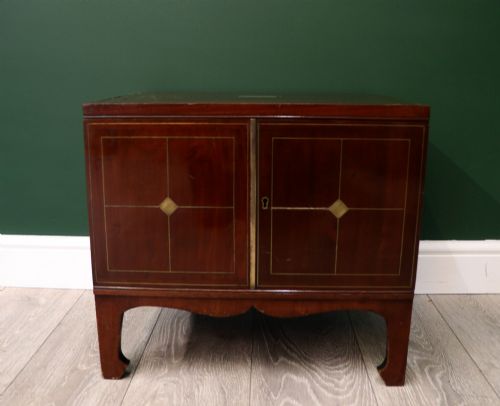
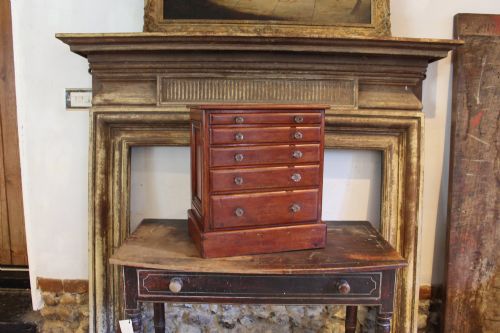
A mahogany specimen chest gathers small, prized possessions into ordered rows of tight, cedar-lined or mahogany drawers.
Mahogany Specimen Chest
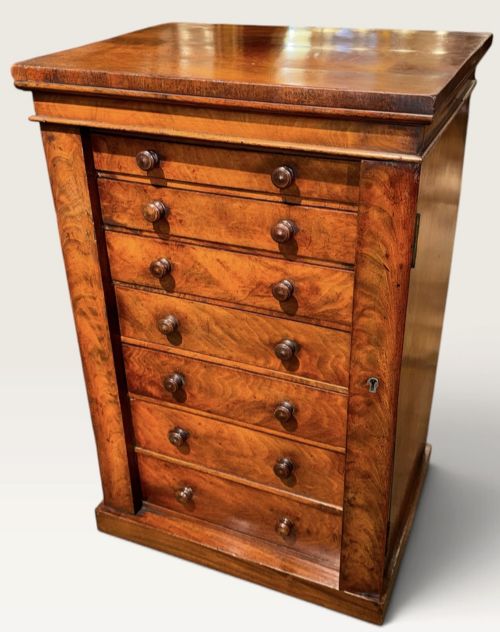
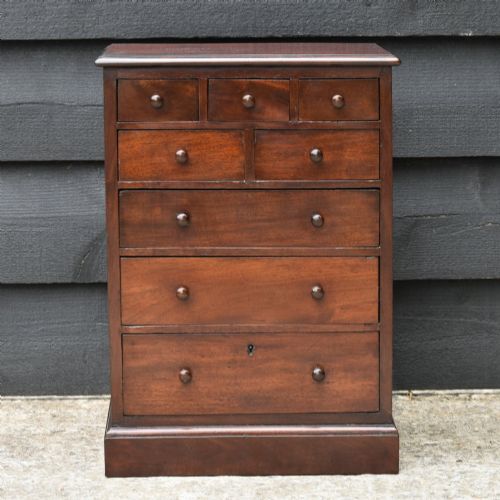
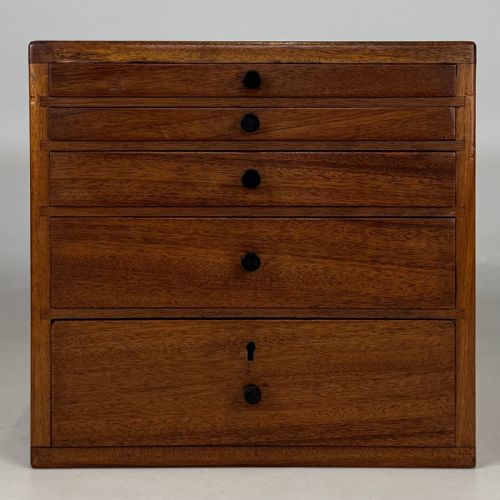
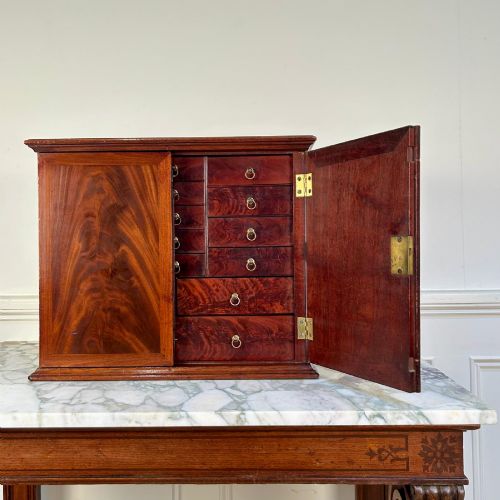
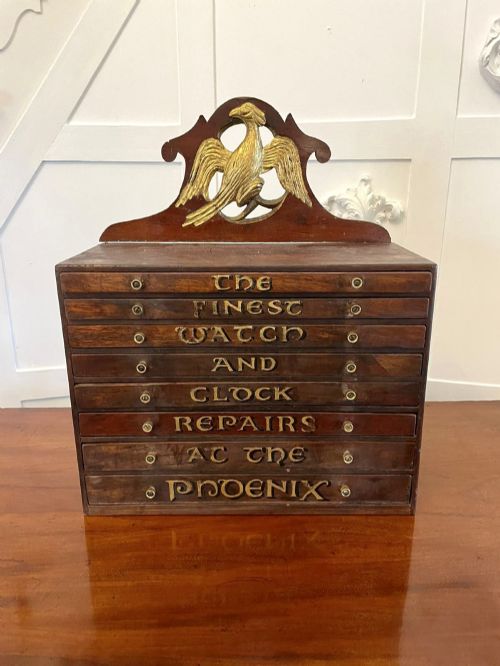
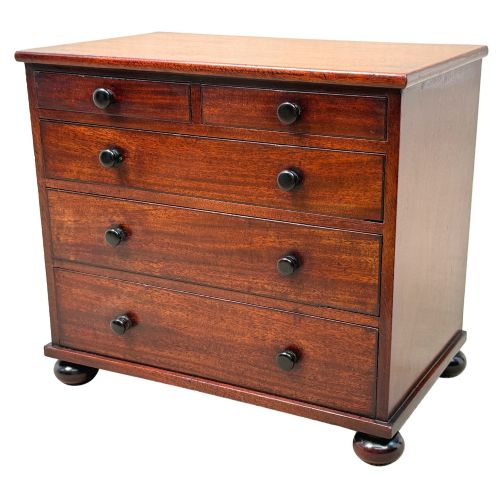
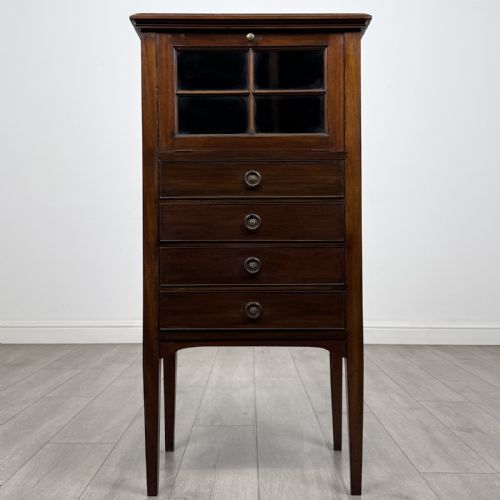
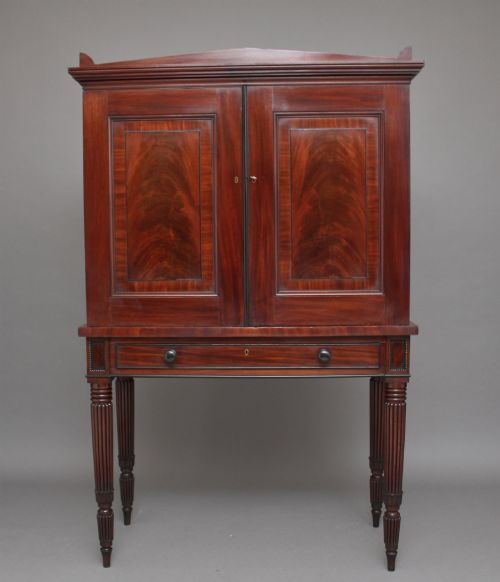
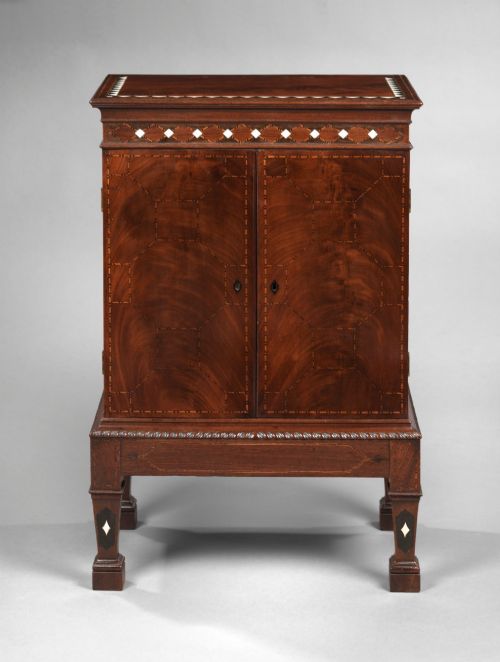
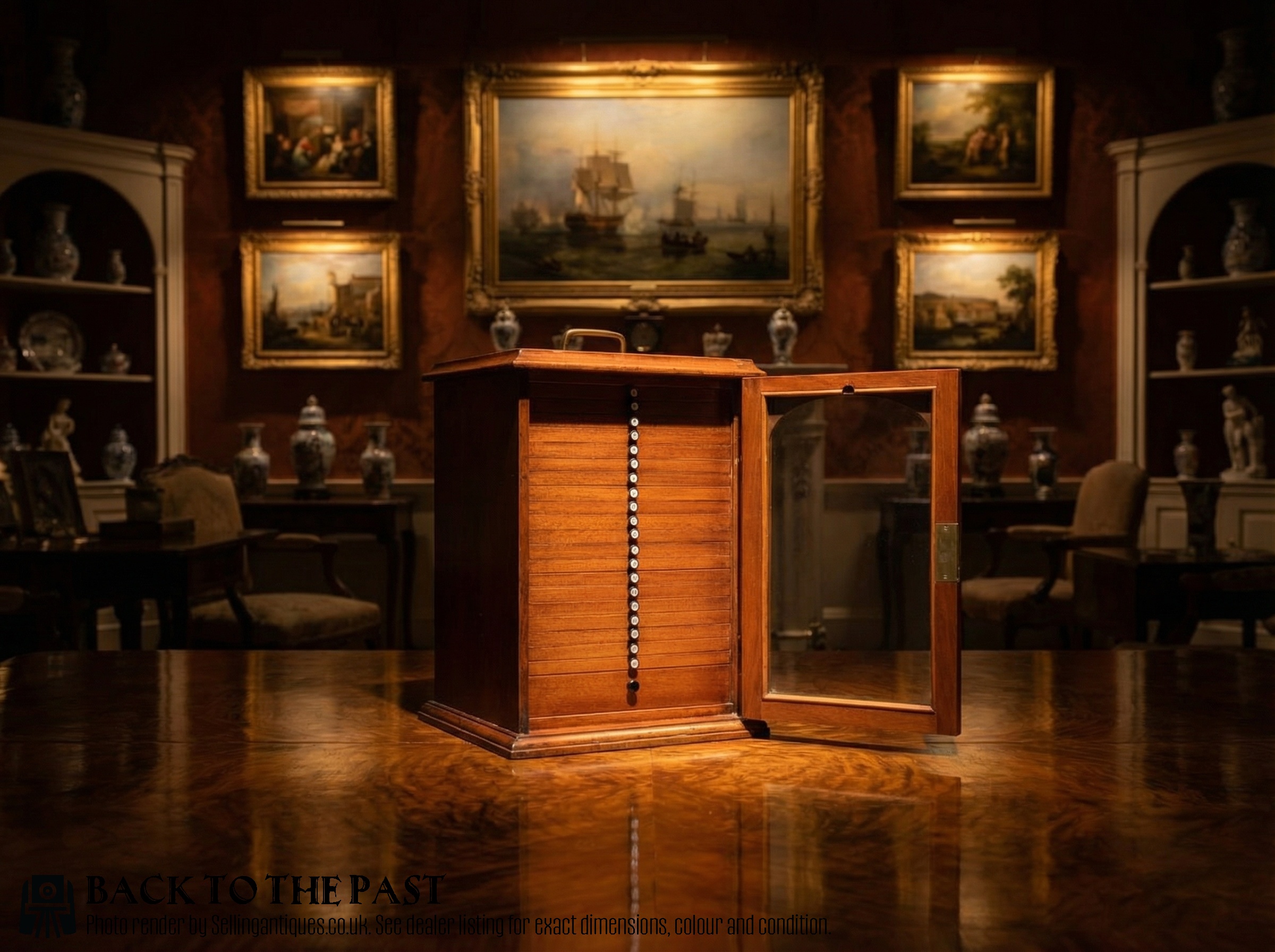
A mahogany specimen chest provides compact, multi-drawer storage designed to house natural history items, coins, or medical preparations. These pieces range from diminutive table-top cases to large, multi-drawer cabinets mounted on dedicated stands.
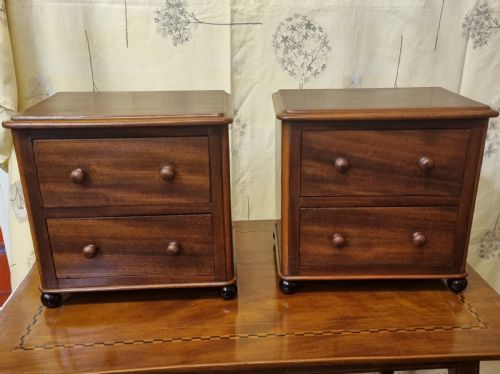
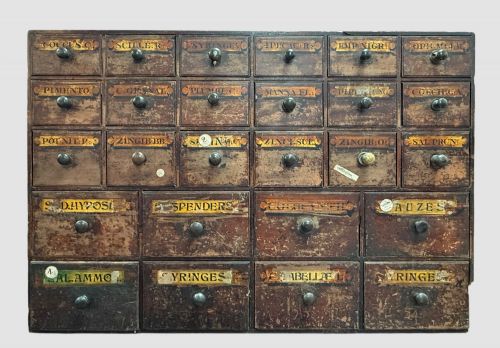
The versions most commonly met on this page include Victorian and 19th-century table-top chests of drawers alongside campaign-style examples fitted with brass carrying handles. Many of these constructions double as apothecary banks, microscope slide cabinets, or miniature apprentice pieces.
Makers constructed these units with numerous shallow drawers specifically proportioned for classifying insects, fossils, or small artefacts. The form prioritises discreet internal organisation behind secure, panelled doors or locking stiles.
What varies in quality
Quality rests in the precision of the drawer fit and the choice of timber, where heavily figured solid mahogany and complex multi-tier banks outrank simpler utilitarian boxes. The presence of specialised internal fittings, such as glass-topped slide trays or original maker branding, elevates the standing of an individual piece.
The structural integrity of the locking mechanism and the survival of original turned knobs or brass inlays also distinguish standard workshop production from exceptional maker-signed cabinets.
Mahogany Specimen Chest Retail Price Guide 2026
Typical asking prices for mahogany specimen chest among the pieces listed under this phrase on Sellingantiques today, from the lower quarter to the upper quarter. They describe what is for sale here now, not the wider market.
Several miniature apprentice pieces survive here, proving that tiny drawers demand just as much patience from a cabinetmaker as full-sized furniture.
Watkins & Doncaster·Brady of Edmonton·Charles William Schofield
The Mahogany Specimen Chest Glossary
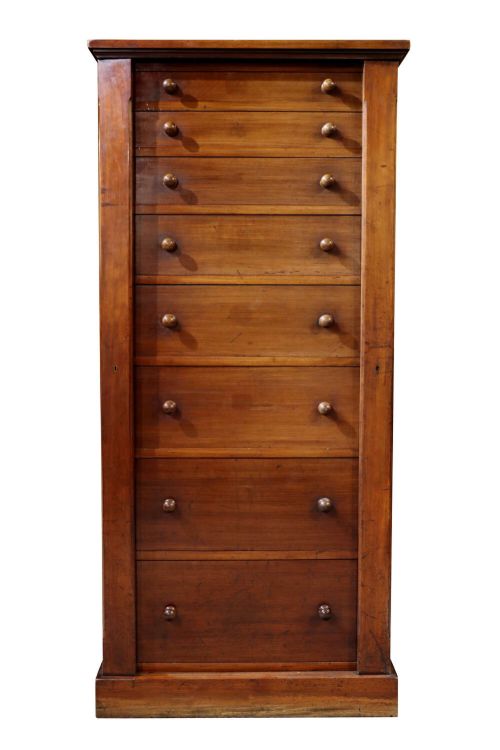
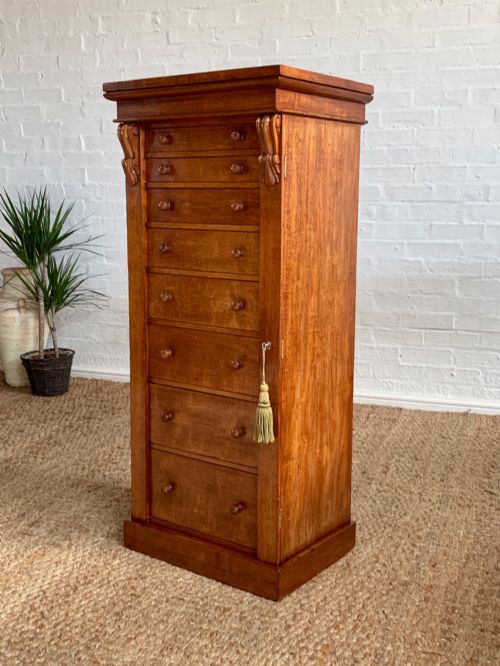
- Wellington chest
- A tall, narrow chest of drawers secured by a locking hinged side pilaster that latches over the drawer edges. This specific form appears frequently among Victorian specimen furniture.
- Campaign style
- Furniture designed for travel, featuring recessed brass handles, reinforced corners, and robust construction to withstand movement. These pieces often include carrying handles.
- Apothecary chest
- A set of small drawers utilised for storing medical supplies, homeopathic remedies, or chemical specimens. They share the multi-drawer format common to specimen cabinets.
- Microscope slide cabinet
- A specialised storage unit containing numerous ultra-thin drawers lined to hold glass microscopy slides flat. They represent the height of internal compartmentalisation.
- Standish
- A structured cabinet or desk accessory stand, occasionally applied to multi-drawer tabletop specimen collections. It denotes a fitted housing for portable utility.
Mahogany Specimen Chest: Frequently Asked Questions
What were mahogany specimen chests originally used for?
These cabinets served naturalists, doctors, and collectors as secure storage for delicate items like insects, geological specimens, and medical slides. The numerous shallow drawers kept fragile collections organised and protected from light and dust.
Over time, collectors adapted them to house everything from coins and stamps to watch repair components. Their robust internal engineering made them suitable for both stationary study and transport.
Are these cabinets suitable for modern living spaces?
Their compact footprints and compartmentalized layouts make these chests practical for organising modern collections of jewellery, watches, or small trinkets. Table-top versions sit easily on desks, sideboards, or dressing tables without dominating a room.
The rich grain of the mahogany also introduces warmth and historical texture to contemporary interiors.
How do I date a mahogany specimen chest?
Dating relies on observing construction methods, hardware types, and secondary timbers like pine or oak used inside the carcase. Georgian and Regency pieces tend to show finer dovetailing and bracket feet, while Victorian examples often feature applied mouldings and turned knobs.
Maker stamps, brass plate signatures, and specific drawer configurations provide further chronological clues.