
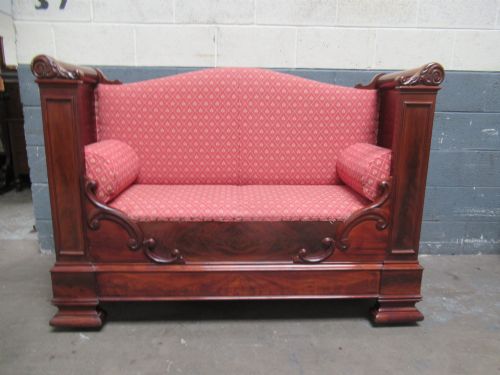
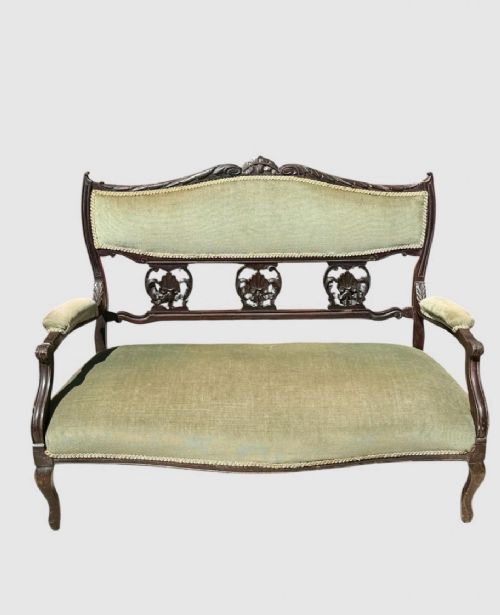


Mahogany Settee Bench
These mahogany settee bench options bring solid timber frames and upholstered comfort together, offering practical seating with enduring style for domestic interiors.
Mahogany Settee Bench
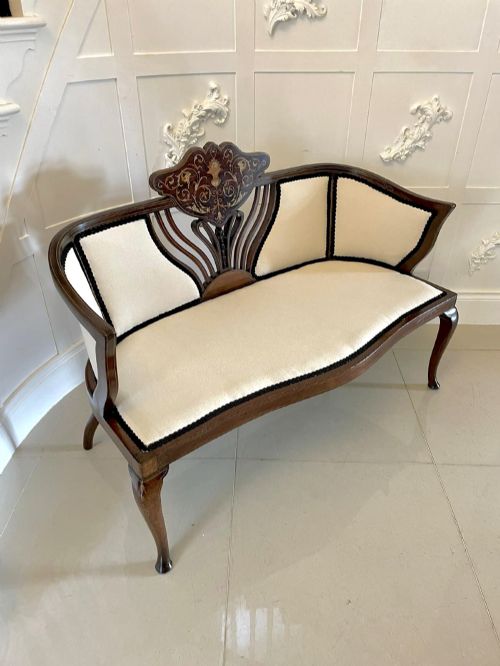
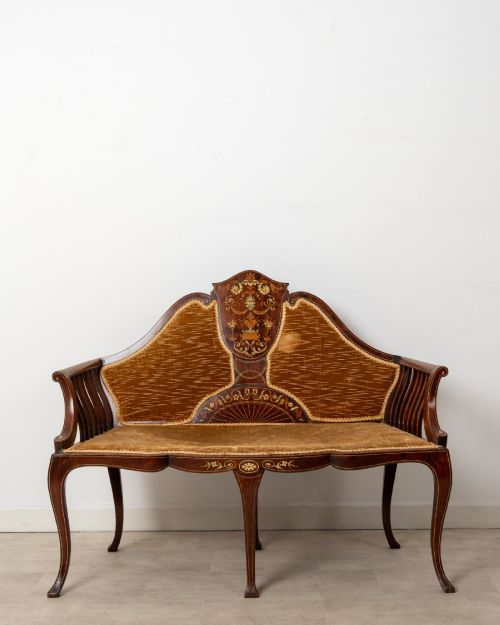
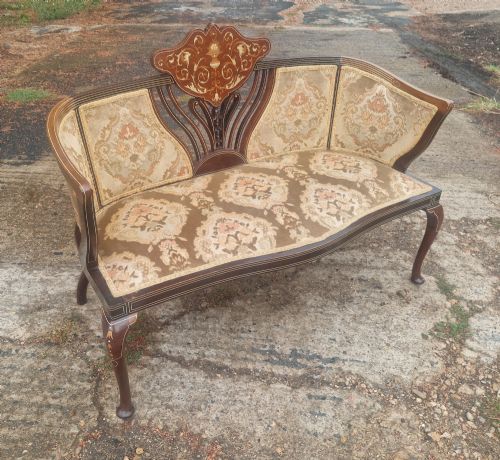
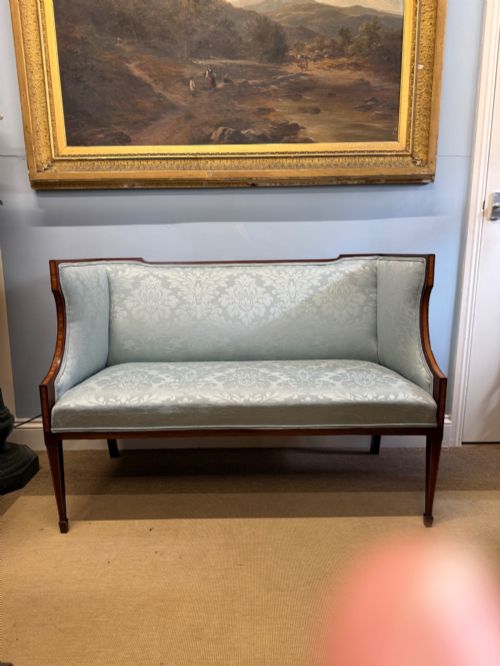
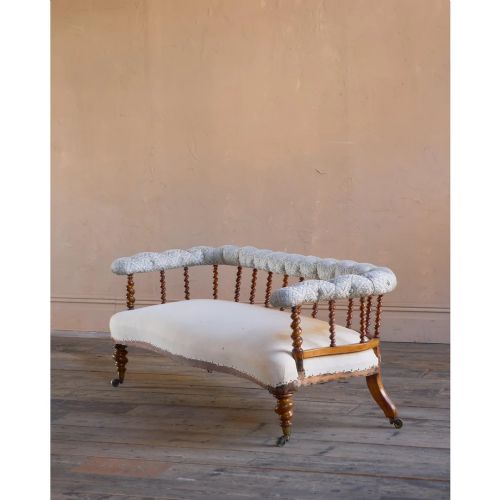
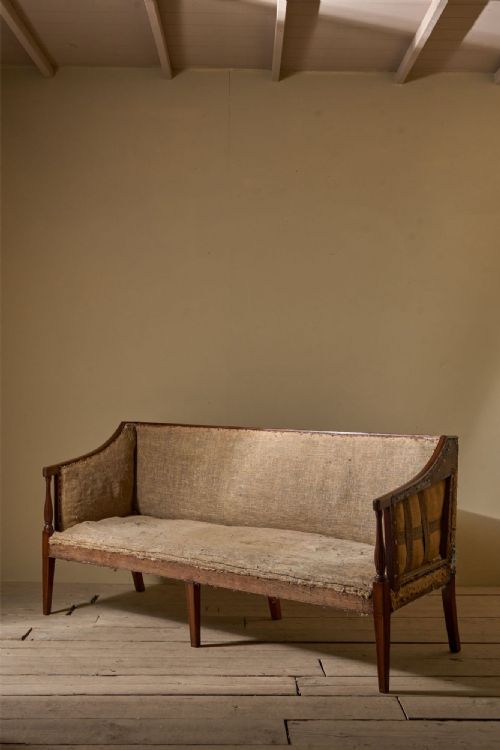
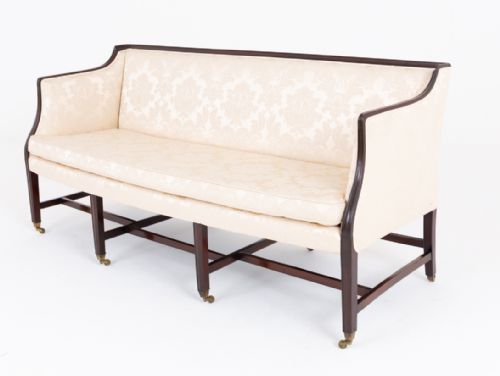
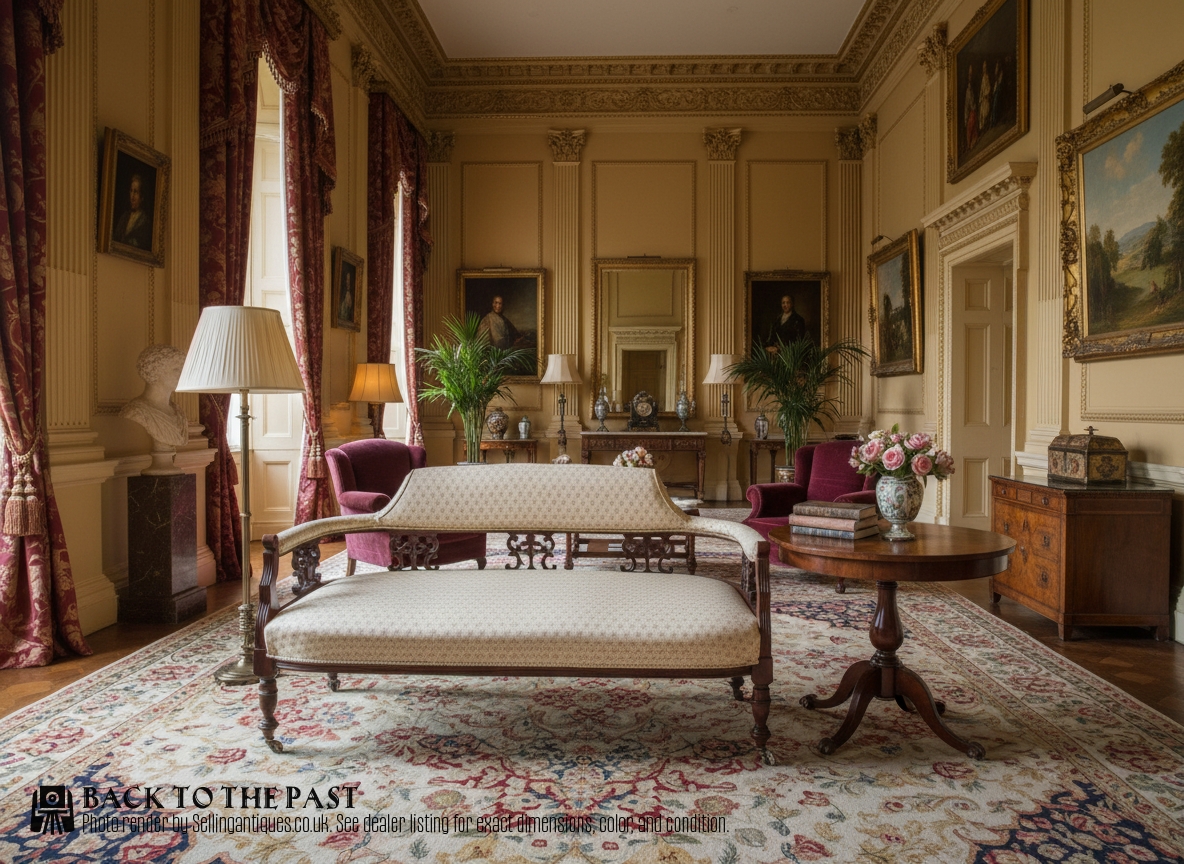
A mahogany settee bench combines timber framing with padded seating, spanning compact window seats and larger salon sofas. Buyers seeking a mahogany settee bench commonly encounter Edwardian and Victorian iterations alongside earlier Georgian and Regency examples.
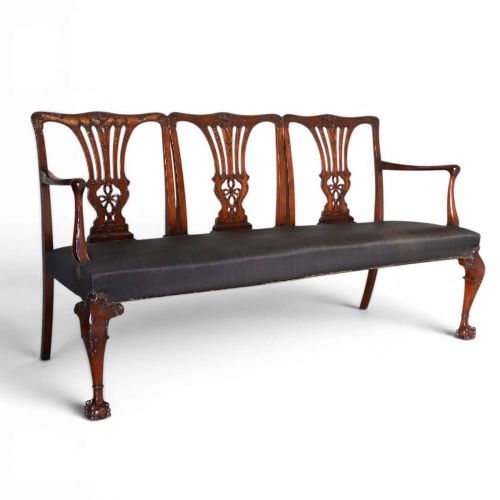
The form adapts across eras, ranging from spindle back salon seating to inlaid two-seater couches and chair-back designs. Pieces vary from petite end-of-bed seats to substantial country house furniture built for formal rooms.
How they were made
Cabinetmakers constructed the structural frames from solid timber, frequently incorporating satinwood inlay, brass mounts, or bone details for decorative contrast. Carved elements draw on Chippendale, Regency, and neoclassical vocabularies.
Upholstery techniques developed from period stuffing materials like hessian and hair to support fabric, velvet, and modern textile coverings. Frames rely on traditional joinery to secure carved backs, spindle arrays, and arm supports.
Materials recorded across current inventory include solid mahogany, satinwood inlay, brass, velvet, and hessian support webbing.
What varies in quality
The refinement of the timber and the depth of the carving separate standard workshop output from exceptional cabinet work. Crispness in the pierced splats, balanced proportions, and careful selection of figured wood elevate specific examples.
Inlaid decoration and contrasting veneers display varying degrees of hand precision, from simple stringing to elaborate marquetry panels. The integrity of the original frame construction and the subtlety of stylistic details dictate overall distinction.
C. Hindley & Sons·Butlers of Dublin
The Mahogany Settee Bench Glossary
- Chippendale style
- A design influence featuring intricate pierced splats, ribbon-back motifs, and carved cabriole legs ending in claw and ball feet. This aesthetic defines numerous eighteenth-century and revival pieces.
- Satinwood inlay
- Contrasting blonde timber inserted into darker mahogany surfaces in geometric or floral patterns. This decorative technique brightens upright panels and crest rails.
- Window seat
- A compact bench form designed specifically to fit within a window recess. These pieces often feature low arms and upholstered tops.
- Spindle back
- A chair or settee back constructed from a series of turned vertical wooden rods. This lighter framing style appears frequently in salon seating.
- Chaise longue
- An elongated upholstered seat intended for reclining, combining elements of a chair and a daybed. Regency and Victorian makers produced sophisticated versions with scrolled ends.
Mahogany Settee Bench: Frequently Asked Questions
Where do I place a mahogany settee bench?
These pieces suit entrance halls, living rooms, and bedroom ends depending on their scale. Compact window seats fit narrower alcoves, while larger two-seater sofas anchor main reception spaces.
Positioning a bench away from direct sunlight protects both the polished timber and the upholstered fabric from fading over time.
How do I distinguish an Edwardian piece from a Georgian one?
Georgian examples display heavier proportions and authentic eighteenth-century construction methods, whereas Edwardian pieces often reflect lighter revival aesthetics. Edwardian furniture frequently incorporates delicate satinwood inlay and machine-assisted precision.
Examining the internal framing and secondary timbers helps clarify the period of manufacture when exterior styles mimic earlier eras.
What fabric works best for these seats?
Traditional upholstery choices include velvet, patterned textiles, and heavy woven fabrics that complement dark wood tones. Selecting a material with suitable durability ensures the seat withstands regular daily use.
Historical pieces often feature replacement upholstery chosen to match contemporary interiors while respecting the original period style.
How do I care for the timber frame?
Regular dusting with a soft, dry cloth prevents surface dirt accumulation on the polished mahogany. Avoid chemical sprays and excessive moisture to maintain the natural finish of the wood.
Maintaining stable room humidity protects both the solid timber and any delicate veneer or inlay work from splitting.