



Mahogany Retail Showcase
Mahogany retail showcase pieces are commercial display fixtures built to present goods clearly, bringing period shop interiors into domestic rooms.
Mahogany Retail Showcase
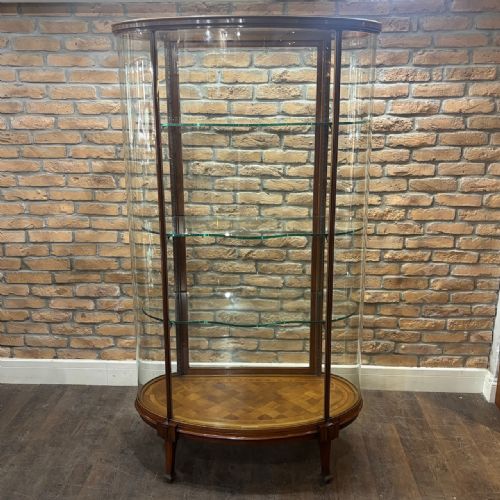
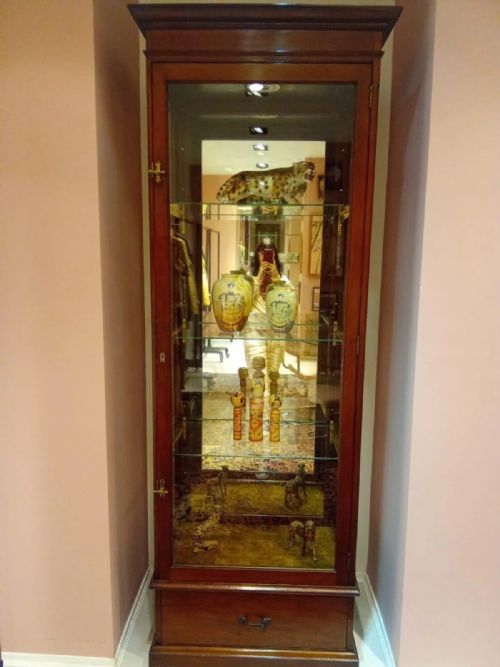
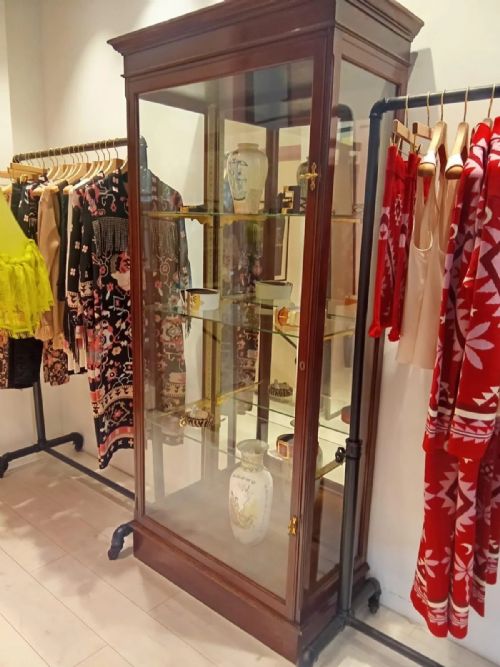
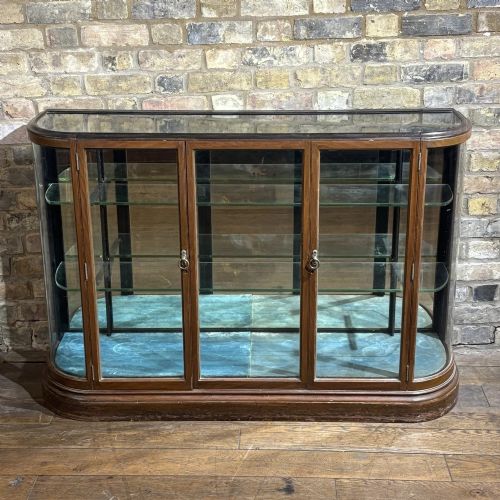
A mahogany retail showcase serves as a commercial display fixture designed for shops, featuring glass panels and wooden framing to present merchandise. When searching this phrase, buyers encounter various forms including tall freestanding cabinets, countertop vitrines, and long serving counters.
The pieces originate across multiple periods, stretching from the late nineteenth century through the Edwardian era and into the 1920s and 1930s. Tall cabinets and long display counters dominate the selection, often bearing historical connections to confectioners and drapers.
How they were made
Craftsmen built these commercial fixtures using solid mahogany and associated hardwoods, framing large expanses of glass to maximise visibility for merchandise. Brass hardware, mirrored interiors, and fabric linings such as velvet appear frequently alongside structural metal elements.
Maker firms integrated specialised details including adjustable glass shelves, bow fronts, and pentagonal shapes into their designs. Sign writing, associated with brands like Fry's, Rowntree's, and Cadbury's, frequently adorns the glass or wood components of these shop fittings.
Mahogany Retail Showcase Retail Price Guide 2026
Typical asking prices for mahogany retail showcase among the pieces listed under this phrase on Sellingantiques today, from the lower quarter to the upper quarter. They describe what is for sale here now, not the wider market.
A tiny pencil dispenser once served customers seeking a quick write-up behind an Edwardian shop counter.
What varies in quality
Quality in a mahogany retail showcase rests upon the scale of construction and the presence of notable commercial makers such as F. Sage & Co. or E. Pollard & Co. Ltd. Pieces with generous proportions, original mirrored backs, and intact adjustable shelving demonstrate superior manufacturing standards.
The sophistication of the timber framing and the preservation of original brand sign writing distinguish standard commercial joinery from exceptional retail furniture. Proportion, intact glazing, and firm attribution elevate certain display counters and cabinets above simpler utility pieces.
F. Sage & Co.·E. Pollard & Co. Ltd.·Pollards·Jenners of Edinburgh
The Mahogany Retail Showcase Glossary
- Vitrine
- A glass-fronted cabinet or showcase designed for displaying fine objects or merchandise. These fixtures allow items to be viewed from multiple angles while protected from dust.
- Bijouterie table
- A shallow glass-topped display table traditionally used for small luxury goods, jewellery, or personal accessories. They often stand on slender legs with hinged glazed lids.
- Haberdashery cabinet
- A multi-drawer or glass-fronted piece originally utilised in drapery shops for storing and displaying small textiles, buttons, and sewing notions.
- Bow front
- A convex, outwardly curved furniture front that softens the linear corners of a display cabinet or counter. This curved glass requires specialised manufacturing techniques.
- Shopfitting
- The trade and process of supplying fixtures, counters, and interior fittings for retail premises. Surviving pieces reflect commercial standards of the late nineteenth and early twentieth centuries.
Mahogany Retail Showcase: Frequently Asked Questions
What is a mahogany retail showcase?
A mahogany retail showcase is a commercial display fixture constructed with timber frames and glass panels, originally manufactured for shops, tea rooms, and pharmacies during the Victorian and Edwardian periods.
These pieces range from large freestanding cabinets and serving counters to small countertop vitrines designed to present merchandise to customers.
How were these cabinets used originally?
Merchants utilised these display cases on shop counters and floors to exhibit confectionary, tobacco, writing implements, and luxury goods while keeping stock protected behind glass.
Many examples feature specific brand advertising or adjustable shelving tailored to the particular merchandise sold in early twentieth-century stores.
How do I style a retail showcase at home?
These large glass and mahogany cabinets integrate well into domestic dining rooms, kitchens, or studies as display storage for collections, ceramics, and glassware.
The transparent panels and internal mirrors reflect light and showcase objects effectively without overwhelming surrounding furniture.
How do I tell Edwardian showcases from Victorian ones?
Victorian showcases often display heavier proportions and darker timber finishes, reflecting nineteenth-century commercial joinery traditions and haberdashery storage.
Edwardian and later 1920s examples frequently incorporate lighter mahogany tones, cleaner lines, and Art Deco influences introduced by specialised shopfitters like F. Sage and Pollards.