



Antique Trophy Cabinet
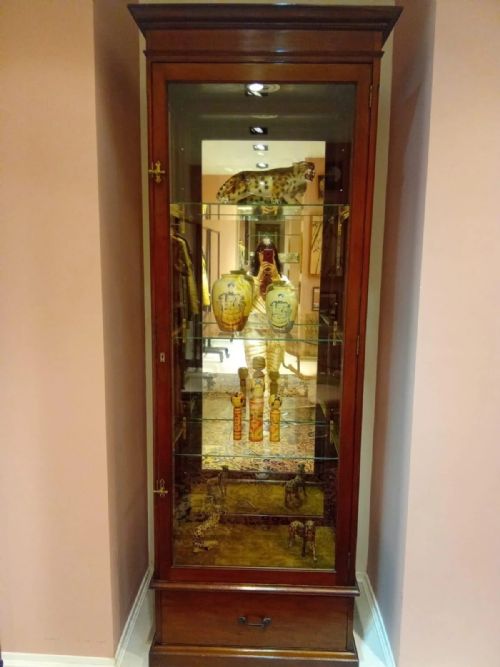
An antique trophy cabinet holds natural history specimens and sporting mementos with clear glass views and sturdy timber frames.
Antique Trophy Cabinet
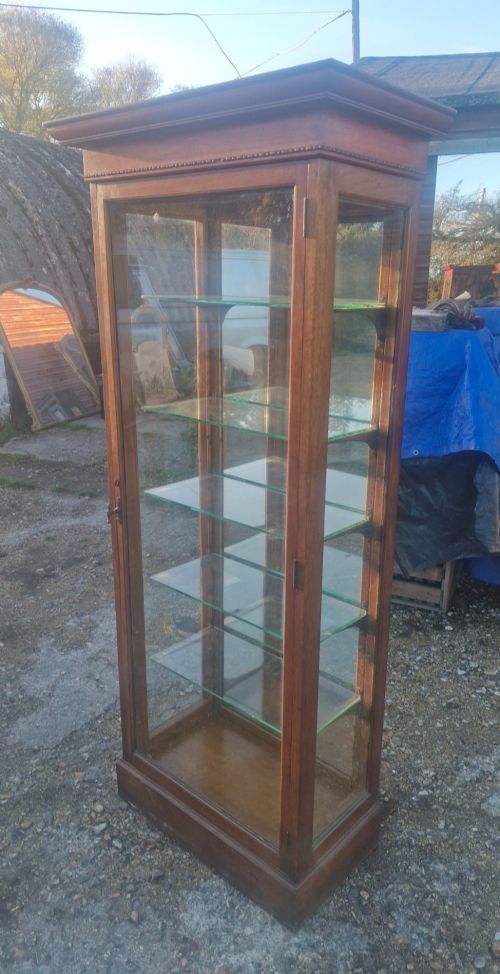
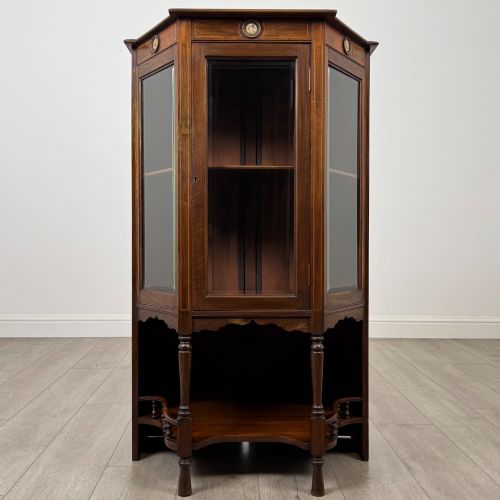
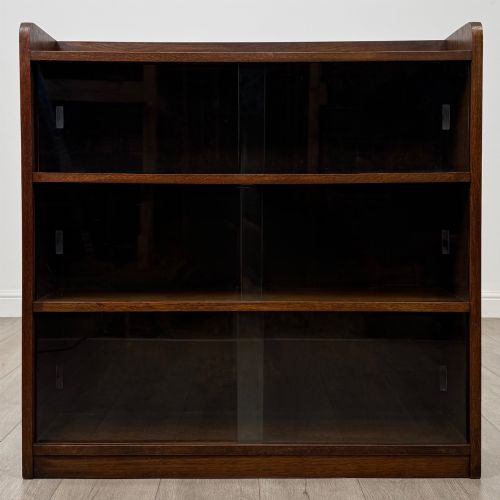
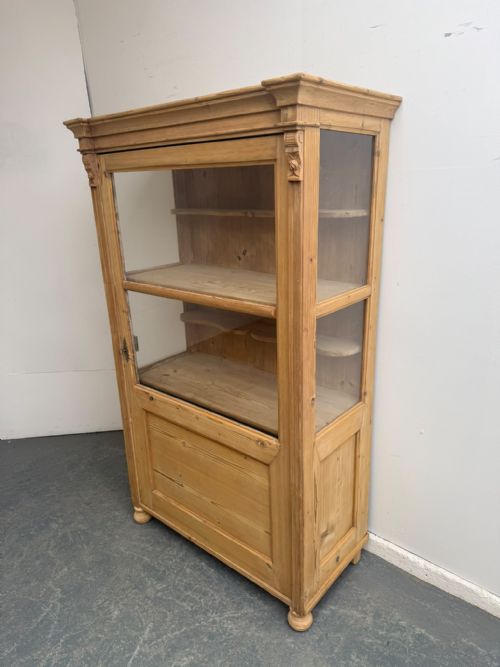
The antique trophy cabinet brings together glazed display furniture and taxidermy mounts from the Victorian and Edwardian eras. These pieces range from tall freestanding shop display cabinets to pine flat display units and specialised gun cabinets built to showcase preserved horns and specimens.
Most examples found here date from the Victorian period through to the 1930s, utilising timbers such as mahogany and oak alongside aluminium and iron framing. Buyers encounter both retail display counters and domestic show cases designed to exhibit natural history collections.
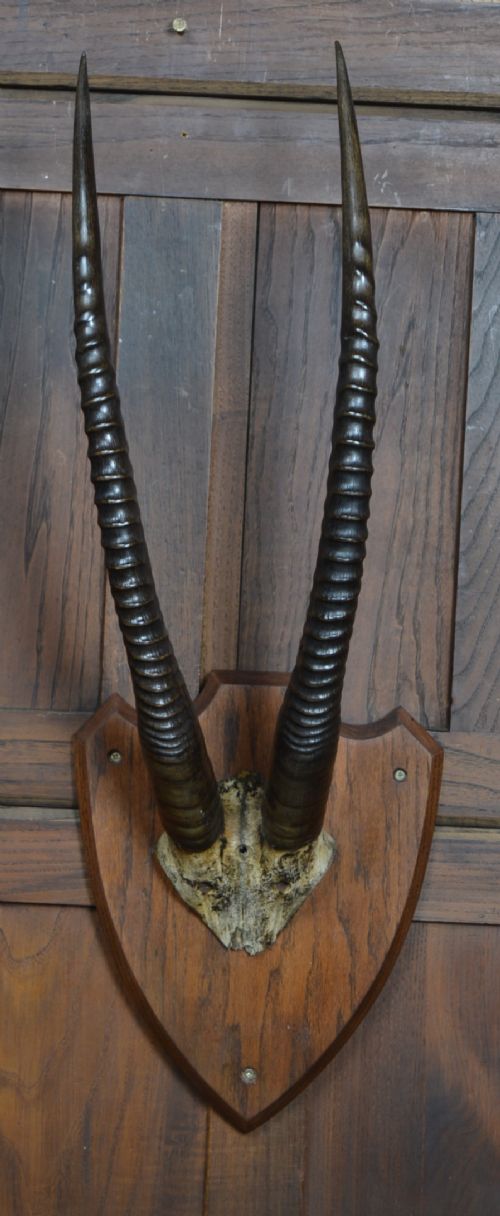
The selection reflects both mercantile and domestic spaces, pairing glazed display cabinets with mounted horns and crocodile specimens. Each piece serves to organise and protect objects of curiosity within a timber and glass enclosure.
Materials and construction
Makers built these cabinets primarily using solid mahogany and oak, joining the timber with traditional methods to support heavy glass panels and shelves. Glazed doors and adjustable glass shelves allowed maximum light into the interior to illuminate the specimens displayed within.
Later 20th-century examples incorporate aluminium frames and metal components alongside brass hardware. Horn mounts and taxidermy pieces utilise bone, horn, and iron brackets for wall attachment or freestanding display.
Antique Trophy Cabinet Retail Price Guide 2026
Typical asking prices for trophy cabinet among the pieces listed under this phrase on Sellingantiques today, from the lower quarter to the upper quarter. They describe what is for sale here now, not the wider market.
Listings span the Victorian and Edwardian periods up to the 1930s, featuring mahogany, oak, aluminium, glass, and horn.
Assessing quality and finish
Quality rests in the selection of timber grain and the integrity of the glazed panels, where clear, distortion-free glass elevates the piece. Finer cabinets feature well-fitted doors and adjustable shelving systems that operate smoothly within the mahogany or oak frame.
The sophistication of the joinery and the condition of the timber finish separate standard retail fittings from finer domestic show cases. Metalwork such as brass hinges and aluminium framing also demonstrates the standard of manufacture.
The Antique Trophy Cabinet Glossary
- Glazed display cabinet
- A piece of furniture fitted with glass panels and shelves designed to show objects while protecting them from dust.
- Taxidermy mount
- The preserved skin of an animal mounted over a sculptural form, often including horns or complete specimens.
- Display counter
- A low cabinet with a glass top or front used in shops to exhibit goods to customers.
- Gun cabinet
- A secure timber enclosure originally built to store firearms, often featuring glazed doors to display hunting pieces.
- Show case
- A fully enclosed glass and timber structure intended for the prominent exhibition of valuable items.
Antique Trophy Cabinet: Frequently Asked Questions
What is an antique trophy cabinet?
It is a glazed piece of furniture or mount designed to display taxidermy, horns, and sporting collections.
These units utilise timber frames like mahogany or oak alongside glass panels to protect and exhibit the items.
How were these cabinets used?
They served in both domestic rooms and retail shops to showcase natural history specimens and sporting trophies.
Adjustable shelves and glass doors kept the contents visible while preventing dust accumulation.
What materials are common?
Mahogany and oak form the primary timber structures, paired with glass shelves and brass or iron hardware.
Some later pieces incorporate aluminium framing and metal supports alongside bone and horn elements.
How do I date these pieces?
Stylistic markers and construction techniques indicate whether a piece originates from the Victorian or Edwardian eras.
Earlier items tend to use solid pine and mahogany, while 1930s examples introduce aluminium framing.