


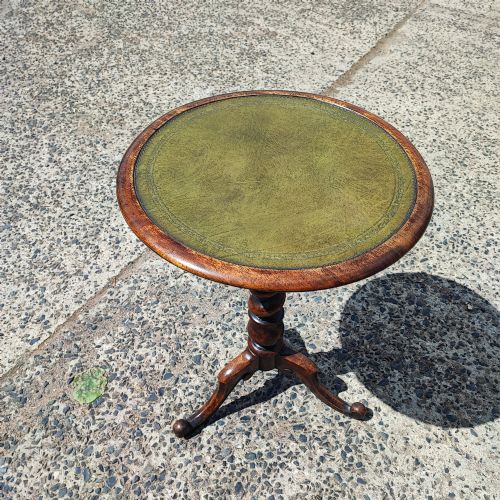

Mahogany Plant Table
A mahogany plant table elevates a simple botanical display into a focal point of structured elegance.
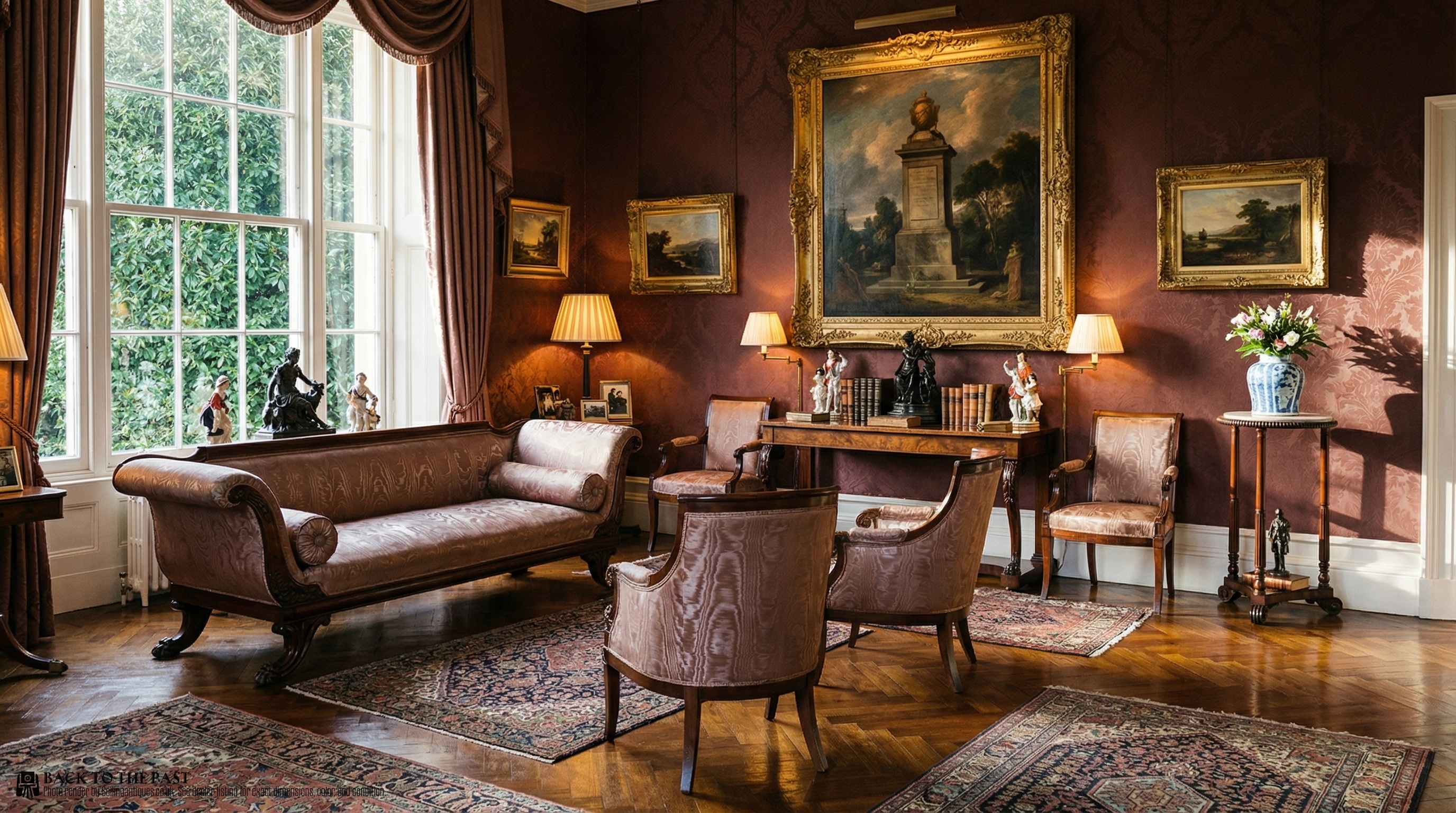
Mahogany Plant Table
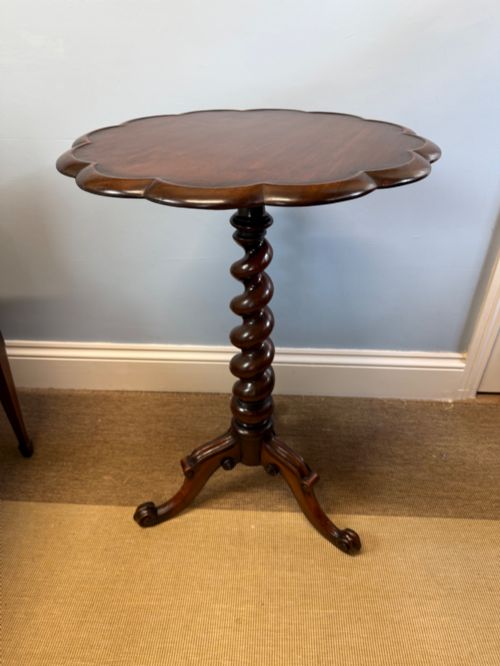
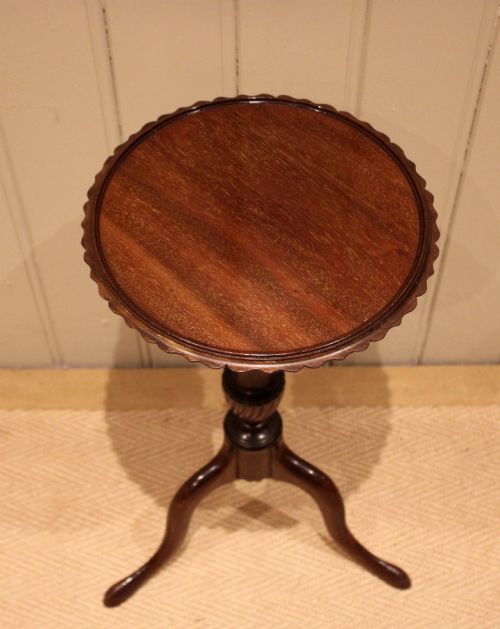
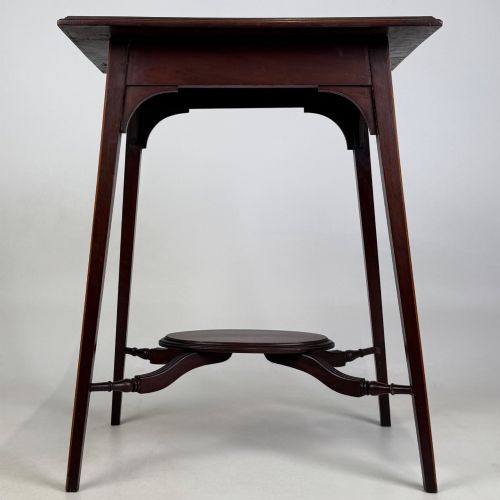
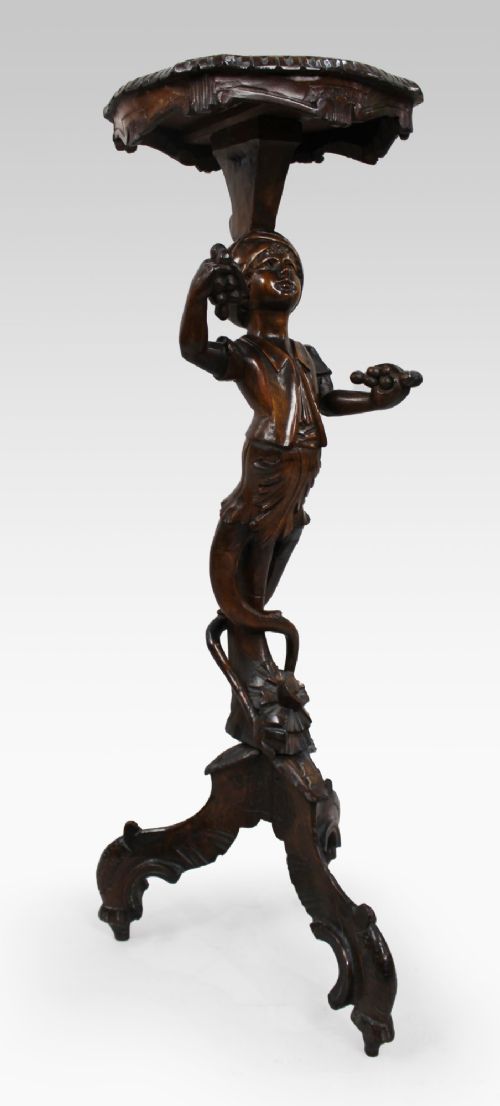
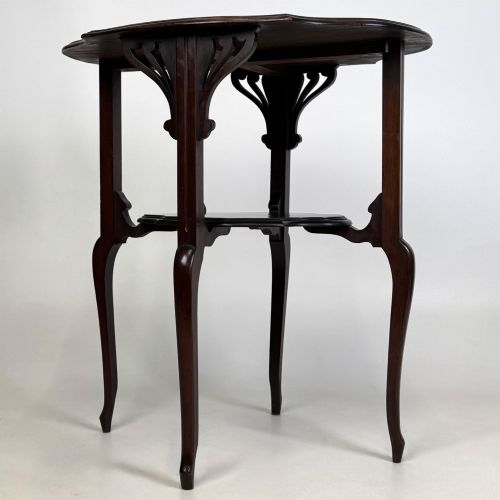
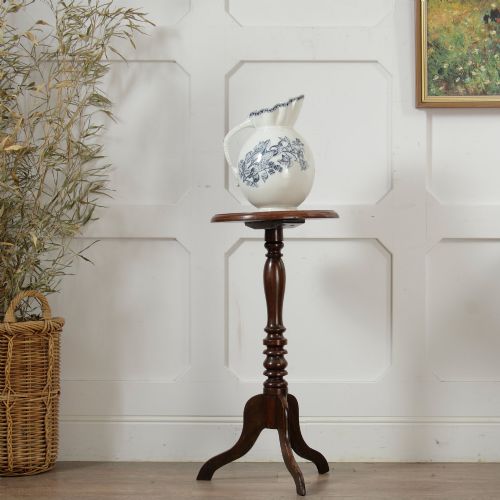
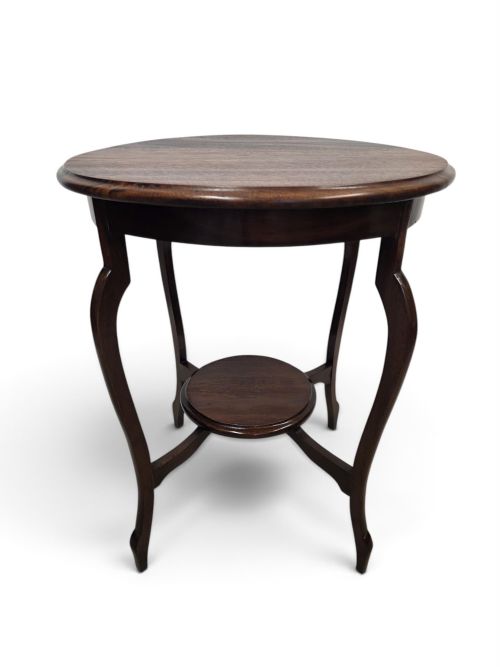
A mahogany plant table serves to elevate botanical specimens and display decorative items within a room. You will frequently encounter Edwardian and Victorian versions, alongside pieces originating from the Georgian period.
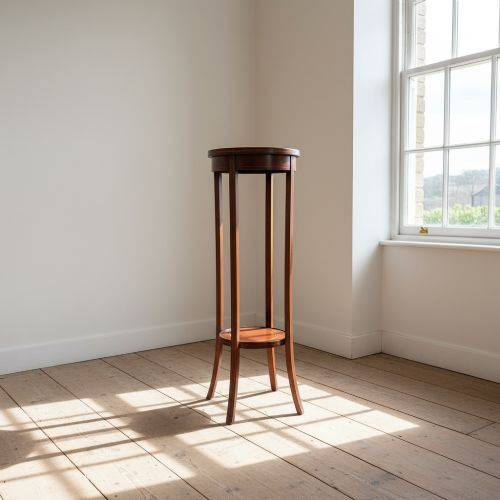
The evidence shows these objects taking the form of plant stands, torchères, urn stands, and occasional side tables. Many examples incorporate multiple tiers or pedestals designed to support plants and lamps securely.
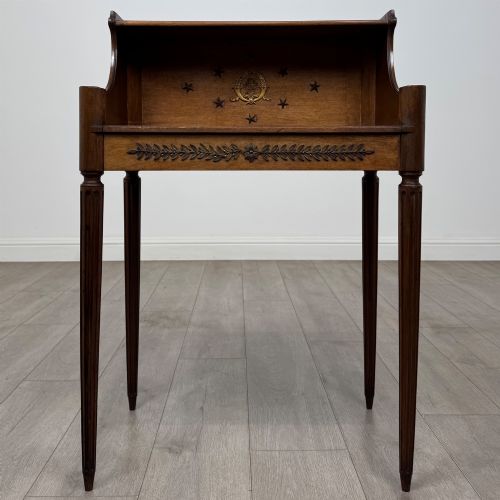
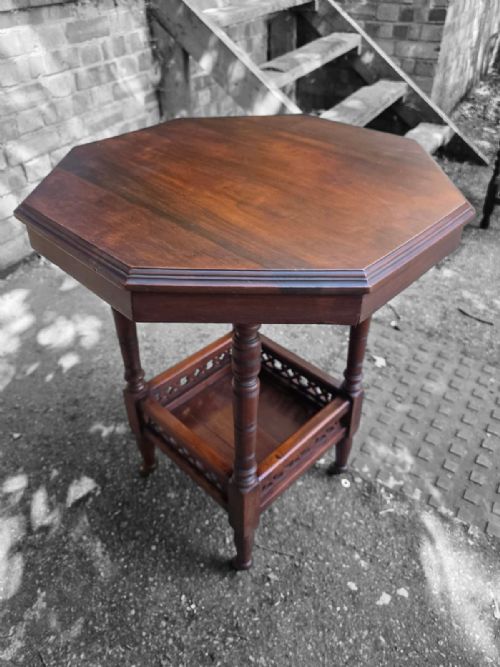
Makers drew upon styles ranging from classical Georgian and Sheraton designs to French Empire and the Aesthetic Movement. These diverse origins mean a mahogany plant table adapts readily to both traditional and eclectic interiors.
Materials and Technique
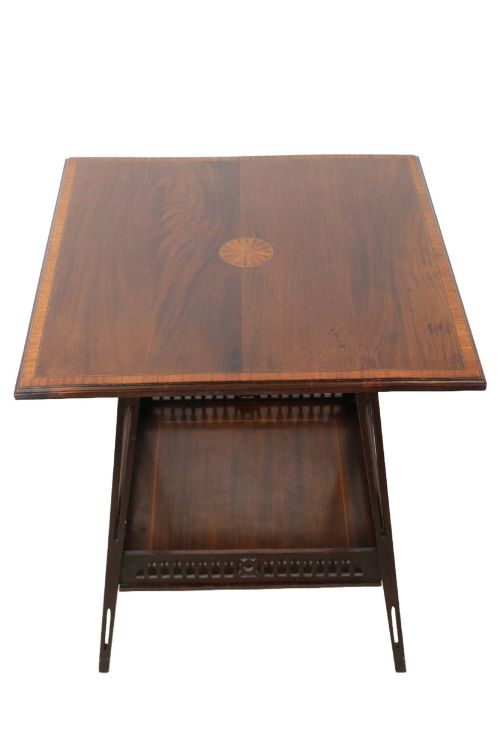
Makers built these tables primarily using solid and veneered mahogany, valued for its rich grain and structural stability. Workshops frequently embellished surfaces with satinwood, boxwood inlay, and intricate wood stringing.
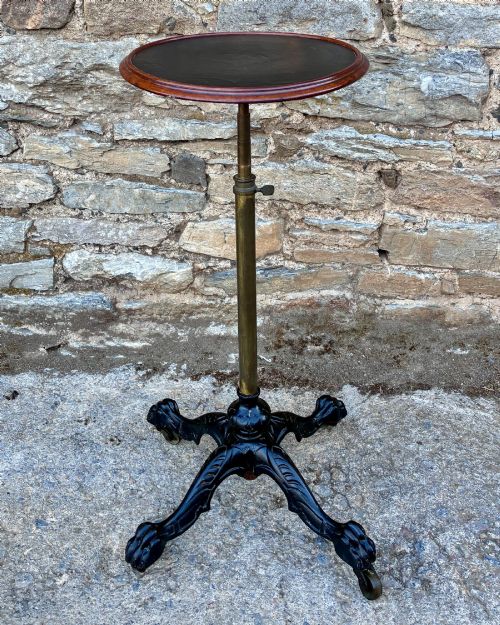
Gilded brass, ormolu, and cast iron frequently appear as mounts, galleries, and adjustable mechanisms. Marble tops also feature on selected pieces, providing a durable and cool surface for potted plants.
Several tables cleverly adapt washstands and kettlestands into botanical plinths.
Assessing Quality
The distinction between ordinary and exceptional pieces lies in the crispness of the carving and the precision of the wood inlay. Hand-cut veneers and subtle stringing demonstrate a higher level of cabinetmaker skill.
Stability and the thoughtful integration of secondary timbers dictate the longevity of the table. Pieces retaining their original brass mounts and uncompromised structural integrity command closer attention from discerning buyers.
Trevor Page and Co·Druce and Co London·Shapland and Petter·François Linke
The Mahogany Plant Table Glossary
- Torchère
- A tall, slender stand designed specifically to support a lamp, vase, or plant. These pieces rely on weighted tripod bases for stability.
- Jardiniere
- An ornamental pot or stand for holding plants and flowers. In antique furniture, it often denotes a specialised table with a lined well or raised tier.
- Urn Stand
- A small, tall table traditionally used for holding a tea urn during the eighteenth century. Their compact proportions make them ideal for elevated display purposes today.
- Stringing
- A narrow inlay of contrasting wood used to outline geometric panels on table tops and legs. This technique highlights the crisp lines of Edwardian and Georgian cabinetwork.
- Ormolu
- Gilded bronze mounts applied to furniture edges and legs. This decorative material adds bright metallic contrast to dark mahogany surfaces.
Mahogany Plant Table: Frequently Asked Questions
What is a mahogany plant table?
A mahogany plant table is a specialised piece of furniture designed to elevate greenery and decorative objects off the floor. These stands combine sturdy timber frames with decorative surfaces suited for daily interior display.
They frequently feature tall pedestals, multi-tiered platforms, or tripod legs to balance height with a compact footprint. This makes them versatile additions to corners and vacant room angles.
How were plant tables used originally?
These tables served primarily to showcase prized indoor flora, ferns, and decorative jardiniere pots in nineteenth and early twentieth-century drawing rooms. Their elevated design protected delicate flooring from water damage while displaying plants at eye level.
Over time, many of these stands adapted to dual roles as lamp tables or occasional surfaces for holding books and tea accessories. This multi-use history explains the crossover terminology found in historical records.
How do I style a plant table?
Place your table in a bright corner or beside seating where trailing foliage can draw the eye upward. Pairing the dark timber with contrasting ceramics or brass accessories enhances the visual impact of the display.
Keep the weight distribution balanced by using appropriately sized pots that do not overhang the edges dangerously. Allow the inlaid wood or carved pedestal to remain partially visible rather than crowding every tier.
How can I tell the period?
Georgian examples often display restrained classical proportions with fine satinwood stringing and straight tapered legs. Edwardian and late Victorian versions lean towards eclectic revival styles, frequently incorporating shaped shelves and heavier turnings.
Examining the construction methods, secondary woods beneath the top, and style of inlay helps narrow down the decade of manufacture. Comparing the piece against documented cabinetmaker outputs provides further confirmation.