

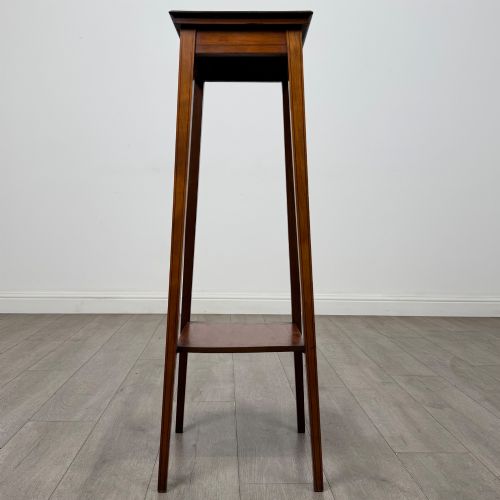
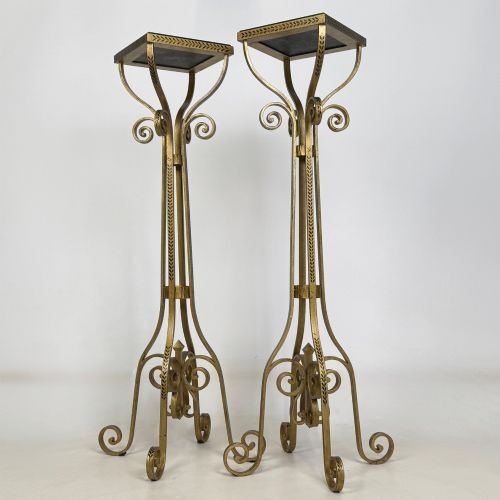
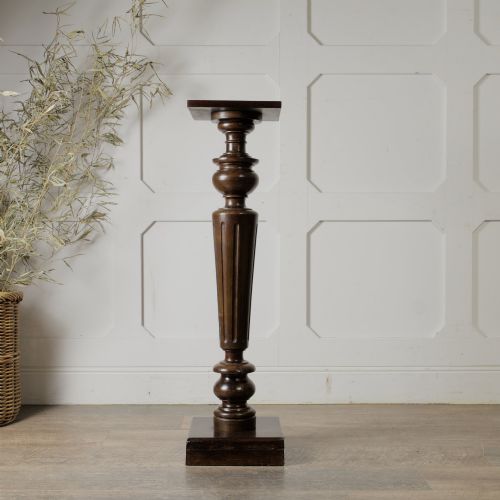
Antique Plant Display
These antique plant display pieces elevate botanical arrangements and sculptures, bringing classical proportions and rich timbers into domestic interiors.
Antique Plant Display
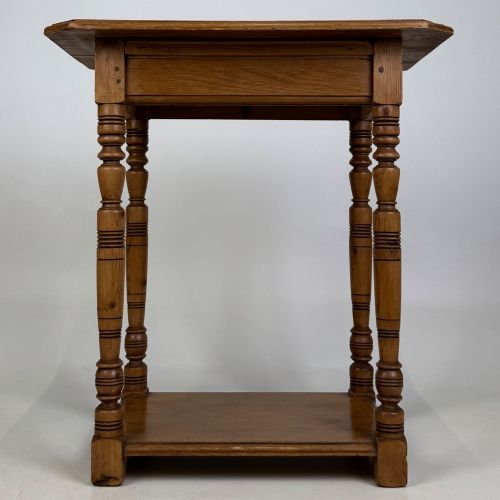
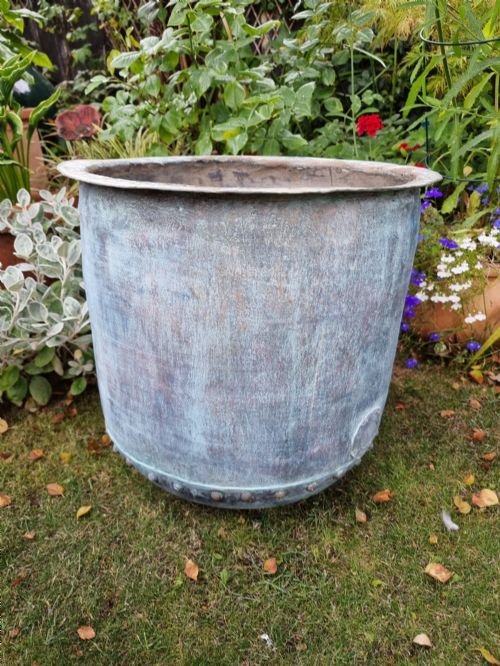
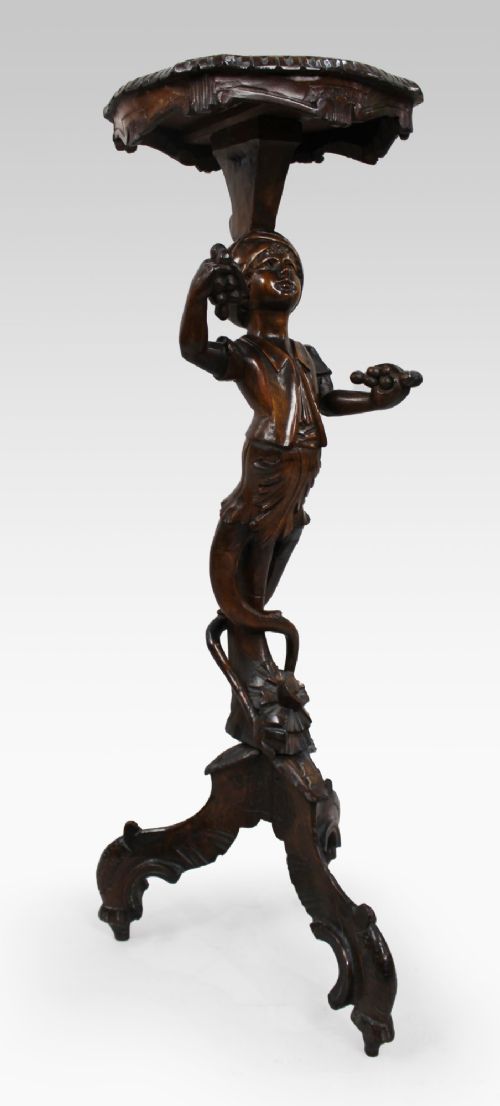
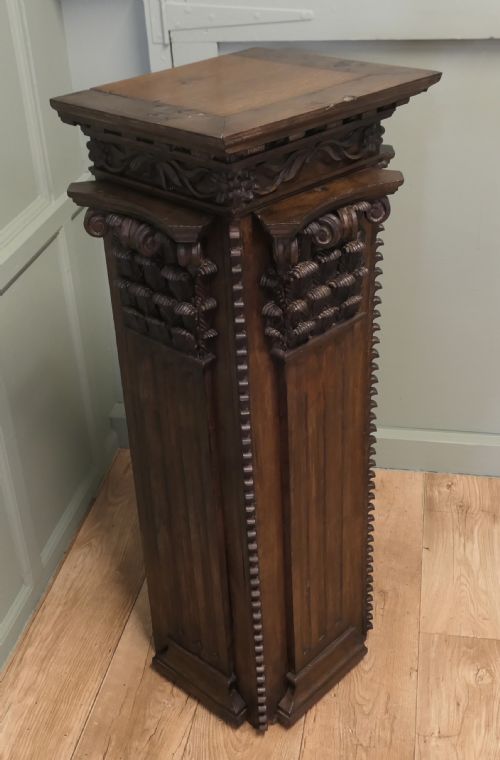
An antique plant display search covers pedestals, torchieres, columns, and plant stands designed to elevate flora and decorative objects within a room. The items span the nineteenth century and the Edwardian era, incorporating styles from Classical Revival and Italian Renaissance Revival to Arts and Crafts.
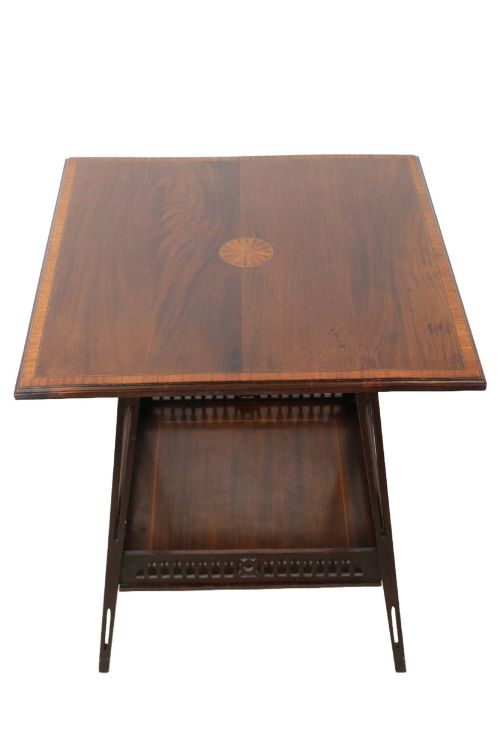
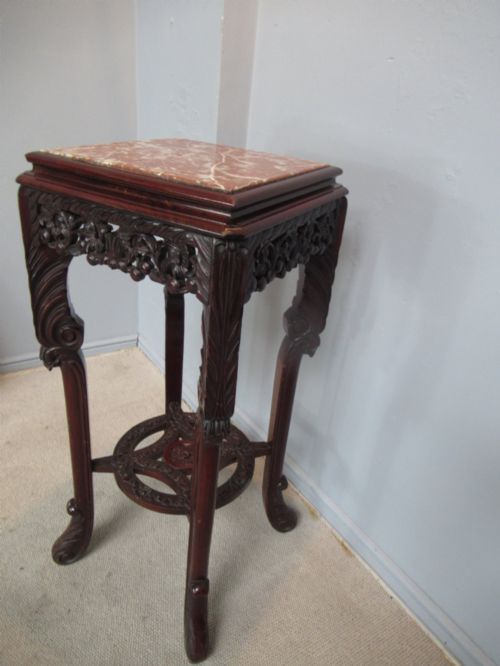
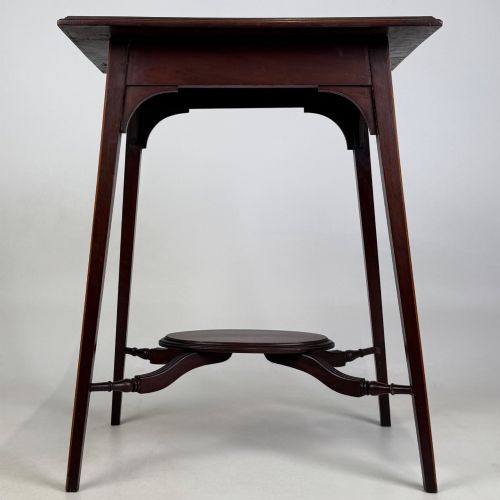
Buyers encounter sturdy oak and mahogany side tables alongside slender columns of marble, onyx, and hardwood. Forms range from heavy French pedestals to Chinese pot stands and British torchere stands intended for corners or focal points.
Materials and Construction
Cabinetmakers utilised dense timbers such as mahogany, walnut, oak, and satinwood, frequently employing turning, carving, and inlay techniques to decorate surfaces. Hardwoods provide the structural stability necessary to support heavy stone elements and loaded display tops.
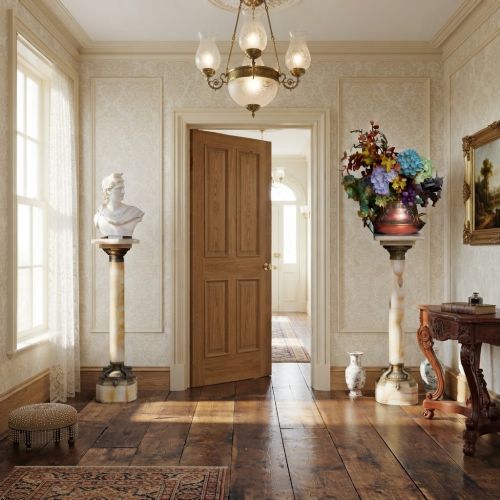
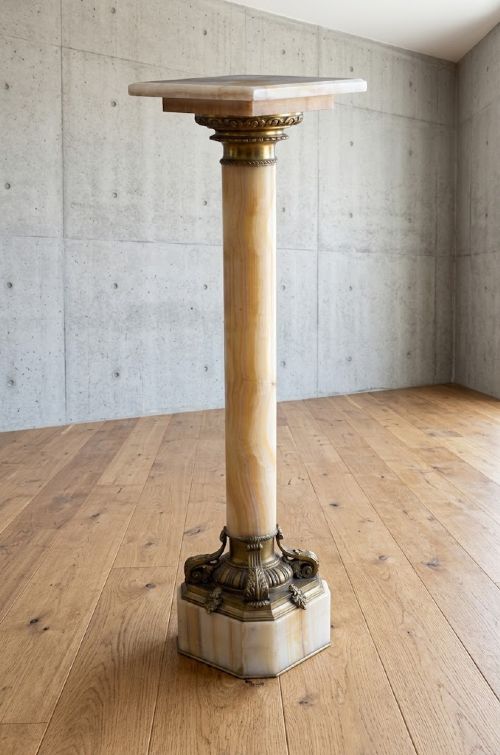
Many classical and continental stands integrate polished marble or onyx panels inset into wooden frames, sometimes secured with cast or chased ormolu collars. These mixed media pieces demand precise joinery to marry stone and timber securely.
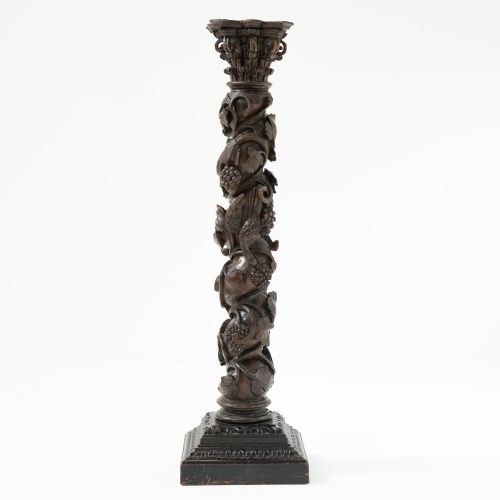
The selection includes classical revival columns, Chinese hardwood pot stands, and Arts and Crafts oak jardiniere stands.
Craftsmanship and Proportion
Quality rests in the harmony of proportion between the supporting shaft and the display surface, along with the crispness of hand carving on capitals and bases. Finer examples display meticulous joinery and well-figured grain rather than mechanical uniformity.
The integration of decorative elements dictates distinction, from finely cast ormolu mounts to precise mother-of-pearl or satinwood inlay. Superior pieces maintain structural rigidity without relying on excessive reinforcement.
Trevor Page Co·Shoolbred
The Antique Plant Display Glossary
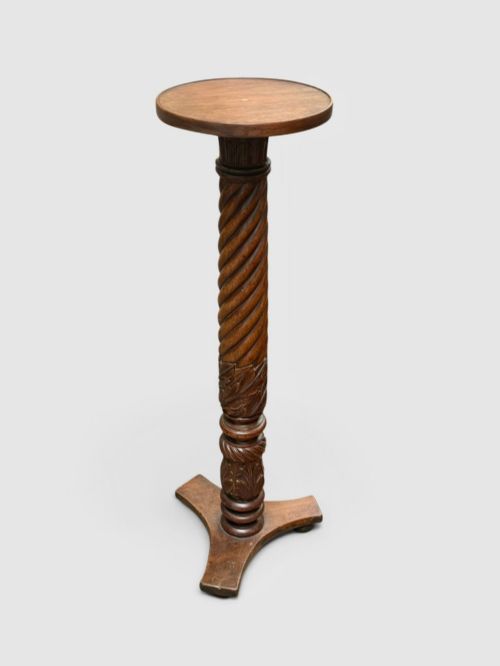
- Torchere
- A tall, slender stand designed to hold a lamp, vase, or plant. These elevated supports originated in the seventeenth century and remained popular through the Victorian and Edwardian periods.
- Ormolu
- Gilded bronze mounts applied to furniture and decorative objects. This technique adds metallic contrast to marble columns and timber pedestals.
- Pedestal
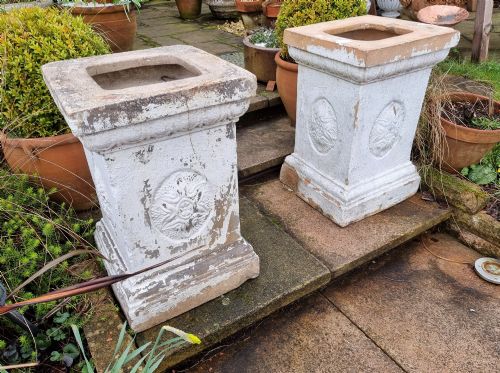
- A structural support or column used to elevate a bust, urn, or plant display. They appear in stone, marble, and carved wood.
- Solomonic
- A helical or twisted column style reminiscent of a spiral staircase. This classical motif appears on antique oak pedestals.
- Jardiniere stand
- A specialised piece of furniture built to hold a plant container or flower trough. They often feature waterproof liners or tiled tops.
Antique Plant Display: Frequently Asked Questions
What is a torchere stand?
A torchere is a tall, slender column or stand originally intended to carry a light source, though later adapted for vases and plants.
These pieces occupy minimal floor space while drawing the eye upward, making them useful for corners and empty wall spaces.
How do I use a pedestal safely?
Heavy marble and stone columns provide a stable base for planters and sculptures, provided they stand on level flooring.
Lighter wooden stands should carry weight distributed evenly across the centre of the top surface to prevent tipping.
What is the difference between a pedestal and a plant stand?
Pedestals often follow classical architectural orders with defined capitals and bases, designed for display.
Plant stands and jardiniere tables frequently feature multiple tiers or integrated trays specifically built to accommodate pots.
How do I care for marble top stands?
Stone tops require occasional gentle cleaning with mild, non-acidic soap and water to protect the polish.
Wood bases benefit from standard waxing appropriate to the timber species, keeping moisture away from antique joints.