
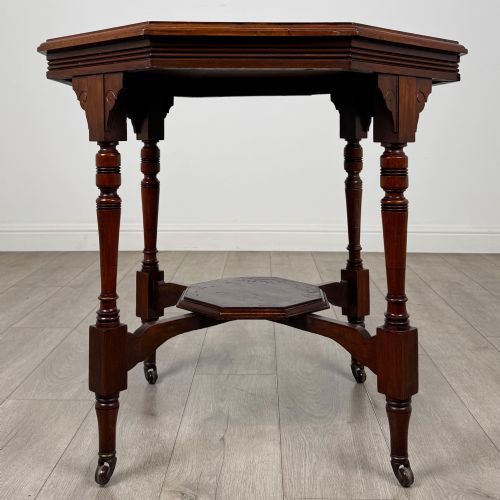
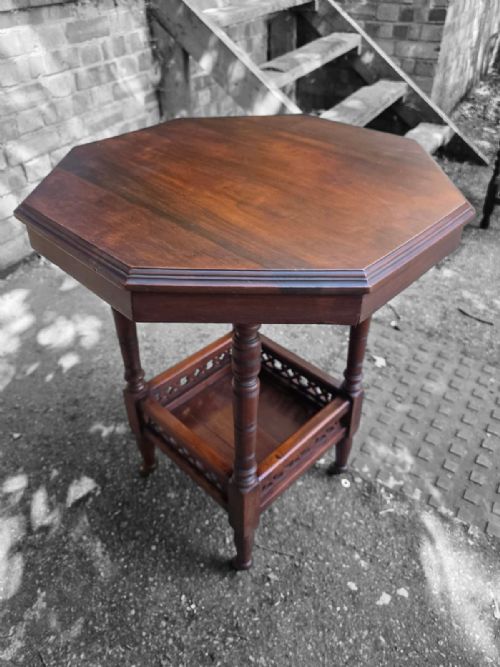
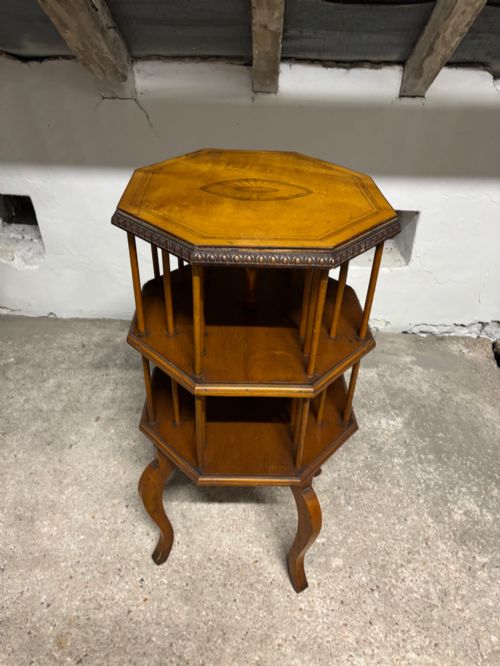
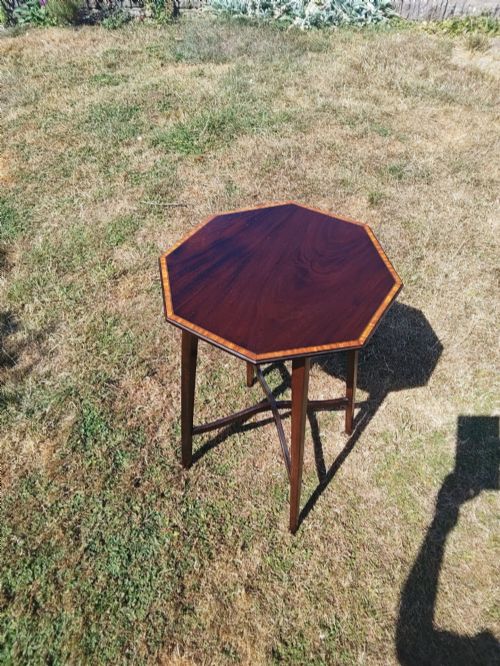
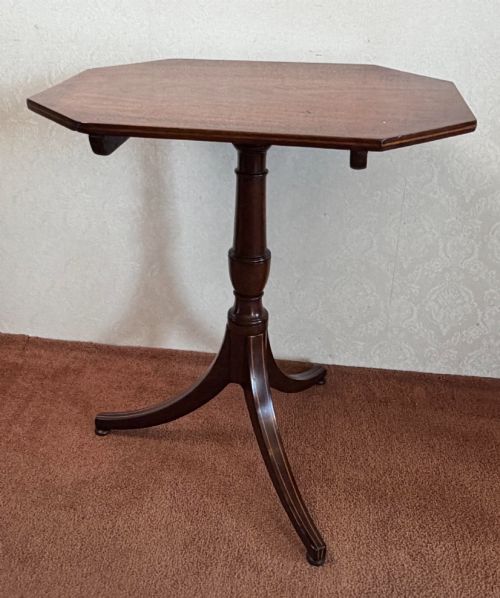

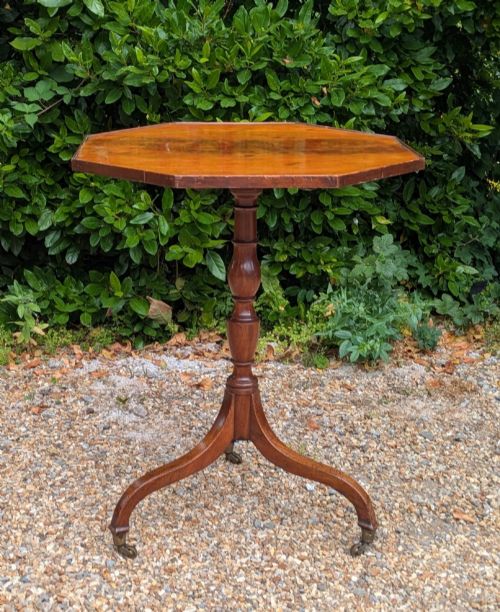
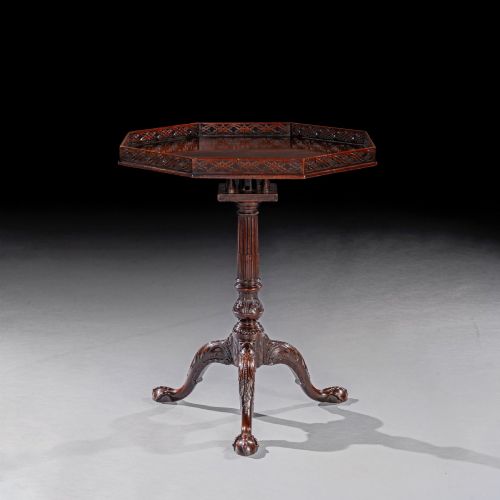
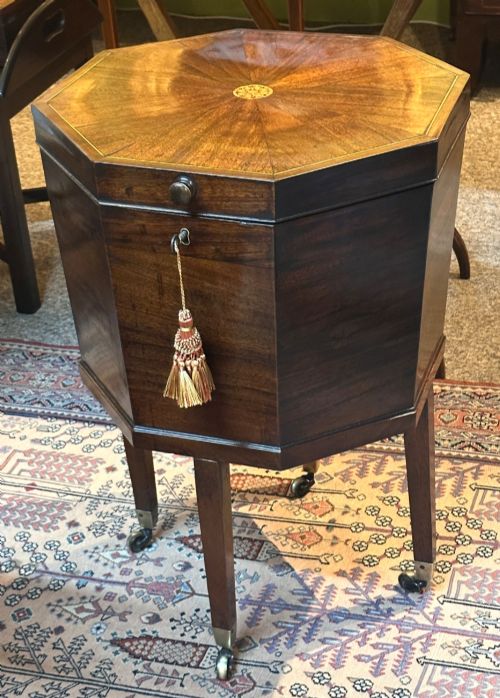
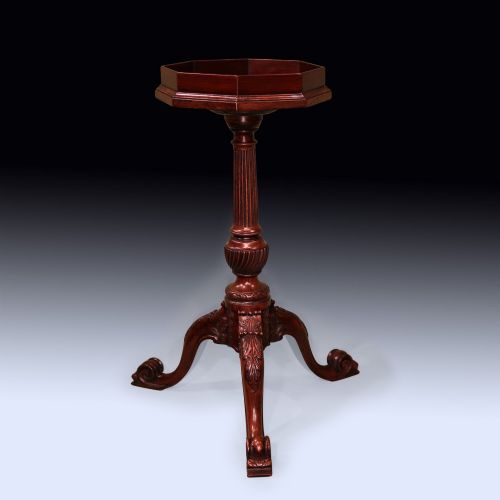
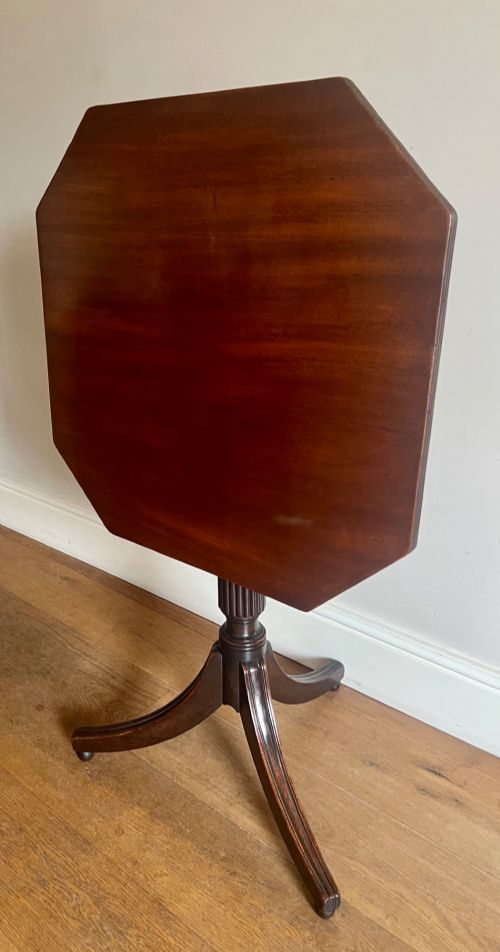
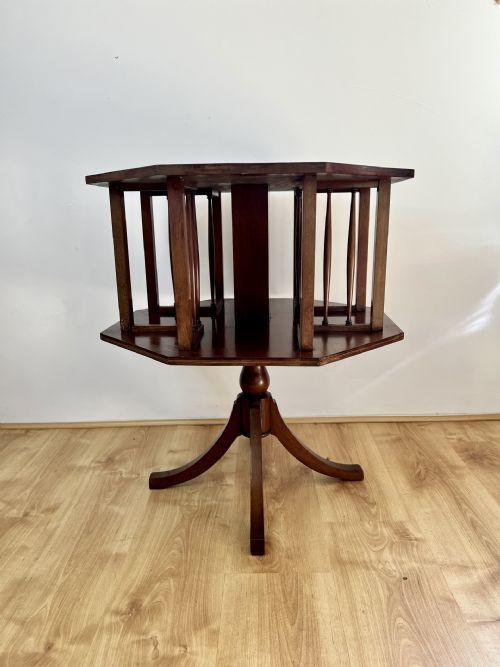
Mahogany Octagonal Table
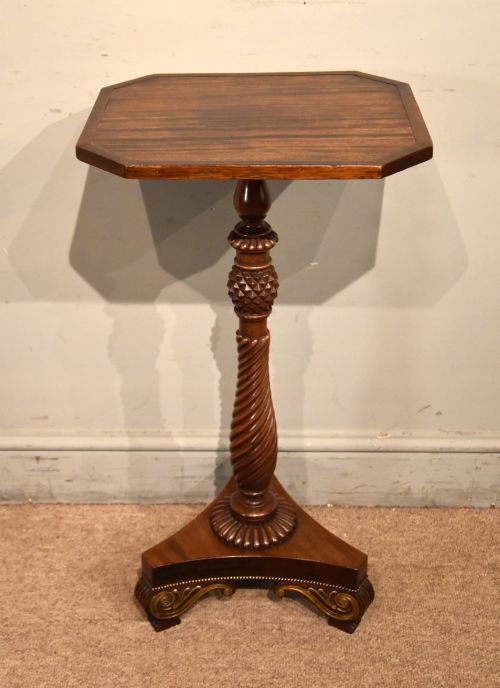
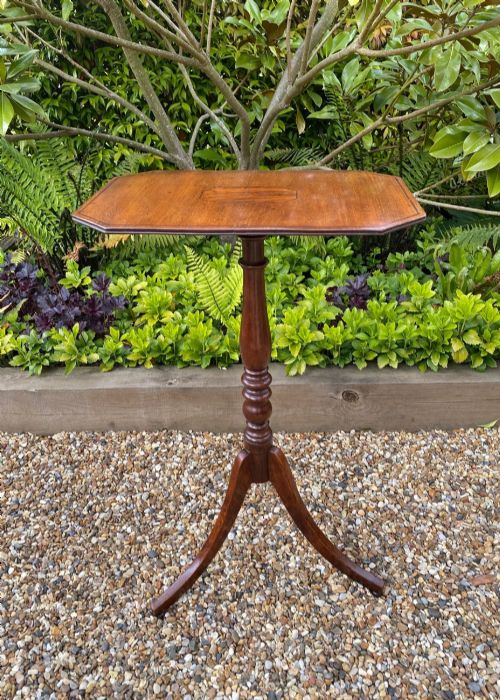
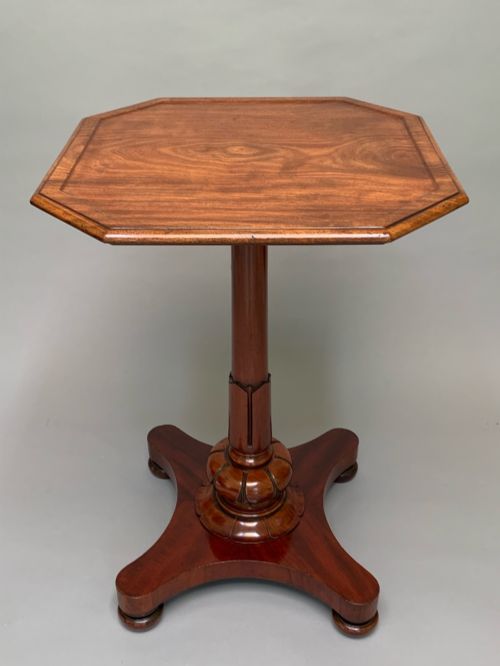
A mahogany octagonal table offers a distinctive geometric top paired with rich timber grain, serving as a versatile piece for lamps, drinks or display.
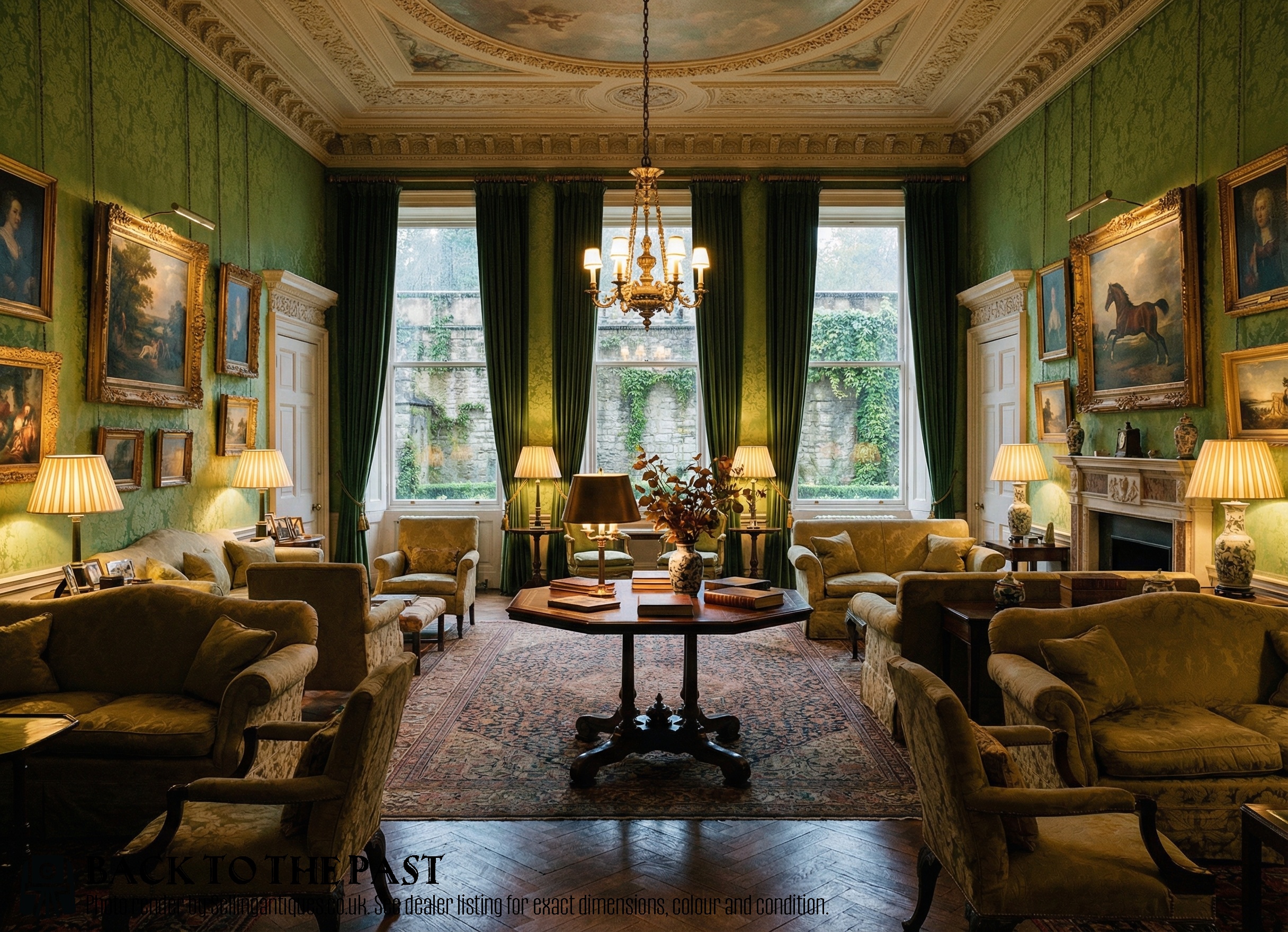
Mahogany Octagonal Table
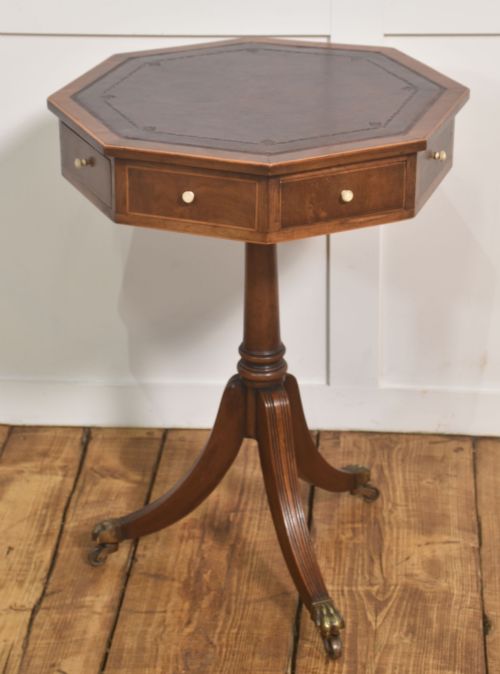
When searching for a mahogany octagonal table, a buyer encounters geometric eight-sided surfaces designed for functional placement in sitting rooms, libraries and halls. The selections span compact wine tables and tripod stands to larger drum tables, centre tables and work tables.
The versions met most frequently on this page originate from the Georgian, Regency, Victorian and Edwardian periods, including revival styles that mirror earlier craftsmanship. These pieces function variously as lamp stands, sewing tables with baskets, and occasional furniture for everyday use.
Originating across the 18th, 19th and early 20th centuries, the surviving forms reflect shifting domestic needs, moving from candle stands and urn supports to multi-drawer drum tables and display surfaces. Their enduring appeal lies in the combination of balanced proportions and practical eight-sided tops.

How They Were Made
Cabinet makers utilised solid mahogany and figured veneers, often selecting flame or figured timber for the top surfaces to highlight natural grain patterns. Structural stability was achieved through precise joinery, including tripod bases, central pillars, and tilting mechanisms.
Decoration frequently involved contrasting woods such as satinwood, boxwood and cherry, applied through stringing and wood inlay to define the geometric angles of the table. Brass fittings, leather inserts, and delicate carvings further distinguished pieces destined for formal rooms.
Mahogany Octagonal Table Retail Price Guide 2026
Typical asking prices for mahogany octagonal table among the pieces listed under this phrase on Sellingantiques today, from the lower quarter to the upper quarter. They describe what is for sale here now, not the wider market.
Listings feature mahogany octagonal tables spanning the Georgian, Regency, Victorian and Edwardian eras, incorporating inlaid boxwood, satinwood, and brass hardware.
What Varies in Quality
The distinction between standard domestic furniture and finer examples rests on the selection of timber and the precision of the cabinet work. Superior pieces display carefully matched veneer grains across the eight-sided top, crisp wood inlay, and well-proportioned turned or carved pillars.
Construction details such as dovetailed drawers, original brass hardware, and the smooth operation of tilt-top or revolving mechanisms indicate higher workshop standards. The integrity of the original polish and the crispness of any carved decoration further separate exceptional examples from simpler utilitarian items.
Ralph Turnbull·Morris and Co·Liberty and Co
The Mahogany Octagonal Table Glossary
- Drum table
- A large, circular or octagonal library table with a wide frieze containing drawers, typically supported on a central pillar with tripod legs.
- Tripod table
- A freestanding small table featuring a central turned column that splits into three distinct feet for stability.
- Tilt top
- A mechanism allowing the table top to pivot to a vertical position when not in use, saving space in smaller rooms.
- Stringing
- A narrow inlay of contrasting wood used to outline geometric shapes and borders on table tops and legs.
- Crossbanding
- A border of veneer laid with the grain running perpendicular to the central panel, framing the perimeter of the top.
Mahogany Octagonal Table: Frequently Asked Questions
What were mahogany octagonal tables used for?
These tables served various domestic purposes depending on their height and internal fittings, functioning as lamp stands, tea tables, or spaces for sewing and reading.
Smaller tripod versions held candles and wine glasses, while larger drum and centre tables provided permanent surfaces in libraries and drawing rooms.
How do I identify a Georgian mahogany table?
Georgian pieces generally display dense, heavy mahogany timber with patination gained over centuries, alongside restrained proportions and classical column or tripod turnings.
Details such as hand-cut dovetails in drawer linings and subtle boxwood stringing help distinguish 18th-century work from later Victorian and Edwardian revivals.
Can I use an antique octagonal table daily?
Most occasional and drum tables were built for robust daily use in period homes and easily accommodate modern lamps, books, and drinks.
Care should be taken with polished timber surfaces by using coasters and avoiding placement near direct heat sources or strong sunlight.
What is a tilt top mechanism?
A tilt top incorporates a catch and block hinge beneath the table surface that allows the top to fold flat against the central pillar.
This historic feature enabled servants to store multiple tables against perimeter walls when a room needed to be cleared for dancing or dining.