




Mahogany Nightstand Tiered
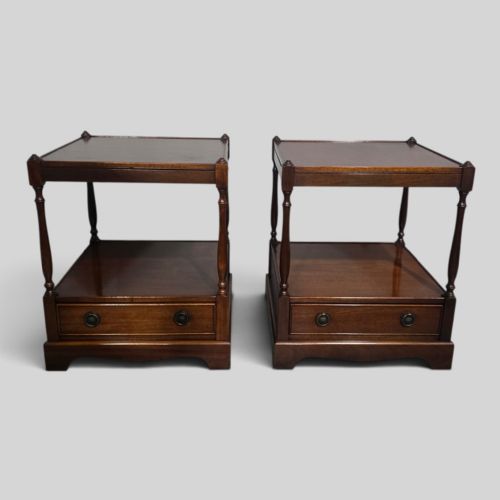
Mahogany nightstand tiered forms bring practical surface space and rich dark timber grain into a room.
Mahogany Nightstand Tiered
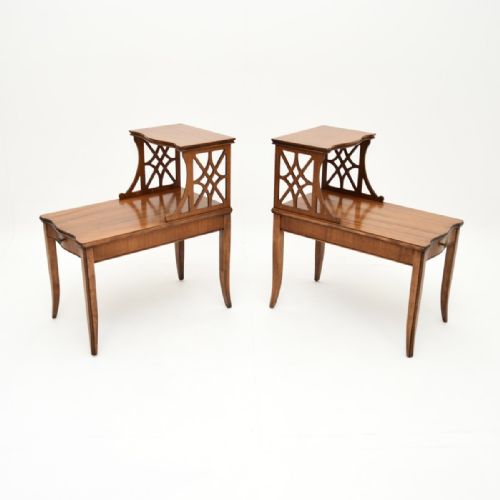
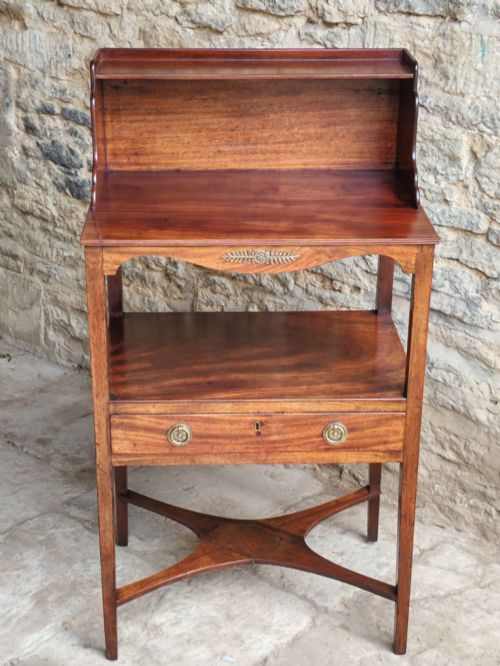
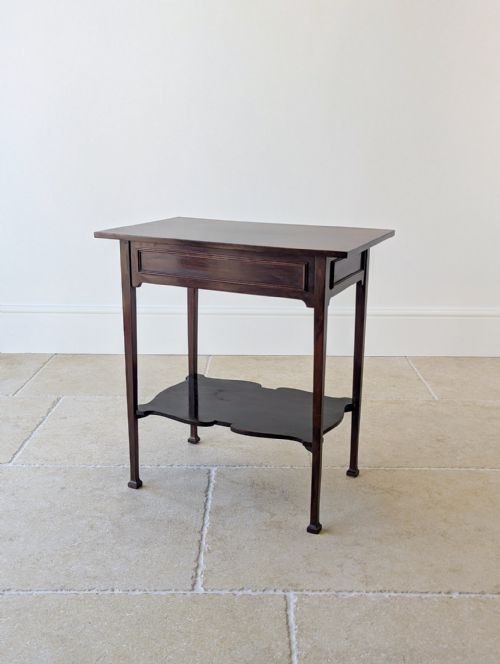
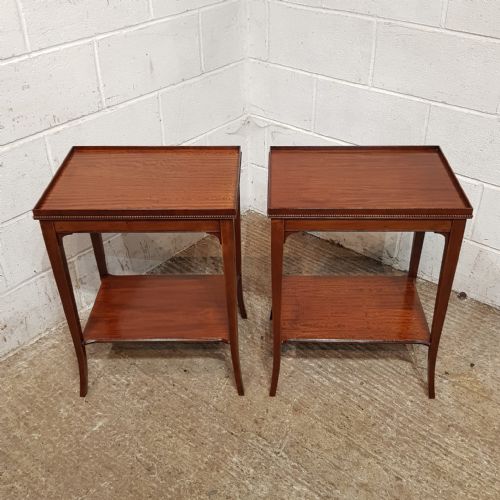
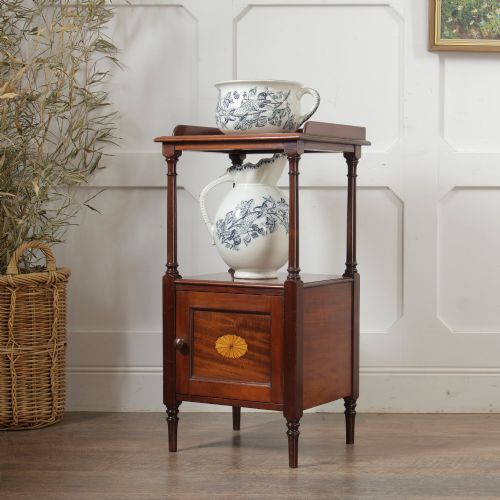
A mahogany nightstand tiered search brings together a distinct group of timber furniture designed for bedside or small-space utility, spanning several centuries. Buyers find items catalogued variously as bedside tables, pot cupboards, lamp tables, whatnots, and étagères.
How they were made
Cabinetmakers relied heavily on solid mahogany and mahogany veneers, occasionally incorporating contrasting timbers like satinwood, rosewood, and walnut for inlay work. Timber choice defined the structural integrity and the richness of the polished surface.
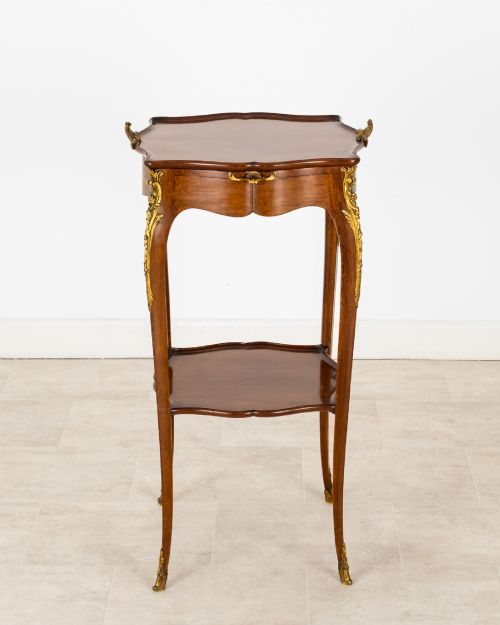
Metal elements added both function and decoration, with brass handles, ormolu mounts, and gilt bronze details appearing across French and English pieces. Joinery techniques varied from simple pegged construction to fine dovetailing on drawers and tiered framing.
Mahogany Nightstand Tiered Retail Price Guide 2026
Typical asking prices for mahogany nightstand tiered among the pieces listed under this phrase on Sellingantiques today, from the lower quarter to the upper quarter. They describe what is for sale here now, not the wider market.
A vide-poche translates literally as 'empty pocket', offering an eighteenth-century solution for dumping loose change before sleep.
What varies in quality
Quality rests primarily in the selection of the timber grain and the crispness of any inlay or carved detail. Pieces featuring finely figured mahogany veneers or delicate satinwood banding sit above plain utility items.
The integration of metal mounts, such as cast ormolu or solid brass fittings, marks the distinction between standard workshop production and high-end cabinet work, especially among French and English examples.
François Linke
The Mahogany Nightstand Tiered Glossary
- Whatnot
- A piece of furniture consisting of a set of open shelves for displaying small objects or books. These typically feature two or three tiers supported by slender uprights.
- Étagère
- A French piece comprising several levels of shelves used for display. These frequently incorporate circular tiers or marble tops supported on mahogany frames.
- Pot cupboard
- A small bedside cabinet designed originally to enclose a chamber pot. They often feature a single door above a cupboard space or a drawer.
- Ormolu
- Gilt-bronze decorative mountings applied to furniture. This technique gained popularity in French revival pieces and adds metallic contrast to dark timber.
- Vide-poche
- A small French occasional table or stand intended for emptying pockets. These circular designs serve well as compact bedside surfaces.
Mahogany Nightstand Tiered: Frequently Asked Questions
What is a tiered mahogany nightstand used for?
These pieces serve primarily as bedside or lamp tables where multiple levels provide space for reading materials, lighting, and small personal belongings. The stacked shelf design maximises surface area without taking up extra floor space.
Historically, variations such as pot cupboards and dumb waiters fulfilled specific domestic duties in bedrooms and living rooms. Today, they function well as compact side tables in modern interiors.
How do I identify a Georgian tiered table?
Georgian pieces, including late Georgian and George III examples, typically exhibit robust proportions, minimal ornamentation, and a focus on the natural grain of the mahogany timber. Look for clean lines and traditional joinery methods.
They often take the form of three-tier whatnots or simpler bedside cupboards rather than the more ornate French revival styles seen later in the nineteenth century.
Are these pieces French or English?
The selection includes both English and French examples, reflecting the widespread popularity of mahogany furniture across Europe during the nineteenth century. English pieces tend toward functional bedside cupboards and plain whatnots.
French items, including those labelled as étagères or featuring ormolu mounts and marble tops, often display more decorative flair and curved lines influenced by Louis XV revival designs.
How do I care for mahogany furniture?
Keep mahogany furniture away from direct sunlight and heat sources to prevent the timber and veneers from drying out or fading. Dust regularly with a soft, dry cloth to maintain the polished finish.
Apply a traditional beeswax polish sparingly when the wood appears dry, avoiding modern silicone sprays that can build up and damage the historic surface over time.