

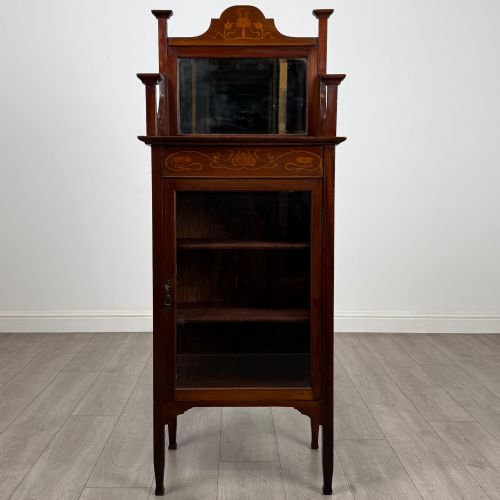
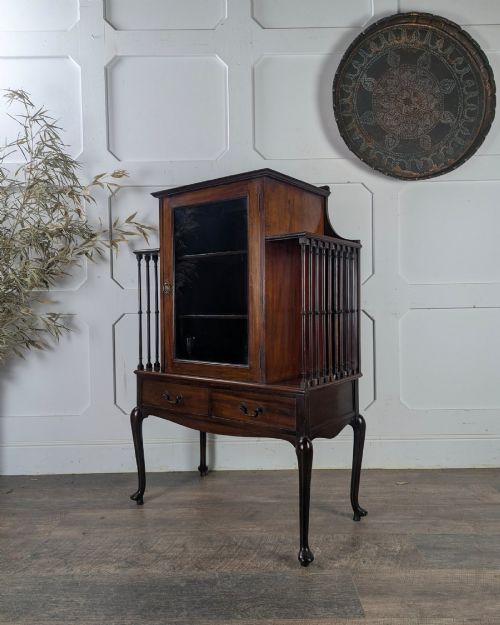
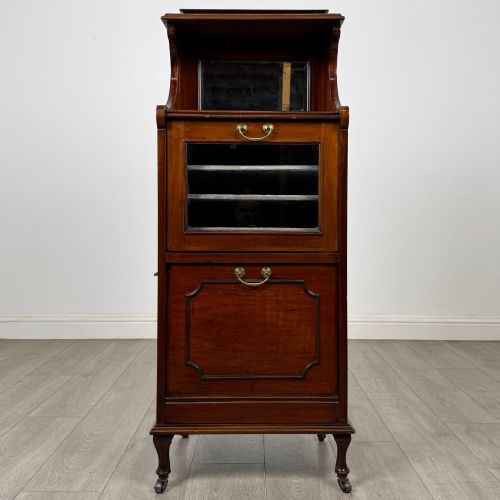
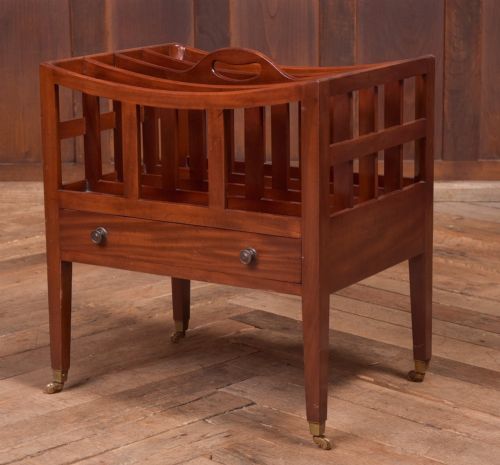


Mahogany Music Stand Cabinet
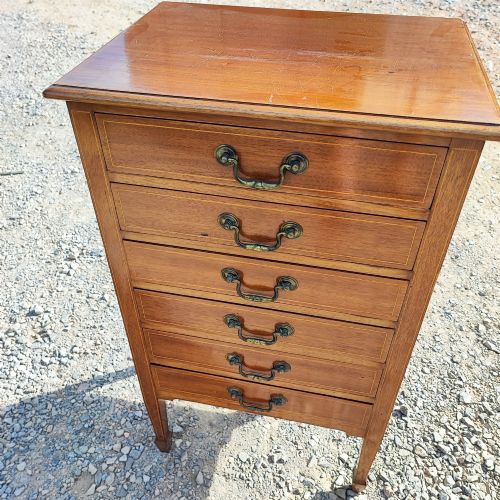
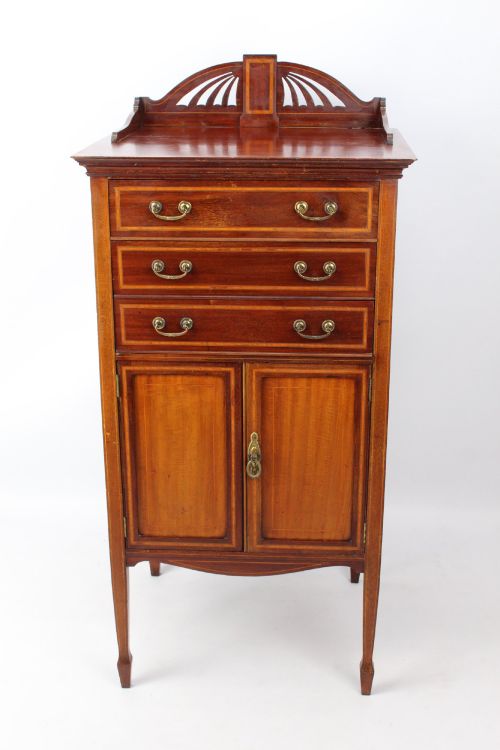
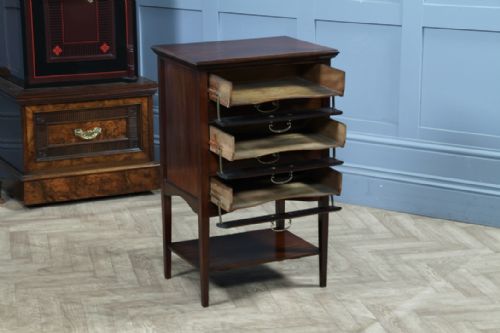
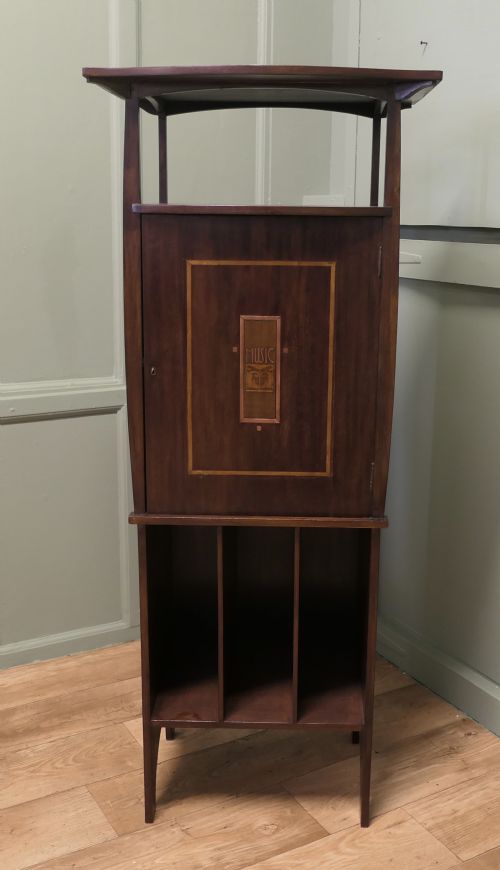
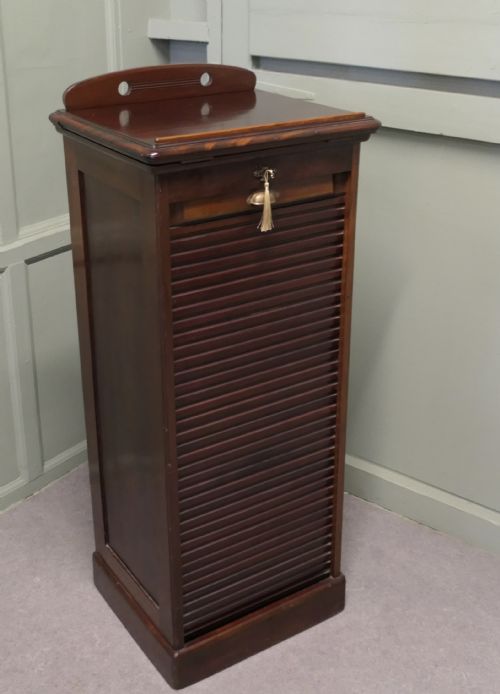
A mahogany music stand cabinet is a practical piece designed to hold sheet music, uniting timber and utility for the parlour.
Mahogany Music Stand Cabinet
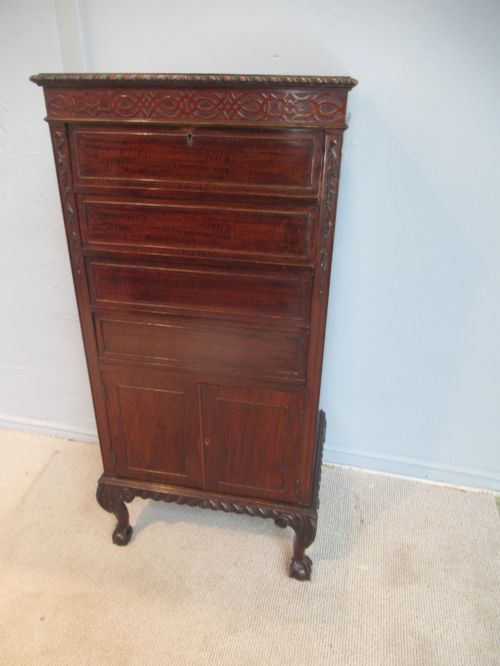
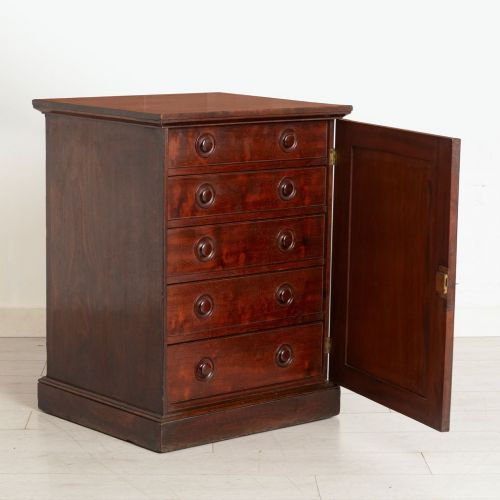
A mahogany music stand cabinet brings together functional storage for sheet music and the refined cabinet-making of the nineteenth and early twentieth centuries. When searching for a mahogany music stand cabinet, collectors encounter pieces spanning the Georgian, Regency, Victorian, and Edwardian periods.
The form frequently appears as an upright cabinet fitted with internal shelves or drop fronts, alongside related pieces like canterburys and folio stands. Edwardian and late Victorian examples dominate the selection, often enriched with satinwood inlay or brass fittings.
Makers ranged from notable firms such as Collinson & Lock and JS Henry to provincial workshops producing utilitarian filing and music storage. These items served domestic musicians by keeping folios and scores organised near the piano.
Judging the standard of execution
Quality rests upon the selection of timber grain, the precision of satinwood inlay, and the retention of original brass hardware. Finer pieces demonstrate careful attention to internal shelving and structural stability.
Simpler workshop output prioritises basic utility, whereas cabinet-makers of high repute employed balanced proportions and integrated decorative motifs such as shell upstands.
Mahogany Music Stand Cabinet Retail Price Guide 2026
Typical asking prices for mahogany music stand cabinet among the pieces listed under this phrase on Sellingantiques today, from the lower quarter to the upper quarter. They describe what is for sale here now, not the wider market.
Materials recorded across the selection include solid mahogany, satinwood inlay, glass, and brass.
GM Elwood·JS Henry·Denby & Spinks·Collinson & Lock
The Mahogany Music Stand Cabinet Glossary
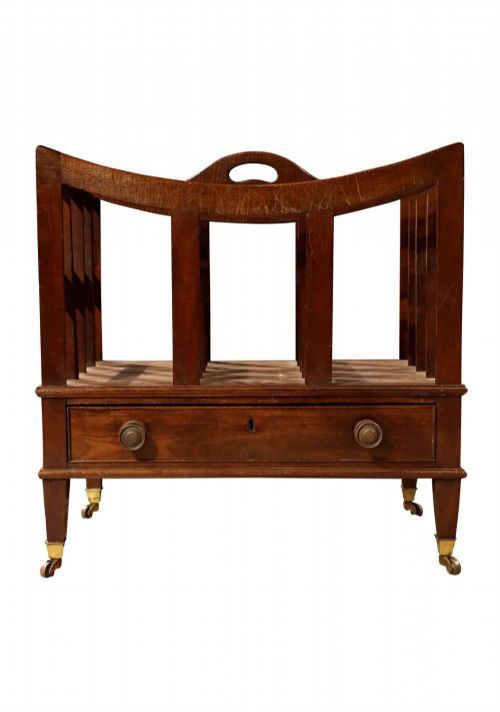
- Canterbury
- A low stand with partitioned sections designed to hold sheet music, magazines, or folios. It usually rests on castors and may incorporate a small drawer below.
- Fall front
- A hinged door that drops forward to reveal interior compartments or shelves. This mechanism allows easy access to music sheets.
- Satinwood inlay
- Contrasting light-coloured wood inserted into the mahogany surface to form decorative patterns. It signals elevated craftsmanship in Edwardian pieces.
- Etagere
- A set of open shelves supported by columns or uprights used for display. These pieces appear alongside enclosed cabinets in nineteenth-century interiors.
Mahogany Music Stand Cabinet: Frequently Asked Questions
What is a mahogany music stand cabinet?
A mahogany music stand cabinet is a dedicated piece of furniture built to store sheet music, scores, and folios in the home.
Most examples date from the Victorian and Edwardian eras, constructed from mahogany with internal shelves or drop fronts.
How do I date an Edwardian music cabinet?
Edwardian pieces typically date between 1900 and 1910, often displaying satinwood inlay, light mahogany tones, and Arts and Crafts or Art Nouveau influences.
They rely on machine-assisted dovetailing and standard brass handles characteristic of the early twentieth century.
What is the difference between a music cabinet and a canterbury?
A music cabinet is an enclosed piece with doors or a fall front concealing internal shelves for paper storage.
A canterbury is an open rack with vertical partitions designed for holding folios and newspapers upright.
Where were these cabinets used?
These cabinets sat in domestic parlours and drawing rooms adjacent to pianos or music stands for easy access during practice.
They kept delicate paper scores flat and protected from dust and light.