


Mahogany Liquor Cabinet
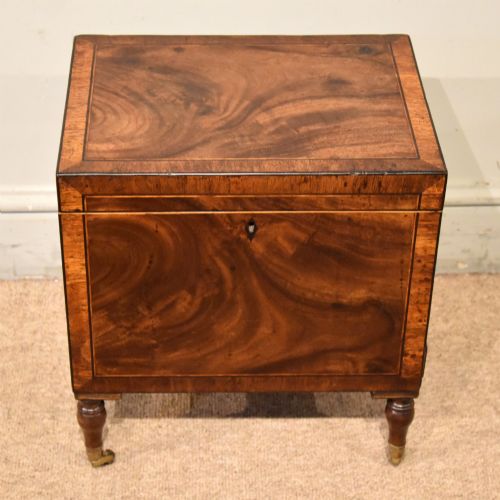
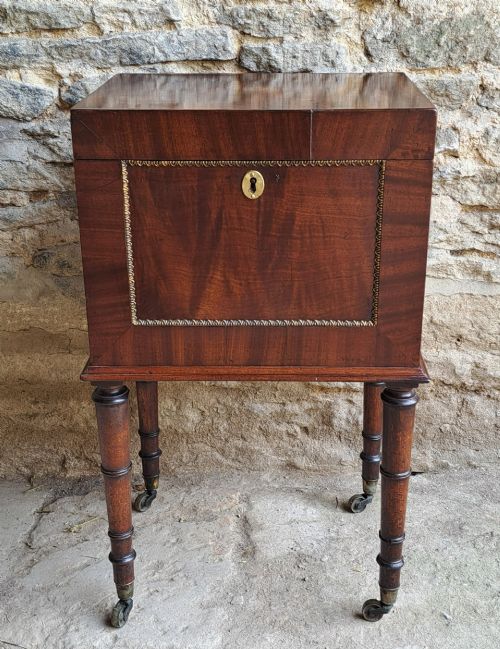
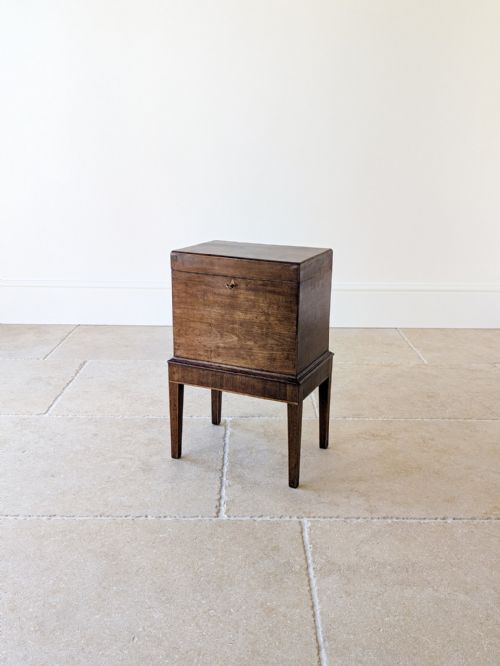
A mahogany liquor cabinet brings solid timber grain and period presence to a room, storing bottles safely while anchoring a corner with traditional craftsmanship.

Mahogany Liquor Cabinet
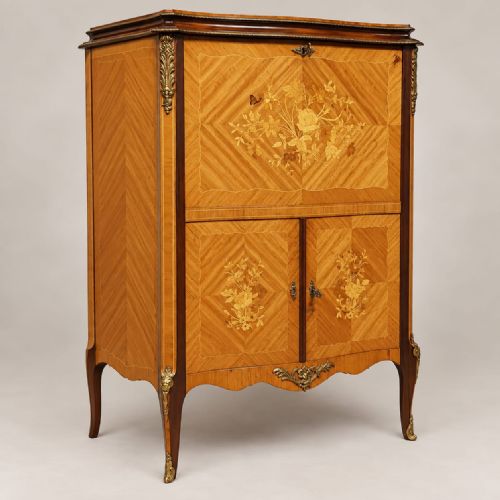
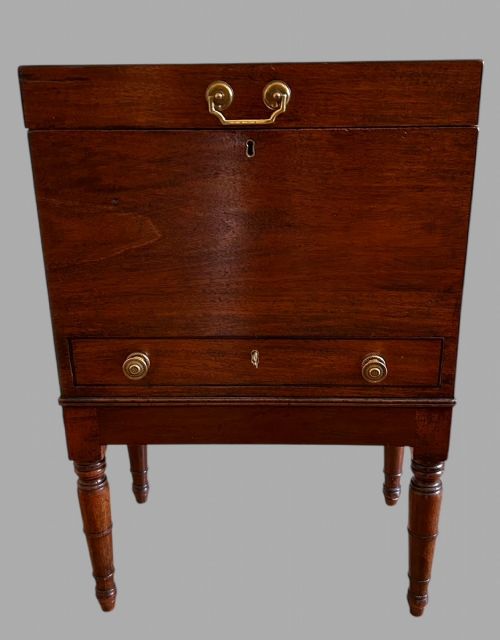
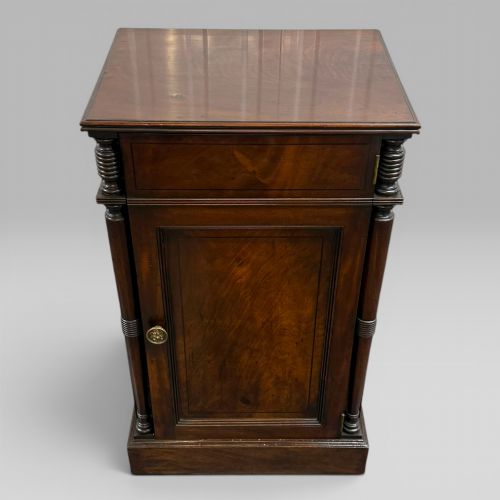
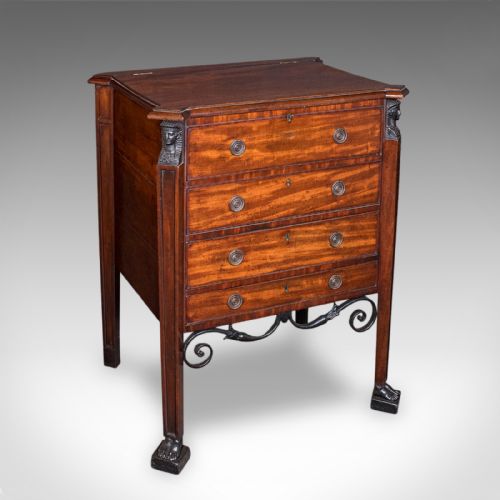
When you search for a mahogany liquor cabinet, you are looking at a lineage of storage pieces designed to house spirits, wine and glassware across multiple centuries. The forms span robust Georgian cellarettes, Regency wine coolers, Victorian cabinets, Edwardian drinks pieces and later Art Deco cocktail furniture.
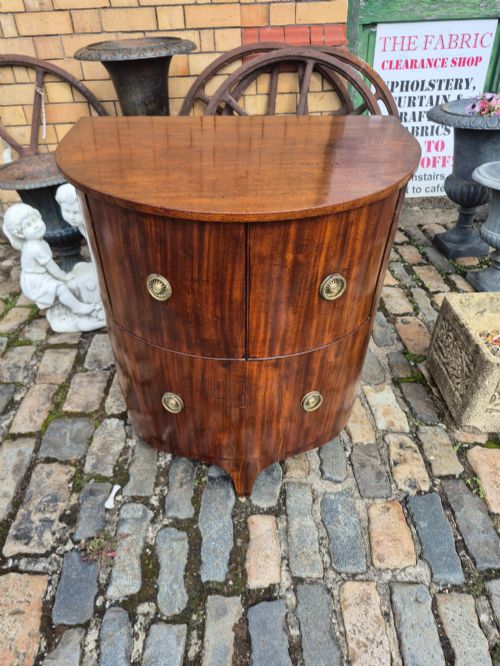
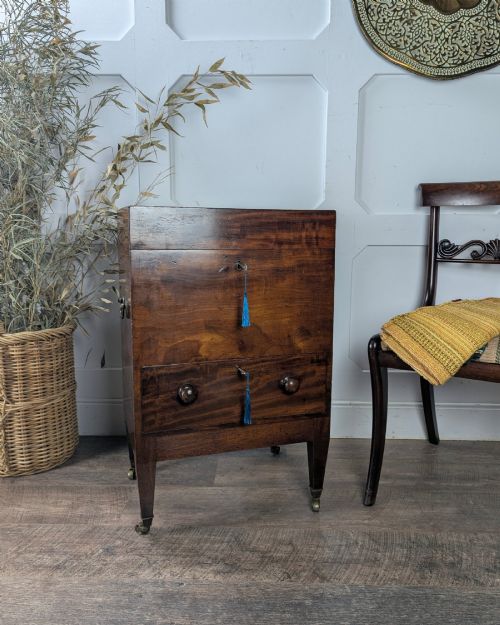
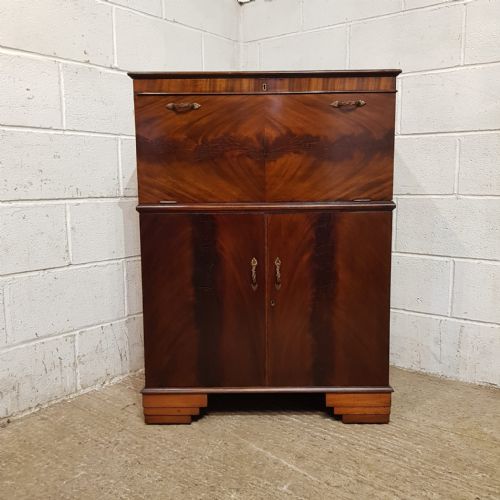
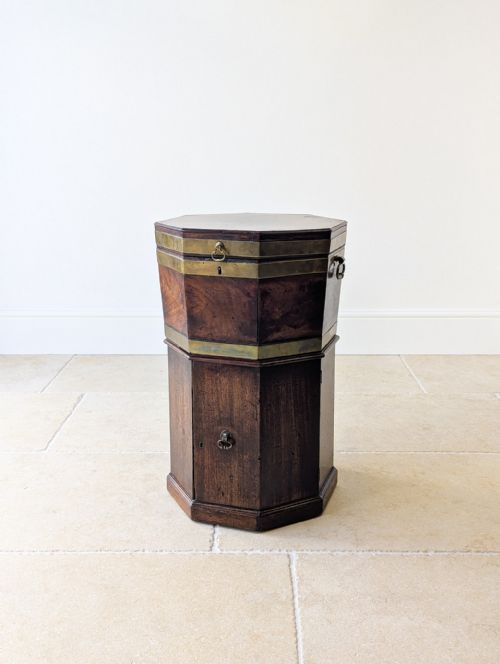
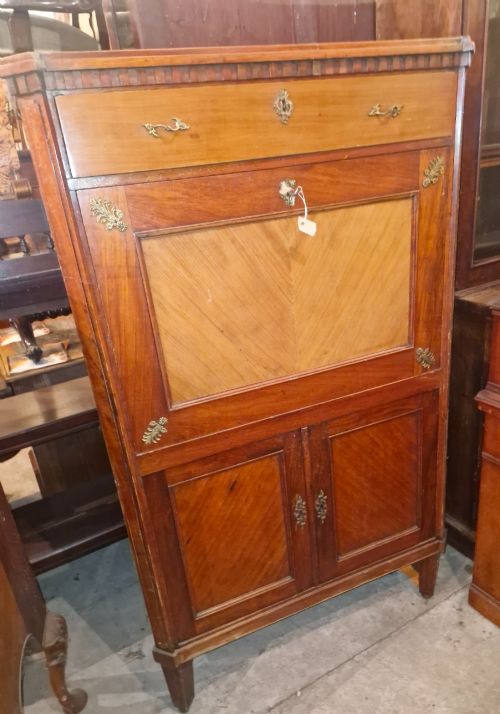
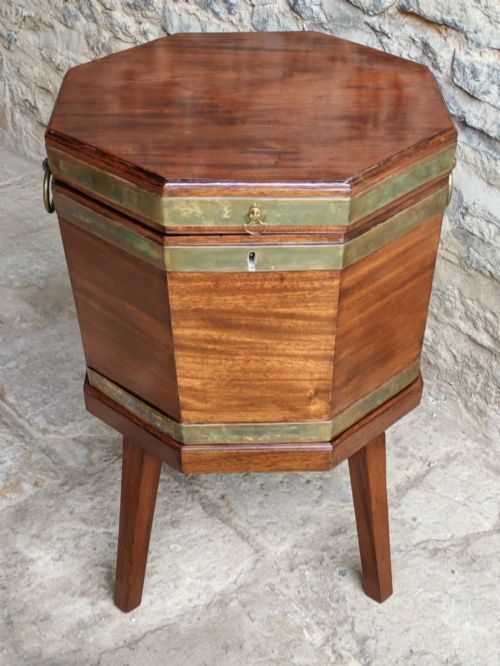
The version you are most likely to meet on this page is the Georgian or Regency cellarette, often octagonal or oval, constructed for formal dining rooms. Alongside these sit later drinks and cocktail cabinets from the Edwardian and Art Deco periods, which accommodate glassware and standing bottles rather than iced wine.
How they were made
Cabinet makers built these pieces using solid mahogany, frequently selecting flame mahogany or incorporating satinwood, walnut and boxwood for contrasting inlay work. Brass bands, ormolu mounts and brass carrying handles provided both structural reinforcement and decorative contrast against the dark timber.
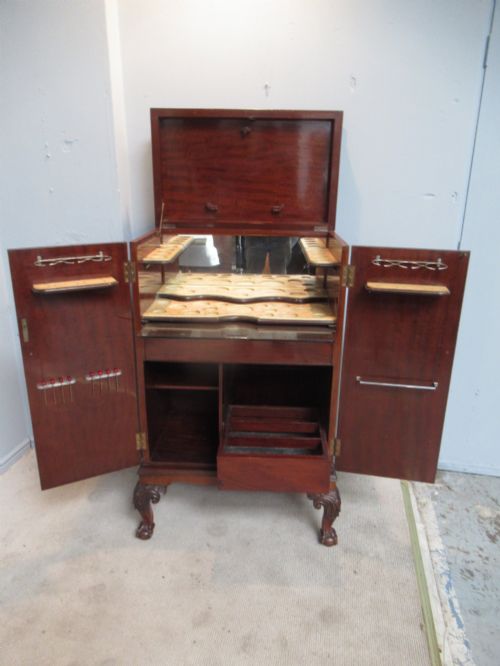
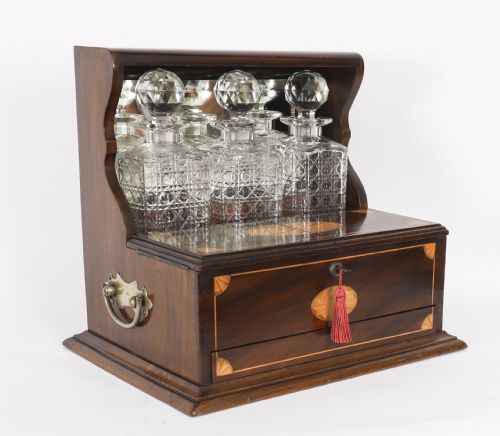
Joinery techniques relied on precise dovetailing and panel construction to house lead-lined interiors in the earlier coolers, while later drinks cabinets utilised mirrors, removable trays and fitted shelves to organise crystal decanters.
Mahogany Liquor Cabinet Retail Price Guide 2026
Typical asking prices for mahogany liquor cabinet among the pieces listed under this phrase on Sellingantiques today, from the lower quarter to the upper quarter. They describe what is for sale here now, not the wider market.
Materials appearing across the selection include solid mahogany, flame mahogany veneers, cut crystal, brass banding, satinwood and ormolu mounts.
What varies in quality
Quality rests in the selection of the timber grain, the crispness of any boxwood inlay, and the retention of original brass hardware rather than later replacements. Pieces attributed to notable workshops demonstrate superior joinery in the internal dividers and lining.
The sophistication of the interior fit-out also separates standard production from finer examples, particularly where original lead linings, fitted decanter frames or specialised mirror-backed cocktail compartments remain intact.
Gillows·Gillingtons·Gillows of Lancaster and London
The Mahogany Liquor Cabinet Glossary
- Cellarette
- A lockable container or cabinet specifically designed to hold bottles of wine or spirits, often lined with lead in Georgian examples.
- Tantalus
- A locking wooden frame holding three decanters that exposes the bottles to view while preventing access without a key.
- Flame mahogany
- A veneer cut from the fork of the mahogany tree, producing a distinctive rippled, flame-like pattern across the surface.
- Ormolu
- Gilded bronze mounts and decorative feet applied to furniture, frequently seen on Regency and French Empire inspired pieces.
- Padouk
- An exotic tropical timber with a reddish hue, occasionally utilised in place of standard mahogany in 18th-century pieces.
Mahogany Liquor Cabinet: Frequently Asked Questions
What is the difference between a cellarette and a drinks cabinet?
A cellarette is typically a low, box-like chest designed during the Georgian and Regency periods to hold wine bottles, often featuring a lead-lined interior for ice.
In contrast, a drinks or cocktail cabinet is a taller, later piece from the Edwardian or Art Deco eras intended to store standing bottles, mixing tools and crystal glassware.
How do I date a mahogany liquor cabinet?
Dating relies on combining the overall architectural style, such as Georgian bracket feet or Regency brass inlay, with the construction methods used inside the carcass.
Hardware styles, timber selection and secondary woods like pine or oak also help narrow the piece down to a specific design era.
Were these cabinets meant to be locked?
Yes, many period cellarettes and tantalus frames incorporate working brass locks to protect expensive imported spirits from household servants.
Keys are a desirable feature for collectors, though many antique locks remain unkeyed today due to centuries of use.
Can I use an antique cellarette for modern bottles?
While older cellarettes were dimensioned for specific historical bottle shapes and capacities, many standard modern spirits fit comfortably inside the internal wooden dividers.
Checking the internal depth and partition spacing ensures your preferred decanters and bottles will slide into place without obstruction.