


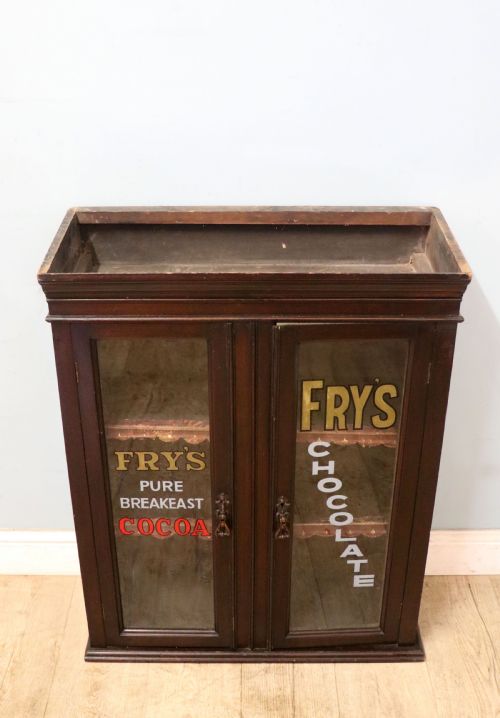


Mahogany Letter Cabinet
A mahogany letter cabinet organises correspondence with timber and brass, offering a tactile solution to desk clutter.
Mahogany Letter Cabinet
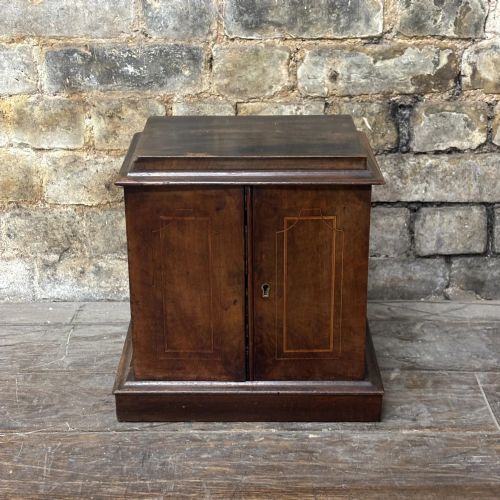
A mahogany letter cabinet is a desk accessory or small furniture piece designed to sort correspondence, stationery, and post. The pieces seen on this page span the Georgian, Victorian, and Edwardian periods, stretching into the early twentieth century.
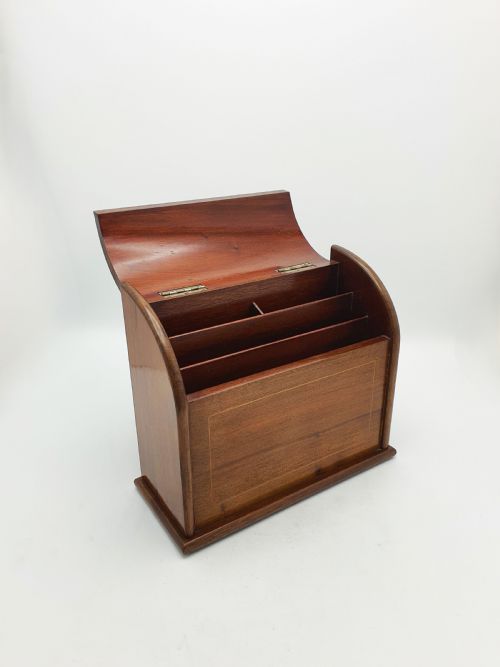
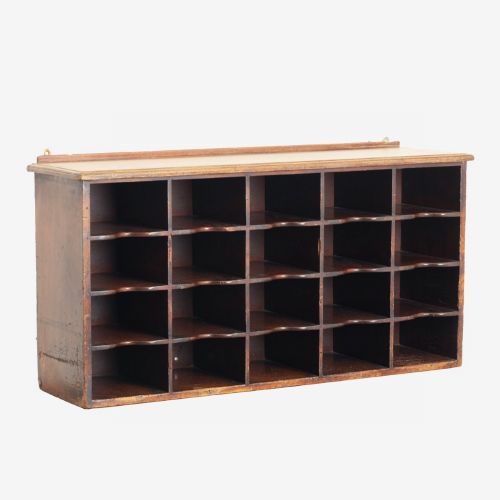
Most examples take the form of stationery boxes, desk tidies, and tabletop pigeon holes, often featuring hinged lids or glazed doors. Commercial variants also appear, including advertising cabinets for chocolate and sewing cottons, alongside country house post boxes.
Makers utilised rich timber grains to create functional storage for the desk or counter. The range includes simple hinged boxes as well as larger commercial display units and patented filing systems.
What varies in quality
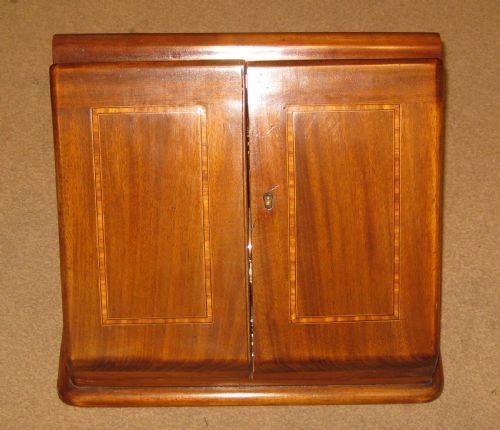
Quality rests upon the selection of timber grain and the precision of the joinery in carcase construction. Fine examples display carefully matched mahogany veneers and crisp boxwood inlay rather than plain surfaces.
The sophistication of the internal fittings defines the tier of a piece, from simple partitioned stationery boxes to complex patent letter files and pigeon holes. Original brass hardware and intact glass panels elevate the standard of surviving examples.
The archive includes commercial counter cabinets alongside domestic letter boxes and Georgian estate furniture.
Fry’s Chocolate·Ermen & Roby·Rowntree’s Chocolates·Amberg’s patent
The Mahogany Letter Cabinet Glossary
- Stationery box
- A tabletop container designed to hold writing paper, envelopes, and correspondence. These boxes often feature sloping lids or fitted vertical partitions.
- Pigeon holes
- Open compartments arranged in rows to sort letters and documents on a desk. They form a key interior component in nineteenth-century desktop organisers.
- Stringing
- Thin inlaid lines of contrasting wood, such as boxwood or satinwood, used to edge panels and drawers. This technique adds delicate linear detail to the mahogany surface.
- Shopfitting cabinet
- A glazed display unit built for commercial use on a counter or wall. Examples include branded cabinets for chocolate and sewing cottons.
Mahogany Letter Cabinet: Frequently Asked Questions
How do I date a stationery box?
Dating relies on stylistic clues and construction methods, moving from Georgian simplicity to ornate Victorian and inlaid Edwardian designs. Materials like boxwood stringing and brass hardware also point to specific decades.
Makers' marks, patent labels, and advertising lettering help narrow down the period of manufacture.
How were these cabinets used?
They were kept on desks, hall tables, or shop counters to organise letters, envelopes, and writing implements. Commercial versions displayed goods like sewing cottons and chocolates in retail settings.
Country house post boxes collected household mail securely before rural postal delivery became frequent.
How do I clean mahogany wood?
Clean mahogany surfaces gently using a soft, dry cloth to remove dust. Avoid harsh chemical cleaners that can strip the traditional polish or damage timber veneers.
Occasional application of appropriate wax polish helps nourish the wood and maintain its natural lustre.