
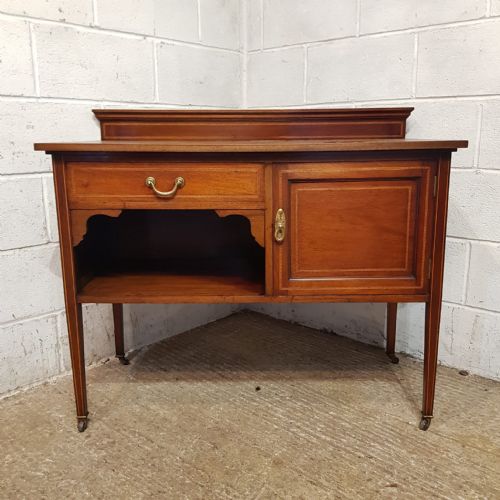
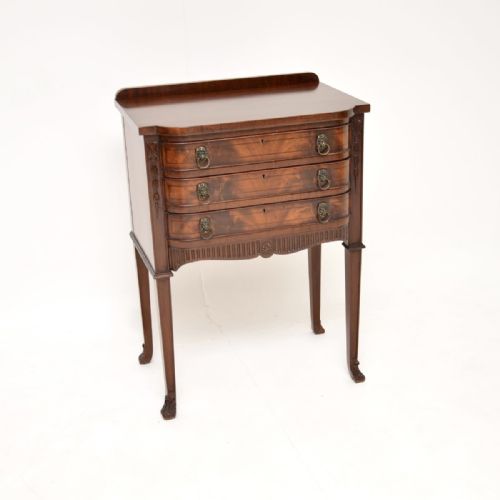
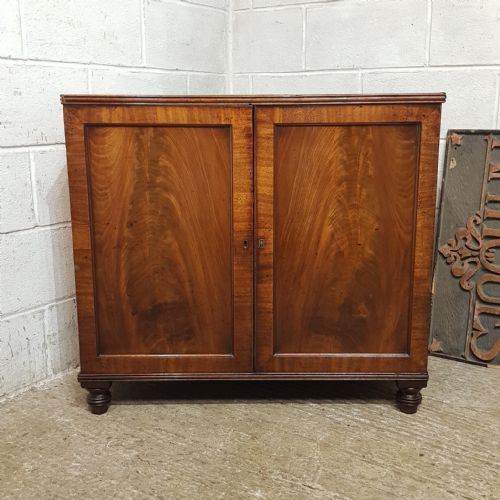
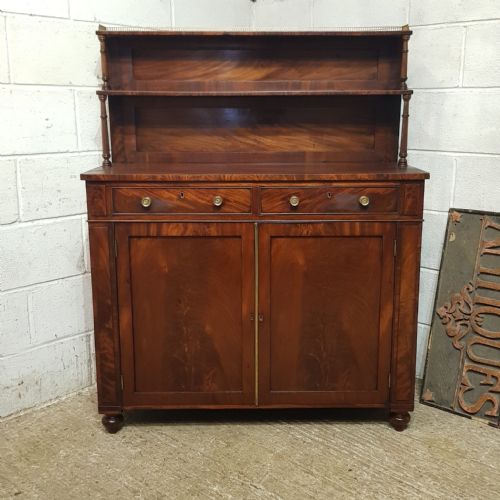

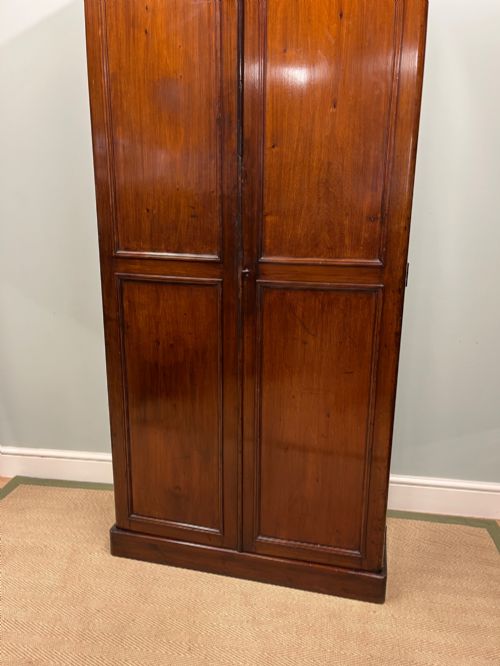
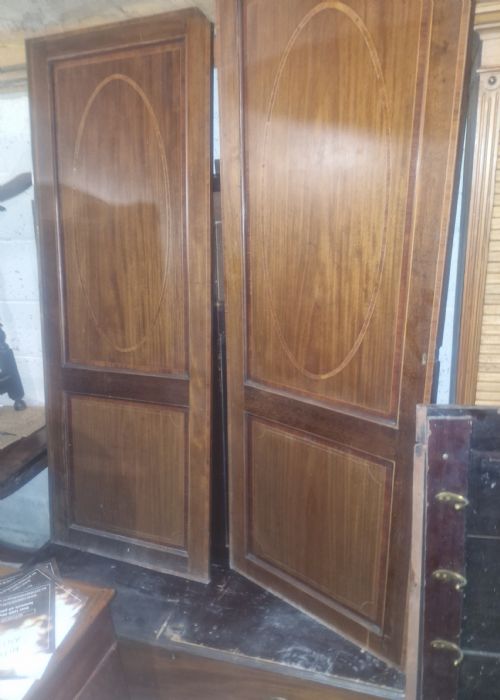

Mahogany Hall Cupboard
A mahogany hall cupboard provides a dignified and practical solution for cloakroom storage, carrying the rich timber tones of the Georgian, Victorian and Edwardian eras into modern hallways.
Mahogany Hall Cupboard
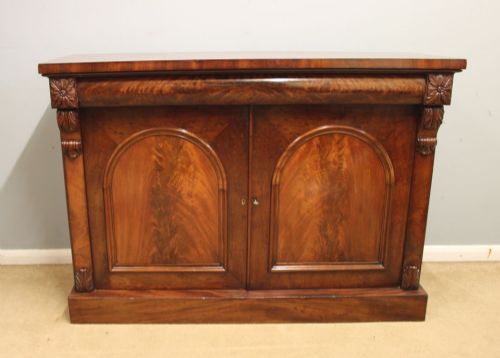
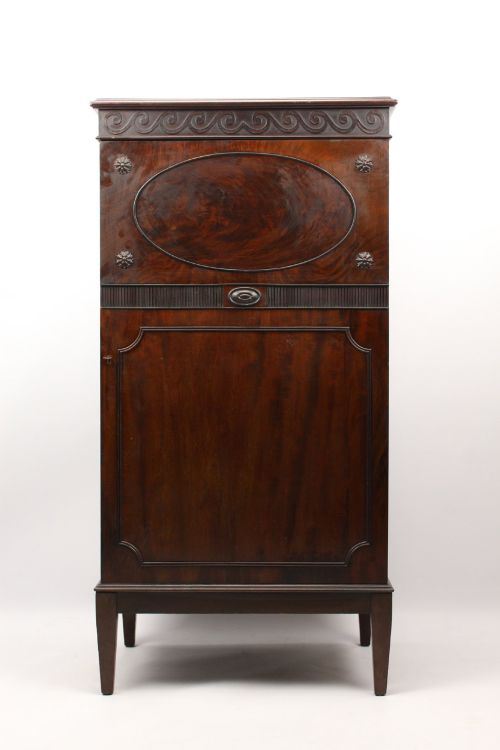
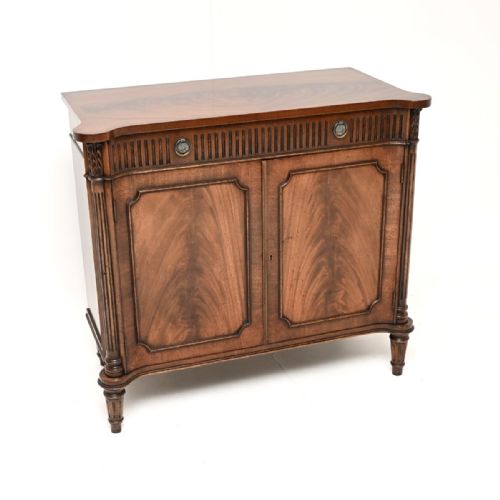
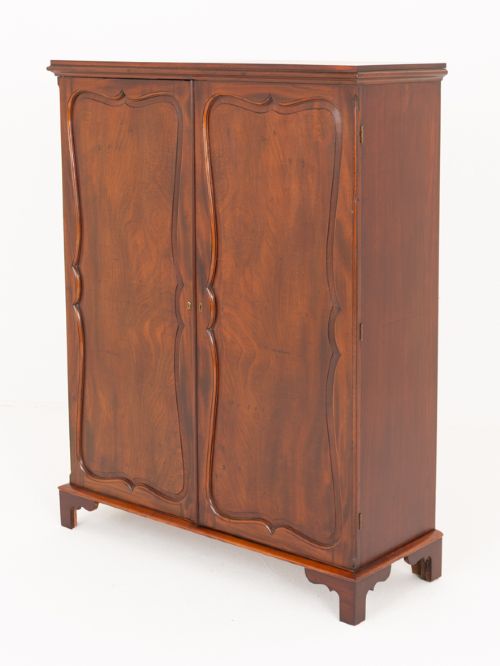
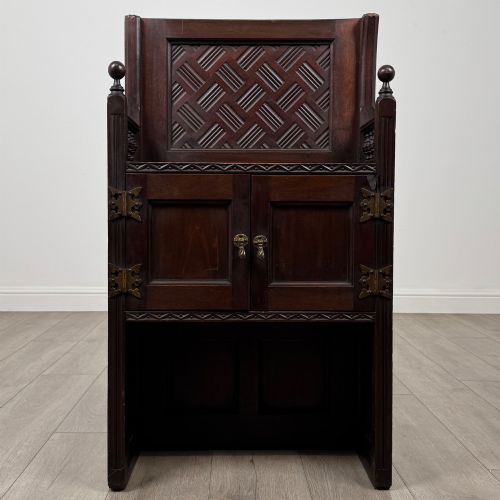
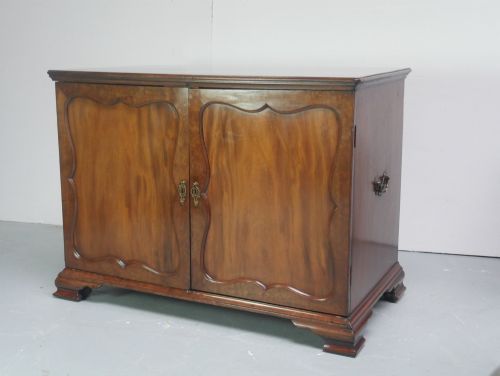
A mahogany hall cupboard is a designated piece of entrance furniture designed to house coats, hats, boots and household linen while establishing a commanding presence in an entranceway. The search phrase encompasses a diverse group of upright storage forms, ranging from single-door slim wardrobes and tall linen presses to compact two-door cabinets and converted sideboards.
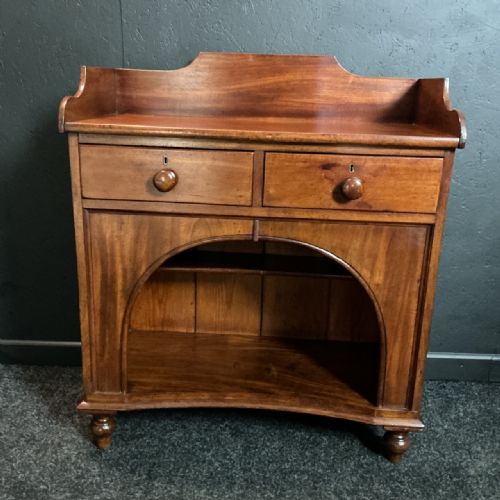
Buyers browsing this selection encounter examples spanning from the late eighteenth century through the Georgian and Regency periods, into the Victorian era and the Edwardian epoch. The typical forms on this page include tall narrow hall wardrobes, panelled single-door cupboards, and low side cabinets adapted for corridor use.
Origins stretch across English workshops, regional centres such as the Channel Islands, and continental cabinet-making traditions. These pieces reflect the architectural priorities of their respective periods, balancing deep timber colour with functional interior fittings like hanging rails, shelves and shoe racks.
How they were made
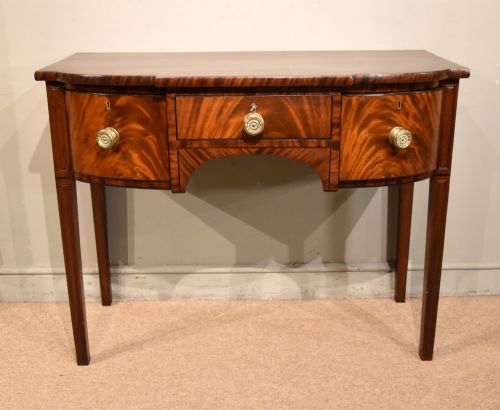
Cabinet-makers relied on solid timber and choice veneers applied to secondary softwood or hardwood carcases, utilising flame mahogany veneer, satinwood and boxwood stringing to create decorative contrast on door panels and cornices. Natural brass hardware, including escutcheons, hinges and drop handles, provides functional detail that anchors the dense grain of the timber.
Construction techniques combine traditional frame-and-panel assembly with hand-cut dovetails on internal drawer boxes and solid brass metal mountings. Surface finishes depend on hand-applied polish, which highlights the varied figures of the mahogany, from straight-grained cuts to dramatic flame and figured patterns.
Several slim cupboards were once tasked with holding muddy boots and damp coats for Victorian country estate visitors.
What varies in quality
Quality rests upon the selection of timber veneers and the crispness of inlaid details such as boxwood stringing and satinwood crossbanding. Figured and flame mahogany yields a richer visual depth than plain stock, elevating the architectural stature of the cabinet.
Joinery execution distinguishes utilitarian workshop output from master cabinet-making. Flush-fitting doors, tight mitres on mouldings, and intact original brass metalwork indicate higher original production standards.
Denby & Spinks
The Mahogany Hall Cupboard Glossary
- Flame mahogany
- A veneer cut from the branch junction of the mahogany tree, producing a distinctive flickering flame-like grain pattern. It was favoured for high-status door panels.
- Satinwood
- A durable, yellowish-toned exotic timber utilised for contrasting inlay work and stringing on Edwardian and Georgian cabinetry. It provides a bright visual border against darker mahogany.
- Chiffonier
- A low sideboard or cabinet featuring enclosed shelving below, developed during the Regency and Victorian periods. These pieces frequently double as hall storage for smaller items.
- Linen press
- A tall cupboard featuring upper sliding trays or shelves above lower drawers, originally built for storing household textiles. Many now serve utility roles in large hallways.
- Stringing
- Thin inlaid lines of contrasting light wood, such as boxwood, embedded into the surface of mahogany furniture. This technique defines the edges of panels and tabletops.
Mahogany Hall Cupboard: Frequently Asked Questions
What is a hall cupboard used for?
A hall cupboard provides concealed storage for outdoor garments, hats, umbrellas, and footwear in entrance passages. These pieces keep entryways tidy by keeping everyday items out of sight behind panelled wooden doors.
Historically, larger variations accommodated household linens and heavy coats, while narrower formats suited compact townhouses. Their internal layouts often combine hooks, shelves, and hanging space tailored for entrance use.
How do I date a mahogany hall cupboard?
Dating relies on architectural styling, construction methods, and timber characteristics visible across the piece. Georgian and Regency examples display clean classical proportions and brass mounts, while Victorian versions often feature heavier mouldings and figured timber panels.
Edwardian pieces frequently incorporate lighter inlays like satinwood and boxwood stringing, reflecting the revival styles popular at the turn of the twentieth century. Hand-cut dovetails and secondary woods inside drawers provide further chronological clues.
Will a tall hall cupboard fit in a small hallway?
Many surviving examples were specifically constructed in slim or narrow formats to accommodate restricted entrance spaces. Single-door configurations and shallow depths allow these cabinets to stand in narrow corridors without obstructing movement.
Checking the specific height and depth dimensions in the listing ensures the cabinet clears ceiling cornices and skirting boards. Low sideboard forms also offer surface space without dominating vertical wall areas.
How do I care for antique mahogany timber?
Antique mahogany benefits from stable room temperatures away from direct sunlight and heat sources to prevent timber splitting or veneer lifting. Regular dusting with a soft, dry cloth preserves the polished surface without the buildup of synthetic waxes.
Occasional application of traditional beeswax feeds the wood and maintains the deep lustre characteristic of period furniture. Avoiding excessive moisture protects both the solid timber and delicate brass fittings.