
Mahogany Glass Table
These mahogany glass table pieces blend timber frames with transparent display surfaces, offering a refined way to exhibit or reflect.
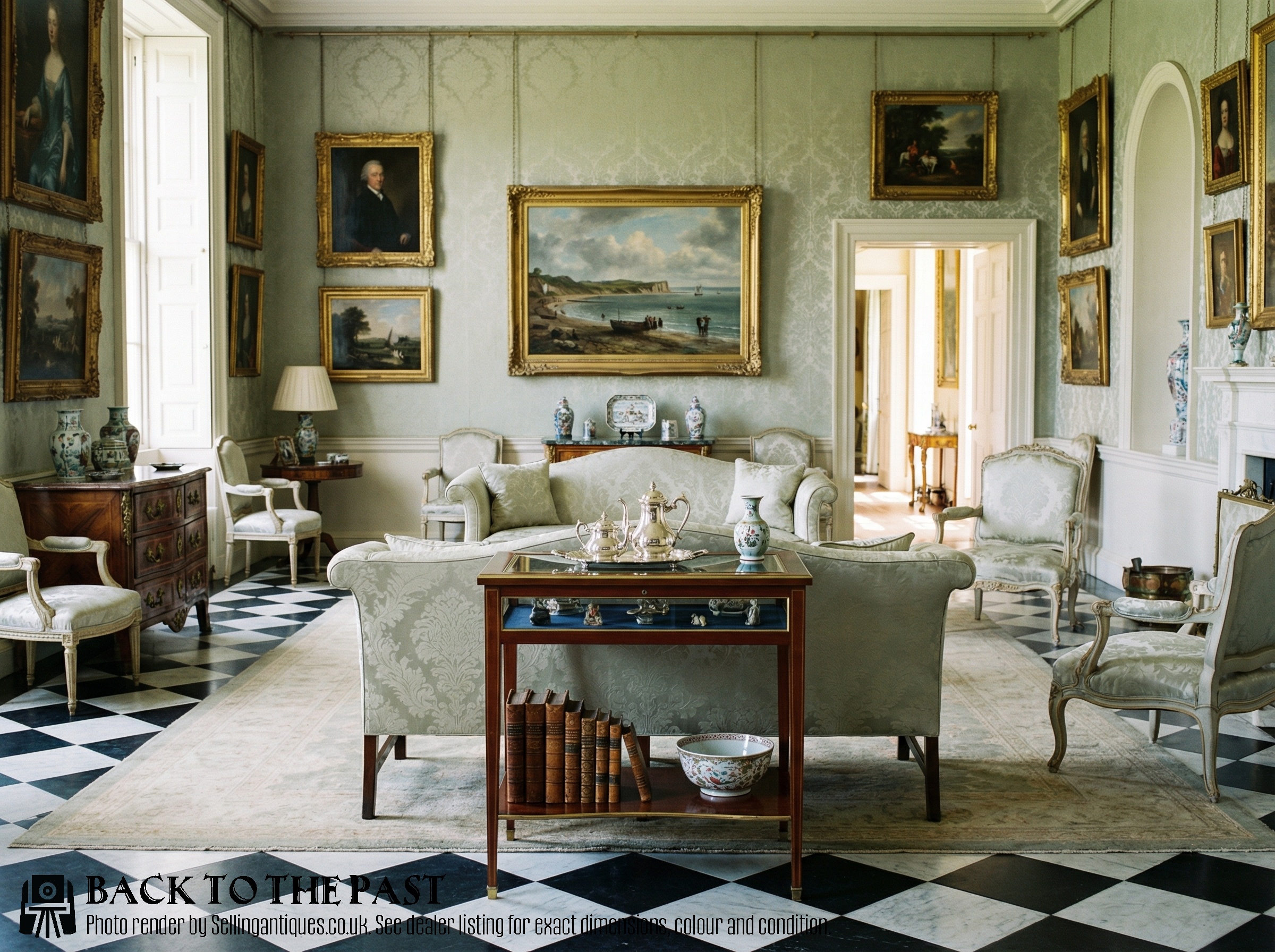
Mahogany Glass Table
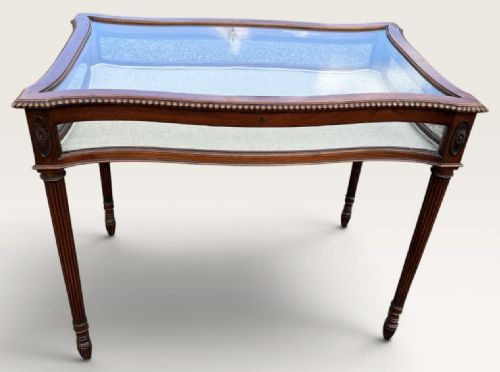
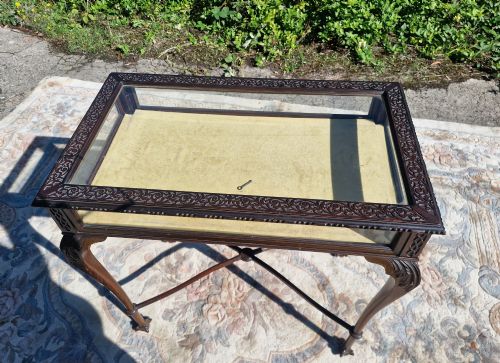
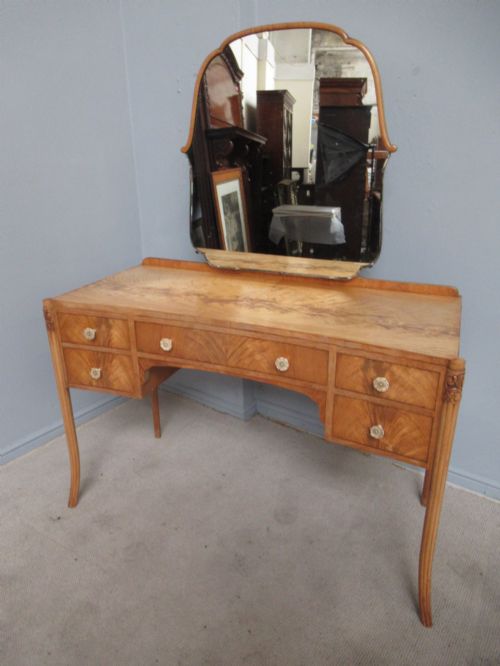
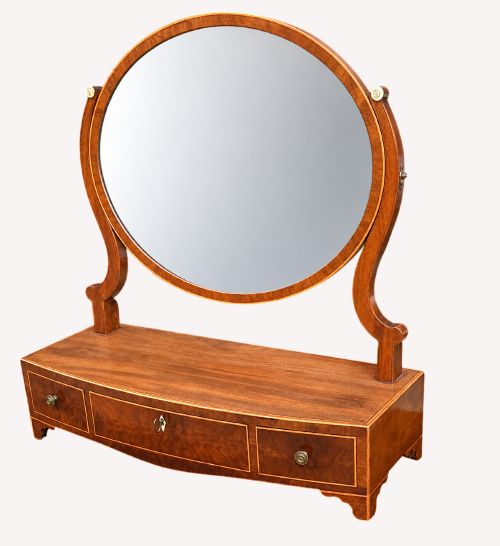
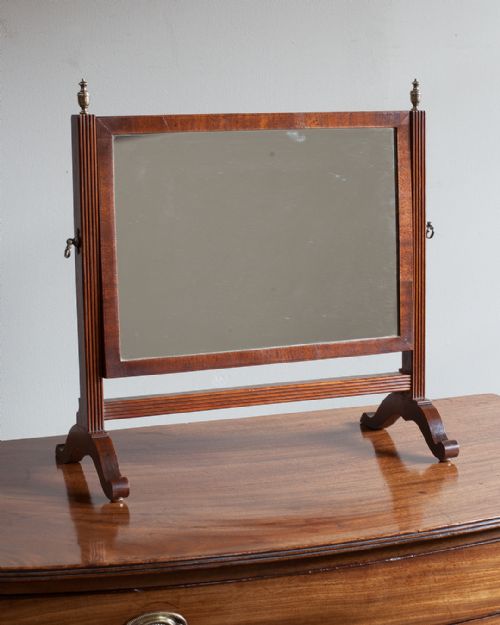
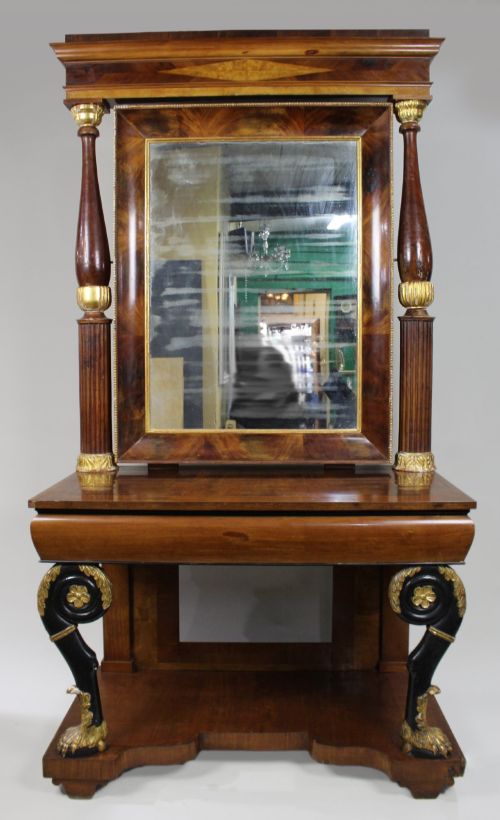
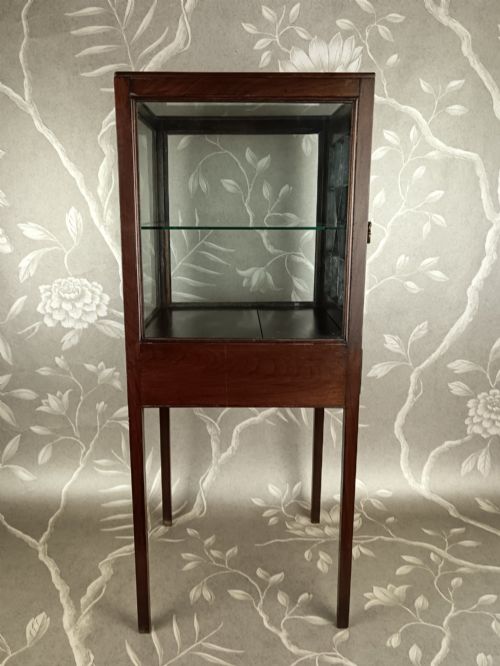
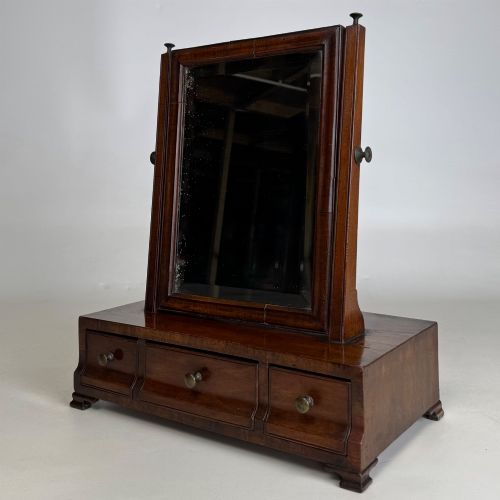
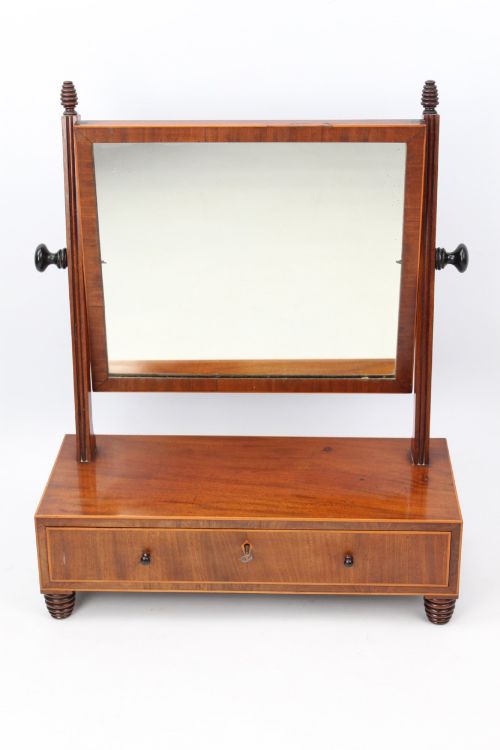
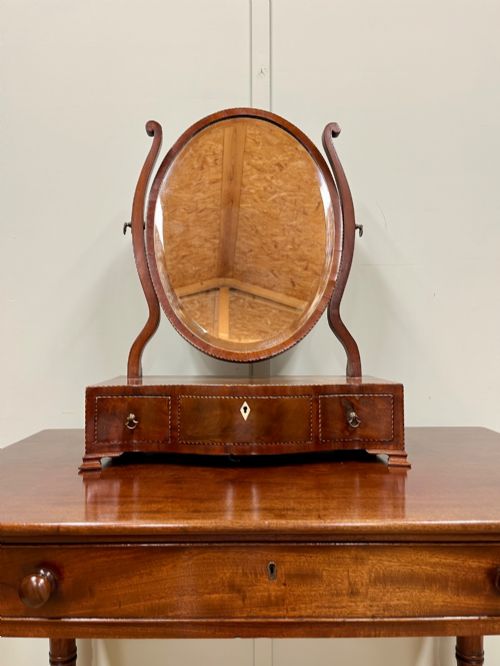
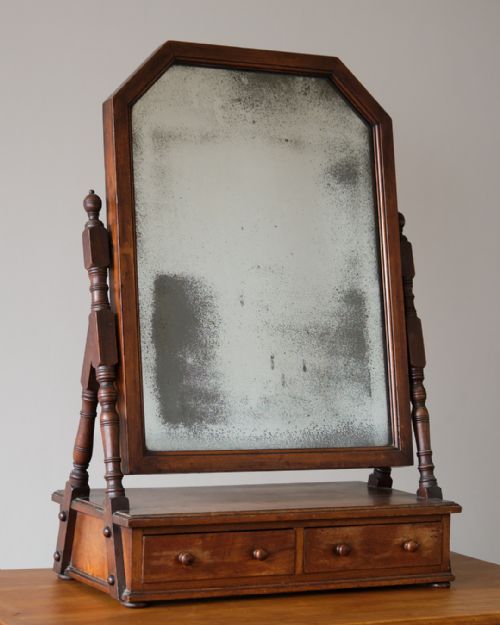
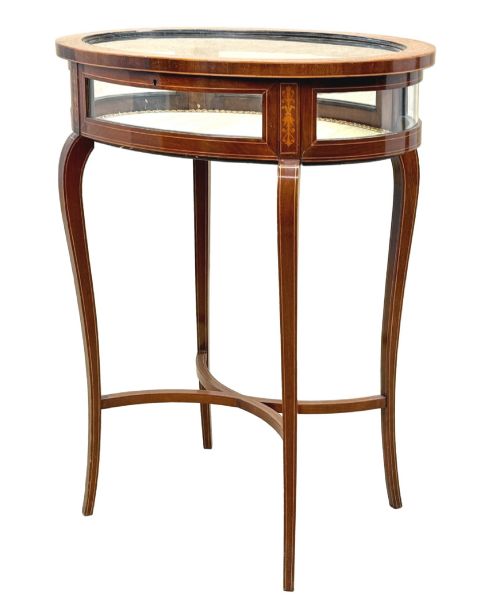
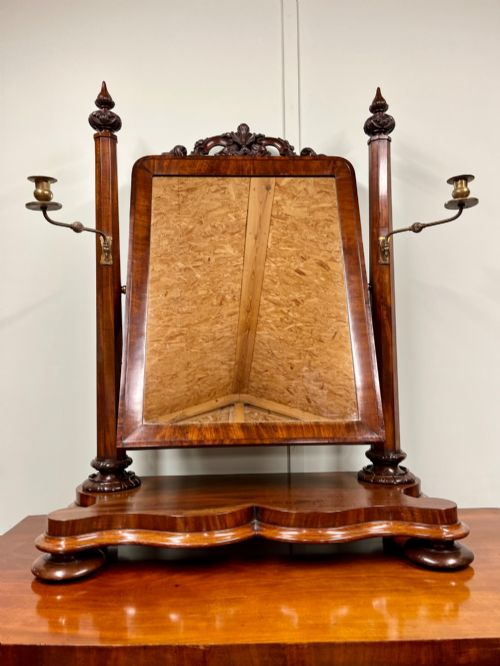
A mahogany glass table spans several practical forms, from the display cabinets and bijouterie tables intended for showing small objects to the swing and toilet mirrors used for personal grooming. These items appear across Georgian, Regency, Victorian, and Edwardian periods.
The buyer meets display tables featuring glazed tops alongside dressing mirrors fitted with glass plates. Cabinet work and display furniture dominate the selection, utilising the deep reddish-brown tones of the wood.
The origins stretch from English workshops to French ateliers, incorporating styles such as Louis XVI Revival and Chippendale alongside simpler domestic designs.
How they were made
Makers constructed the primary frames using solid and veneered mahogany, frequently incorporating secondary timbers like satinwood and maple for contrast and inlay work.
Metal elements including brass mounts, handles, and cast ormolu decorate the wood surfaces, while glass panels form the display tops, cabinet sides, and mirror plates.
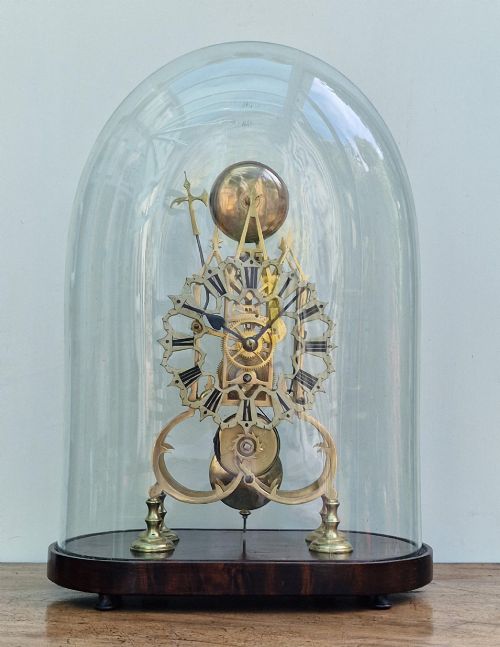
Some items double as personal timekeepers, housing fusee skeleton clocks alongside mirrors and display cases.
What varies in quality
The standard of timber selection and cabinet joinery dictates the upper tier of these pieces, where finely figured mahogany grains and precise crossbanding set the baseline.
Detailing in the metal mounts, the clarity of bevelled mirror or display glass, and the subtlety of marquetry inlay separate standard domestic production from finer exhibition pieces.
Heal & Sons·François Linke·Edwards & Roberts·Maurice & Marcel Moulin Favre-Bulle
The Mahogany Glass Table Glossary
- Bijouterie table
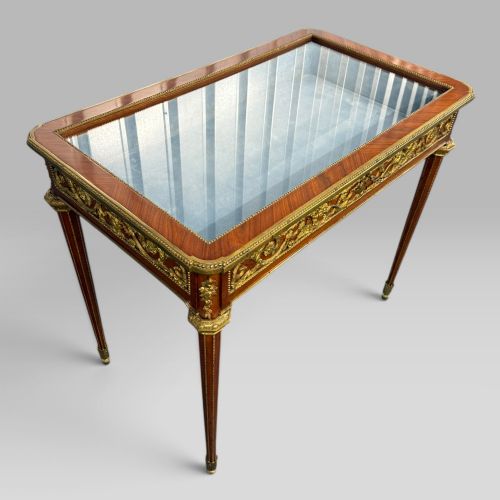
- A glass-topped display table designed specifically for showcasing small valuables, jewellery, and curiosities.
- Cheval mirror
- A full-length dressing mirror supported on a freestanding frame that allows the glass to tilt.
- Ormolu
- Gilded bronze mounts applied to furniture for decorative enrichment, common in French-influenced design.
- Crossbanding
- A strip of veneer laid across the grain of the primary wood to form a decorative border around a panel or top.
- Toilet mirror
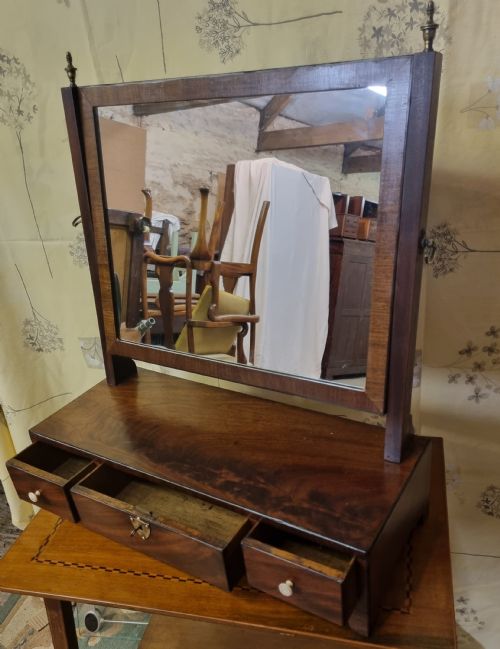
- A smaller dressing mirror, often fitted with drawers in the base, intended to sit upon a chest or dressing table.
Mahogany Glass Table: Frequently Asked Questions
What is a bijouterie table used for?
These tables were designed to exhibit small decorative items, medals, and jewellery beneath a protective glass viewing surface.
The glazed compartment keeps objects visible while shielding them from dust and handling in a drawing room setting.
How do I distinguish a Georgian dressing mirror?
Georgian mirrors typically feature compact proportions with box bases containing small drawers beneath the swinging glass frame.
The timber work relies on figured mahogany, often accented with bracket feet and brass handles characteristic of the eighteenth century.
Where should I place a display table?
Display tables suit central positions in reception rooms or hallways where natural light can pass through the glass top.
They function well when paired with complementary mahogany furniture from the same period to maintain a consistent interior style.
What is the difference between Edwardian and Regency styles?
Edwardian pieces often incorporate lighter satinwood inlay and delicate classical revival motifs within the mahogany framework.
Regency examples tend toward bolder architectural lines, incorporating darker timber tones and heavier brass mounts inspired by classical antiquity.