


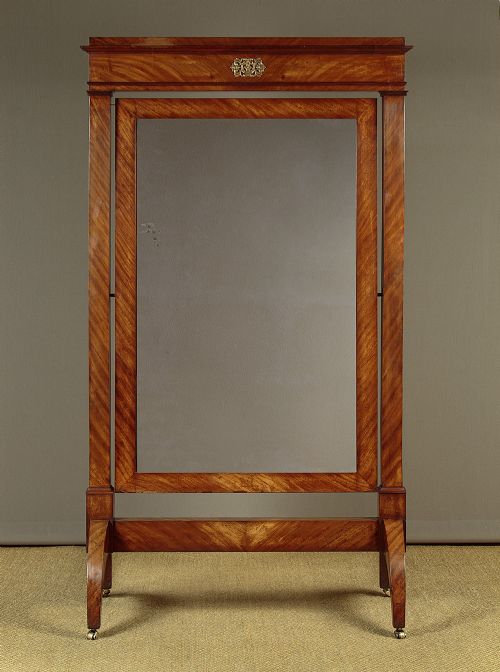
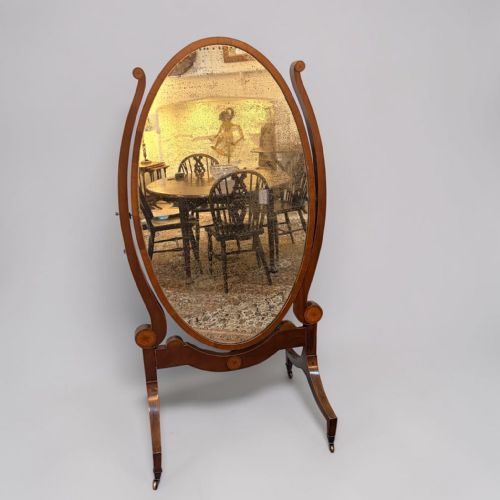
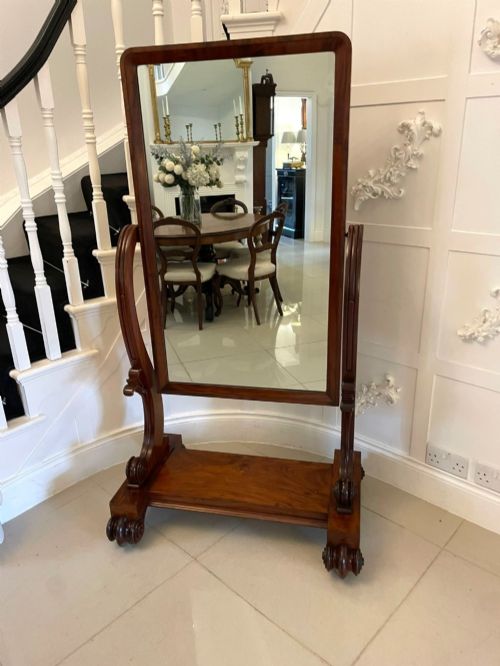
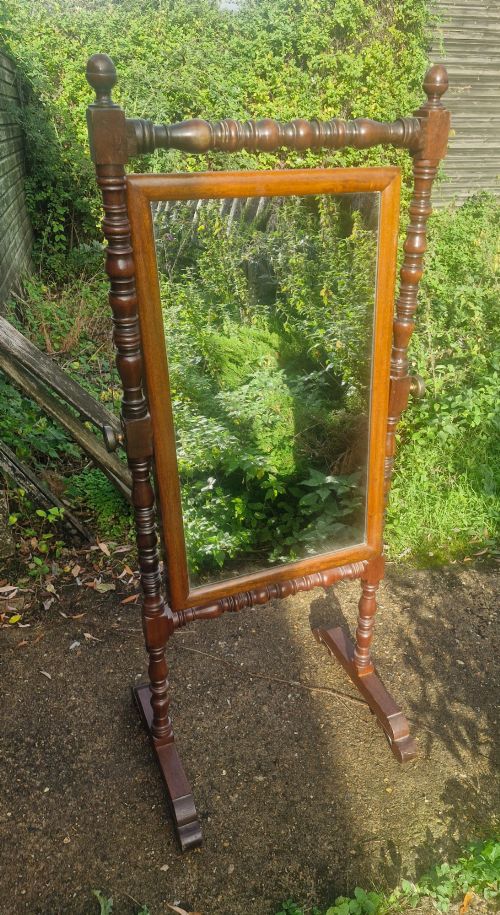
Mahogany Full Length
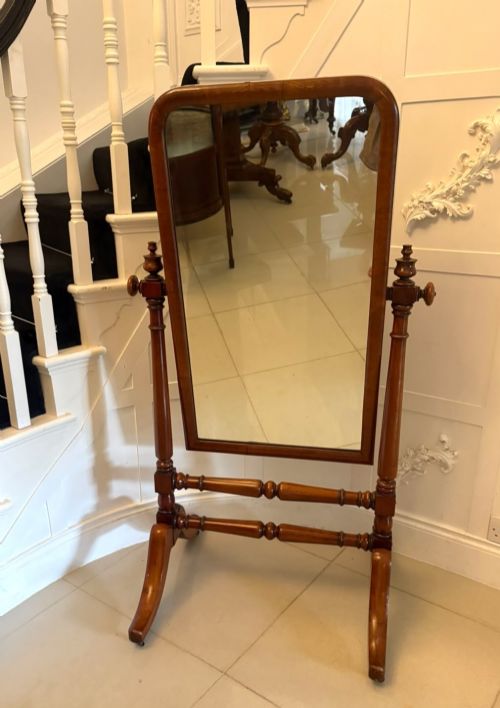
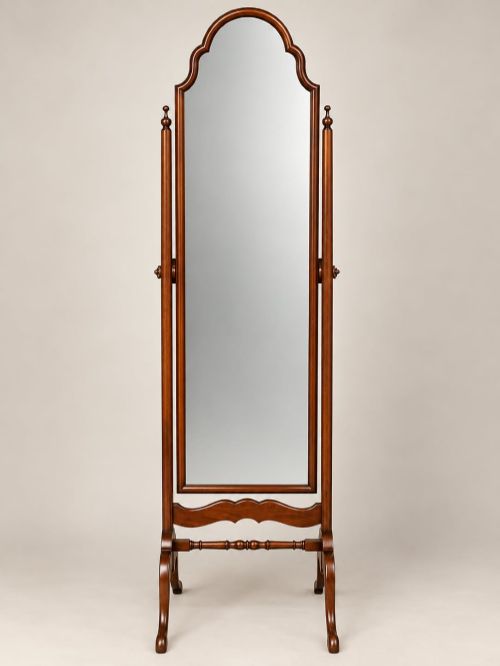
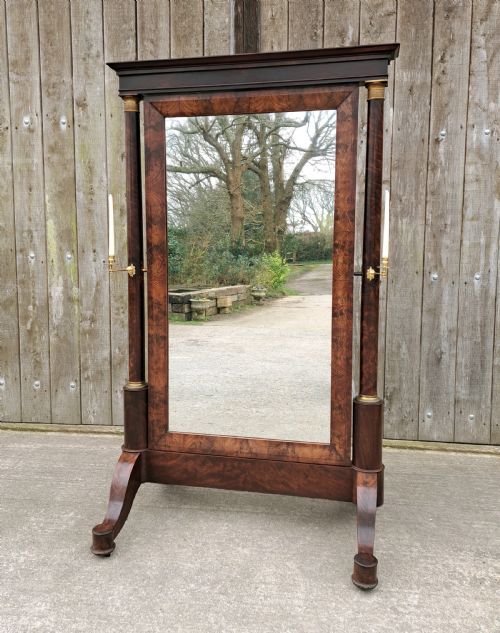
Mahogany full length mirrors offer a tall reflective surface framed in rich timber, designed to show an entire outfit at once.
Mahogany Full Length
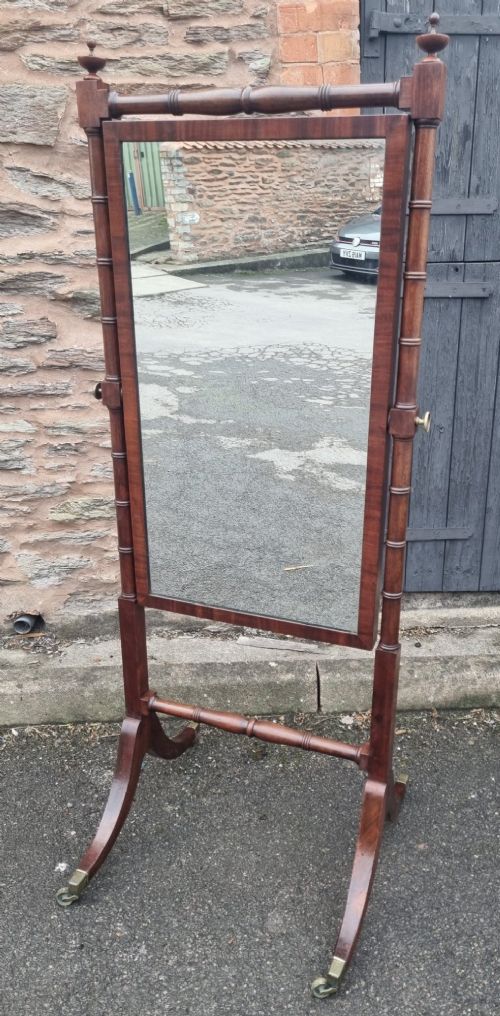
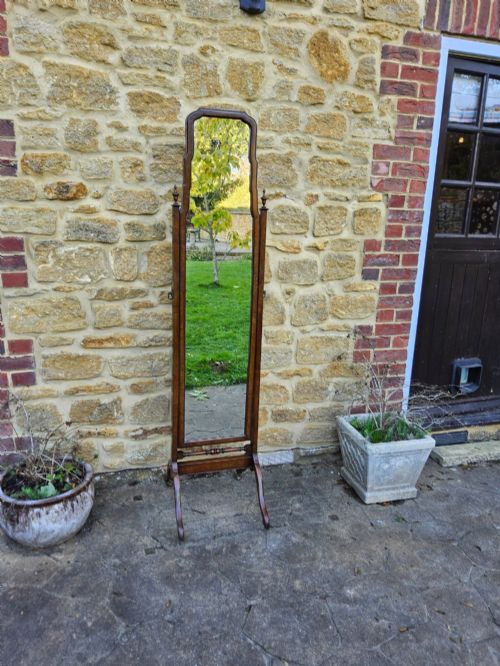
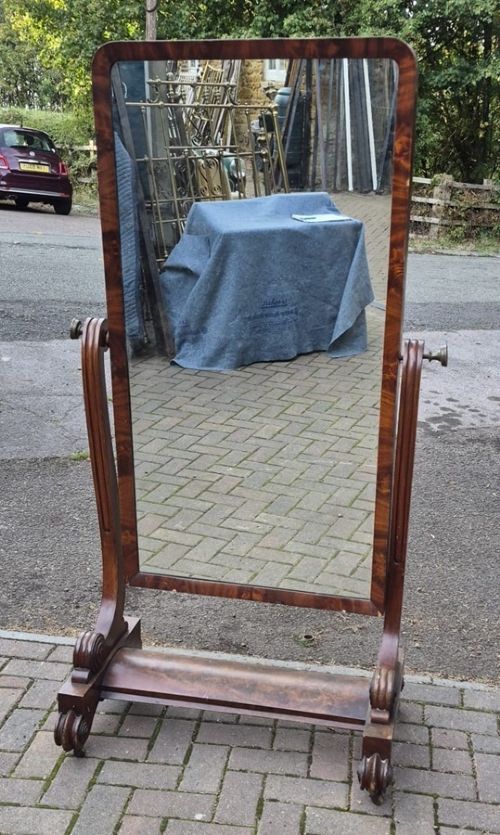
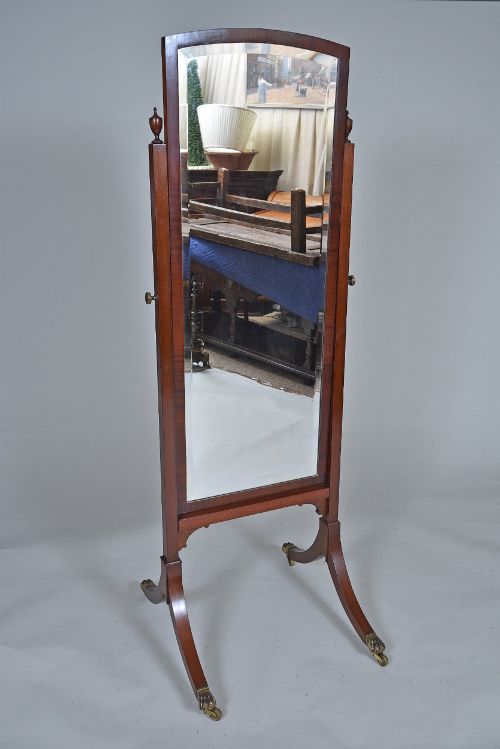
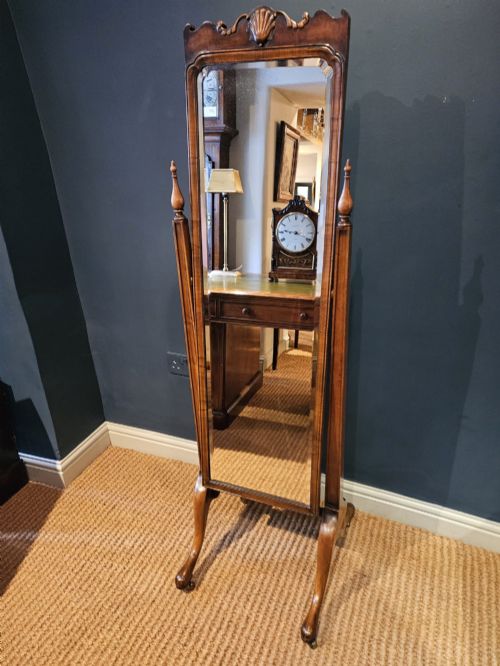
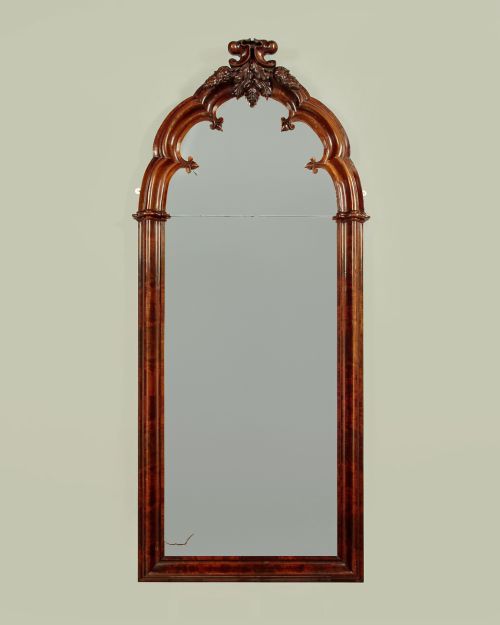
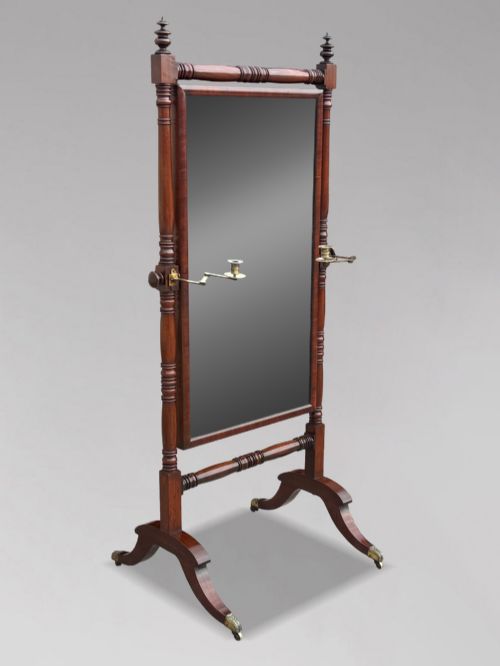
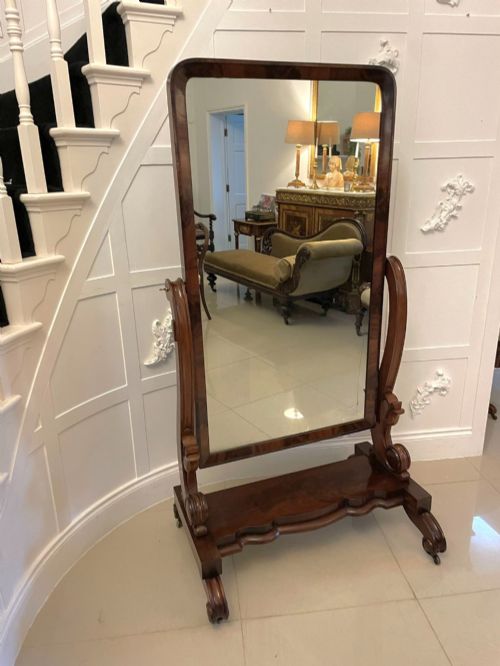
A search for mahogany full length brings forth tall mirrors designed for full-body reflection, dominated by freestanding cheval mirrors alongside wall-mounted pier mirrors and occasional dressing tables.
The pieces span the nineteenth century into the Edwardian era and the early twentieth century, showing Victorian, Regency, and William IV styles.
Freestanding examples often pivot on upright frames supported by sturdy feet, while wall mirrors secure directly to vertical surfaces to maximise light in a room.
Materials and Construction
Makers utilised solid mahogany and flame mahogany veneers, sometimes accented with boxwood, marquetry, or satinwood inlay to add contrast to the timber grain.
Structural elements frequently incorporated brass hardware such as sabots, castors, and pivot screws, while glass plates provided the reflective surface.
Support structures range from barley twist uprights and sabre legs to heavy floor bases, constructed to bear the weight of tall glass panes.
Mahogany Full Length Retail Price Guide 2026
Typical asking prices for mahogany full length among the pieces listed under this phrase on Sellingantiques today, from the lower quarter to the upper quarter. They describe what is for sale here now, not the wider market.
Listings feature mahogany timber alongside brass, glass, boxwood inlay, and walnut across nineteenth-century and Edwardian periods.
Craftsmanship and Proportion
Quality rests in the balance of the proportions and the selection of the timber, particularly where figured flame mahogany or intricate inlay work is present.
Superior construction appears in the stability of the pivoting frame and the weight of the brass mountings, ensuring the mirror holds its angle firmly without sagging.
Gillows·Edwards & Roberts
The Mahogany Full Length Glossary
- Cheval mirror
- A freestanding full-length mirror suspended on a frame that allows it to swing or tilt. This form became popular in the late eighteenth century and remained a bedroom staple through the Victorian period.
- Pier mirror
- A tall mirror designed to hang on the wall between two windows, often placed above a pier table. It serves to bounce daylight deeper into a room.
- Sabot
- A metal sleeve or cap fitted to the foot of a furniture leg. Brass versions protect the timber from wear on the floor.
- Marquetry
- Decorative inlay work using various coloured woods to form pictorial or geometric patterns. It provides surface ornamentation on select frames and tables.
Mahogany Full Length: Frequently Asked Questions
How do I place a cheval mirror in a room?
Freestanding cheval mirrors require adequate floor space to allow the frame to tilt and to provide a clear vantage point for a full-length view. Position them near natural light sources to brighten dressing areas.
They function well in bedrooms, dressing rooms, and large hallways where their vertical lines balance surrounding furniture.
What is the difference between a cheval mirror and a pier mirror?
A cheval mirror is a freestanding object supported on its own feet and uprights, allowing the glass to swing on horizontal pivots. It can be moved around a room as needed.
In contrast, a pier mirror is a wall-mounted fixture traditionally hung on the narrow wall space between windows, remaining fixed in one permanent location.
How do I identify a Regency period mirror?
Regency mirrors often display classical restraint, clean architectural lines, and occasional gilt bronze or brass mounts reflecting early nineteenth-century taste. The timber selection typically favours rich mahogany grains.
Proportions tend to be bold and stately, aligning with the classical revival styles prevalent during the early decades of the eighteen-hundreds.
Are these mirrors suitable for daily use?
Sturdily built nineteenth-century and Edwardian frames handle daily residential placement well, provided the floor stands level and the weight distributes evenly across the castors or base. Regular use benefits from gentle handling of the pivot mechanisms.
Original glass may show minor signs of age, but the underlying timber frames remain robust structural additions to modern interiors.