



Mahogany Escritoire Desk
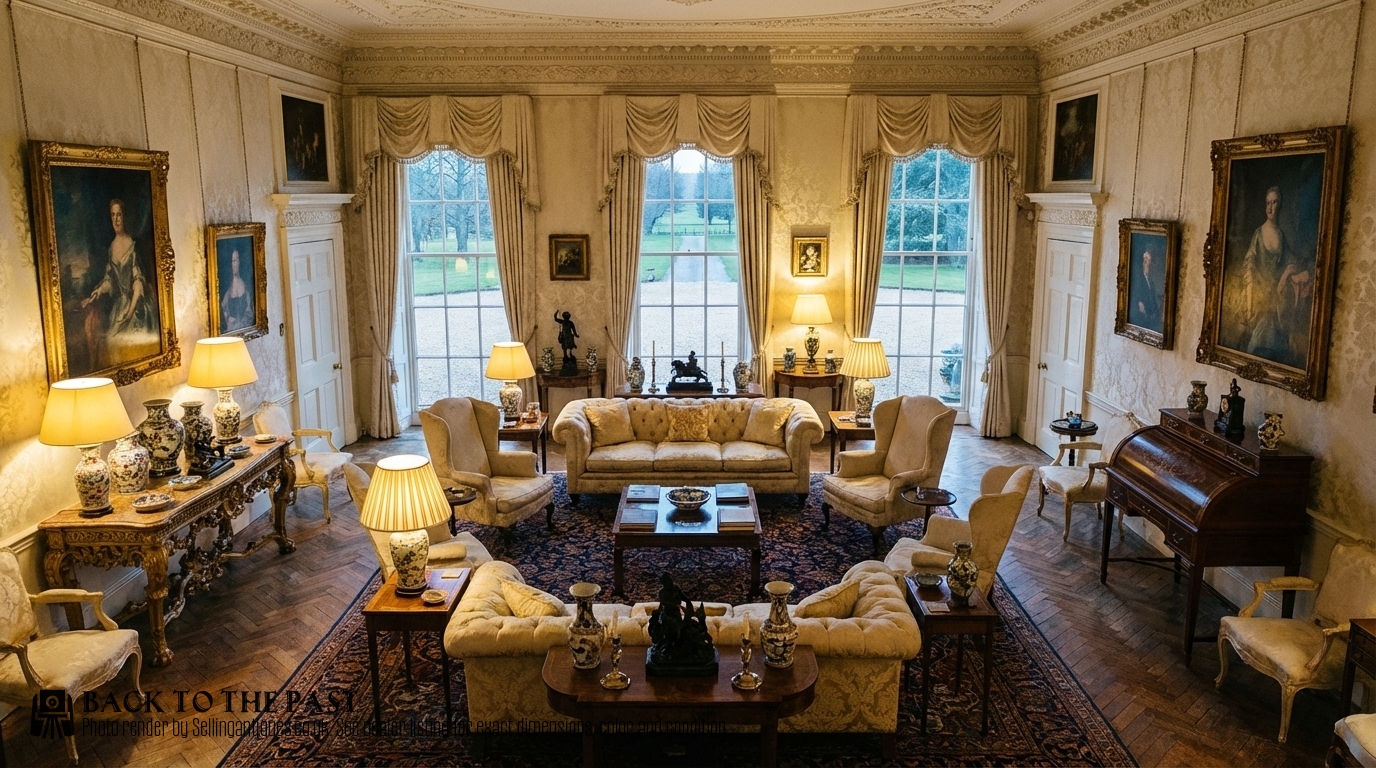
A mahogany escritoire desk brings enclosed writing space and deep timber grain to a room, offering a drop front that conceals fitted drawers.
Mahogany Escritoire Desk
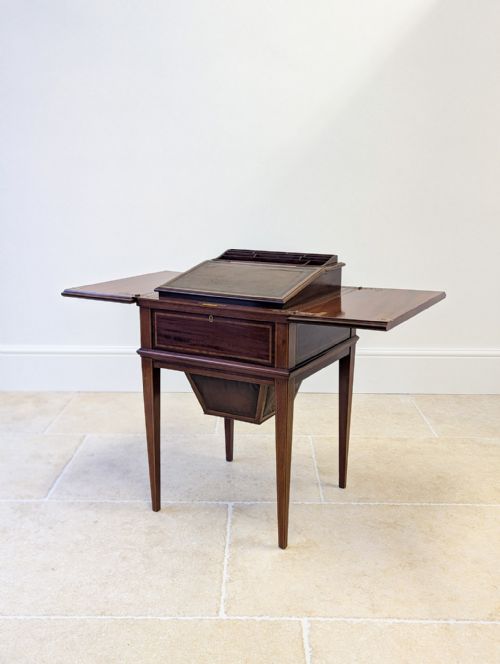
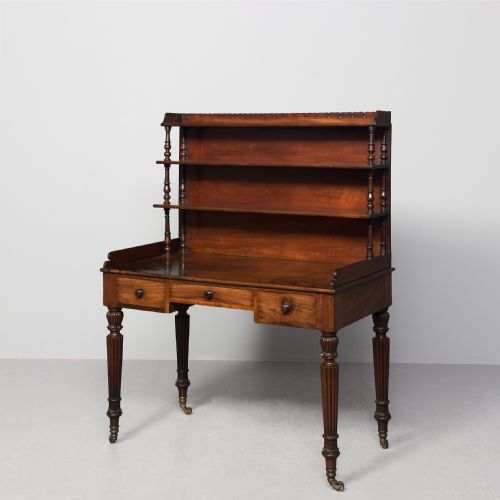
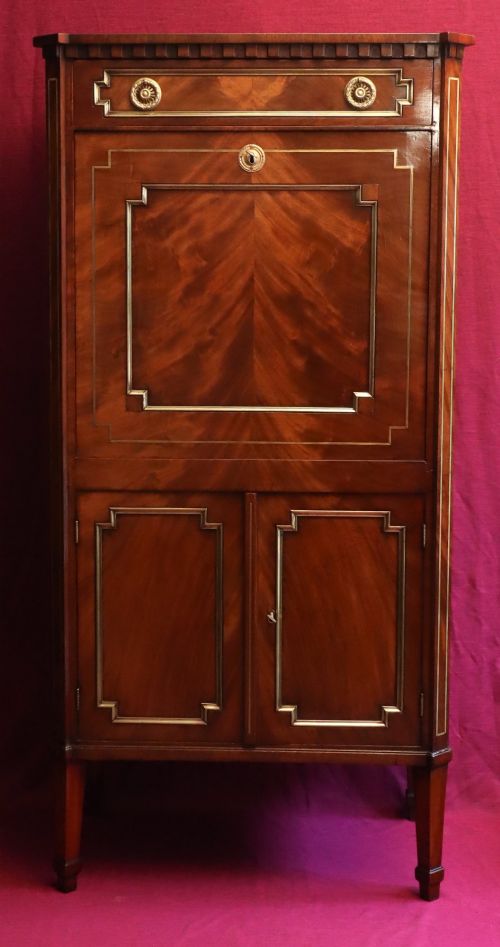
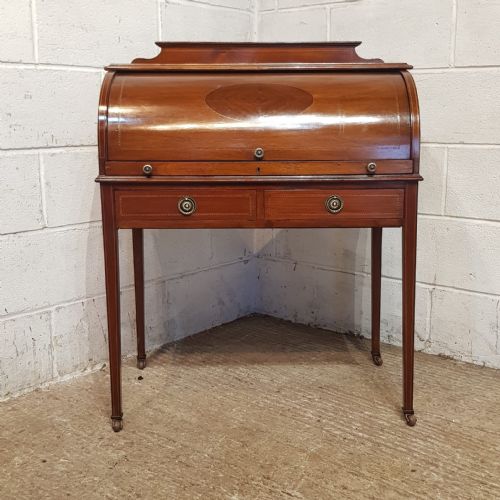
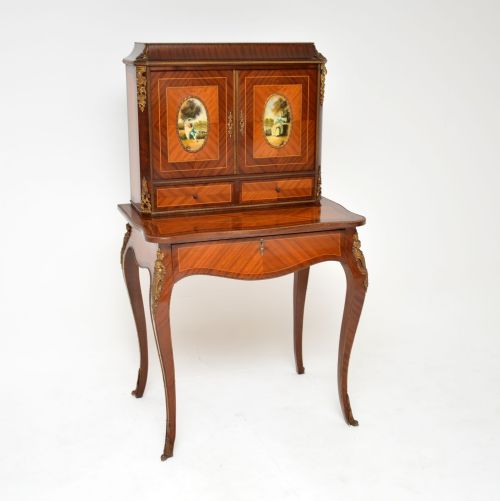
A mahogany escritoire desk is primarily a fall front or drop front cabinet designed for correspondence and storage, appearing frequently in Victorian, Edwardian, and Georgian forms. Buyers encounter pieces ranging from tall vertical cabinets with a central writing flap to smaller cylinder desks and bonheur du jour tables.
The materials span solid timbers and veneers, with mahogany forming the primary body often accented by satinwood, boxwood, and leather writing surfaces. Continental examples introduce marble tops and ormolu mounts alongside traditional English cabinetmaking.
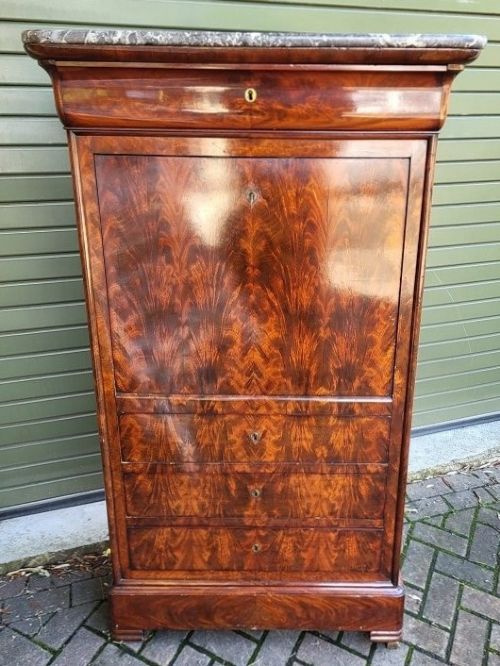
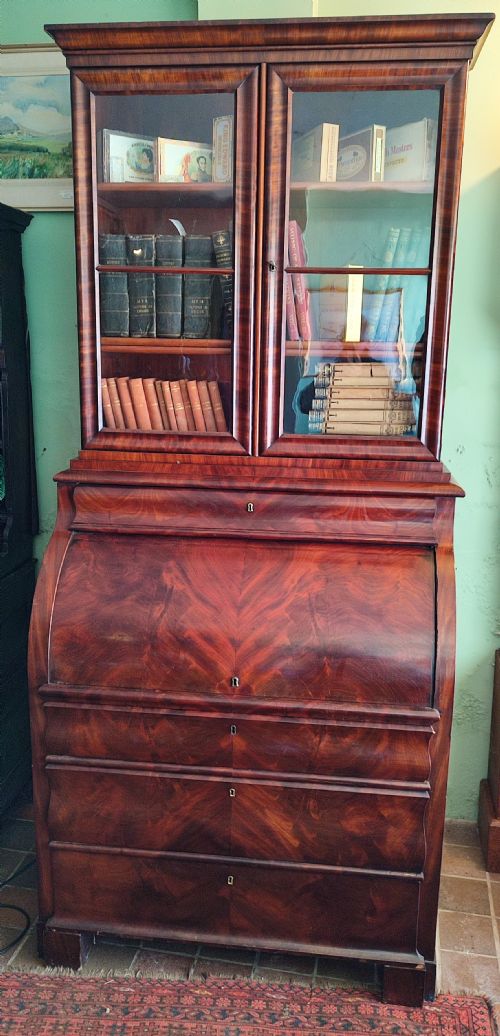
Forms cross several historical classifications, including bureau bookcases, cylinder desks, and secretaire à abattant variants. These pieces serve as working writing surfaces while maintaining a disciplined exterior profile when closed.
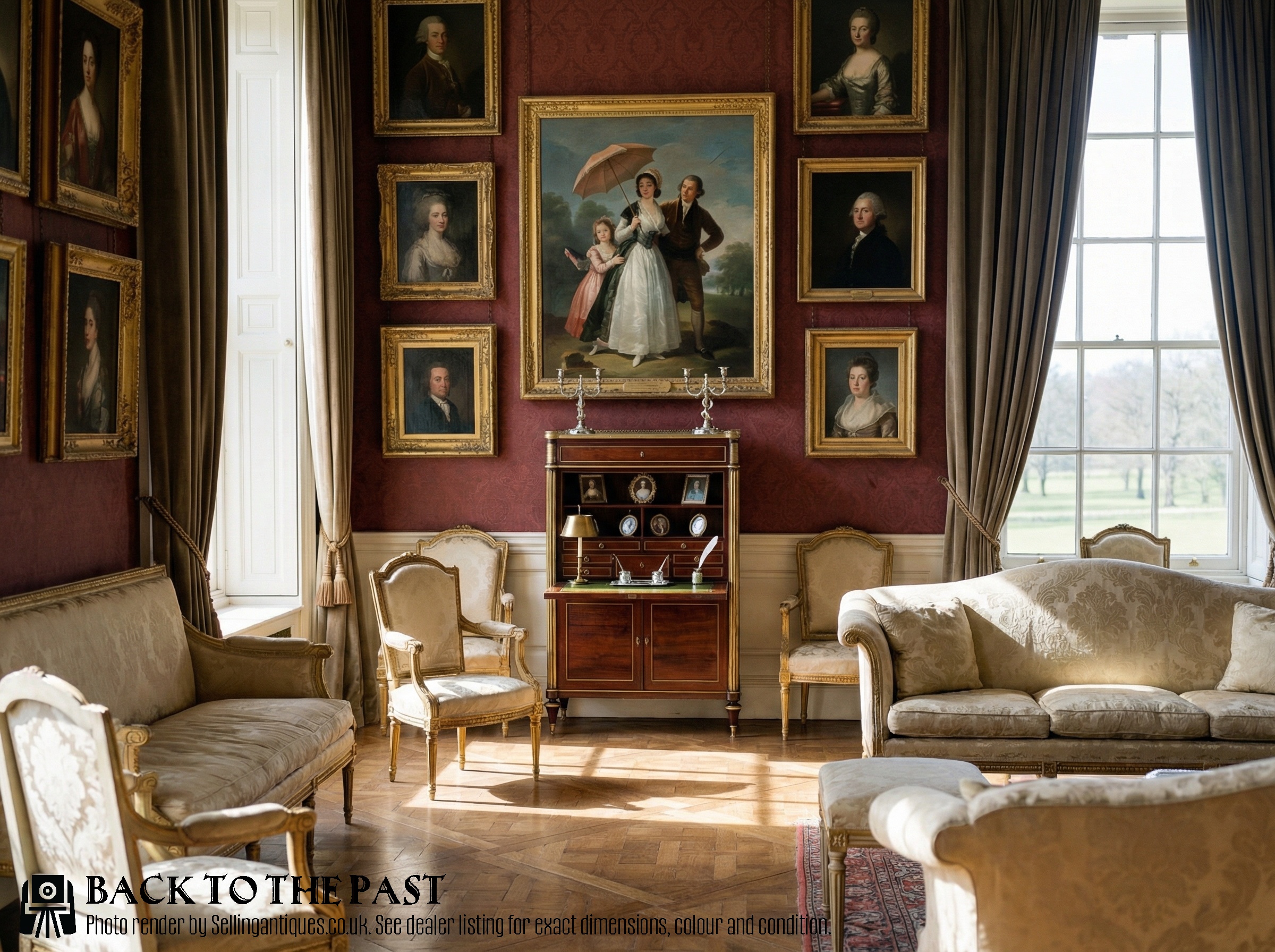
Standards of Execution
Quality rests in the selection of timber figures, particularly the match and grain alignment of flame mahogany veneers across the fall front and drawer facades. Superior examples exhibit precise marquetry and fine stringing in boxwood and satinwood.
Internal arrangement determines the grade of a piece, separating simple compartments from complex banks of internal drawers with secret compartments and fitted pen trays. The integration of bronze or ormolu mounts and the weight of the secondary timbers dictate the baseline of workshop execution.
Mahogany Escritoire Desk Retail Price Guide 2026
Typical asking prices for mahogany escritoire desk among the pieces listed under this phrase on Sellingantiques today, from the lower quarter to the upper quarter. They describe what is for sale here now, not the wider market.
Listings span the eighteenth, nineteenth, and early twentieth centuries, featuring Georgian, Victorian, Edwardian, and Regency periods.
James Mein of Kelso·George Faulkner Armitage·Gregory and Co of London
The Mahogany Escritoire Desk Glossary
- Escritoire
- A writing cabinet featuring a fall front writing flap that conceals inner pigeonholes and small drawers.
- Secretaire à abattant
- A tall vertical cabinet with a drop front writing surface, frequently topped with marble in continental pieces.
- Cylinder desk
- A writing desk featuring a rotating curved wooden cylinder that rolls back to reveal the writing surface and interior compartments.
- Bonheur du jour
- A light ladies writing table originating in the eighteenth century, often fitted with a small superstructure of shelves and drawers.
- Flame mahogany
- A veneer cut from the fork of the mahogany tree, producing a distinctive flickering flame pattern across the wood grain.
Mahogany Escritoire Desk: Frequently Asked Questions
How do I use an escritoire?
Lower the fall front flap to reveal the internal writing surface and stationary compartments. This creates a compact workstation that conceals paper and ink when closed.
Keep the hinges and supporting brackets free from heavy loads to protect the writing flap from strain during daily use.
What is the difference between a bureau and an escritoire?
An escritoire typically refers to a vertical cabinet with a drop front panel, whereas a traditional bureau often slopes at an angle.
Both pieces provide enclosed writing storage, but the vertical escritoire presents a more architectural silhouette against a wall.
How do I care for mahogany surfaces?
Maintain the timber by dusting with a dry cloth and applying natural wax sparingly to preserve the sheen of the mahogany grain.
Position the desk away from direct sunlight and heat sources to prevent the veneers from drying and lifting over time.
Are these desks suitable for modern laptops?
Many interior writing spaces accommodate compact modern laptops and tablets within the depth of the drop front surface.
Check the internal dimensions of the writing compartment to ensure adequate depth for your specific equipment before placing it inside.