


Mahogany End Tables
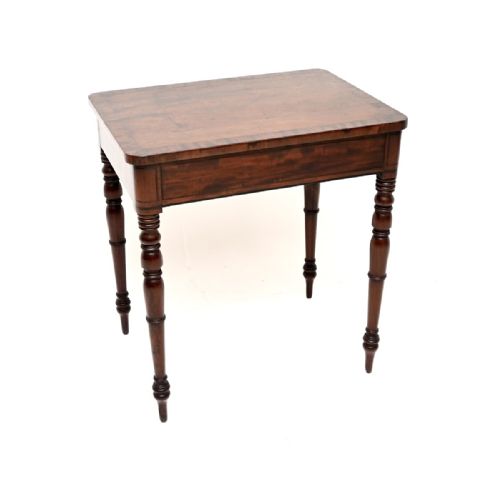
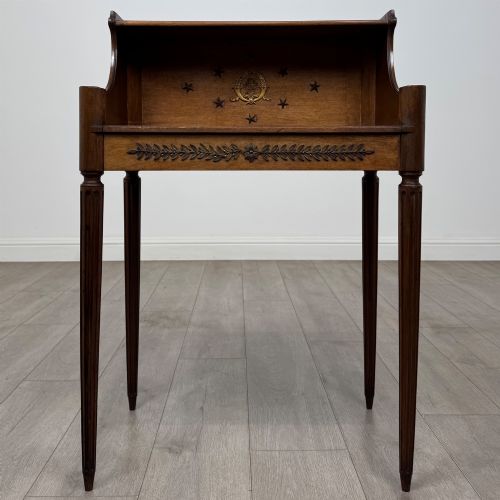
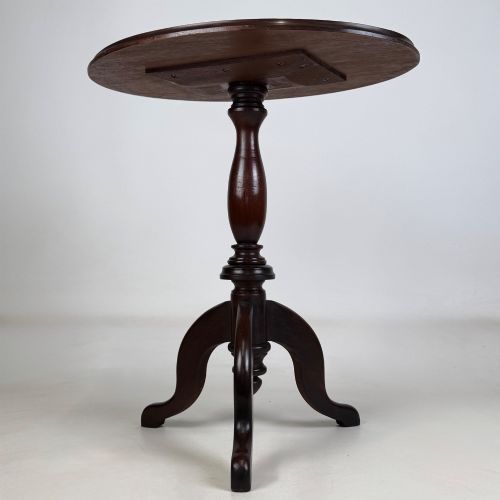
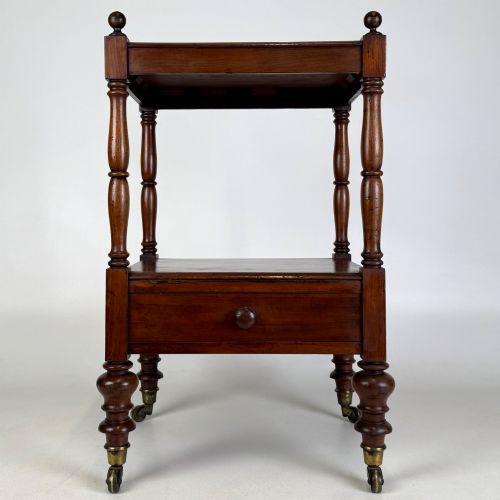
These mahogany end tables bring rich timber and versatile proportion to domestic spaces, offering dependable surfaces across periods from the eighteenth century to the early twentieth.
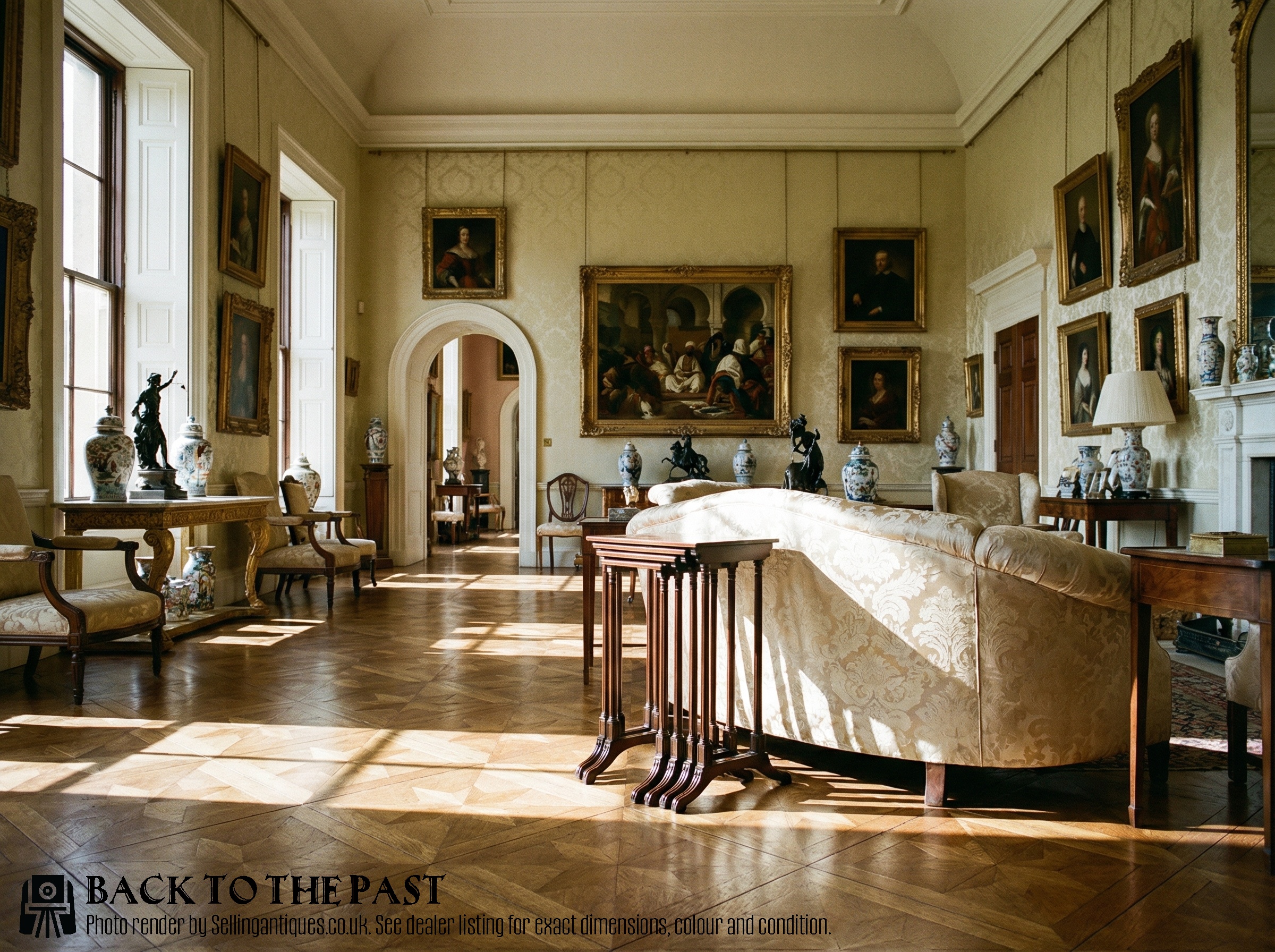
What mahogany end tables are
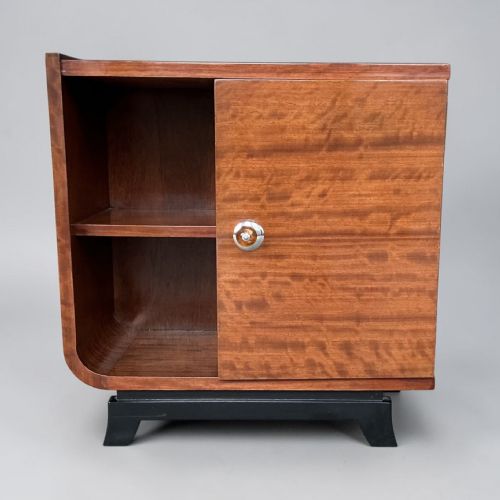
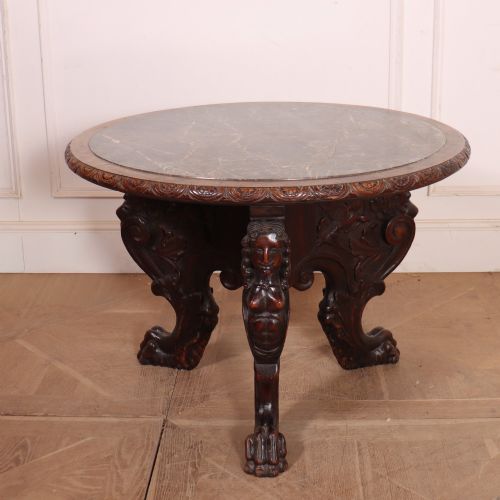
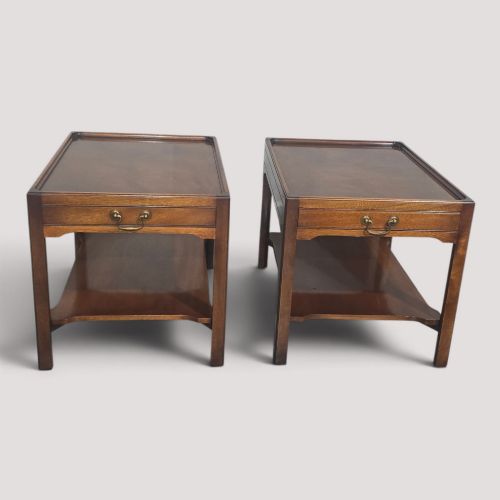
Mahogany end tables appear in various forms across this collection, most frequently as matched pairs designed for the sides of sofas or beds. The search phrase covers functional occasional furniture, including compact lamp tables, bedside cabinets, and nests of multiple surfaces.
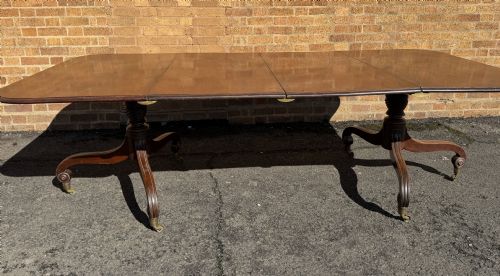
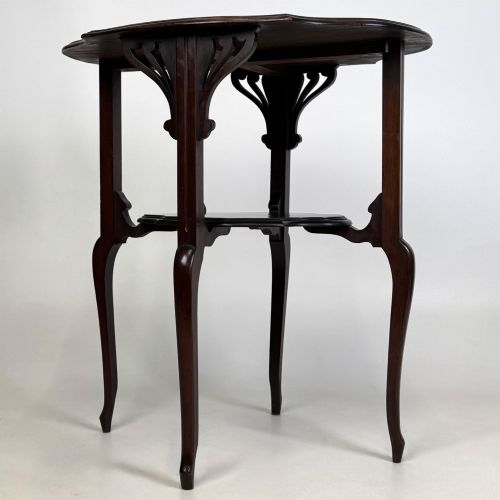
The historical span extends from eighteenth-century console pieces and D-end dining components through Regency and Edwardian variations to 1930s interpretations. Georgian Revival and Chippendale styles recur frequently, alongside simpler English Country House iterations.
Buyers encounter nests of three or four tables alongside single pairs of lamp or side tables. These pieces serve practical needs in drawing rooms and bedrooms while displaying traditional cabinetmaking traits.
How they were made
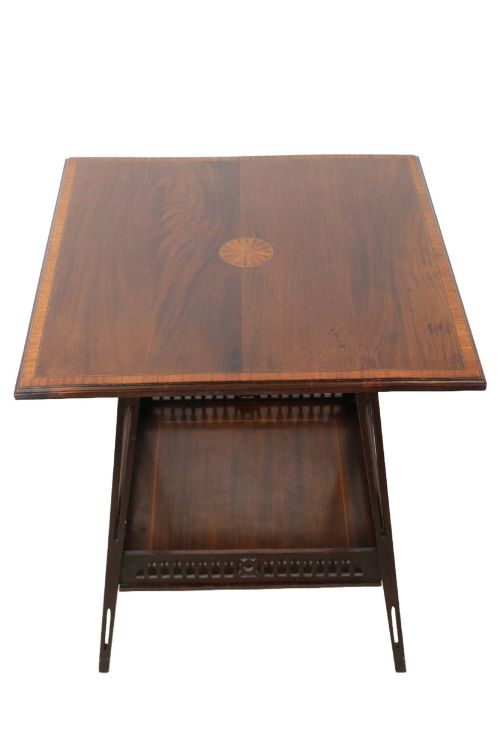
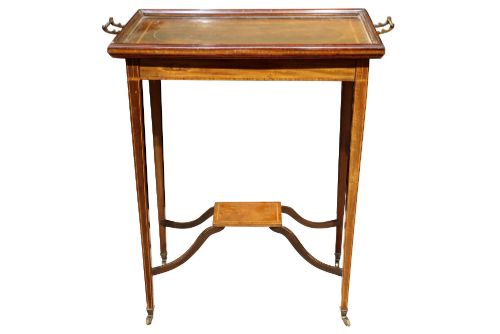
Makers utilised solid mahogany and quarter-veneered timber, frequently combining the primary wood with contrasting satinwood inlay for decorative banding. Brass fixtures appear as framing elements, handles, or decorative mounts on specific nineteenth-century and Art Deco examples.
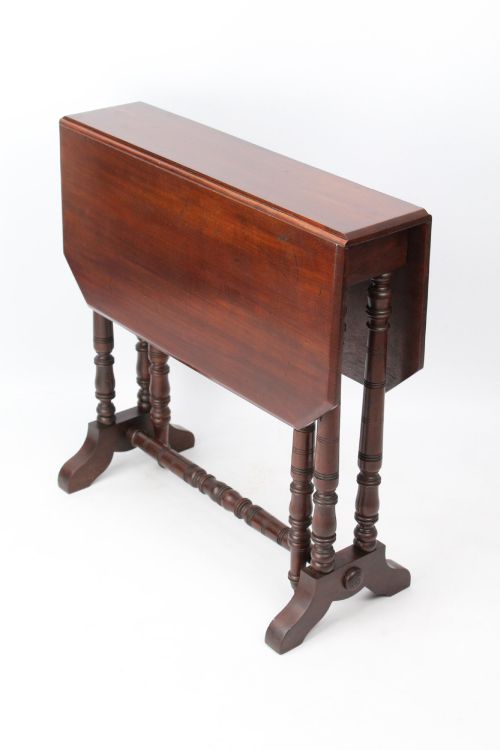
Construction methods range from traditional joinery on eighteenth-century console sections to compact stacking arrangements in early twentieth-century nests. Polished timber surfaces display the natural grain patterns characteristic of the wood.
Retail Price Guide 2026
Typical UK retail prices for mahogany end tables, calculated from the Sellingantiques database of over a million retail prices indexed since 2003. This retail price guide relies exclusively on Sellingantiques data; no external sources or auction records are used, so the figures do not describe the wider market.
Some tables hide inside each other like Russian dolls, ready to multiply when tea time gets crowded.
What varies in quality
Quality rests upon the selection of timber figures and the precision of inlaid details such as satinwood stringing. Superior examples demonstrate crisp carving on Chippendale-style edges and balanced proportions across matched pairs.
The integrity of the construction, the depth of the polished finish, and the harmonious matching of timber veneers distinguish standard production from finer workshop pieces.
The Mahogany End Tables Glossary
- D-end table
- A semicircular console or end table shaped like the letter D, often designed to stand alone or join an extending dining table.
- Nest of tables
- A set of graduated tables designed to slide neatly beneath one another to save floor space.
- Satinwood
- A pale, durable exotic timber used for contrasting stringing and inlay on mahogany furniture.
- Chippendale style
- Cabinetmaking inspired by eighteenth-century designs, featuring carved details and polished mahogany surfaces.
- Quarter-veneered
- Timber veneer arranged in four matching segments to create a symmetrical grain pattern across a tabletop.
Frequently Asked Questions
How were mahogany end tables used historically?
These pieces functioned as surfaces for lamps, drinks, and books in drawing rooms and private chambers. Paired tables often flanked seating arrangements or beds.
Larger D-end variants served as console tables against hallway walls or separated from extending dining formats for daily domestic use.
What periods do these tables come from?
The selection spans from eighteenth-century pieces through Regency and Edwardian eras to the 1920s and 1930s. Georgian Revival and Chippendale styles also appear in later interpretations.
Construction details and timber finishing generally indicate the specific decade or century of origin.
Are these tables usually sold as pairs?
Many listings feature matched pairs designed to sit symmetrically at either end of a sofa or bed. Single pieces and nests of three or four tables also occur.
Matching pairs provide balanced proportion for traditional room layouts.
How do I care for mahogany surfaces?
Maintenance involves dusting with a dry cloth and avoiding placement near direct heat sources or strong sunlight. Polishing preserves the timber grain.
Gentle care protects the historical finish and inlaid satinwood details.