

Mahogany Drawer Stand
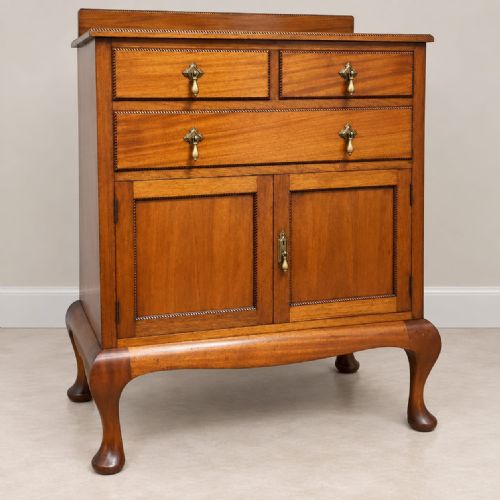
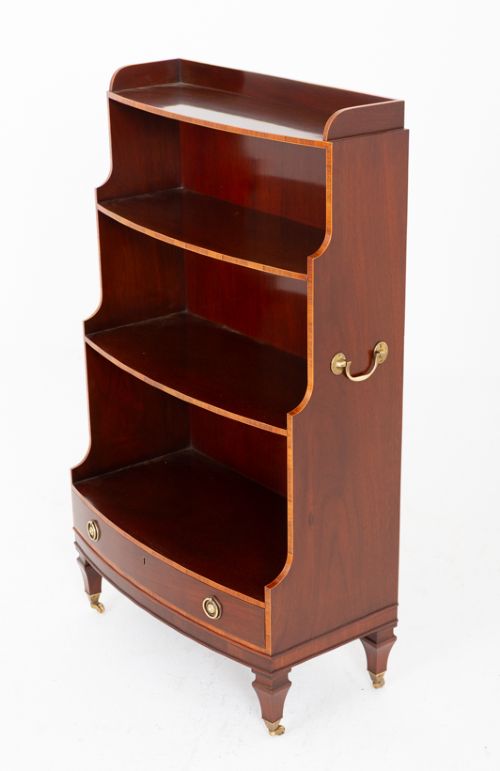
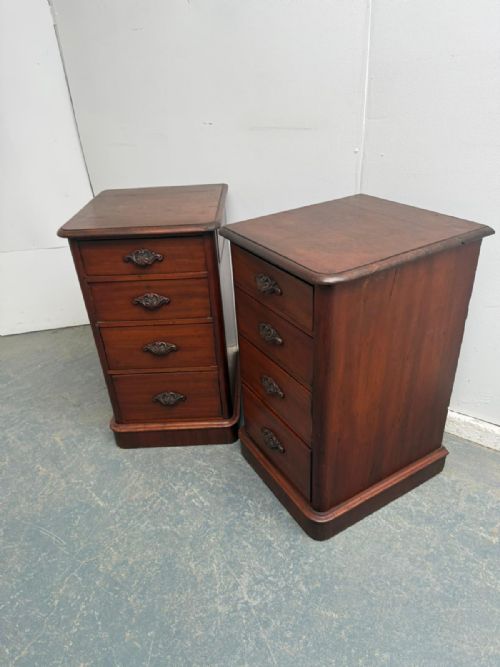
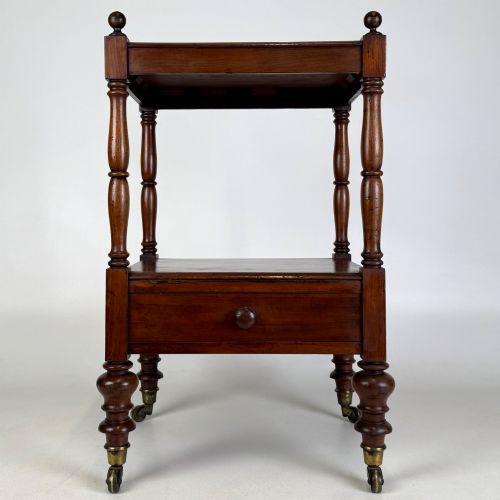
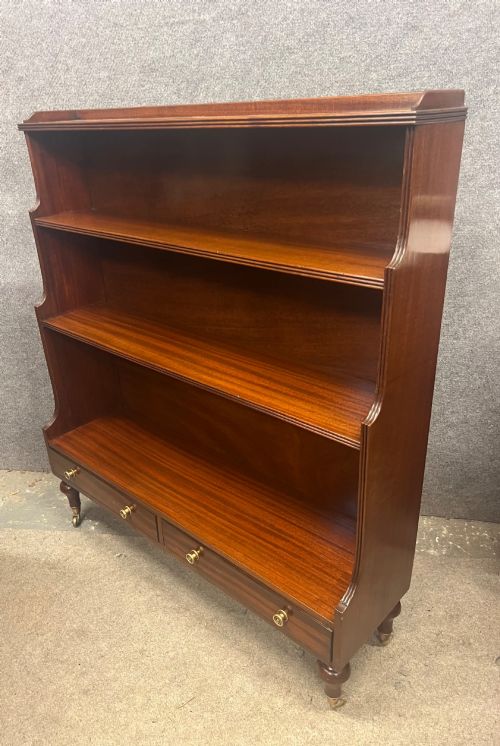
When you search for a mahogany drawer stand, you uncover versatile elevation pieces designed to bring compact storage and display into domestic spaces.
Mahogany Drawer Stand
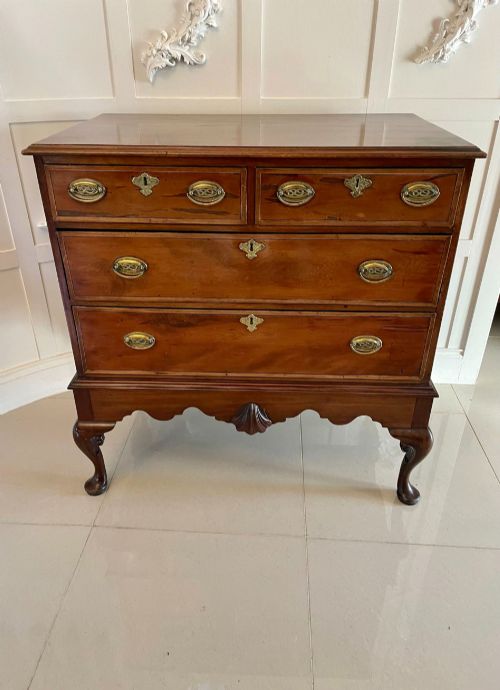
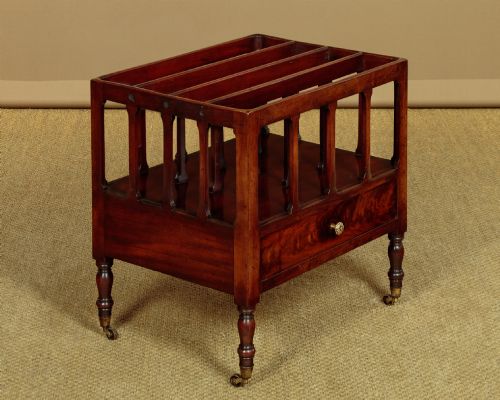
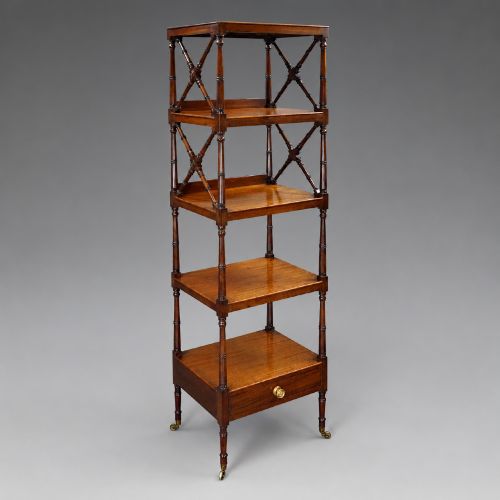
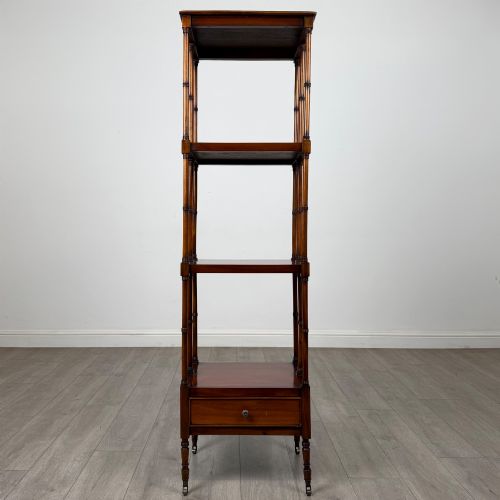
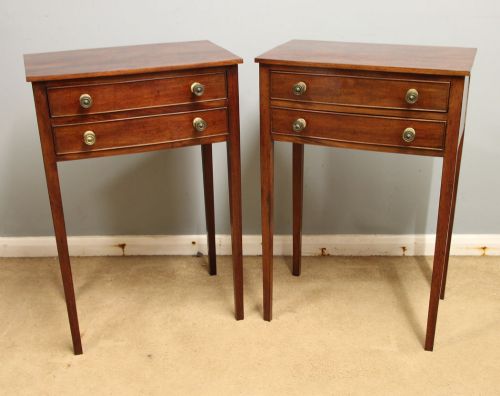
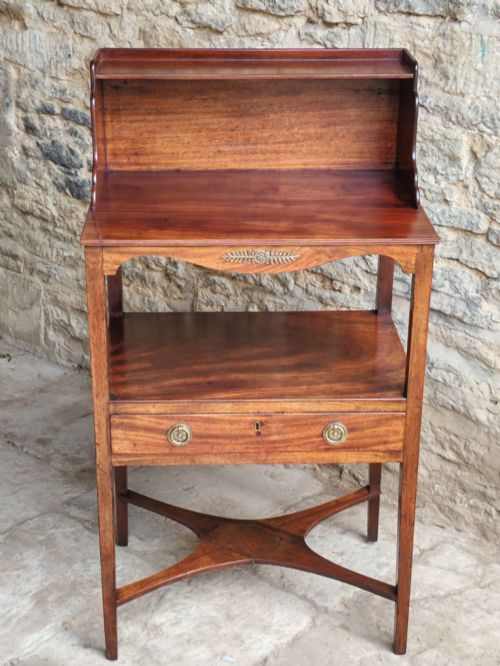
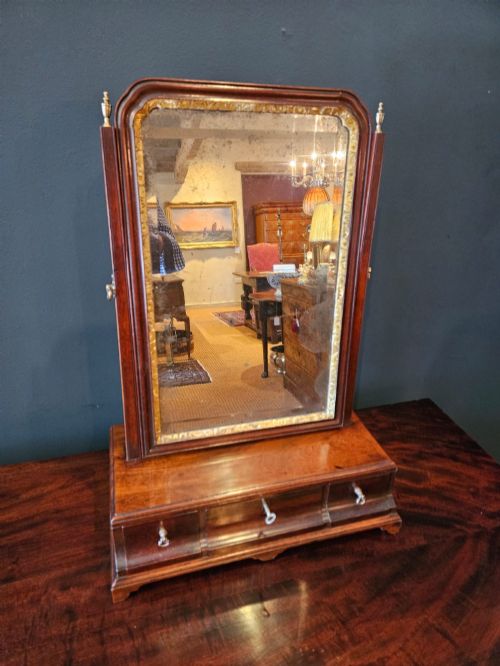
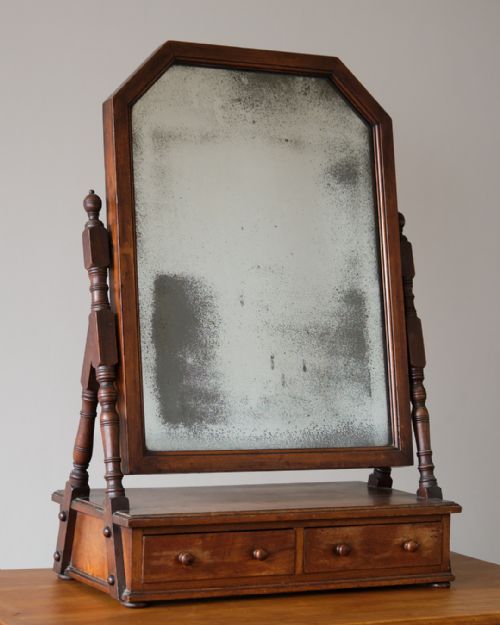
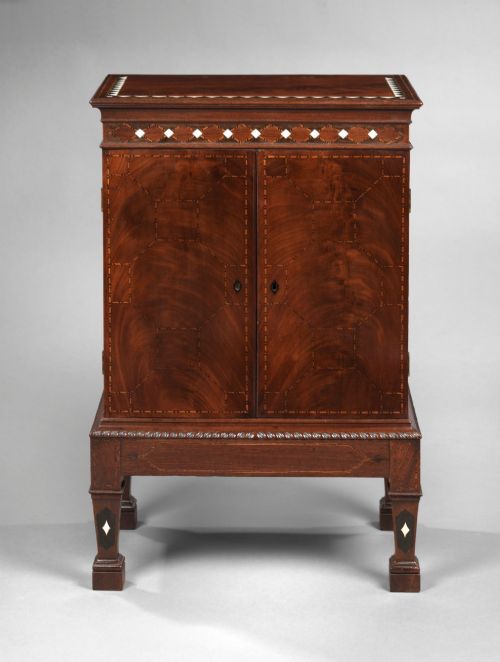
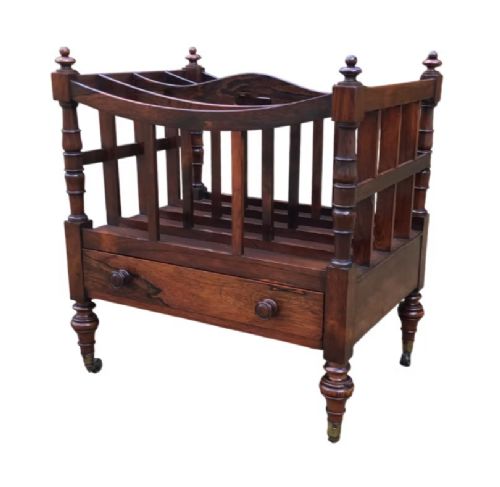
A mahogany drawer stand encompasses various elevated storage forms, ranging from tall chests and collectors' cabinets to bedside tables and side tables equipped with drawers. These items emerge predominantly across Georgian, Victorian, and Edwardian periods.
Buyers frequently encounter compact chests on stands, music cabinets, and bedside pieces originating from the late eighteenth century through to the early twentieth century. These furnishings combine a raised chassis with functional drawer compartments, reflecting changing domestic requirements across eras.
The selections span from formal George III library and collector pieces to lighter Edwardian occasional stands. Each piece demonstrates how cabinetmakers adapted the fundamental combination of timber framing and integrated drawer space.
Materials and Construction
Makers relied heavily on solid and figured mahogany timber, frequently enhanced with contrasting stringing or banding in boxwood and satinwood. Construction techniques prioritized durable frame assembly, utilising dovetailed drawer boxes and panelled sides to maintain structural integrity.
Secondary elements incorporated brass handles, bone escutcheons, and glass panel doors, alongside occasional marble tops or giltwood accents. These hardware details were selected to complement the deep reddish-brown tones of the primary timber.
Turning and carving formed integral aspects of the construction process, particularly for legs, columns, and gallery rails. Joiners employed classical proportions while ensuring the stands remained stable under everyday use.
Musicians once relied on specialised drawer stands to keep sheet music organised between performances.
Assessing Merit
The calibre of a mahogany drawer stand rests upon the selection of timber grain, particularly the presence of rich flame or figured veneers. Superior examples display thoughtful book-matching and consistent colour across all exposed surfaces.
Execution of internal joinery and drawer construction distinguishes finer output from standard production. Tight dovetails, smooth drawer runners, and original hardware indicate high-grade workshop practices.
Proportional harmony and the crispness of carved or turned details elevate certain specimens. Subtle flourishes like satinwood banding or well-executed cockbeading demonstrate the maker's commitment to refinement.
Heal And Sons·James Winter And Sons·Gillow And Co·Standish
The Mahogany Drawer Stand Glossary
- Figured mahogany
- Timber exhibiting distinctive grain patterns such as flame, curl, or fiddleback. These variations occur naturally and are prized for their visual depth.
- Dovetail
- A traditional interlocking joint used in drawer construction. Hand-cut dovetails indicate earlier craftsmanship.
- Cockbeading
- A narrow rounded moulding applied around the edges of drawer openings. This detail protects drawer edges and adds visual definition.
- Stringing
- Fine inlay work utilising contrasting light wood like boxwood. It creates decorative linear borders on tabletops and drawer fronts.
Mahogany Drawer Stand: Frequently Asked Questions
How do I date a mahogany drawer stand?
Dating relies on examining construction methods, timber selection, and hardware styles across different eras. Georgian pieces often display hand-cut joinery and simpler interior linings, whereas Edwardian iterations incorporate machine-processed elements and lighter occasional formats.
Secondary woods and backboards also provide chronological clues. Cabinetmakers shifted from oak and pine linings in the eighteenth century to diverse softwoods by the twentieth century.
Where were these stands used originally?
These pieces served functional roles across bedchambers, libraries, and formal drawing rooms. Smaller stands functioned as bedside storage or shaving units, while larger drawer chests and cabinets housed collections or documents.
Their freestanding nature allowed placement throughout the domestic interior. They adapted easily from private studies to public entertaining spaces.
How should I care for mahogany furniture?
Maintenance involves keeping pieces away from direct heat sources and fluctuating humidity levels. Regular dusting with a soft, dry cloth preserves the finish without requiring heavy chemical polishes.
Occasional application of traditional wax helps nourish the timber surface. This preserves the natural lustre developed over centuries.