






Mahogany Decanter Stand
A mahogany decanter stand holds your bottles with stability and grace, bringing period timber and bright metalwork directly to the dining table.
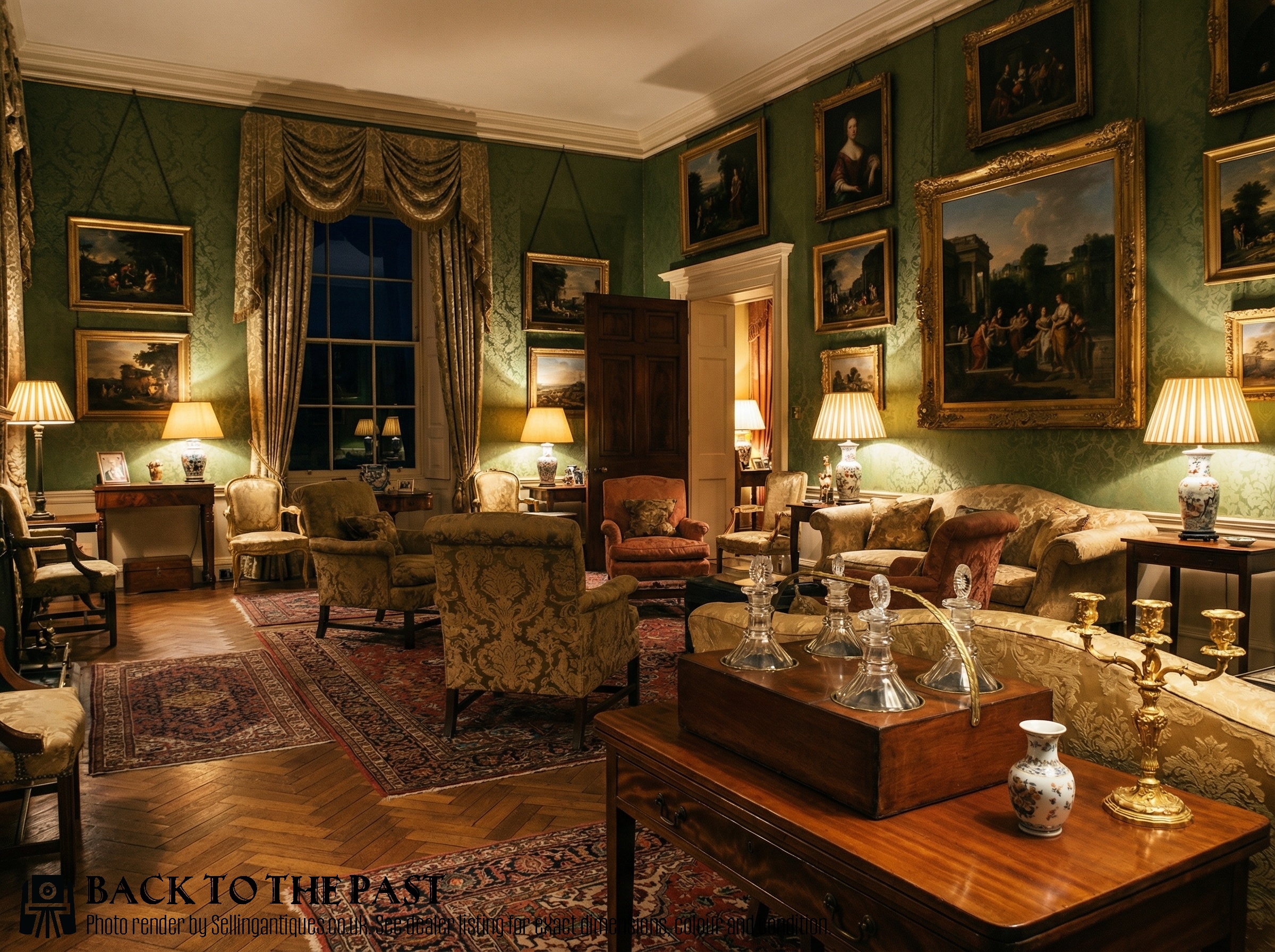
Mahogany Decanter Stand
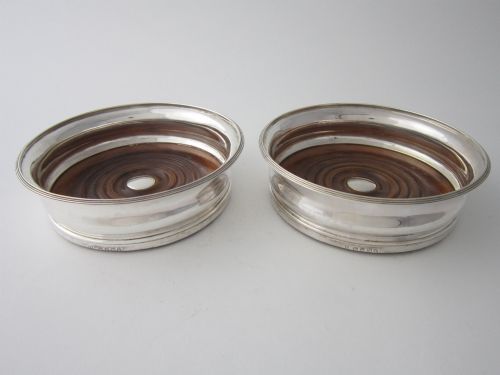
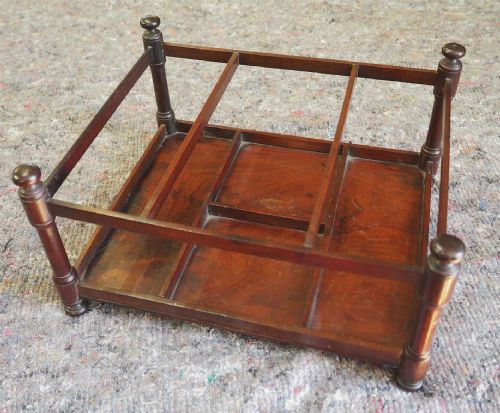
A mahogany decanter stand brings together rich hardwood and serving utility, appearing in various forms from single bottle holders to larger multi-bottle frames. When you search for a mahogany decanter stand, you encounter pieces designed to protect polished tabletops from rings and spills during and after dinner.
The selections span distinct historical eras, most notably the Georgian and Regency periods, alongside later Victorian and Edwardian interpretations. You will frequently find these items paired with silver plate, sterling silver, or brass mounts that secure the timber bases.
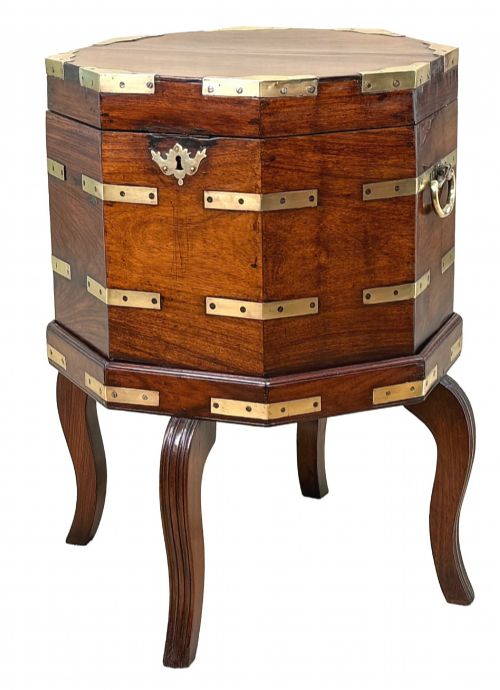
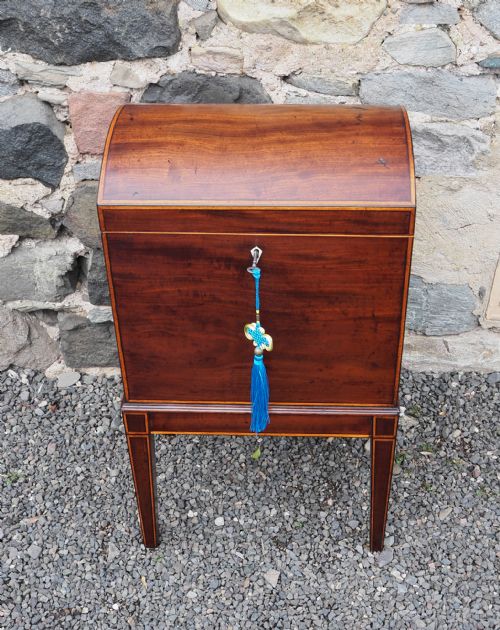
Beyond straightforward coasters, the category encompasses related serving vessels including wine coasters, cellarettes, and bottle stands. Each variation reflects the evolving dining customs of eighteenth and nineteenth-century households.
Materials and Construction
Makers utilised dense hardwoods, predominantly mahogany and occasionally padouk, turned or carved to form circular or conforming frames. These timber bodies frequently incorporate inset bases of wood or baize-lined metal to cushion the glass.
Metalwork played a structural and decorative role, with silversmiths and metalworkers supplying cast or pierced galleries in sterling silver, old Sheffield plate, and silver plate. These mounts were secured to the wooden bases with pins or screws, uniting two distinct craft traditions.
Several stands include small hidden wheels beneath their wooden bases so they could glide smoothly across polished dining tables during lively post-dinner conversations.
Judging Quality
The distinction between standard domestic items and superior examples lies in the crispness of the timber turning and the weight of the metal galleries. Finer pieces demonstrate careful attention to grain selection in the mahogany and precise piercing or engraving in the silver or plate.
Proportion and stability dictate the merit of a stand, ensuring that heavier cut crystal decanters rest securely without tipping. Original mounts and uncompromised timber surfaces distinguish pieces that retain their integrity from those altered over time.
John and Thomas Settle·Mein of Kelso
The Mahogany Decanter Stand Glossary
- Cellarette
- A lockable container or stand designed to hold bottles of wine safely near the dining table. They often feature fitted interiors and robust wooden construction.
- Old Sheffield Plate
- A composite material formed by fusing a thin sheet of silver to a thicker copper base before rolling and shaping. This technique produced items with durable silver surfaces before modern electroplating.
- Coaster
- A small tray or stand fitted with wheels or a flat base to be slid along the mahogany surface of a dining table between guests. They protect the polish from condensation and drips.
- Tantalus
- A locking wooden frame that holds decanters securely visible while preventing unpermitted access to the contents. They became popular luxury accessories in the Victorian and Edwardian eras.
Mahogany Decanter Stand: Frequently Asked Questions
How were decanter stands used?
These stands sat upon the dining table after the servants withdrew, allowing guests to pass the wine bottles freely among themselves without damaging the polished wood.
The raised rims and fitted bases kept the bottles upright and caught any accidental drips from the pouring lip.
How do I clean mahogany?
Dust the timber gently with a dry, soft cloth to remove surface particles without abrasive friction.
Avoid liquid cleaners or modern polishes that build up residue, opting instead for traditional beeswax applied sparingly when the wood appears dry.
How do I date a stand?
Examine the construction methods, such as the type of screws used and how the metal gallery joins the wooden base. Earlier Georgian pieces often show hand-turned timber and heavier casting.
Compare the style of the mounts and the species of wood with documented examples from specific periods like the Regency or Edwardian eras.