
Mahogany Column Side Table
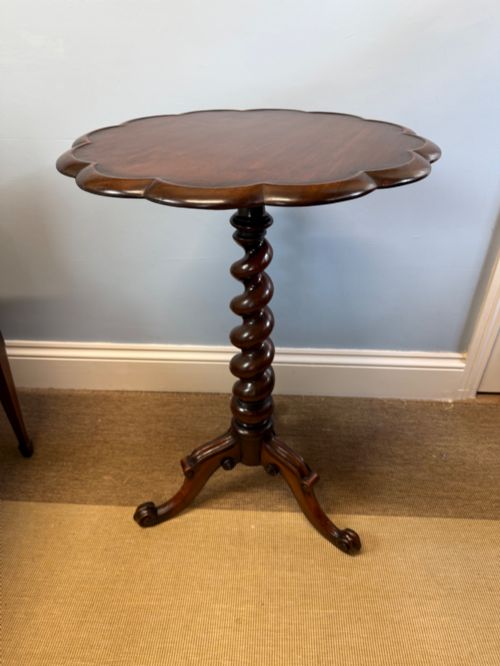
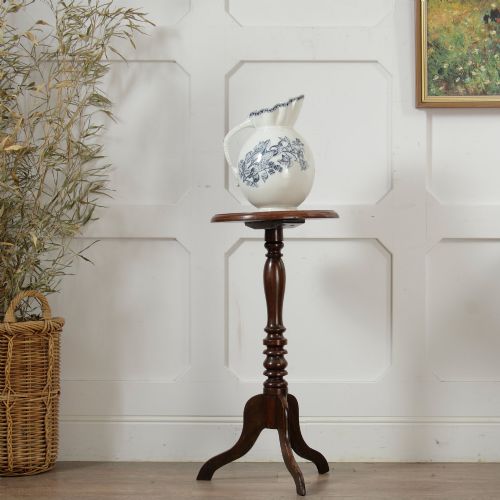
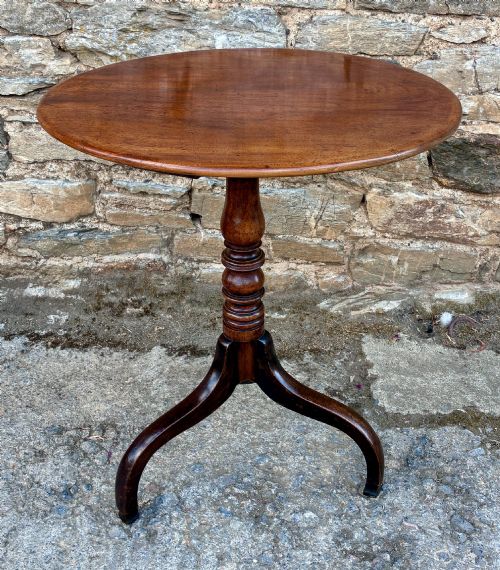
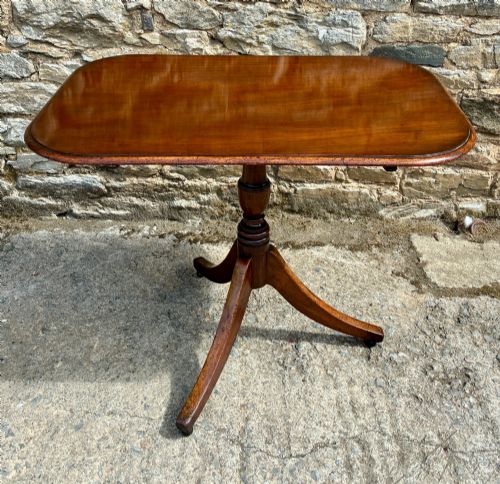
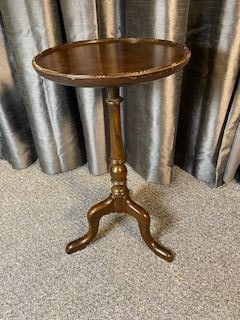
A mahogany column side table brings compact surface space and rich timber warmth to a room, standing on a central pillar rather than four legs.
Mahogany Column Side Table
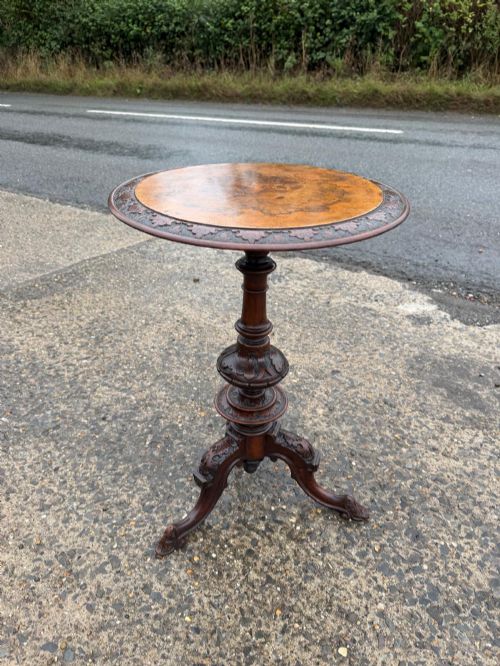
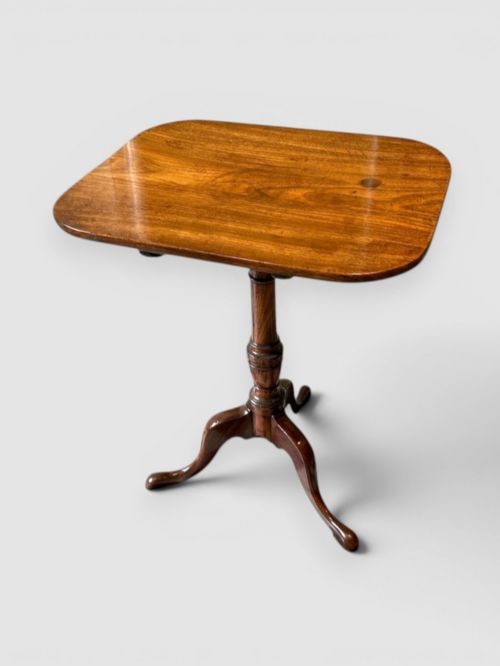
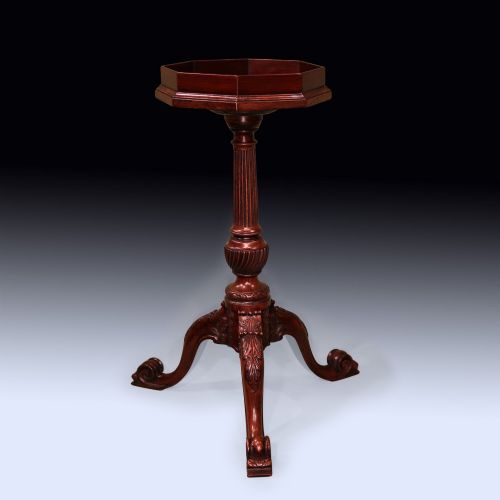
A mahogany column side table brings compact surface space and rich timber warmth to a room, standing on a central pillar rather than four legs. When you search for this phrase, you encounter forms that range from tilt-top wine tables and lamp stands to pedestal tea tables and occasional tables. These pieces emerge across Georgian, Regency, Victorian, and Edwardian periods, reflecting changing domestic habits.
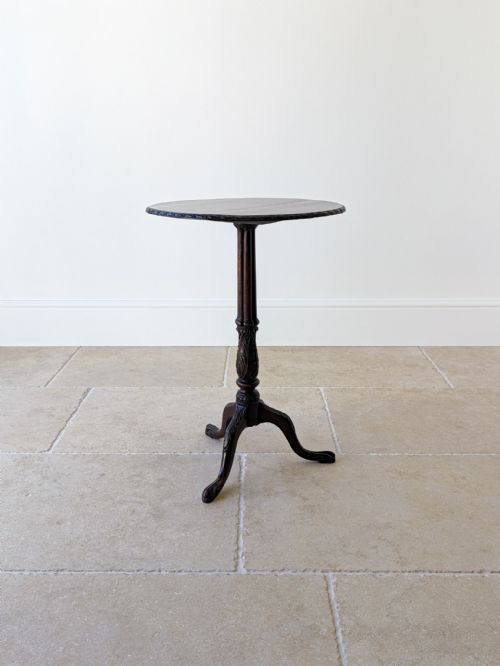
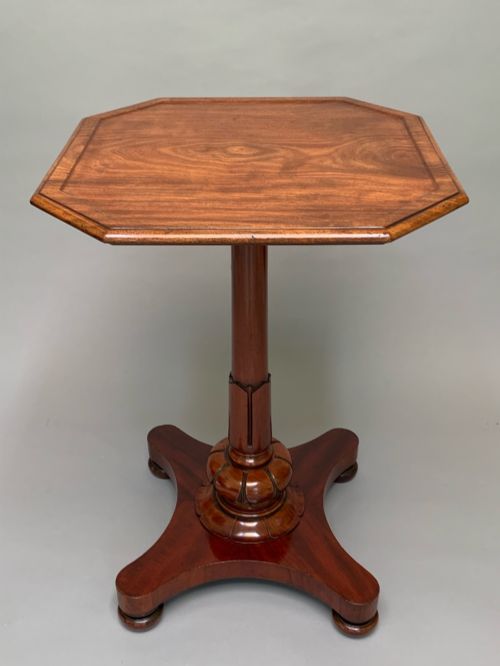
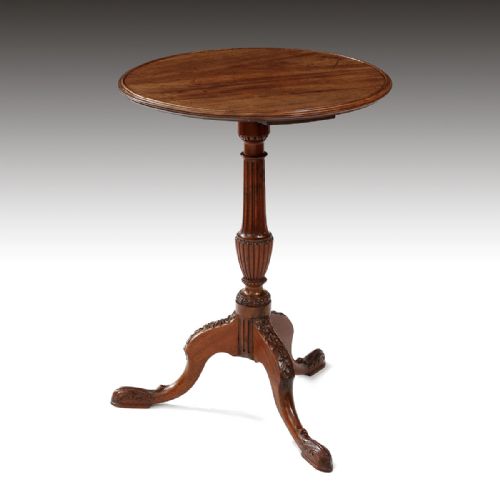
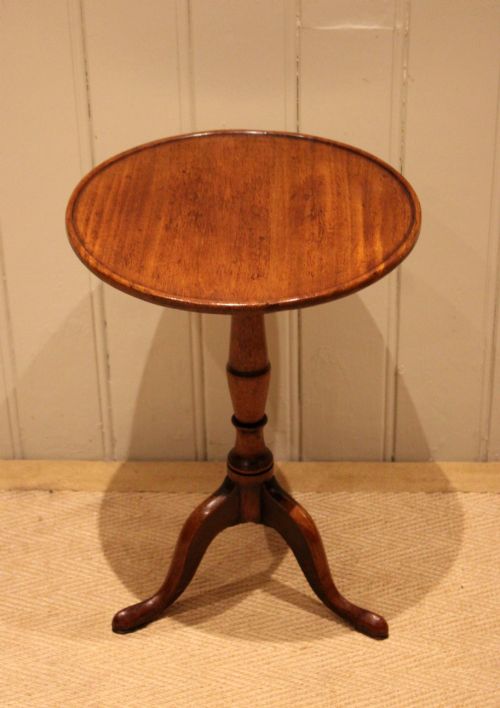
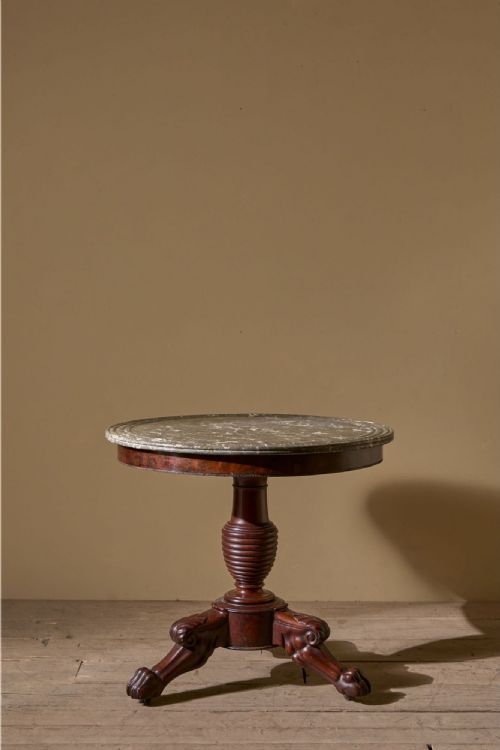
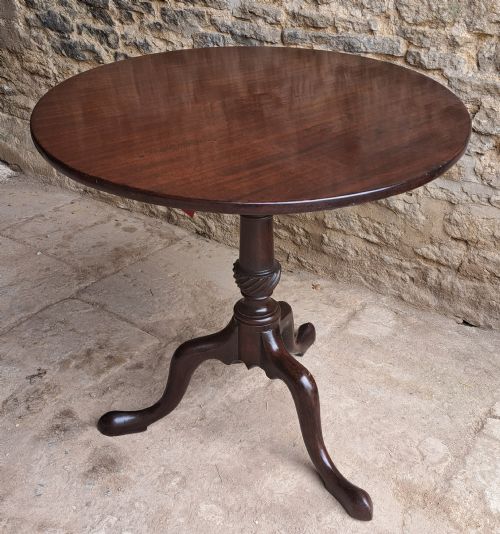
The single-pillar tripod format dominates the selection, frequently featuring a circular or tilting top supported by three carved or plain legs. Other examples present a heavier pedestal base, sometimes paired with marble tops or brass details. Origins span English workshops alongside occasional continental pieces, showing considerable variety in scale and proportion.
Timber and construction methods
Cabinet makers relied primarily on solid mahogany and rich veneers, often selecting figured timbers like burr wood or rosewood for the upper surface. Secondary elements incorporate boxwood stringing, brass mounts, and occasionally grey marble inserts. Turning lathes shaped the central columns, while skilled joinery secured the tilt mechanisms and tripod legs.
Makers utilised traditional construction techniques such as dovetailing and tenon joints to ensure stability on a single pedestal. Tilt-top mechanisms relied on clever pivoting blocks and brass catches that allowed the surface to drop flat against the column when not in use. Surface finishes were built up using traditional polishing methods to bring out the deep red and brown tones of the grain.
Materials appearing across the inventory include solid mahogany, burr wood, brass, rosewood, and grey marble.
Distinguishing finer examples
Quality rests heavily on the selection of timber and the crispness of the carving on the column and legs. Finer tables display dense, beautifully figured mahogany with thoughtful grain matching on the top, rather than plain or flat boards. The proportions between the central pillar, the spread of the tripod feet, and the surface diameter dictate the visual balance of the piece.
Construction integrity separates master work from simpler utility items. A superior table exhibits tight, unyielding joinery in the pivot mechanism and a weighted, stable base that stands level without wobble. The subtlety of turned details on the column and the finesse of any brass or boxwood inlay further distinguish workshop origins.
Gillow
The Mahogany Column Side Table Glossary
- Tilt-top
- A table top mounted on a hinge mechanism that allows the surface to rotate vertically for storage. This clever design saved valuable floor space in smaller period rooms.
- Tripod base
- A support structure consisting of three shaped legs radiating from a central pillar. It provides stable footing on uneven historic floors.
- Gueridon
- A small ornamental stand or occasional table, often of French origin, designed to hold a light or decorative object. The form became popular in various revival styles throughout the nineteenth century.
- Snap-top
- An alternative term for a tilt-top table, held firmly in the horizontal position by a wooden catch or spring bolt. Releasing the catch allows the top to tip upward.
- Boxwood-strung
- Inlaid with narrow strips of pale boxwood to create contrasting decorative lines around the edges of a tabletop. This technique highlights the geometry of octagonal or circular designs.
- Pedestal
- The central vertical column supporting the upper surface of a table. It replaces traditional corner legs to allow greater freedom of seating.
Mahogany Column Side Table: Frequently Asked Questions
What is a column side table used for?
These tables served primarily as convenient surfaces for holding lamps, tea equipment, books, or wine glasses beside seating areas. Their compact footprint made them easily movable around a drawing room or parlour as daily needs shifted.
Today, they function effectively as lamp tables, bedside stands, or accent pieces in hallways and corners. The tilt-top variety allows them to double as decorative wall panels when folded away.
How do I date a mahogany table?
Dating relies on examining the timber species, construction joints, turning styles, and overall proportions of the piece. Georgian and Regency examples often display finer hand-carved details and lighter, more elegant framing.
Victorian and later revival pieces generally feature heavier turnings and different secondary woods beneath the surface. Tool marks and fixings such as hand-cut screws also provide reliable chronological clues.
Are tilt-top tables stable?
A well-adjusted tilt-top table remains remarkably stable when the horizontal catch engages securely with the central block. The weight of the mahogany column and the spread of the three tripod legs distribute weight evenly.
Over time, wear in the pivot mechanism can introduce slight movement or wobble. Simple adjustments to the underlying wooden wedge or pin usually restore a firm fit.
How do I care for antique mahogany?
Mahogany surfaces respond best to regular dusting with a soft, dry cloth and occasional applications of traditional beeswax. Direct sunlight and sudden shifts in temperature or humidity should be avoided to prevent the timber from drying out or splitting.
Keeping the surface clear of pooling liquids protects the polish from water rings. Gentle cleaning preserves the natural patina built up over centuries.