

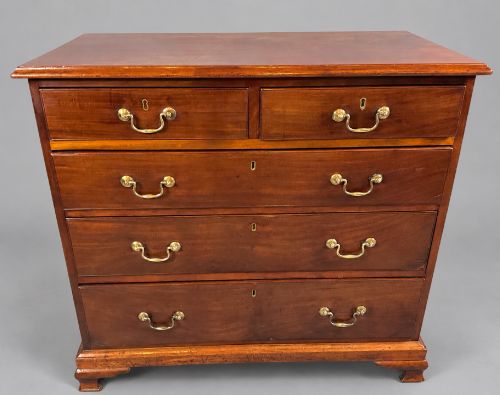
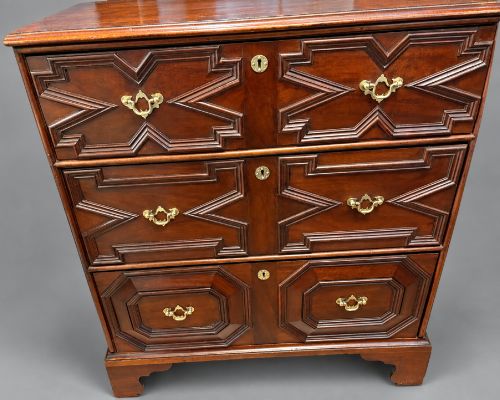
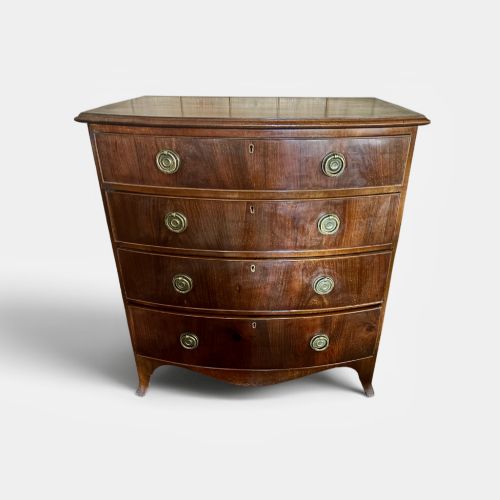
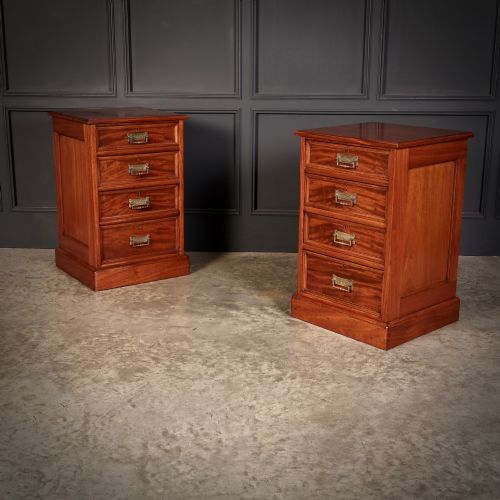
Mahogany Chest with Cabinet
Mahogany chest with cabinet pieces combine substantial drawer storage with upper display or writing compartments, offering a classic solution for organised storage.
Mahogany Chest with Cabinet
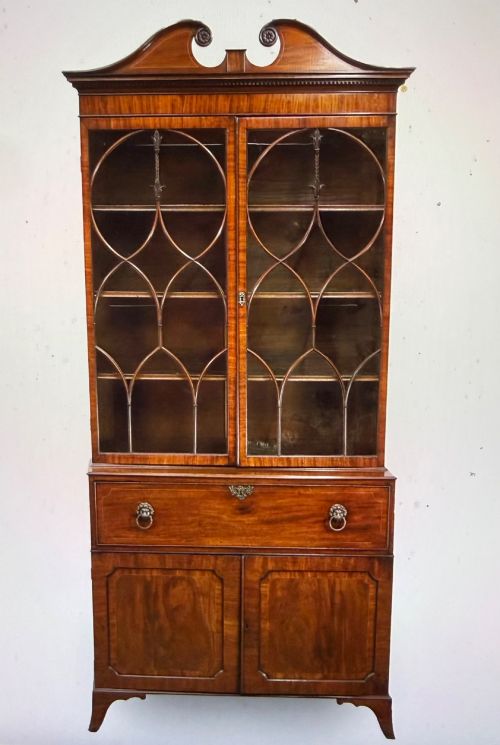
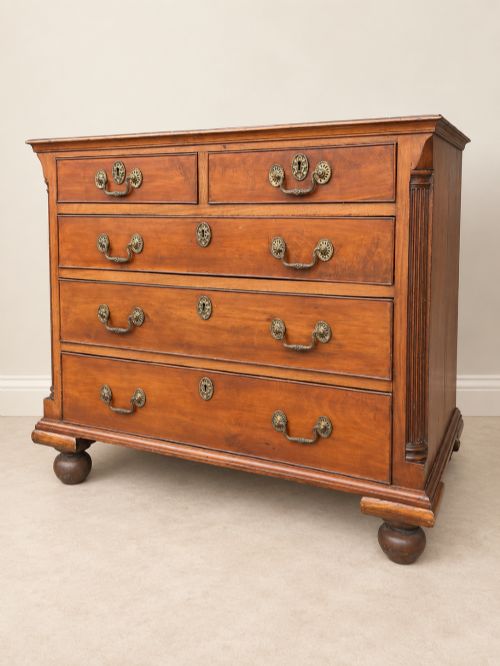
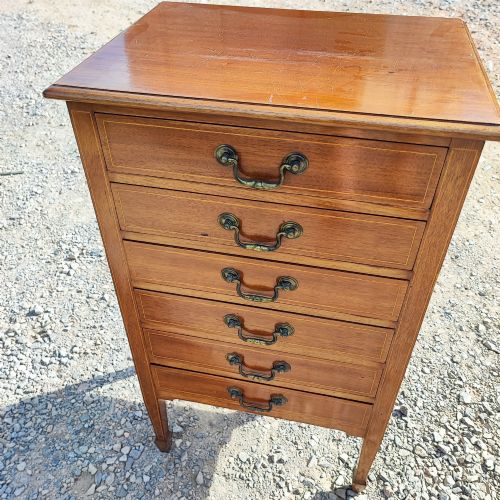
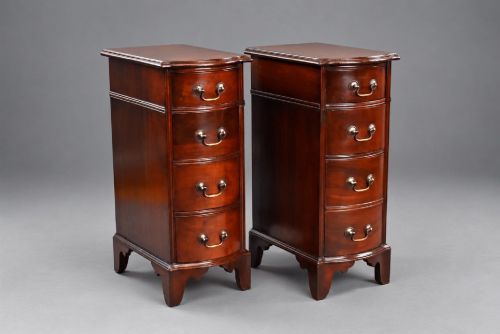
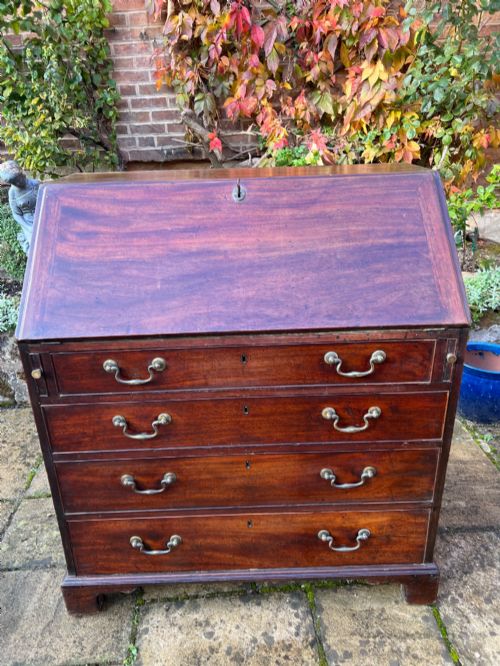
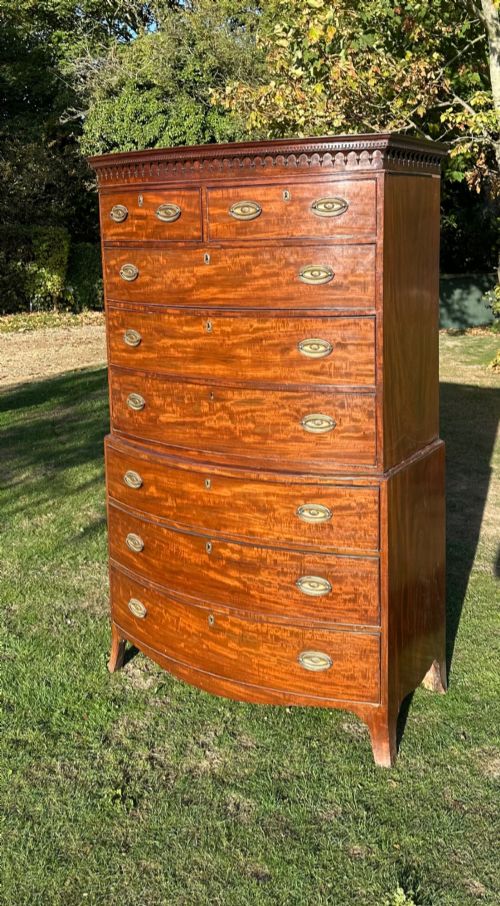
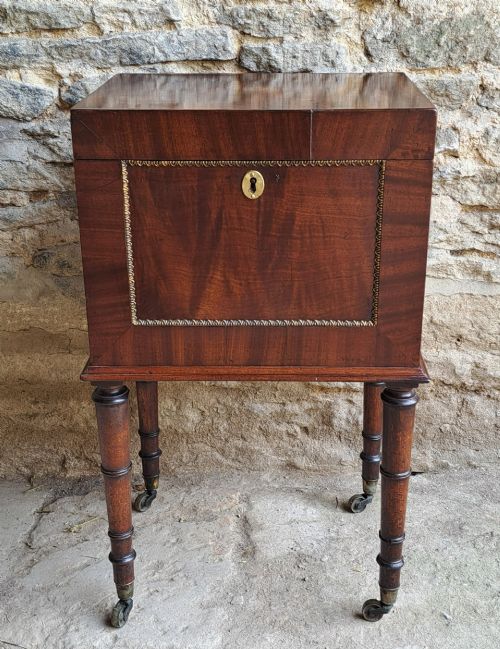
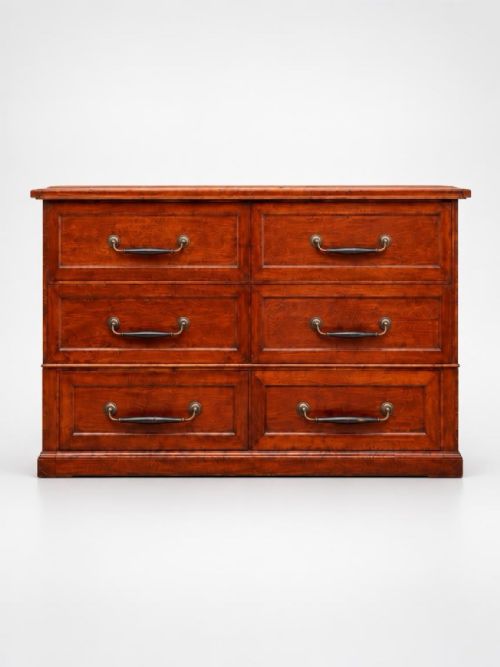
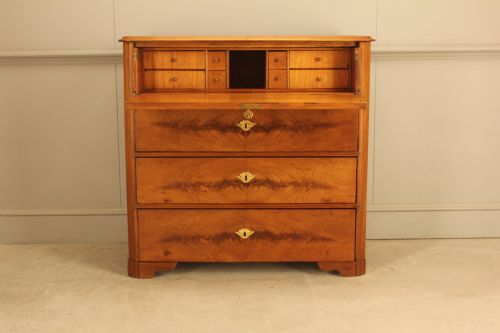
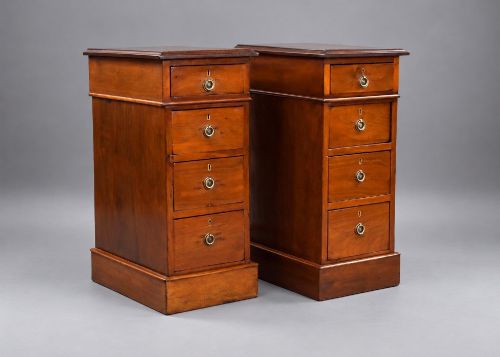
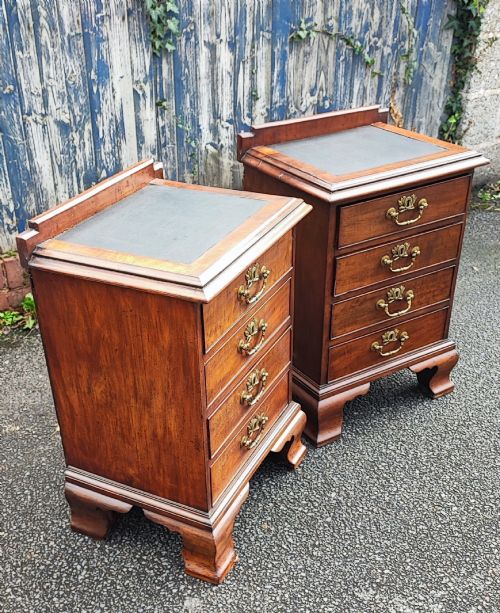
A mahogany chest with cabinet brings together a lower chest of drawers with an upper section designed for display, writing, or storage. The pieces listed under this search phrase range from compact apprentice models and apothecary boxes to towering bureau bookcases and tallboys.
Most examples you encounter date from the Georgian, Regency, and Victorian periods, alongside Edwardian interpretations. These iterations span practical writing desks with fall fronts, glazed library cabinets sitting upon drawer bases, and linen presses featuring figured wood.
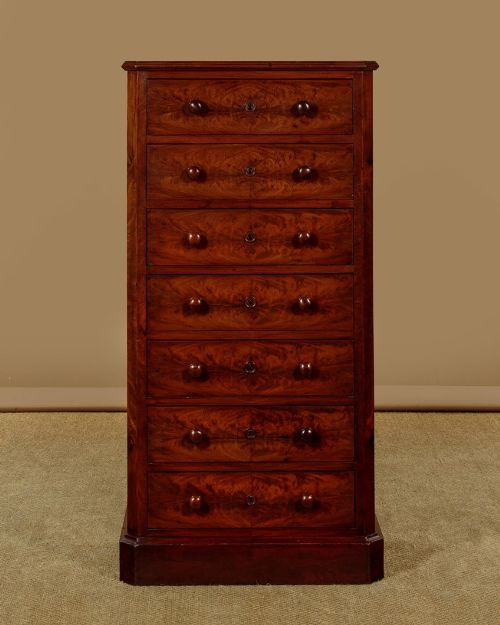
Forms vary from the monumental George III bookcase on chest with astragal glazed doors down to miniature chests and Wellington chests. Each format serves a distinct domestic purpose, bridging the gap between utilitarian storage and formal display.
How they were made
Makers relied primarily on solid mahogany and flame mahogany veneers, often enhanced with contrasting satinwood or oak elements. Structural integrity was maintained through traditional joinery, whilst brass handles, escutcheons, and glass panes added functional and decorative detail.
Surface finishing involved careful polishing to bring out the natural warmth and grain patterns of the timber. Drawer construction typically featured hand-cut dovetails, while upper cabinets incorporated delicate wooden glazing bars to hold glass panels securely.
Mahogany Chest with Cabinet Retail Price Guide 2026
Typical asking prices for mahogany chest with cabinet among the pieces listed under this phrase on Sellingantiques today, from the lower quarter to the upper quarter. They describe what is for sale here now, not the wider market.
Some apothecary boxes arrived without their contents, leaving modern owners to ponder what curative powders once filled the tiny compartments.
What varies in quality
Quality rests in the selection of timber figures, such as flame mahogany or plum pudding mahogany, and the precision of the cabinetmaker's joinery. Superior pieces display harmonious proportions, original brass hardware, and well-fitted interior compartments rather than later replacements.
The sophistication of the secondary woods, the crispness of carved details, and the intactness of original glazed doors distinguish standard utility pieces from finer examples made during the Georgian and Regency eras.
Gillows
The Mahogany Chest with Cabinet Glossary
- Astragal glazed
- A method of dividing glass panes in cabinet doors using slender wooden mouldings. This technique defines the refined look of Georgian and Regency bookcases.
- Secretaire
- A desk disguised as a chest of drawers or incorporated into a cabinet, featuring a drop-front writing surface. It conceals small pigeonholes and drawers within.
- Tallboy
- A tall piece of furniture comprising a chest of drawers stacked upon another, or a linen press over drawers. It maximises vertical storage space.
- Flame mahogany
- A veneer cut from timber where the branch meets the trunk, creating a distinctive flamelike pattern. It marks decorative high points on cabinet facades.
- Wellington chest
- A tall, narrow chest of drawers secured by a hinged locking side pilaster. Originating in the nineteenth century, it provided secure storage for papers.
Mahogany Chest with Cabinet: Frequently Asked Questions
What is a bureau bookcase?
A bureau bookcase combines a sloping drop-front desk with an upper shelving or display cabinet. The lower section provides a concealed writing surface and internal pigeonholes.
These combination pieces became popular in the eighteenth century for home administration and library use, offering both storage and writing facilities in a single footprint.
How do I identify a Georgian piece?
Georgian furniture typically displays restrained classical proportions, high-quality mahogany timbers, and hand-cut dovetail joinery in the drawer construction. Look for original brass hardware and period-specific locking mechanisms.
Subtle details such as astragal glazing bars on cabinet doors and oak secondary timbers help confirm the manufacturing era between the early eighteenth and early nineteenth centuries.
Where should I place a tallboy?
Tallboys and cabinets on chests require stable wall placement due to their height and weight. Bedrooms and libraries offer suitable environments where vertical storage is beneficial without occupying excessive floor space.
Keep them away from direct heat sources and strong sunlight to protect the mahogany veneer and polish from drying out or fading over time.
What is flame mahogany?
Flame mahogany is a decorative veneer obtained from the fork of the mahogany tree where branches diverge. This cutting method produces a rippling, flame-like grain pattern that reflects light distinctively.
Cabinetmakers utilised this figured wood on prominent surfaces like drawer fronts and fall-front desks to create striking visual depth and luxury appeal.