
Mahogany Cabriole Legs
Mahogany cabriole legs define seating and tables shaped by curving lines that trace back through Georgian, Victorian and Edwardian centuries.
Mahogany Cabriole Legs
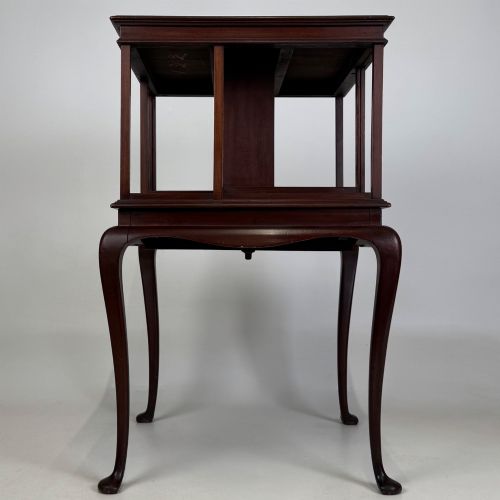
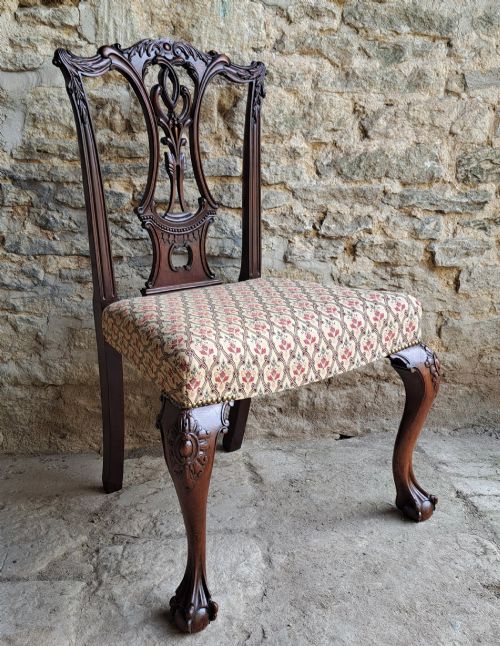
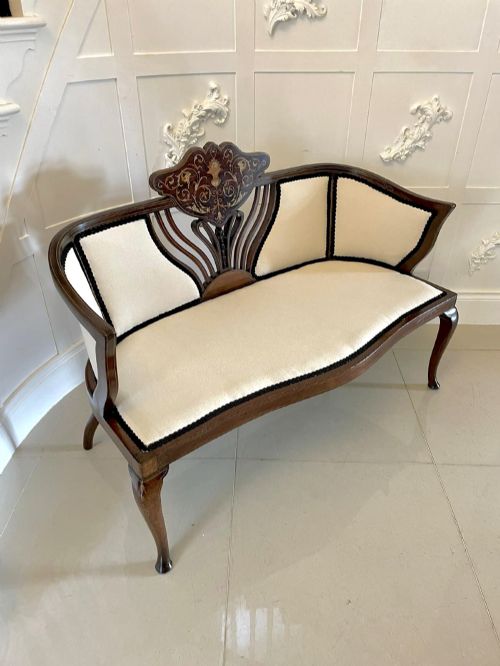
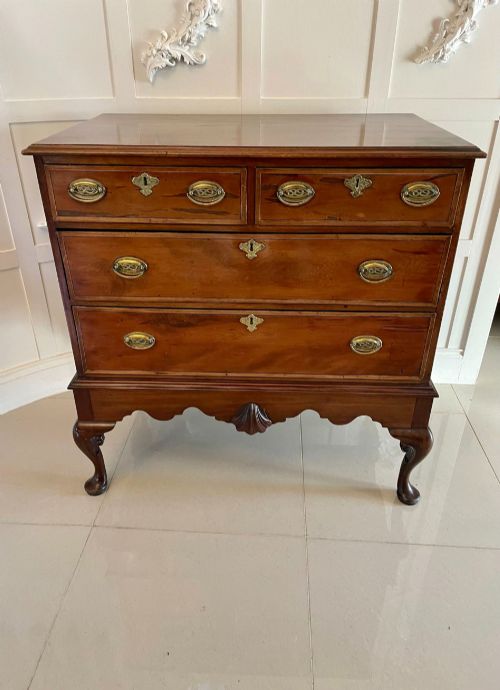
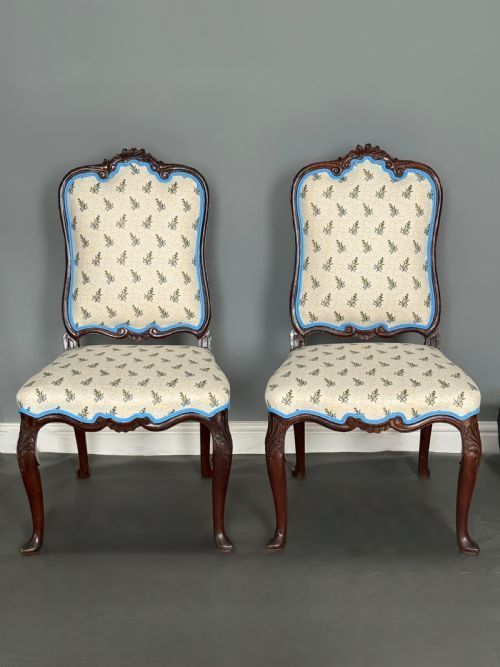
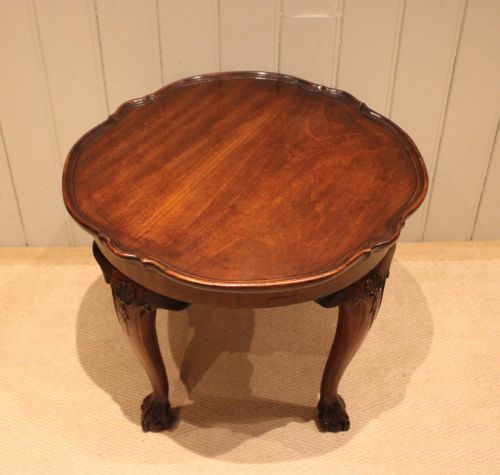
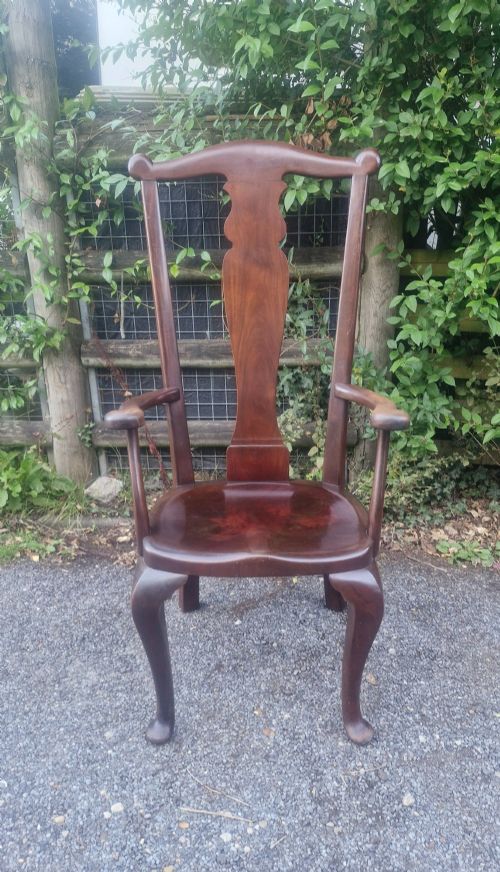
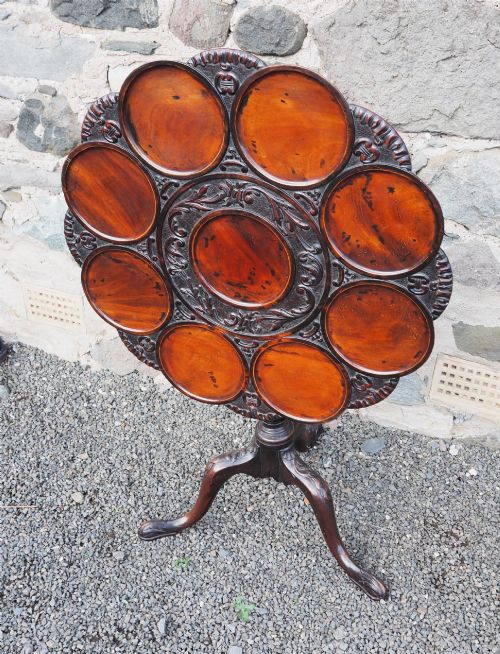
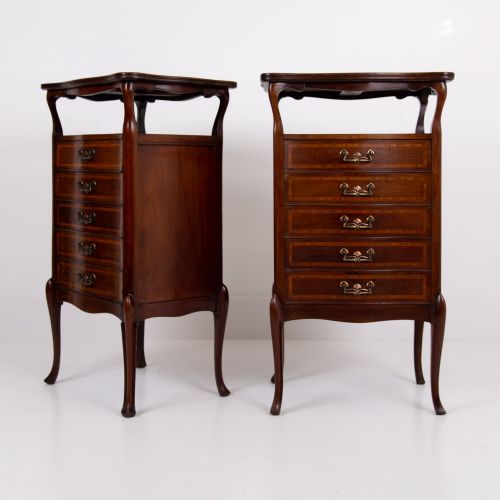
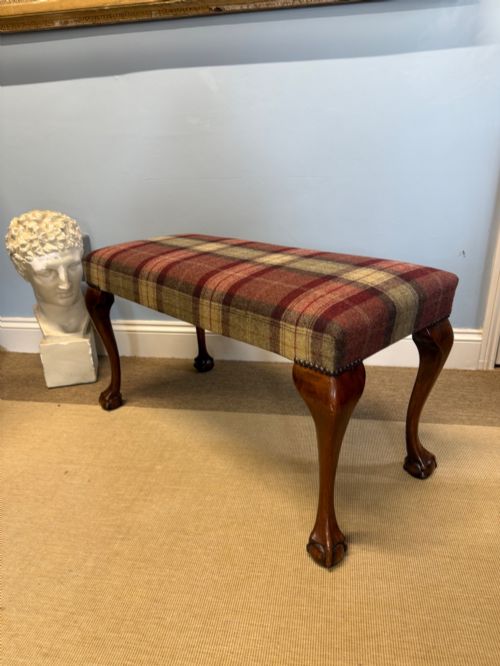
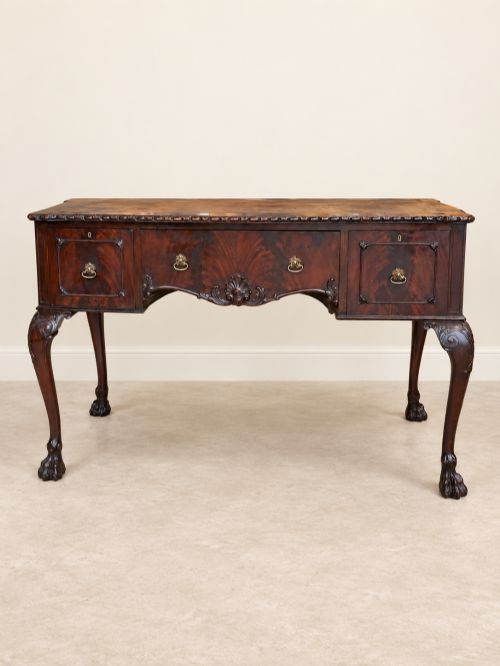
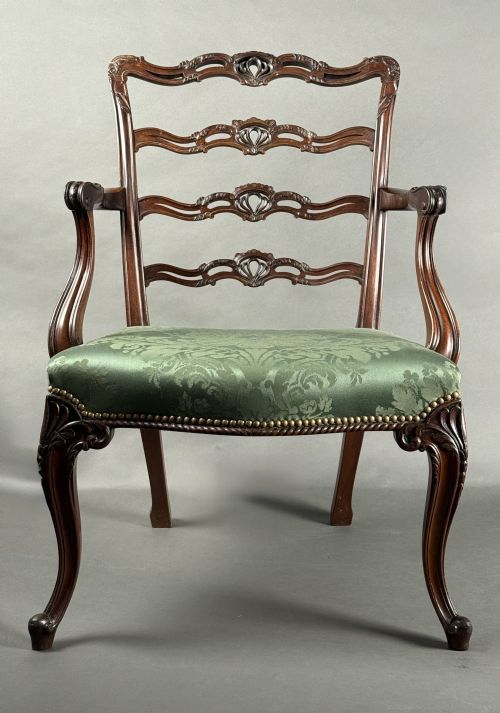
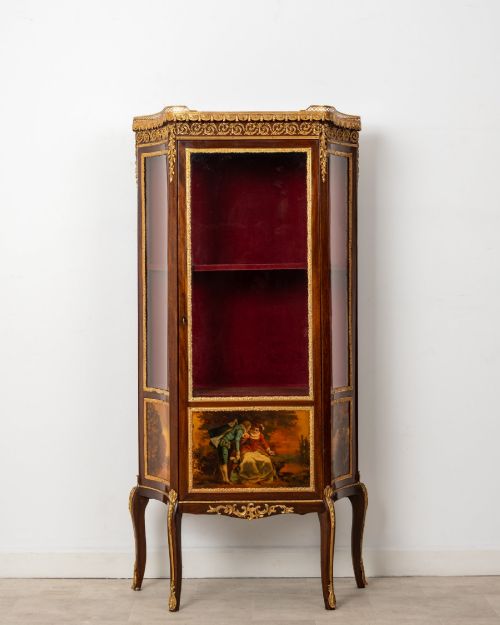
When searching for mahogany cabriole legs, a buyer encounters furniture elevated on double-curving supports that sweep outward at the knee and taper inward toward the foot. The forms span dining chairs, armchairs, stools, side tables, card tables, and display cabinets from the eighteenth, nineteenth, and early twentieth centuries.
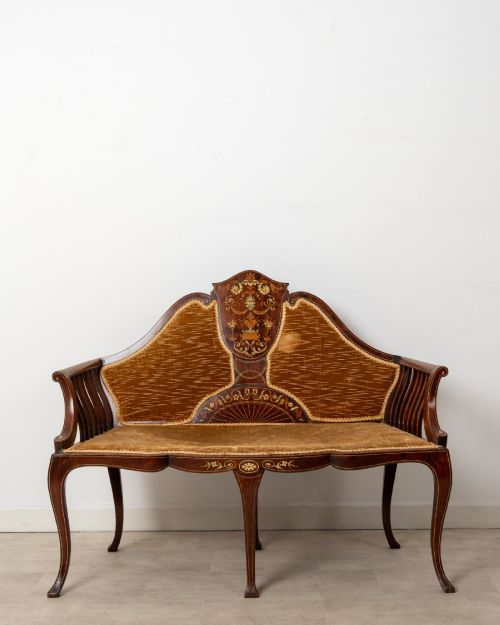
The versions met most frequently on this page originate in the Georgian and Edwardian periods, alongside Victorian interpretations of earlier styles. These pieces range from simple occasional tables and bedroom stools to substantial sets of dining chairs and sideboards.
The lineage of these designs draws heavily upon George II, George III, and Chippendale traditions, as well as later revivals. Each era reinterprets the graceful knee and foot profile differently, connecting functional furniture to historic cabinet-making vocabulary.
How they were made
Makers fashioned these supports directly from solid timber, often selecting dense Cuban mahogany or standard mahogany to withstand the structural stresses inherent in curving silhouettes. The grain had to follow the sweep of the wood from knee to toe to maintain strength without snapping.
Upholstered items and seating combined this dense timber framework with supportive internal webbing, horsehair, and surface coverings of leather, velvet, or fabric. Tables relied on mortise and tenon joinery to anchor the curving uprights securely to the frieze or top.
Listings feature Edwardian, Victorian, and Georgian periods alongside materials like brass, leather, velvet, and Cuban mahogany.
What varies in quality
Quality rests in the sculptural confidence of the carving and the seamless integration of the support into the wider frame. Master makers achieved fluid, organic transitions from the crest of the knee down to the foot, avoiding rigid angles or clumsy proportions.
The selection of the timber itself dictates the visual richness, with figured mahogany and Cuban varieties offering deeper grain patterns and heavier density. Superior construction is evident when joints remain tight and the carved details retain crisp definition rather than soft, worn edges.
François Linke·Edwards and Roberts·Warings
The Mahogany Cabriole Legs Glossary
- Cabriole leg
- A furniture support shaped with a convex curve outward at the knee and a concave curve inward at the ankle, ending in a foot. This design mimics animal limbs and gained prominence during the eighteenth century.
- Cuban mahogany
- A dense, highly prized timber sourced from the Caribbean, known for deep colour and rich grain figures. Cabinet-makers utilised it for high-status eighteenth-century furniture.
- Tripod table
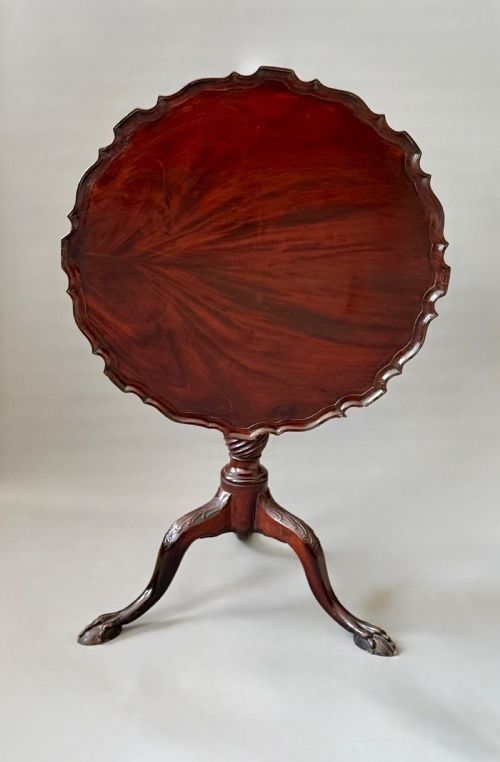
- A small freestanding table supported by a central pillar resting on three curving legs. These pieces often feature tilt-top mechanisms for storage.
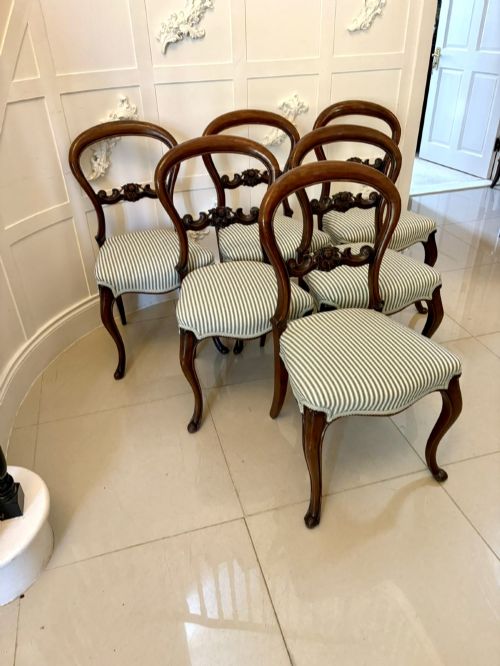
- Balloon back
- A rounded, oval-shaped chair back popular during the Victorian era. It frequently accompanies carved cabriole forelegs on dining and salon chairs.
Mahogany Cabriole Legs: Frequently Asked Questions
What periods do these pieces come from?
The inventory spans the eighteenth century through to the Edwardian period via Victorian revivals. Georgian and George II examples represent the earlier interpretations of the form.
Later Edwardian workshops and Victorian cabinet-makers continued producing these curving supports in large numbers, often reviving earlier eighteenth-century aesthetics.
How were these tables used originally?
Smaller variations served as tea tables, card tables, or silver tables in formal drawing rooms. Tripod versions offered movable surfaces for reading or displays.
Larger serving tables and dining tables supported heavier domestic tasks in formal dining rooms and country houses.
How do I care for mahogany furniture?
Keep wooden surfaces away from direct sunlight and strong heat sources to prevent the timber from drying out or splitting. Gentle dusting with a dry cloth maintains the polish.
Condition leather and upholstery fabrics according to their specific material requirements, avoiding harsh chemical cleaners entirely.
How do I identify a revival piece?
Revival pieces from the Victorian and Edwardian eras often display machine-assisted precision in their joinery and carving compared to eighteenth-century originals. Secondary woods and interior construction methods usually reveal the true date of manufacture.
Stylistic cues also help, as nineteenth and twentieth-century makers frequently blended proportions or applied revival motifs to standard domestic furniture types.