


Mahogany Box with Inlay
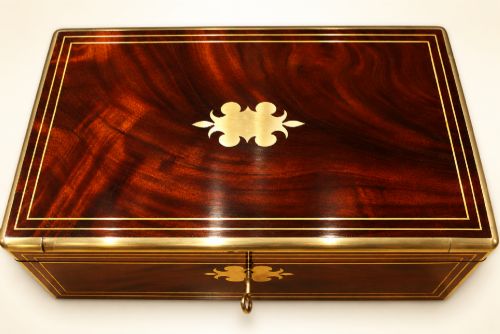
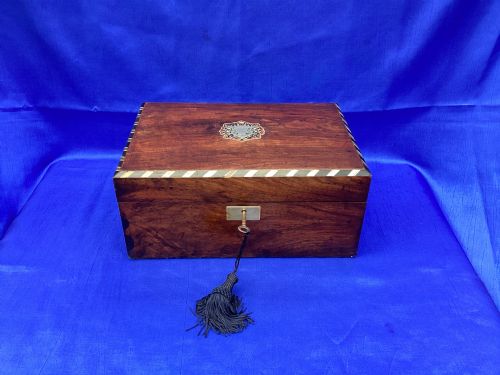
These mahogany box with inlay pieces combine dark timber with pale contrasting lines, offering practical storage that suits a traditional room.
Mahogany Box with Inlay
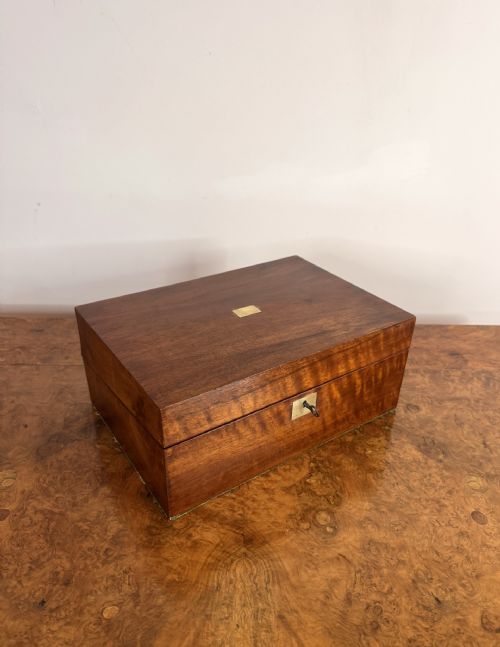
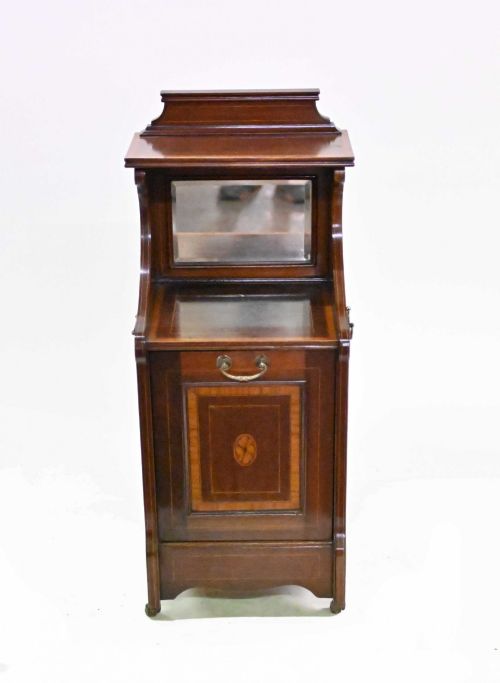
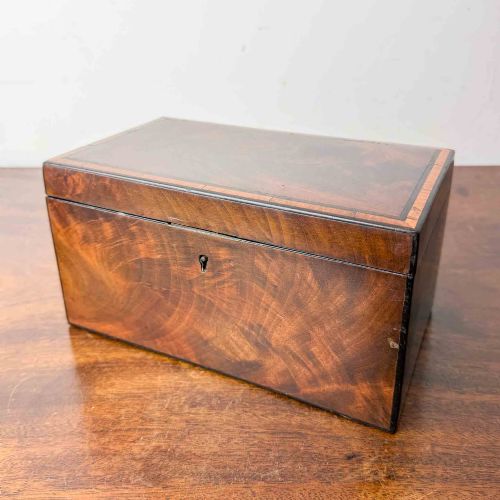
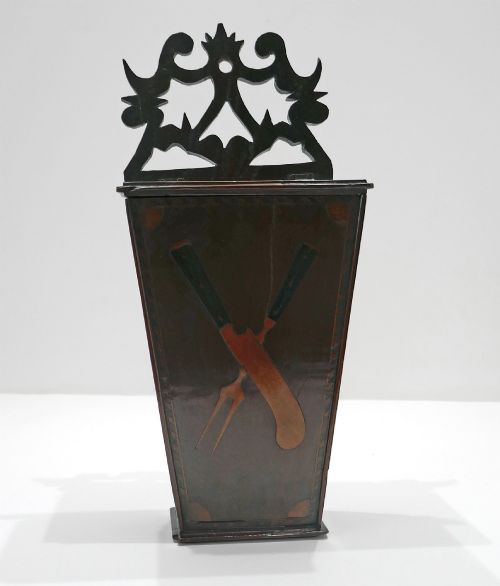
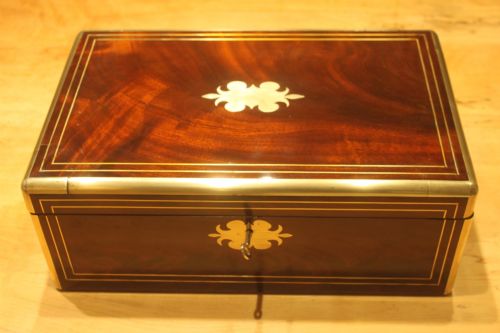
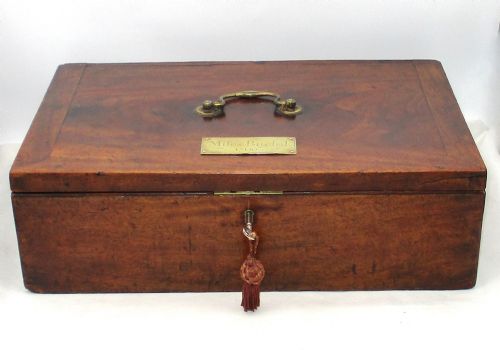
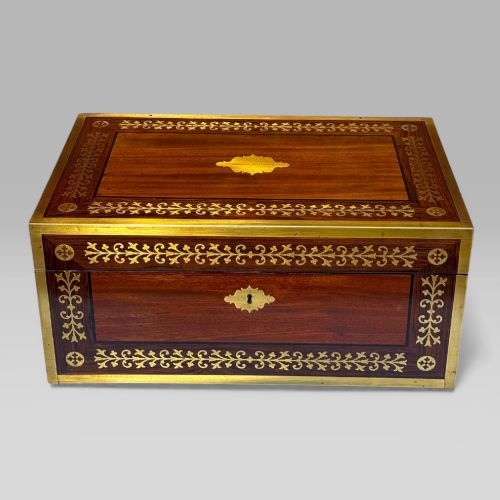
A mahogany box with inlay takes several distinct forms across the Georgian, Victorian and Edwardian eras. You will find small tea caddies, cutlery boxes and larger writing slopes designed for a desk.
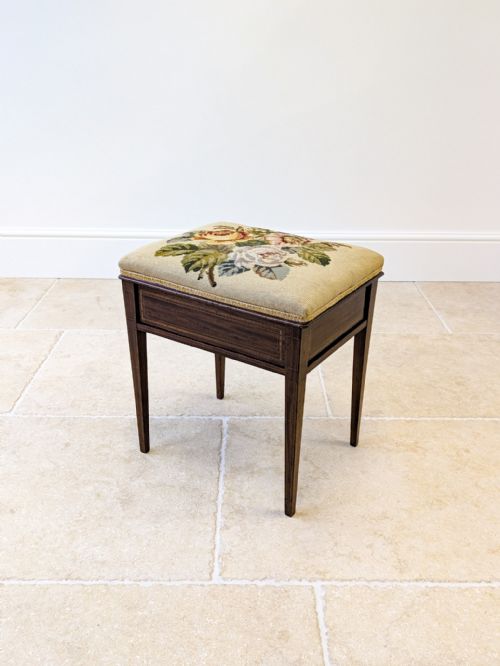
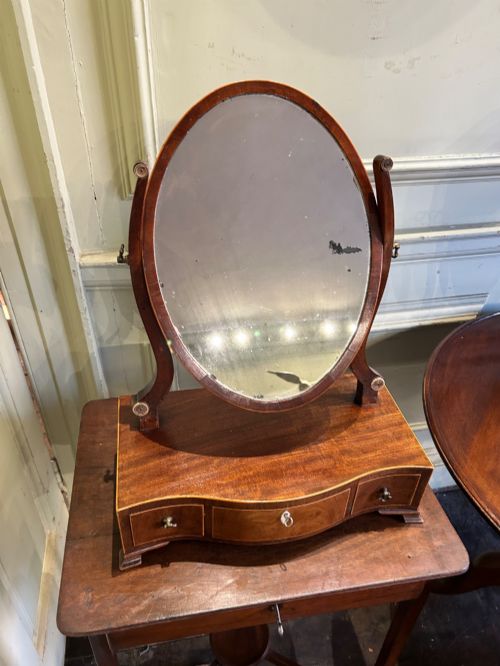
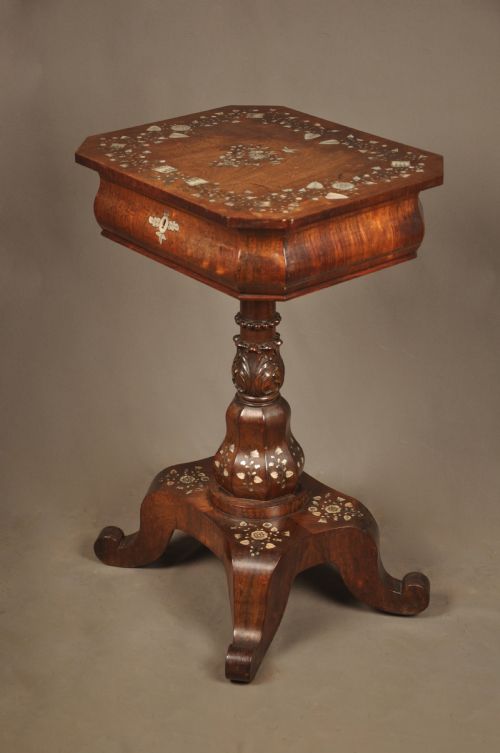
Many examples double as functional furniture, such as sewing tables and dressing mirrors incorporating hidden compartments and delicate stringing. The pieces span domestic storage items and larger occasional furniture from the eighteenth century onwards.
How they were made
Cabinet makers constructed these bodies from solid or veneered mahogany, often selecting curl grain timber for decorative impact on lids and drawer fronts. Surfaces receive detailed embellishment through boxwood, ebony and bone inlay set directly into the wood.
Fitted interiors frequently incorporate brass hardware, glass bottles and hinged sections requiring precise joinery. Makers added contrasting stringing to outline panels, framing the grain of the primary timber.
Mahogany Box with Inlay Retail Price Guide 2026
Typical asking prices for mahogany box with inlay among the pieces listed under this phrase on Sellingantiques today, from the lower quarter to the upper quarter. They describe what is for sale here now, not the wider market.
Listings span the eighteenth, nineteenth and early twentieth centuries, featuring mahogany paired with boxwood, ebony, brass and bone.
What varies in quality
The standard of a mahogany box with inlay depends upon the crispness of the contrasting stringing and the selection of the primary timber. Finer pieces display tight curl grain figures matched across the lid, while simpler versions use plain timber.
Interior fittings reveal the standard of construction through secret drawers, original brasses and complete internal compartments. The precision of the inlay work around corners and edges indicates the skill of the original workshop.
James Shoolbred & Co
The Mahogany Box with Inlay Glossary
- Curl grain
- A figure in mahogany timber showing a feather-like pattern. This directional grain appears on high-grade cabinet furniture.
- Stringing
- Thin lines of contrasting wood inlay used to outline panels. Boxwood and ebony frequently provide the pale and dark tones for this work.
- Writing slope
- A hinged box that opens to reveal a slanted writing surface and internal compartments. These items often include secret drawers and inkwells.
- Tea caddy
- A lidded box made for storing loose tea leaves. Examples from the eighteenth century commonly contain internal metal canisters.
- Campaign style
- Portable furniture fitted with brass binding and flush handles designed for travel. These items were built to withstand movement.
Mahogany Box with Inlay: Frequently Asked Questions
What were apothecary boxes used for?
Apothecary boxes stored medicinal bottles, scales and powders securely within fitted wooden compartments. Doctors and households kept these cabinets for dispensing remedies at home.
Today, these boxes sit on sideboards or tables as decorative storage. They preserve a glimpse into nineteenth-century domestic medicine.
How do I identify a Georgian box?
Georgian pieces display hand-cut dovetails and heavy mahogany timbers with rich patination. Inlay work from this period relies on subtle boxwood and ebony stringing.
Later Victorian and Edwardian examples often feature machine-cut elements and lighter woods. The overall weight and internal hardware help confirm the earlier date.
Where should I place a work table?
Edwardian work tables with silk baskets fit neatly beside armchairs as compact storage. They hold sewing equipment or small daily items close to hand.
Keep these tables away from direct heat sources to protect the delicate mahogany veneer and boxwood inlay. Regular dusting maintains the polished surface.
What is a tea caddy?
A tea caddy was designed to keep expensive tea leaves secure under lock and key. Wealthy households stored their provisions in these small lidded boxes.
Modern collectors use them to store small trinkets on a mantelpiece or shelf. Their internal compartments still function for small storage needs.