



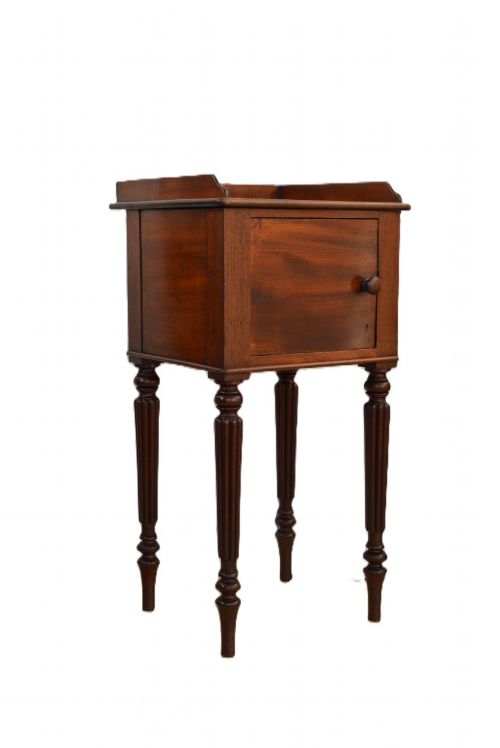

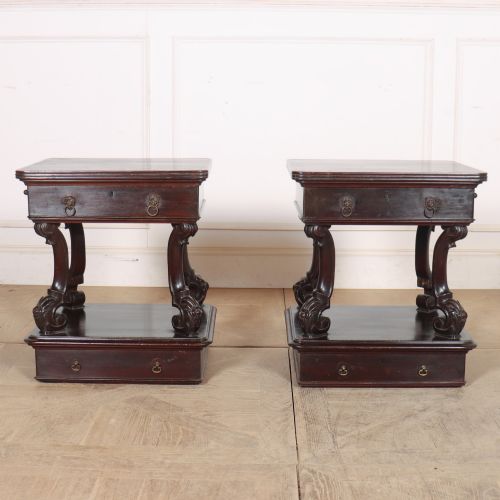


Mahogany Bedside Locker
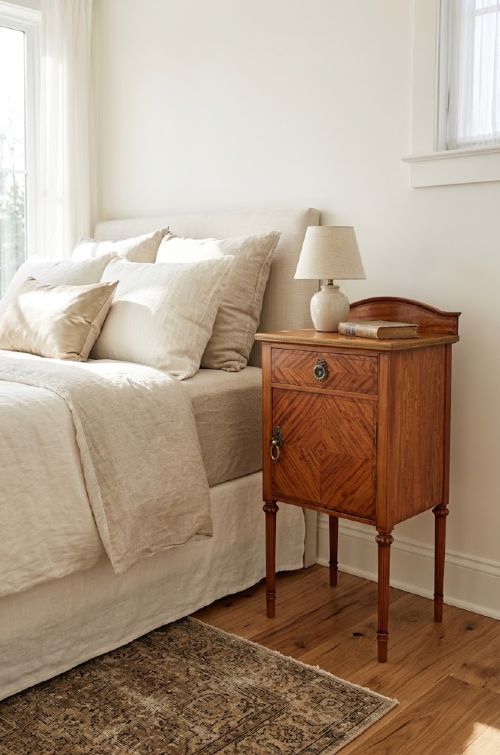
A mahogany bedside locker brings practical bedside storage and rich timber grain to a bedroom, drawing from Georgian, Victorian, and Edwardian cabinet-making traditions.
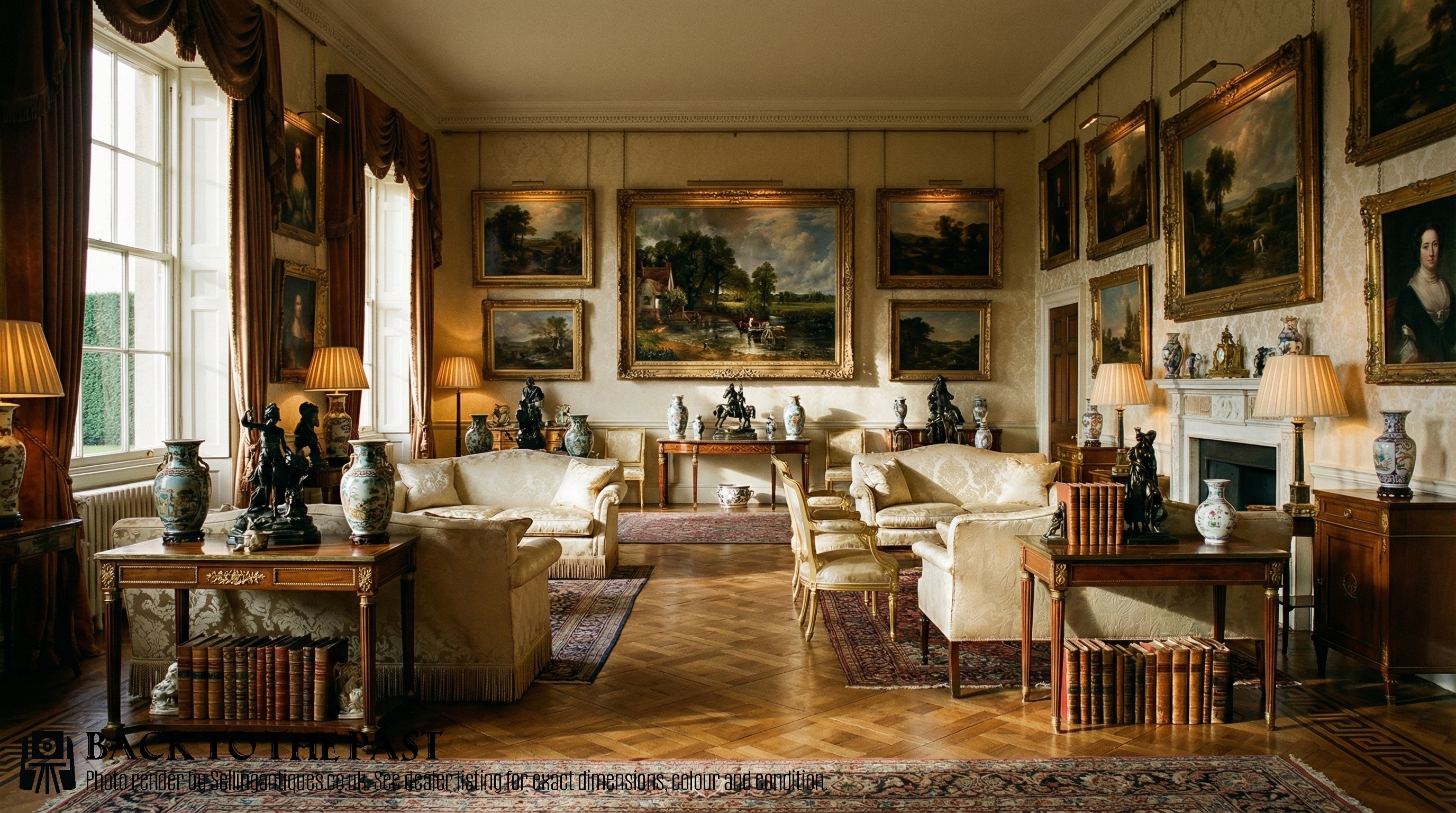
Mahogany Bedside Locker
A mahogany bedside locker is a compact cabinet or small chest designed to hold bedroom essentials close to the bed, appearing in forms ranging from single door cupboards to small chests of drawers.
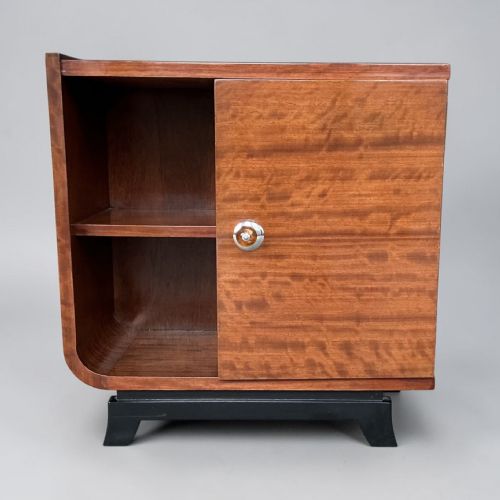
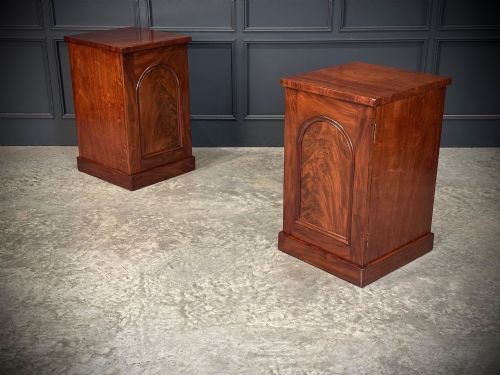
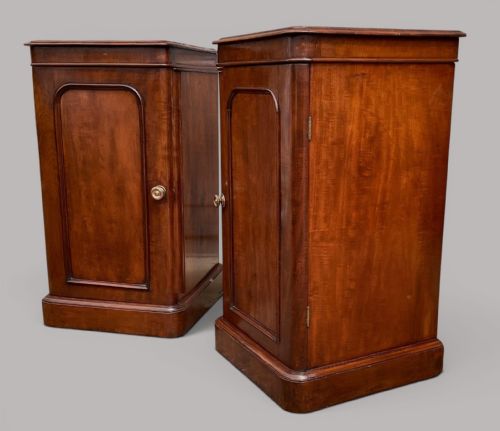
The pieces seen here span the Georgian, Victorian, and Edwardian periods, alongside later twentieth-century interpretations, taking the shape of pedestals, pot cupboards, and lamp stands.
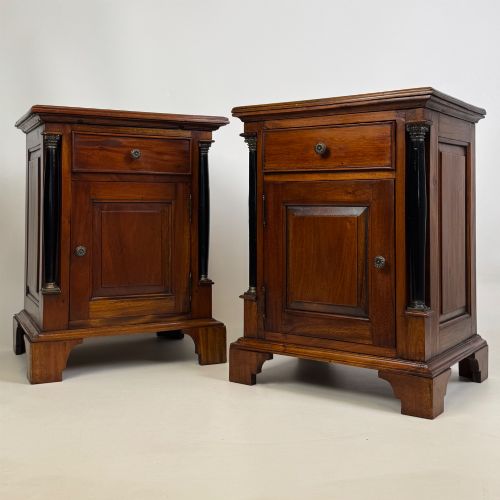
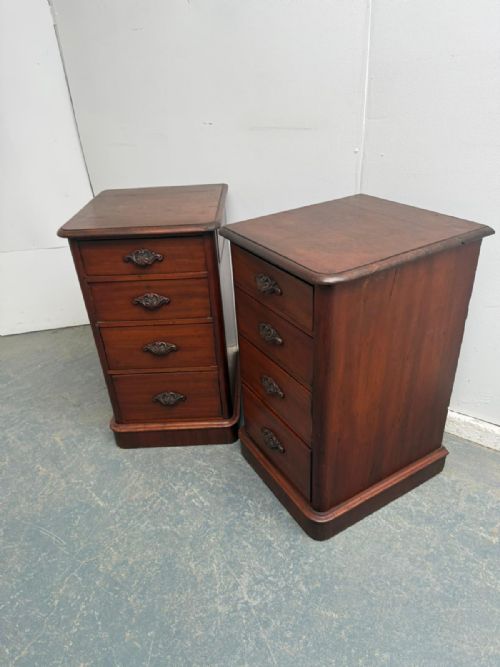
Buyers meet both individual cabinets and matched pairs, with many examples originating from English, Irish, and French workshops.
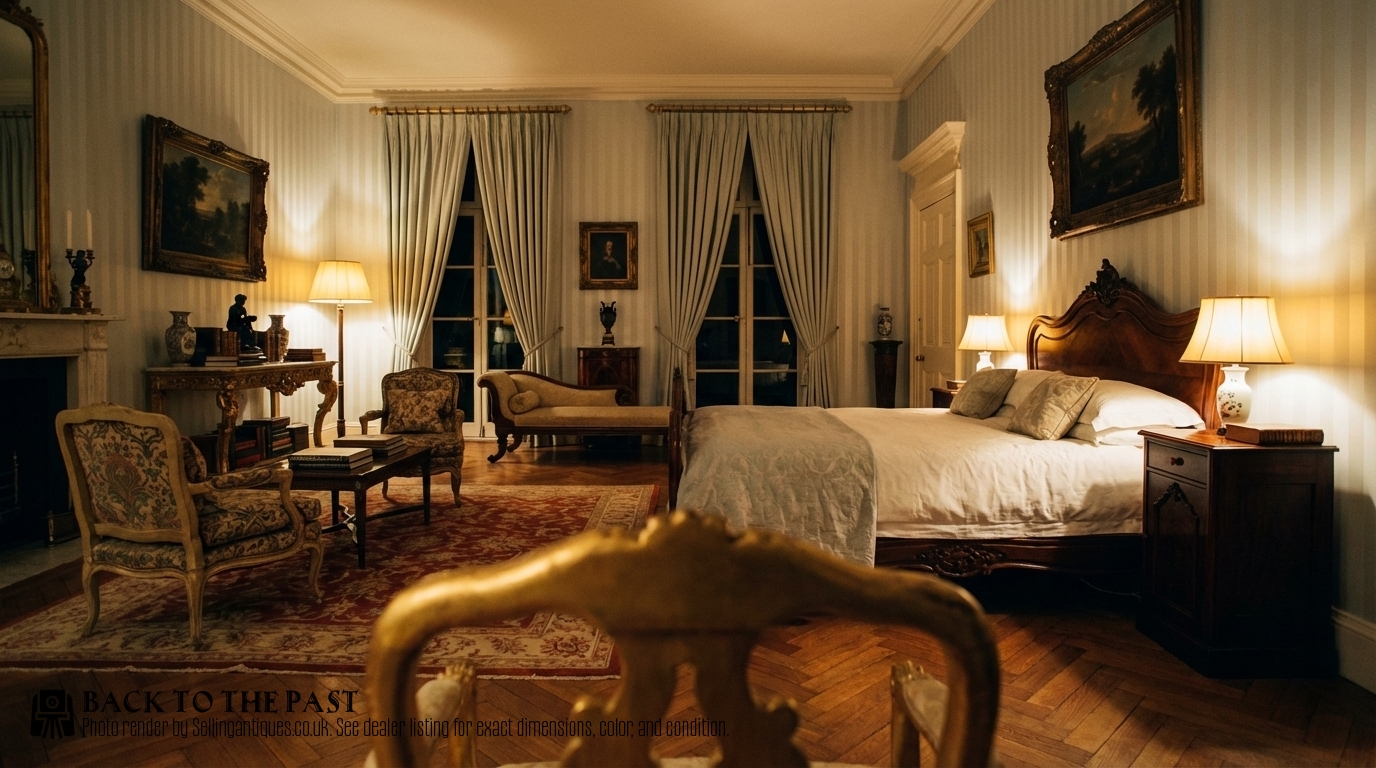
Timber and construction methods
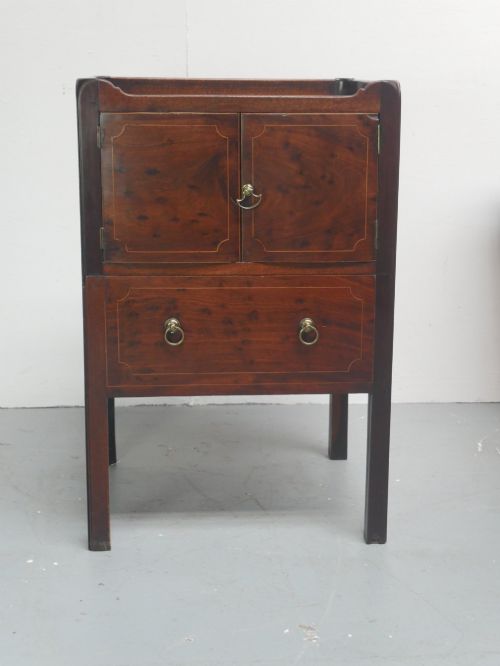
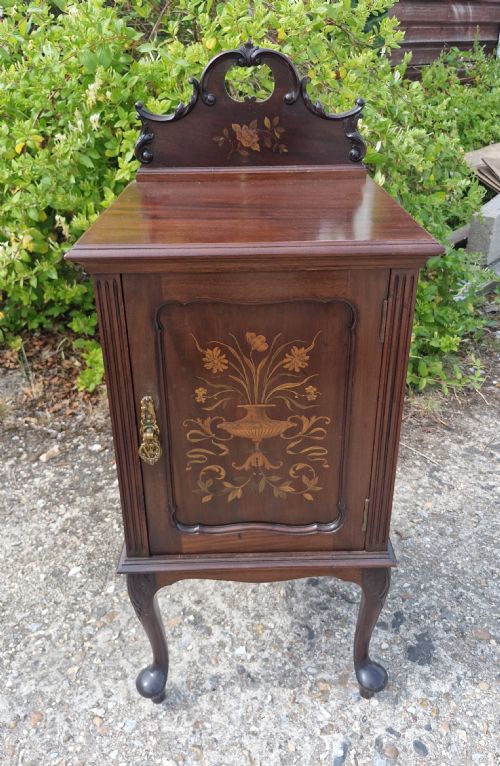
Cabinet-makers relied heavily on solid mahogany and flame mahogany veneers, often accentuating the primary timber with contrasting inlay of satinwood, boxwood, and ebony.
Secondary materials include brass handles, hinges, and gallery rails, while certain French and later pieces incorporate marble tops or ebonised wood details.
Mahogany Bedside Locker Retail Price Guide 2026
Typical asking prices for mahogany bedside locker among the pieces listed under this phrase on Sellingantiques today, from the lower quarter to the upper quarter. They describe what is for sale here now, not the wider market.
Some nineteenth-century lockers designed for military campaigns hide their sturdy transport heritage behind polite polished mahogany and neat brass drop handles.
Distinctions in construction and design
Quality rests on the selection of timber figures, such as dense flame mahogany veneers, and the precision of inlaid stringing or marquetry.
Subtleties in architectural details, including reeded legs, panelled doors, and well-fitted dovetail drawers, separate standard utility pieces from finer commissions.
Holland & Sons·Gillows·Heals·Whytock & Reid
The Mahogany Bedside Locker Glossary
- Flame mahogany
- A veneer cut from timber fork joints that produces a distinctive, flamy, ripple pattern across the surface. It was favoured by cabinet-makers for drawer fronts and door panels.
- Pot cupboard
- A small enclosed bedside cabinet originally designed to house a chamber pot. They typically feature a single door and a shelved interior.
- Pedestal cupboard
- A tall, narrow freestanding cabinet with a single upright body. These pieces often stand on a plinth or short legs.
- Inlay
- A technique where contrasting woods like satinwood or boxwood are inserted into shallow recesses in the mahogany surface. This creates geometric or botanical patterns.
- Campaign style
- Portable furniture made for travel, often featuring recessed brass handles and reinforced corners. These lockers were built for military officers on the move.
Mahogany Bedside Locker: Frequently Asked Questions
What is a bedside locker used for?
These cabinets serve as bedside storage for personal items, books, and lamps while concealing a lower shelf or pot compartment behind a door or drawer.
Their compact footprints allow them to fit neatly beside various bed heights in contemporary and traditional bedrooms.
How do I tell a Georgian locker from a Victorian one?
Georgian pieces generally exhibit restrained classical proportions with clean lines and subtle cockbeading around drawer fronts. Victorian examples often display heavier timber sections, richer carving, and more elaborate brass fittings or gallery tops.
Examining the internal drawer construction and timber grain helps confirm the period of manufacture.
Are matched pairs common for these lockers?
Matched pairs appear frequently across the Victorian and Edwardian periods, though single lockers are also common. Finding identical pairs from the nineteenth century often indicates they were commissioned together for a principal bedroom.
Collectors prize pairs for creating symmetry on either side of a double bed.
How should I care for a mahogany cabinet?
Maintenance involves dusting with a soft, dry cloth and applying natural beeswax periodically to nourish the mahogany grain and protect the polish. Keeping the timber away from direct heat sources and strong sunlight prevents the wood from drying out.
Proper placement preserves both the colour of the polish and the stability of the joints.