


Mahogany Bed Nightstands
Mahogany bed nightstands bring solid timber and period proportion to the bedroom, offering practical surface space alongside historic character.
Mahogany Bed Nightstands
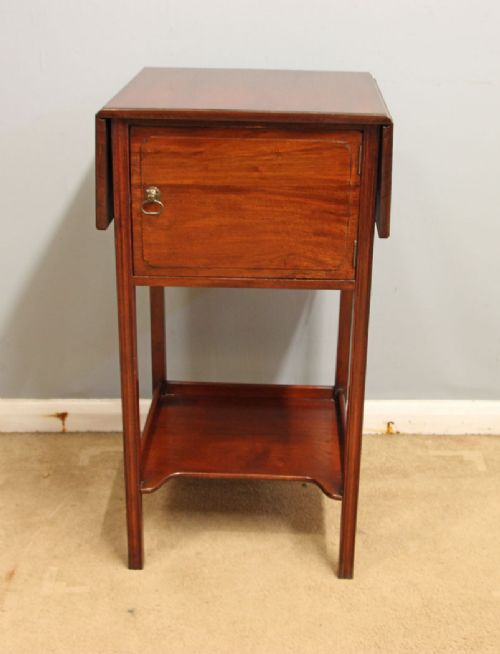
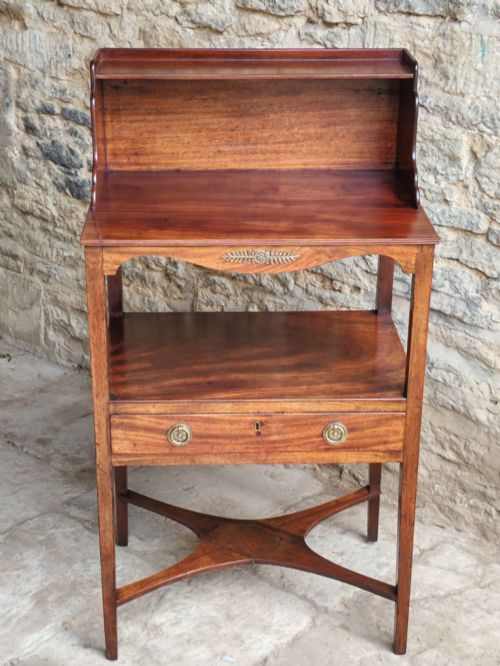
Mahogany bed nightstands comprise compact bedside tables, cupboards, chests, and commodes originating from Georgian, Regency, Victorian, and Edwardian periods. These pieces serve as functional bedroom furniture designed to sit beside a bed.
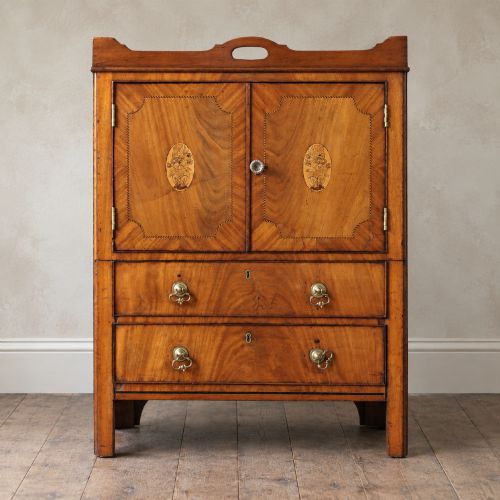
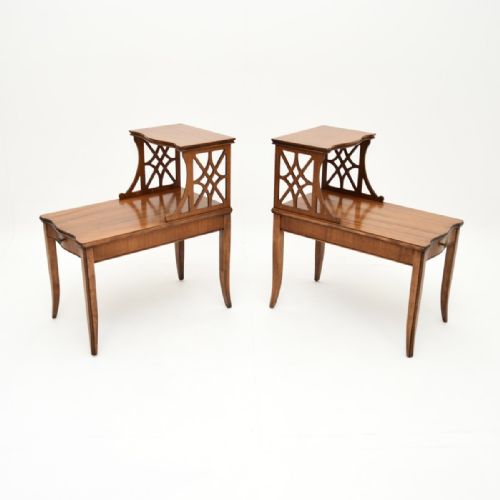
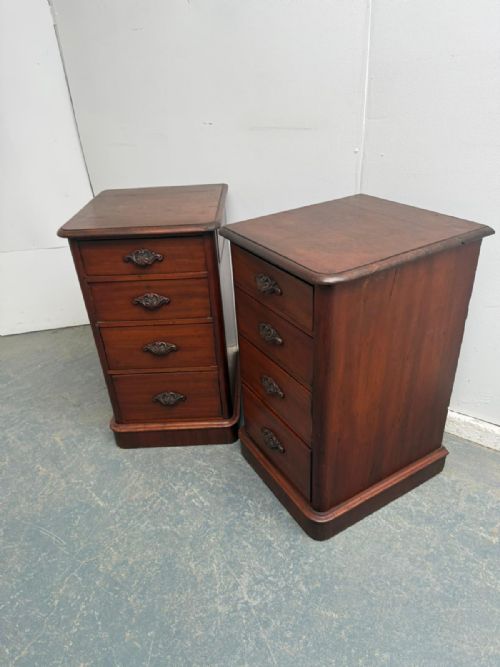
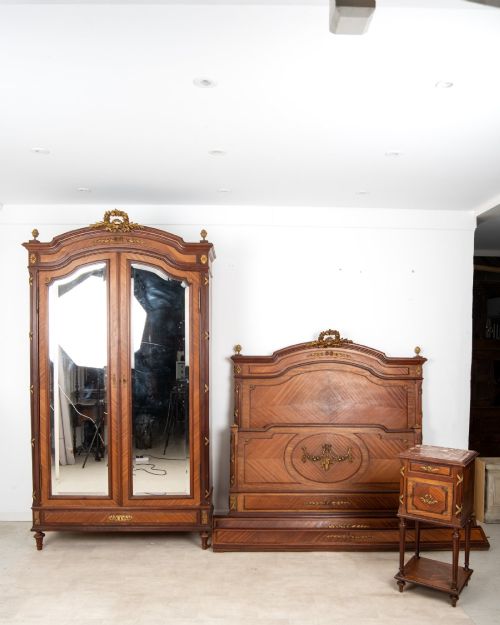
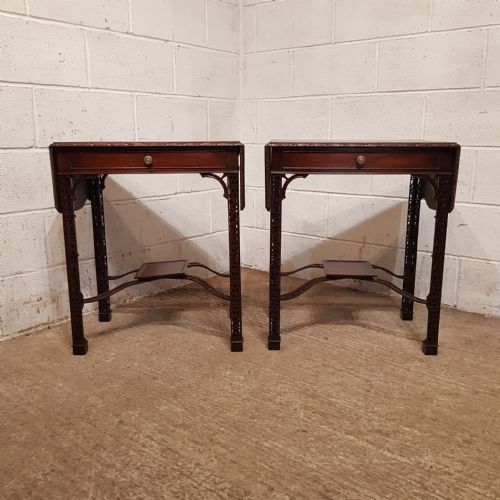
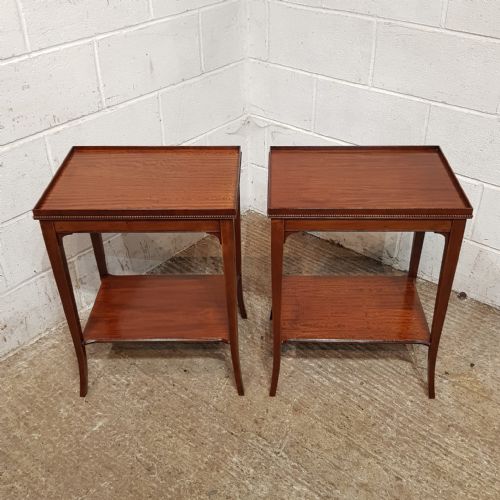
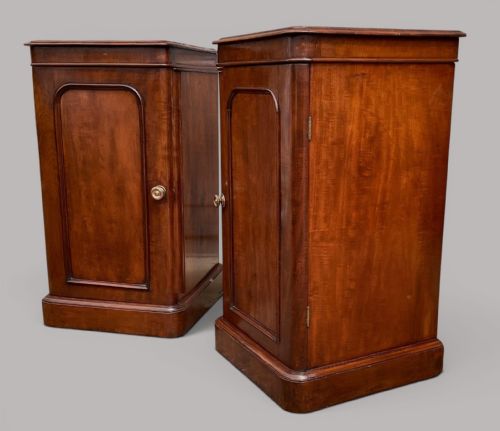
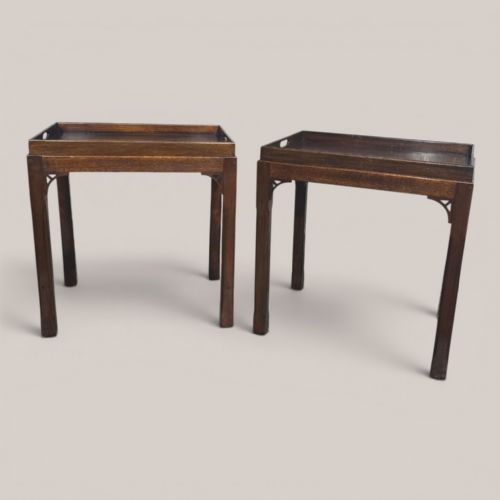
The selections available here range from simple George III tray top tables to elaborate cylindrical cupboards and architectural pedestals. Many examples appear in matched pairs, reflecting the historical demand for symmetry in bedroom suites.
How they were made
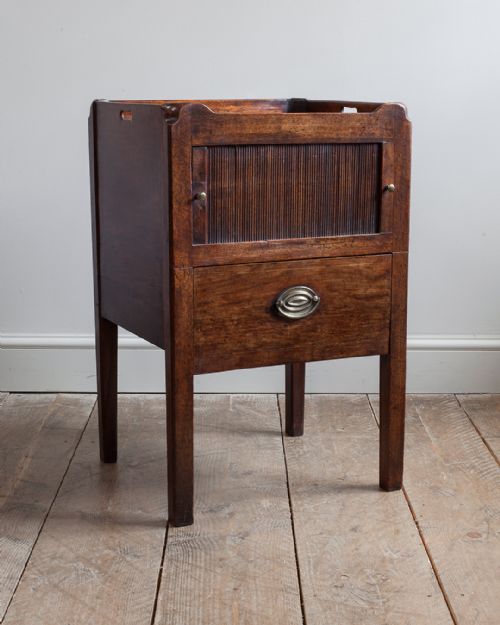
Cabinetmakers utilised solid mahogany and figured flame mahogany veneers over secondary timbers, often incorporating brass handles, glass tops, or marble surfaces for added utility. Structural elements frequently employed tambour doors, drop leaves, and pull-out steps.
Construction techniques from the eighteenth and nineteenth centuries relied on traditional joinery, including dovetailed drawers and panelled cabinet doors. Surfaces were typically polished or waxed to highlight the natural grain of the timber.
Some Regency bedside cupboards hide a pull-out wooden step, designed to assist gentlemen in reaching the heights of a fashionable four-poster bed.
What varies in quality
Quality rests on the choice of timber, with highly figured flame mahogany and crisp carving marking the distinction between standard production and superior craftsmanship. Proportion and originality of brass hardware also determine the standing of an individual piece.
The sophistication of the mechanism, such as a well-aligned tambour shutter or a cleverly concealed step, separates utilitarian pieces from high-status examples attributed to distinguished workshops.
Holland and Sons·Gillows
The Mahogany Bed Nightstands Glossary
- Tambour
- Slats of wood glued to a canvas backing, allowing doors to slide around a curved track. This technique provides access to enclosed cabinet spaces without requiring swing clearance.
- Flame mahogany
- A veneer cut from the fork of the mahogany tree where branches meet the trunk. It creates a distinctive, fiery flame pattern across the surface of the wood.
- Commode
- A piece of furniture containing drawers or a cupboard, often enclosing a chamber pot in earlier periods. In the context of bedside tables, it denotes a closed cabinet form.
- Tray top
- A raised rim edging the top surface of a table or cabinet. This design prevents items from rolling off the edge.
- Pedestal
- A support column or base beneath a cabinet body. Pedestal forms often incorporate cupboards or drawers within their architectural structure.
Mahogany Bed Nightstands: Frequently Asked Questions
How do I date a mahogany nightstand?
Dating relies on examining the construction methods, hardware, and timber characteristics. Georgian pieces often feature solid timber carcases and subtle hand-cut dovetails, whereas later Victorian examples may employ machine-sawn elements and heavier mouldings.
Secondary woods and drawer linings also offer clues to the period. Oak and pine are common in earlier pieces, while deal and mahogany linings become prevalent by the later nineteenth century.
Were nightstands originally made in pairs?
Many period bedside cabinets and tables were manufactured as single items rather than pairs, particularly during the eighteenth century. Single commodes served individual beds in modest or grand chambers alike.
Matching pairs frequently emerged later, or were assembled by dealers uniting similar pieces from the same era. Finding a true pair from the Georgian or Regency period remains less common than encountering single survivors.
What is a tambour front?
A tambour front consists of narrow vertical strips of wood attached to a flexible linen or canvas backing. This allows the door to slide smoothly around a curved corner to conceal the interior.
This ingenious mechanism gained popularity in the late eighteenth century for bedside tables and writing desks. It kept chamber items neatly hidden while maintaining a clean, unbroken exterior curve.
How do I care for antique mahogany?
Maintaining antique mahogany requires keeping the timber away from direct heat sources and strong sunlight, which can dry out the wood and fade the polish. Regular dusting with a dry, soft cloth preserves the surface finish.
Occasional application of pure beeswax helps nourish the grain without building up heavy residues. Avoid modern silicone sprays, as they can penetrate the historic polish and damage the timber over time.