
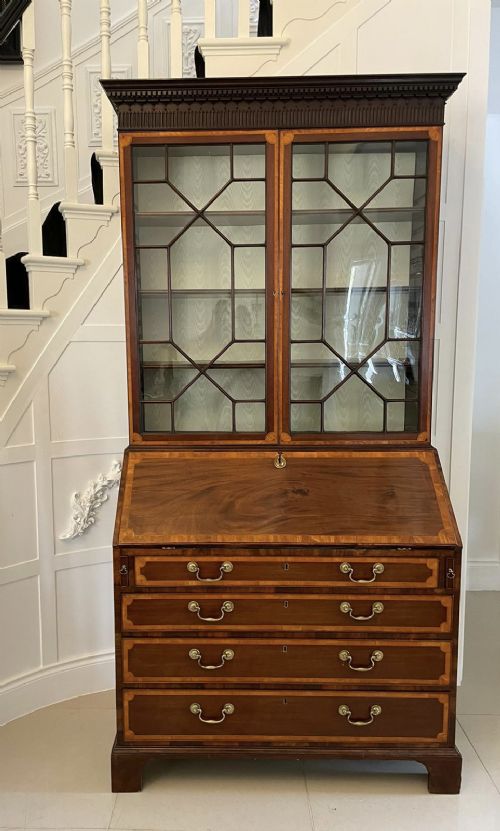
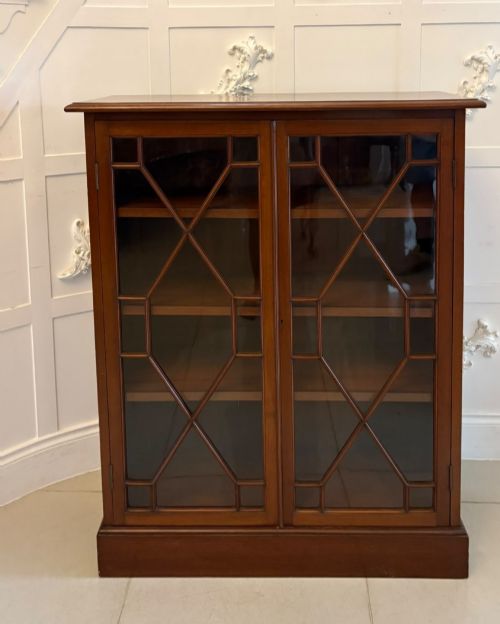
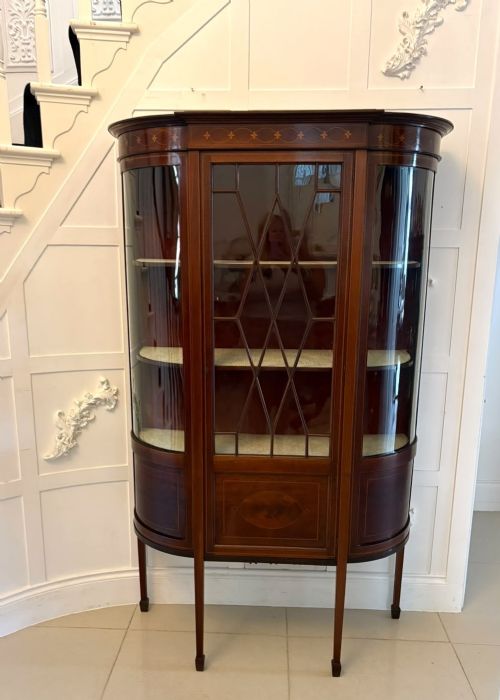
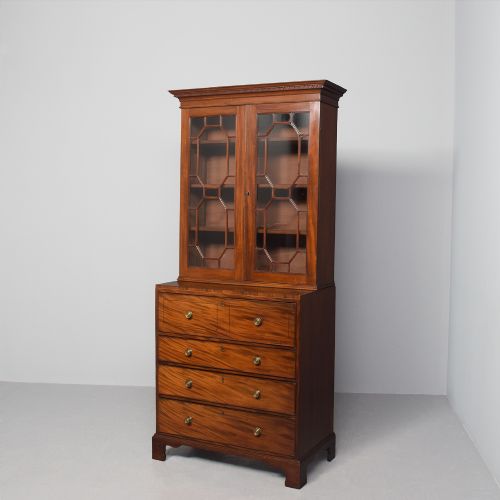
Mahogany Astragal Glazed Bookcase
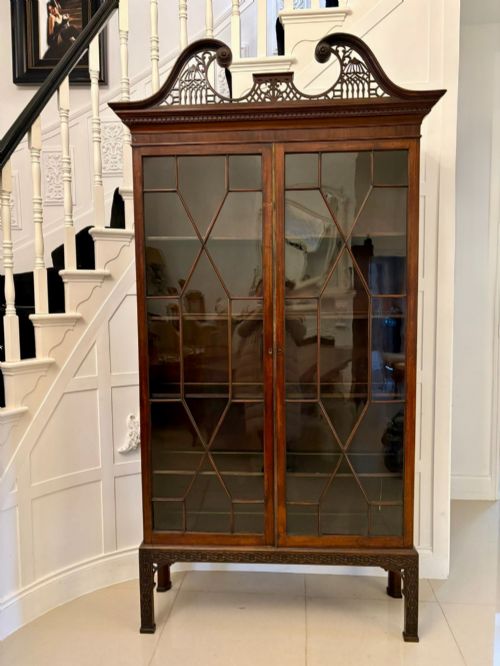
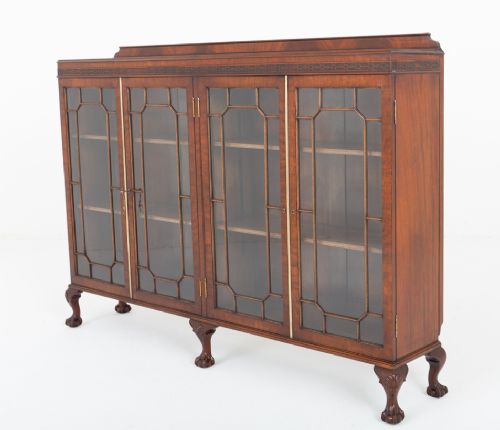
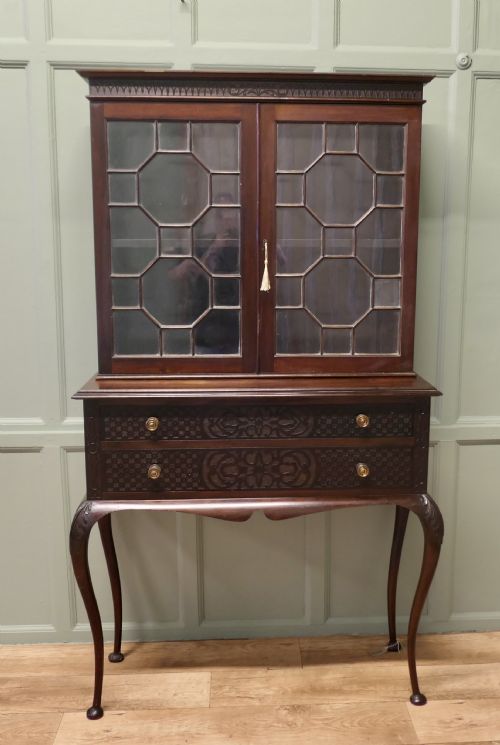
A mahogany astragal glazed bookcase combines fine timber framing with individual glass panes to protect libraries while displaying volumes.
Mahogany Astragal Glazed Bookcase
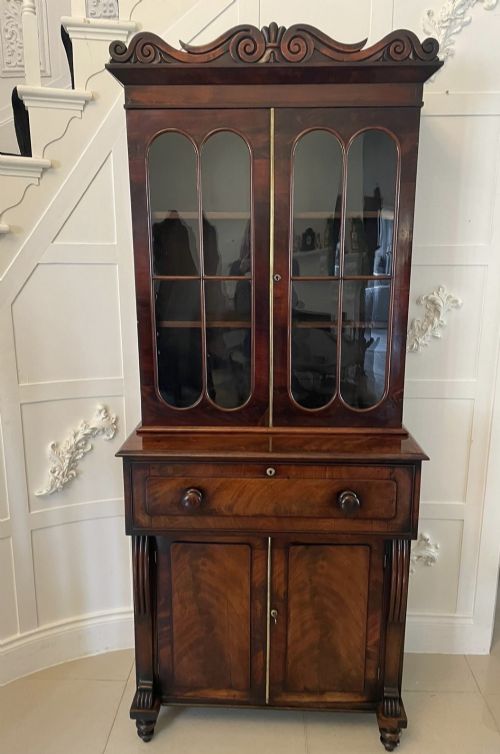
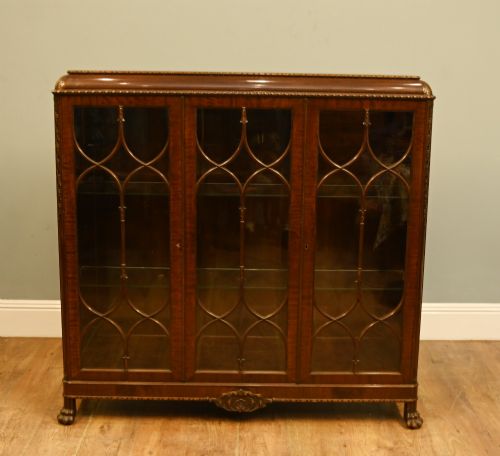
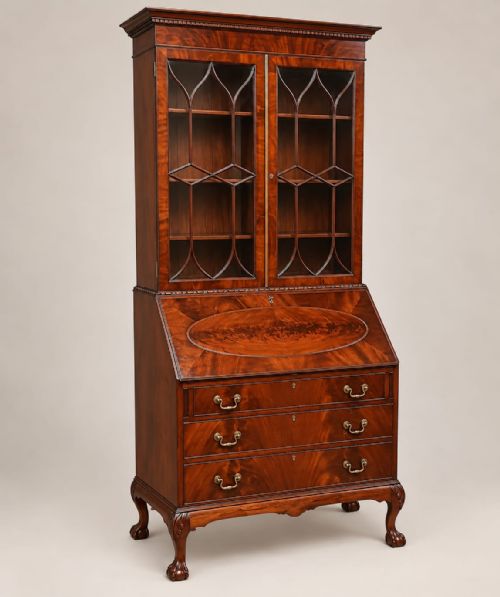
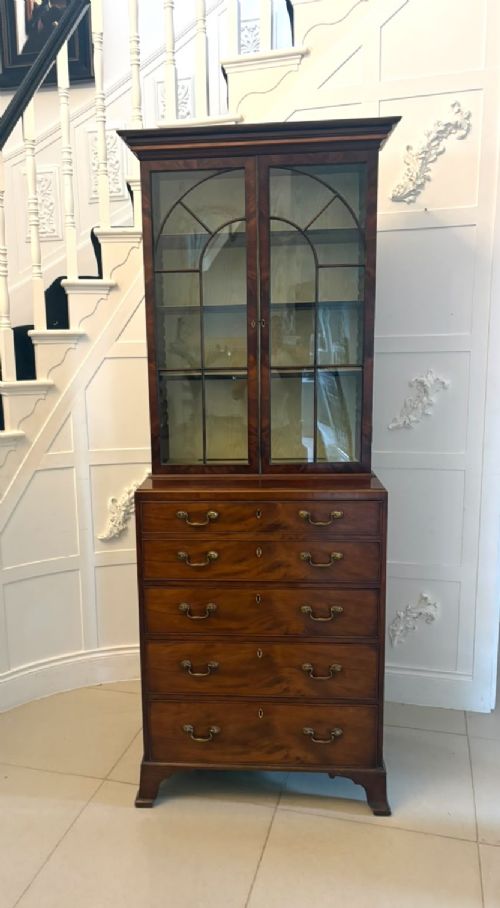
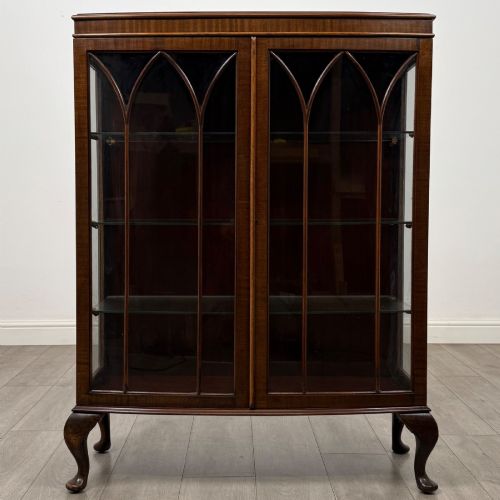
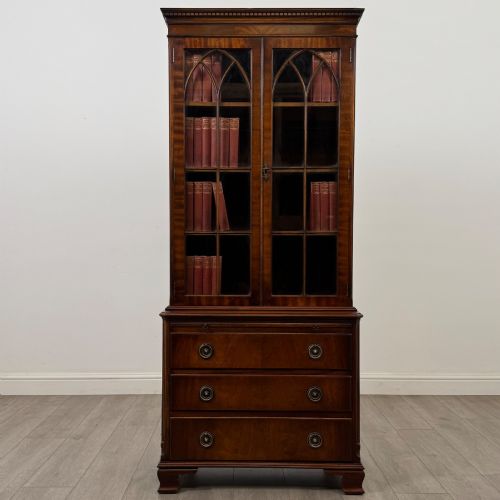
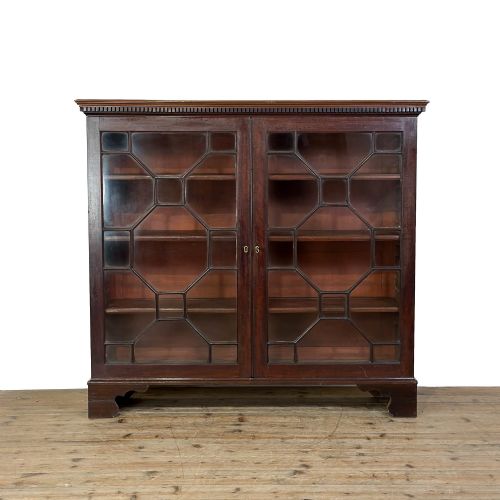
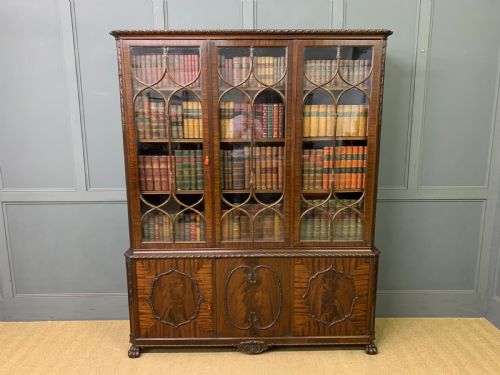
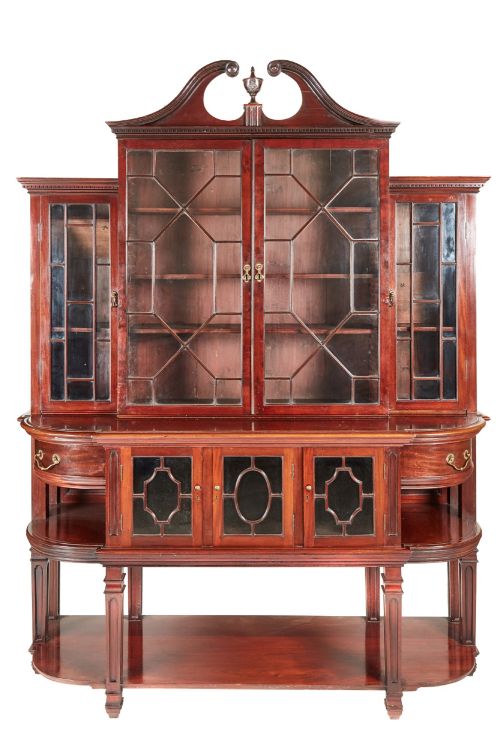
A mahogany astragal glazed bookcase serves as a primary storage piece for volumes, featuring glazed doors divided by wooden glazing bars known as astragals. The search phrase covers forms ranging from tall breakfront library pieces to smaller bureau bookcases and display cabinets.
Examples originate across the Georgian, Regency, Victorian, and Edwardian periods, with revival styles also appearing frequently in the records. Buyers often encounter Edwardian interpretations alongside 19th century originals when browsing these listings.
Materials and Construction Techniques
Cabinetmakers utilised solid and veneered mahogany, frequently selecting flame mahogany for cabinet fronts and incorporating satinwood inlay for decorative contrast. Brass hardware supports internal fittings and door closures across many period examples.
The glazing relies on slender wooden astragal bars that hold individual panes of glass within the door frame. Internal fitted components often include secretaire drawers with writing surfaces and pigeonholes.
Listings feature mahogany bookcases spanning from the 18th century through the Edwardian era, incorporating glass, brass, and satinwood inlay.
Distinctions in Quality
The refinement of the timber selection dictates much of the distinction between pieces, with figured mahogany and precise satinwood inlay setting apart the finest examples. The delicacy and joinery of the astragal bars also indicate the level of craftsmanship involved in the door construction.
Proportion and scale separate standard utility pieces from grand breakfront or library bookcases designed for prominent rooms. Original fitted interiors and intact brass elements further elevate the standing of individual cabinets.
Jas Shoolbred·Gillows·George Oakley·Howard and Sons·Maple and Co·Thomas Chippendale
The Mahogany Astragal Glazed Bookcase Glossary
- Astragal
- A moulding profile used to divide glass panes within a door frame. In these bookcases, wooden astragals form geometric or Gothic patterns across the glazed doors.
- Breakfront
- A cabinet design where the central section projects forward from the flanking wings. This configuration appears frequently in larger library and display bookcases.
- Secretaire
- A desk form featuring a pull-down front drawer that reveals a fitted interior with small drawers and pigeonholes. Many examples combine this writing function with upper bookcase storage.
- Vitrine
- A glass-fronted display cabinet used for exhibiting objects or books. These pieces emphasise visibility through extensive glazing.
- Satinwood Inlay
- A contrasting light timber inset into mahogany surfaces to create decorative borders or motifs. It appears on numerous Edwardian and Georgian revival pieces.
Mahogany Astragal Glazed Bookcase: Frequently Asked Questions
How do I identify a breakfront bookcase?
A breakfront bookcase has a projecting central section flanked by set-back side cabinets. This architectural layout creates depth and visual balance across the front elevation.
Large library editions and Victorian examples frequently utilise this format to house extensive book collections.
What does astragal glazed mean?
Astragal glazed refers to glass doors divided into smaller panes by thin wooden moulding strips called astragals. These bars create geometric framing patterns across the upper cabinet doors.
The technique protects the glass while providing a decorative grid structure typical of period cabinetry.
Which periods are common for these bookcases?
The records span Georgian, Regency, Victorian, and Edwardian periods, alongside later revival pieces. 18th-century and early 19th-century originals sit alongside Edwardian interpretations built in earlier styles.
Materials and construction details generally reflect the prevailing aesthetic of each respective era.
Where should I place a large bookcase?
Large breakfront and library bookcases require substantial wall space and stable environmental conditions away from direct heat sources. Their height and depth suit principal reception rooms or studies.
Proper placement ensures the timber framing and glass doors remain clear of heavy foot traffic.