
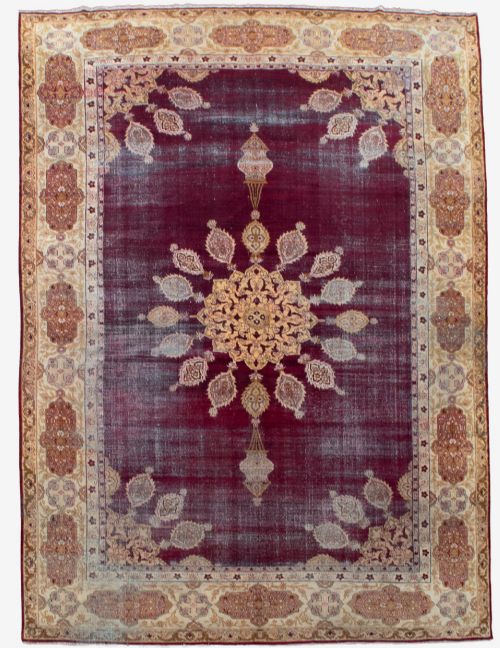
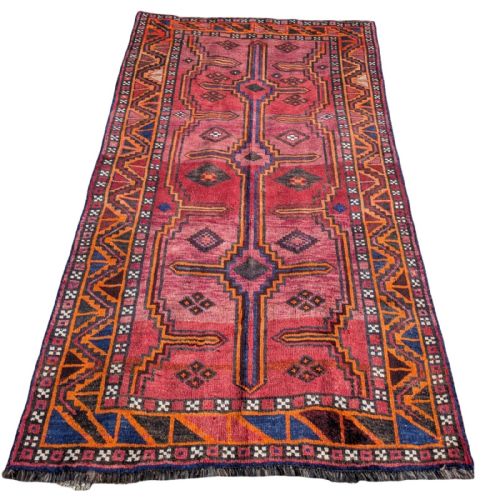


Magenta Wool Rug
These magenta wool rug pieces bring rich colour and tribal or traditional patterns into a room, offering deep pile or flatweave character.
Magenta Wool Rug
A magenta wool rug brings distinct historical character to a floor, drawing on traditions from Anatolia, Persia, Central Asia, India and China. When searching for a magenta wool rug, buyers encounter pieces spanning from the mid nineteenth century through the early twentieth century.
The selection includes large country house carpets, village prayer rugs, nomadic flatweaves and decorative textiles. Forms range from compact hearth rugs to expansive carpets exceeding five metres in length.
Tribal pieces from Luri, Afshar, Lakai and Afghan makers sit alongside workshop productions such as Agra, Amritsar, Ushak and Kirsehir. Each region contributes specific border motifs, field designs and regional weaving structures.
Materials and Construction
The primary material across these pieces is wool, often combined with cotton foundations and occasional silk highlights. Hand-weaving techniques unite nomadic tribal work and structured city carpet production.
Dyes create the rich magenta and associated palette found across nineteenth and early twentieth century examples. Natural fibre preparation ensures structural durability through generations of domestic use.
Dates range from the mid nineteenth century through the 1930s, encompassing Art Deco and tribal periods.
Assessing Quality and Execution
Quality rests on knot density, the precision of tribal or traditional design execution, and the integrity of the wool foundation. Finer weaves display sharper geometric or floral motifs across both village and workshop pieces.
The handling of natural dyes and the preservation of original borders and selvedges determine the standing of an example. Larger format carpets require exceptional structural planning to maintain flatness and proportion.
The Magenta Wool Rug Glossary
- Flatweave Rug
- A textile produced without a raised pile by interlacing warp and weft threads directly. These lighter pieces suit areas with minimal foot traffic.
- Prayer Rug
- A devotional textile featuring a central mihrab or arch design indicating the direction of prayer. Village weavers often adopted this specific layout.
- Torba
- A small Turkmen storage bag face produced by nomadic tribes for domestic use. Collectors value these for their dense tribal iconography.
- Sofreh
- A ceremonial spread or cloth used for dining or kneading dough among nomadic groups. These textiles display bold geometric fields.
- Selvedge
- The finished side edges of a carpet that prevent unravelling. Original bindings indicate careful historic maintenance.
Magenta Wool Rug: Frequently Asked Questions
How do I clean an old wool rug?
Gentle vacuuming without a beater bar removes surface dust safely. Professional specialist cleaning protects natural wool fibres and historic dyes.
Avoid harsh household detergents or excessive water immersion. Specialist care preserves structural integrity over decades of domestic placement.
Where should I place a large carpet?
Large formats suit principal reception rooms or dining spaces with ample floor area. Centring the piece allows furniture to anchor the composition.
Ensure direct sunlight exposure remains balanced to protect natural dye longevity. Proper underlay prevents slip and cushions the foundation against hard flooring.
How do I identify a tribal rug?
Tribal pieces display asymmetrical geometric motifs and spontaneous local colour choices. Nomadic workshops produce distinct village structures rather than formal court designs.
Regional symbols often reflect specific clan traditions and local dyeing materials. Irregularities in line work point to hand-woven execution away from city factories.
What is an Art Deco carpet?
Art Deco carpets from the early twentieth century feature stylised motifs and simplified geometric compositions. Chinese production during this era often utilised carved pile effects.
These designs bridge traditional weaving techniques with modern aesthetic movements. Bold palettes distinguish them from nineteenth century tribal formats.