
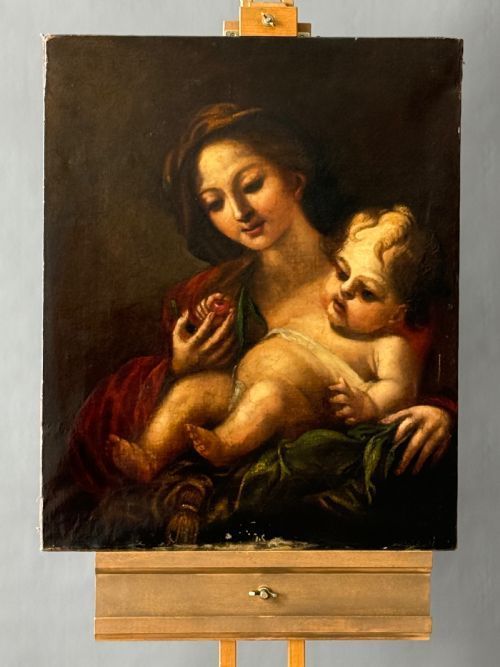
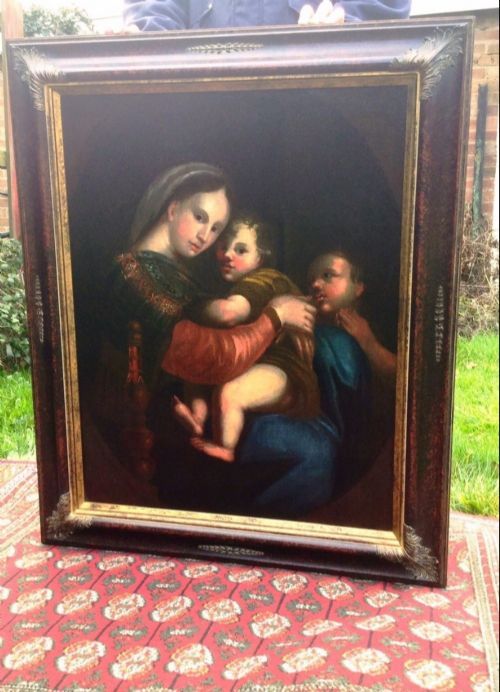
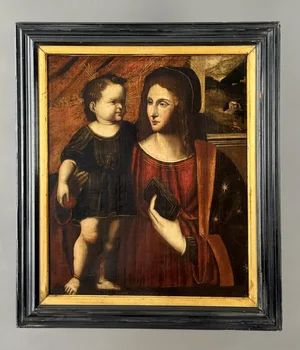
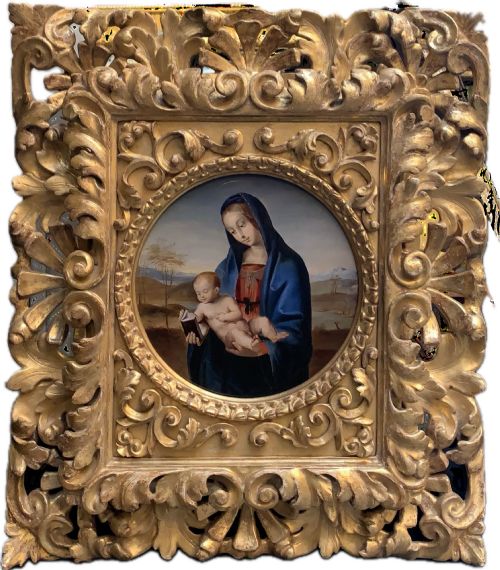


Madonna and Child Oil Painting
A madonna and child oil painting brings centuries of devotion and masterwork copies into domestic spaces through enduring pigments.
Madonna and Child Oil Painting
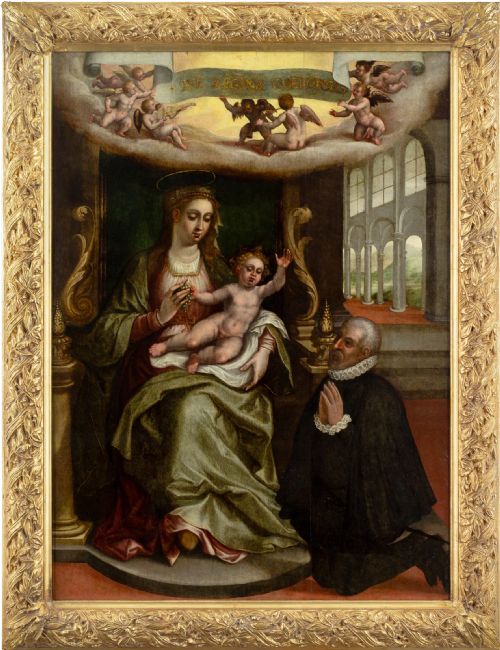
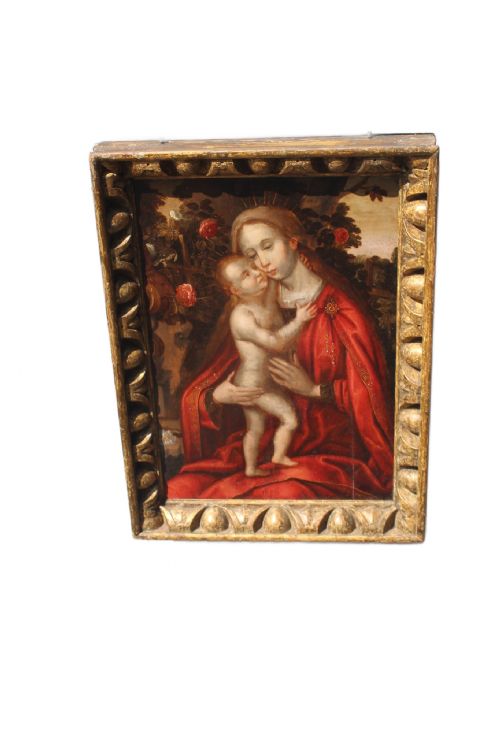
A madonna and child oil painting represents centuries of religious devotion, artistic lineage, and devotional portraiture originating from diverse European and colonial workshops. Buyers seeking a madonna and child oil painting encounter works ranging from early Renaissance compositions and Baroque interpretations to later revival pieces and modernist expressions.
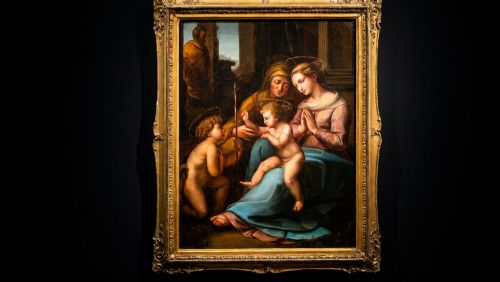
The selections available here lean heavily toward historical interpretations, notably Italian Renaissance subjects and devotional themes executed after canonical masters like Raphael. These works span centuries of production, capturing both original provincial interpretations and skilled studio copies created for private prayer or display.
Beyond standard canvas works, collectors encounter panels, triptychs, and larger devotional portraits employing traditional iconography. Each madonna and child oil painting reflects the aesthetic priorities of its period, whether adhering to strict religious iconography or adopting the expressive freedom of later artistic movements.
Materials and Techniques
Makers constructed these works primarily using oil pigments applied to stretched canvas or prepared wooden panels. Panels often provided a rigid foundation for detailed brushwork, while canvas allowed for larger proportions suited to grand architectural or domestic settings.
Giltwood frames and gold leaf embellishments frequently enhanced the visual presentation, framing the sacred subject with reflective metallic brilliance. Artisans layered oil paints to build depth, luminosity, and rich tonal variations across garments and flesh tones.
Workshops relied on traditional grinding and mixing techniques to achieve stable oil formulations that preserved colour over centuries. The combination of durable wooden supports, textured canvas, and precious leaf work defined the physical craft of these religious paintings.
Listings feature works spanning the sixteenth century through the modern era, executed in oil on canvas, wood, and panel.
Assessing Artistic Execution and Provenance
Quality in these devotional works rests upon the dexterity of the brushwork and the fidelity of the composition. Masterful handling of light, shadow, and facial expression distinguishes superior studio output from standard decorative copies.
The pedigree of the piece, whether attributed to a known circle, follower, or distinct regional school, significantly influences its standing. Works demonstrating confident draftsmanship and sophisticated tonal layering command greater art-historical interest than mechanical reproductions.
Francesco Solimena·Bernardino Luini·Benvenuto Tisi·Orsola Maddalena Caccia·Ambrious Benson
The Madonna and Child Oil Painting Glossary
- Oil on Panel
- A painting technique utilising wooden boards as a rigid support for oil pigments. This method was favoured in early periods before canvas became the dominant medium.
- Giltwood
- Wood carved and treated with a thin layer of gold leaf or metallic powder. It frequently adorns the frames accompanying historical religious works.
- Triptych
- A piece composed of three panels hinged together, often displaying a central religious scene flanked by attendant saints. These served as portable altarpieces or private devotional objects.
- Icon
- A devotional painting, typically depicting sacred figures in a stylized manner. They carry deep theological significance within Eastern and Orthodox Christian traditions.
- Circle
- A term used in attribution to denote an artist working closely alongside a master, sharing a similar style without being a direct pupil.
Madonna and Child Oil Painting: Frequently Asked Questions
What is a madonna and child oil painting?
A madonna and child oil painting depicts the Virgin Mary holding the infant Jesus, a central theme in Christian art. These artworks functioned as focal points for private prayer, church decoration, and domestic devotion.
Over the centuries, artists reproduced and reinterpreted these sacred subjects following compositions by masters like Raphael and Murillo. Today, collectors value them for their historical resonance, artistic technique, and spiritual iconography.
How can I tell the period of a painting?
Dating relies on examining the support materials, such as heavy wooden panels versus stretched canvas, alongside stylistic indicators. Renaissance and Baroque works exhibit specific approaches to drapery, lighting, and facial idealisation.
Secondary clues include the framing style, canvas preparation, and the ageing characteristics of the oil pigments. Comparing the piece to documented regional schools helps narrow its likely era of creation.
Where were these paintings displayed?
Historical works typically hung in private chapels, domestic antechambers, or monastic spaces to aid daily meditation. Wealthy patrons commissioned them for personal devotion or as permanent fixtures within family estates.
In modern settings, collectors place these pieces in studies, living rooms, or hallways as focal points of historic character. Their rich framing and contemplative subject matter anchor traditional and eclectic interior schemes alike.
What does after Raphael mean?
The phrase indicates that the artist created a copy or a deliberate homage based on an original composition by the Renaissance master Raphael. These secondary works were common in subsequent centuries as study pieces or commissions for collectors.
Studio assistants and later painters replicated famous compositions to meet continuous demand for esteemed Renaissance imagery. Such works reflect the enduring influence of master designs across later artistic generations.